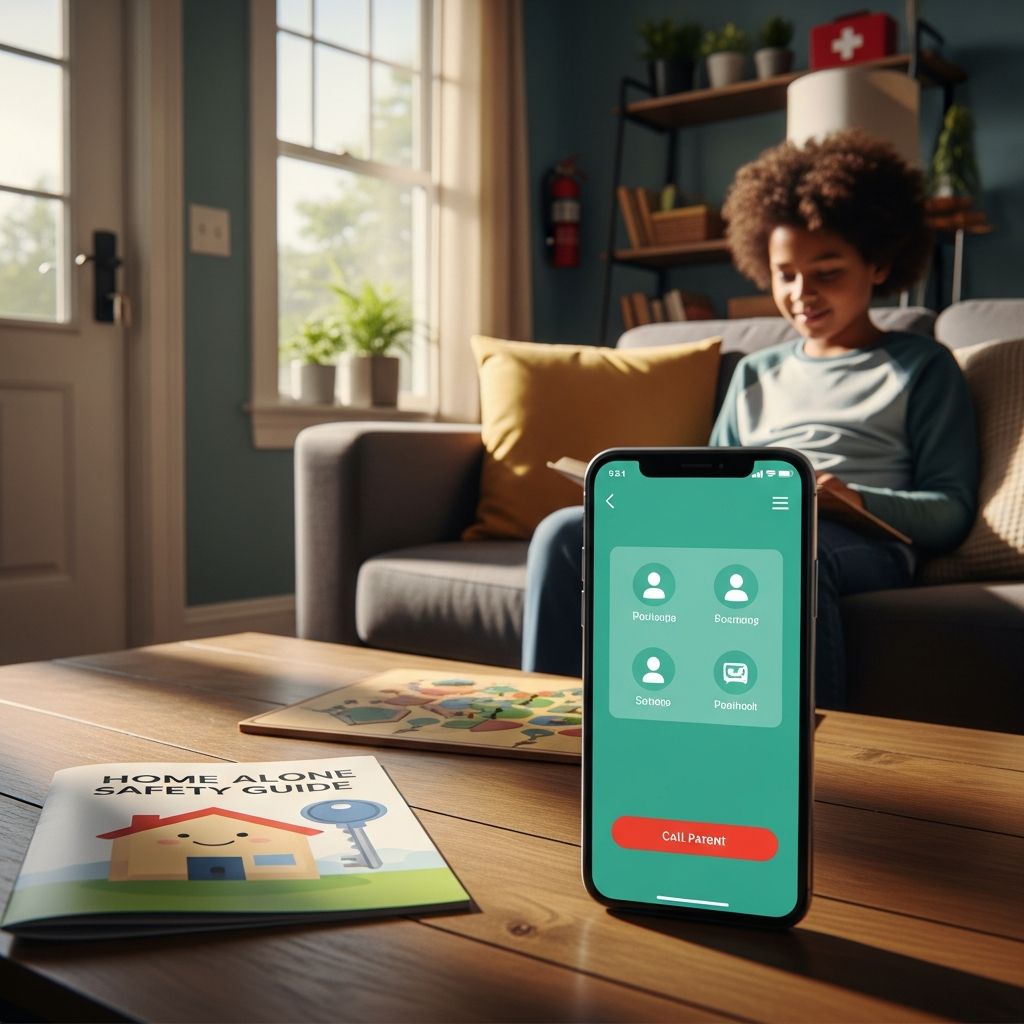
Leaving children home alone is a significant milestone in their journey toward independence, but it requires careful planning to prioritize their safety and emotional readiness. This guide draws on expert recommendations to help parents assess maturity levels, secure the home environment, establish clear rules, and build emergency response skills, ensuring kids feel confident and protected during unsupervised time.
Assessing Your Child’s Readiness for Independence
Determining if a child is prepared to stay home alone involves evaluating their emotional maturity, decision-making abilities, and comfort with solitude more than a specific age. Experts suggest that children under 8 years old generally should not be left alone for extended periods due to developmental limitations in handling emergencies or unexpected situations.
For ages 8-10, short durations of up to 3 hours may be feasible if the child demonstrates reliability, but always start with brief trials to gauge response. Older children, around 11-12 and above, often handle longer periods better, provided they exhibit responsible behaviors like completing tasks independently and managing fear or boredom effectively.
Key indicators of readiness include:
- Ability to follow instructions without supervision, such as finishing homework or chores promptly.
- Comfort using phones or devices to contact adults and knowledge of key numbers.
- Skill in navigating the home, including locks, appliances, and basic first aid.
- Emotional resilience to stay calm during surprises like strange noises or visitors.
Observe your child’s behavior in low-stakes scenarios first, like brief errands, to build toward full home-alone experiences. Discuss their feelings openly to address anxieties, fostering trust and preparedness.
Securing the Home Environment
A thorough home safety audit is foundational before any unsupervised time. Remove or lock away hazards to prevent accidents, emphasizing prevention over reaction.
| Hazard Category | Safety Actions |
|---|---|
| Weapons & Tools | Store guns, knives, ammunition, power tools in locked cabinets; ensure keys are inaccessible. |
| Chemicals & Poisons | Lock detergents, cleaners, pesticides, medications out of reach; label clearly. |
| Electrical & Fire Risks | Cover unused outlets; install/test smoke alarms on every level; limit stove use for young kids. |
| Matches & Lighters | Secure in locked areas; educate on fire dangers. |
Install working smoke and carbon monoxide detectors, and place flashlights with fresh batteries in accessible spots for power outages. Review the home’s security features, like deadbolts and peepholes, and consider smart systems kids can operate easily. These steps minimize risks, allowing focus on positive independence-building.
Developing a Robust Emergency Plan
An emergency plan empowers children to act decisively, turning potential panic into structured response. Practice scenarios through role-playing to ingrain habits.
Core elements include:
- Posted Contact List: Display 911, parents’ work/cell, neighbors, and trusted adults visibly by phones.
- Escape Routes: Map two exits per room, especially for fires; rehearse crawling low under smoke.
- Response Protocol: For smoke/alarms, exit immediately, go to a neighbor, and call 911—never re-enter.
- First Aid Basics: Stock a kit and teach bandaging minor cuts; download apps like Red Cross First Aid for guidance.
For non-fire emergencies, instruct kids to call parents first, then authorities if needed, and never investigate odd noises alone—instead, phone for help. Simulate calls: teach saying “My parents aren’t home right now” without admitting solitude. Regular drills build muscle memory, reducing fear.
Daily Rules and Routines for Success
Clear, consistent rules provide structure, preventing mischief and promoting responsibility. Establish them collaboratively to encourage buy-in.
- Check in immediately upon arriving home via call/text, reporting location and well-being.
- Lock all doors/windows; activate alarms if available.
- No leaving the house without permission; stick to familiar school routes if walking.
- Limit phone use: ignore unknown callers, let voicemails handle unknowns.
- No visitors or friends over without prior approval; deny entry to anyone appearing impaired.
- Structured activities: homework first, then chores, limited screen time to avoid boredom.
Prohibit cooking beyond microwave snacks for younger kids; pre-prepare meals to simplify. Caution against oversharing online about being alone, protecting privacy. These boundaries safeguard while teaching self-discipline.
Building Emotional Resilience and Responsibility
Beyond physical safety, address psychological aspects like loneliness or temptation. Encourage hobbies, reading, or practice instruments to fill time productively. Discuss handling peer pressure, such as invites to unsafe hangouts, reinforcing ‘no’ as empowered choice.
Parents should stay connected—set check-in schedules and respond promptly to concerns. Trial runs with parents nearby simulate real scenarios, gradually increasing duration. Praise successes to boost confidence, turning home-alone time into growth opportunities.
Monitor for signs of distress post-trial, like anxiety or rule-breaking, and adjust accordingly. Prioritize the child’s input; if uncomfortable, delay independence.
Frequently Asked Questions
What is the minimum age for leaving a child home alone?
No universal law exists, but experts advise against it for kids under 8 for extended times; assess maturity individually.
How do I handle strangers at the door?
Instruct kids to never open it—use peepholes, say parents are busy, and call adults if persistent.
Can my child use the kitchen?
Limit to no-cook or microwave for young ones; ensure alarms work and practice safe habits.
What if there’s a power outage?
Know flashlight locations, stay indoors, call parents; avoid candles.
Should siblings stay together?
Often safer, as older ones can guide younger, but evaluate dynamics.
Long-Term Benefits of Supervised Independence
Gradual home-alone experiences cultivate self-reliance, problem-solving, and accountability, preparing kids for future autonomy. Parents who invest in preparation report higher child confidence and fewer incidents. Balance with quality family time to nurture emotional security alongside skills.
References
- Safety Steps to Follow if Kids are Home Alone — American Red Cross. 2023-06-15. https://www.redcross.org/about-us/news-and-events/news/Red-Cross-Offers-Safety-Tips-For-When-the-Kids-Are-Home-Alone.html
- 7 Safety Rules for Kids at Home Alone — Scholastic. 2024-02-10. https://www.scholastic.com/parents/family-life/social-emotional-learning/social-skills-for-kids/7-safety-rules-kids-home-alone.html
- Staying Home Alone — Nationwide Children’s Hospital. 2025-01-05. https://www.nationwidechildrens.org/research/areas-of-research/center-for-injury-research-and-policy/injury-topics/home-safety/staying-home-alone
- Home alone: a parent’s guide — King County, Washington. 2024-08-20. https://kingcounty.gov/en/dept/sheriff/courts-jails-legal-system/crime-prevention-safety/kids-teens/home-alone
- School’s Out Safety Tips for Parents — City of St. Paul. 2023-05-12. https://www.stpaul.gov/sites/default/files/Media%20Root/Police/kids%20safety%20summer.pdf
- Home Alone Safety — Cottage Grove, Oregon. 2024-11-01. https://www.cottagegroveor.gov/police/page/home-alone-safety
- Home Alone Children — American Academy of Child and Adolescent Psychiatry (AACAP). 2024-03-18. https://www.aacap.org/AACAP/Families_and_Youth/Facts_for_Families/FFF-Guide/Home-Alone-Children-046.aspx