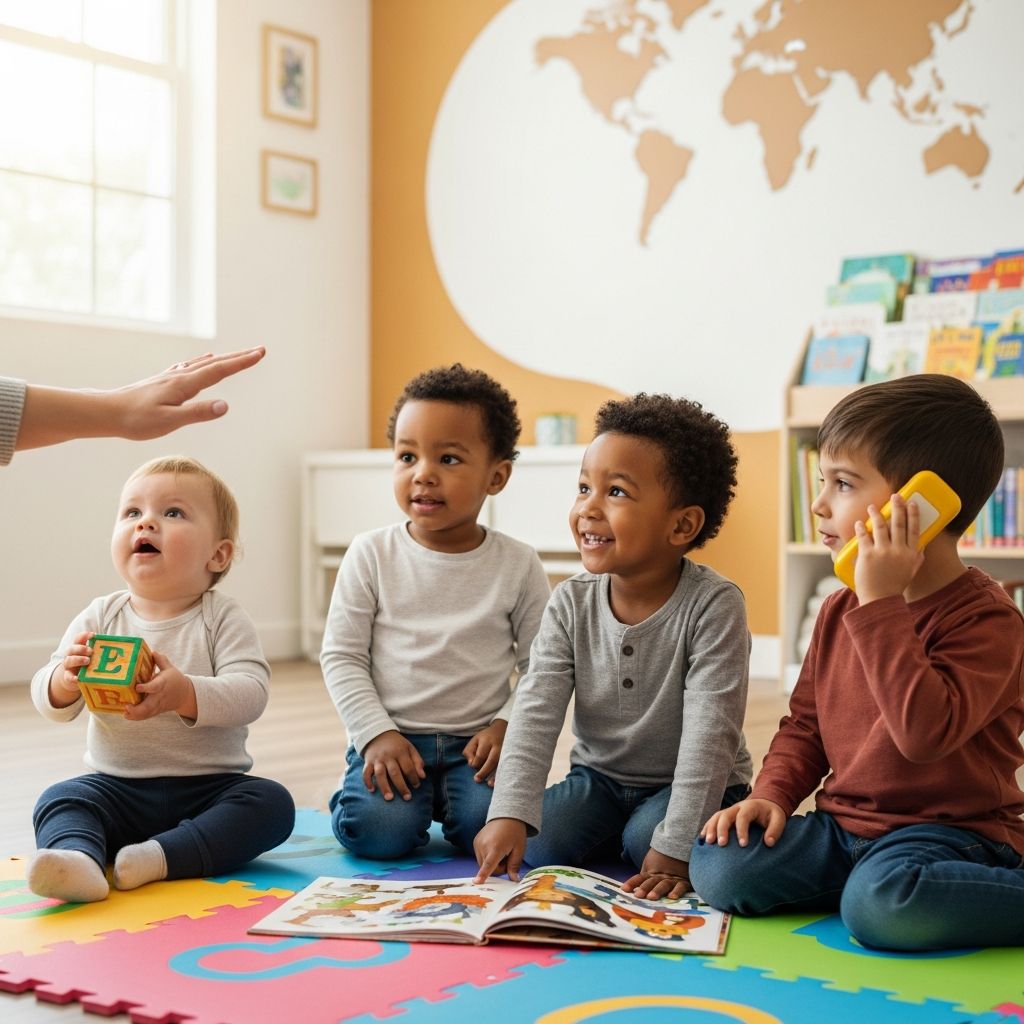
Bringing home a second child when the first is still under two years old transforms family life in profound ways. Parents often enter this phase with ideals shaped by one-child experiences, only to face amplified demands on time, energy, and emotional reserves. This period, marked by overlapping needs for feeding, sleeping, and attention, requires adaptive strategies rooted in realistic expectations and practical tools.
Understanding the Unique Dynamics
The spacing of two children under two means managing a newborn’s constant care alongside a toddler’s emerging independence and mobility. Developmentally, the older child remains in a baby-like stage, needing frequent naps, comfort, and supervision despite appearing ‘big’ next to the infant. This overlap creates a high-stakes environment where safety, rest, and bonding compete for limited parental bandwidth.
Common surprises include the persistence of sleep disruptions, the intensity of toddler emotions during adjustment, and the logistical puzzle of simultaneous care. Yet, this closeness fosters early sibling bonds that endure, turning initial chaos into lasting family closeness.
Preparation Essentials Before Baby Arrives
Proactive steps in the final pregnancy trimester build a foundation for smoother transitions. Focus on establishing independent sleep habits for the older child, as strong sleep foundations ease newborn integration. Resources like structured sleep classes emphasize flexible routines that balance crib time with contact naps, freeing moments for toddler engagement.
- Stockpile practical supplies: Invest in duplicates of favorites like cups, toys, and blankets to sidestep sharing conflicts, which toddlers aren’t developmentally ready for.
- Prepare emotionally: Introduce baby concepts through books, dolls, and visible gear placement, normalizing the change without overwhelming the toddler.
- Meal planning: Fill the freezer with simple, nutritious crockpot meals for 2-3 months, prioritizing sustenance over elaborate cooking during exhaustion peaks.
- Gear up: Acquire a sturdy double stroller, baby carrier, and safe containment like play yards for quick transitions between activities.
Mastering Sleep in a Multi-Child Home
Sleep becomes the cornerstone of sanity with two under two. Prioritize the older child’s crib use as long as feasible, even acquiring a second crib to avoid premature bed transitions that disrupt patterns. Sound machines in bedrooms and doorways mask cries, promoting independent rest for both.
| Age Group | Sleep Strategy | Benefits |
|---|---|---|
| Newborn (0-6 months) | Flexible crib/bassinet routine with carrier naps | Allows hands-free toddler time; builds independent sleep skills |
| Toddler (12-24 months) | Short routines: diaper, sack, crib | Quick efficiency amid dual demands |
| Both | Staggered or synced naps with white noise | Maximizes parental breaks |
For naps, babywearing facilitates outdoor play or indoor prep, transitioning baby to crib once asleep. When alignment fails, car rides serve as a reliable backup for dual drowsiness, granting brief parental respite.
Daily Routines and Logistics
Structuring days around core needs—safety, feeding, hygiene—prevents overload. Address urgent cries first, placing the other child safely in a crib or play yard momentarily. This triage mindset preserves calm amid chaos.
- Bathing hacks: Bathe together for efficiency or entertain the toddler with bathroom toys during solo newborn washes.
- Feeding setups: Nurse in contained spaces like nurseries with toddler activities and locked doors for visibility and security.
- One-on-one time: Stagger bedtimes if possible, using bouncers or toy baskets to occupy the wait.
- Mobility aids: Double strollers enable family outings, combining exercise with containment.
Screen time, often stigmatized, finds pragmatic use here—short PBS or Disney sessions distract during feeds, sans guilt when survival trumps ideals.
Emotional Adjustment for Toddlers and Parents
Toddlers regress predictably: clinginess, tantrums, night wakings signal processing the ‘demotion’ from sole center. Affirm their baby status; avoid ‘big kid’ labels that pressure premature maturity. Patience through hard adjustments yields secure attachments.
Parents grapple with identity shifts, guilt over divided attention, and a ‘haze’ extending into years. Combat isolation by seeking hands-on help, prioritizing self-care like fresh air breaks, and celebrating micro-victories—one task daily suffices.
Believing in your capacity, even on toughest days, anchors focus on joys amid trials.
Gear Recommendations for Dual Care
| Gear Type | Top Picks | Why It Helps |
|---|---|---|
| Babywearing | Structured carrier | Hands-free closeness during toddler activities |
| Containment | Play yard, bouncer, swing | Safe spots for quick switches |
| Mobility | Double stroller | Family outings without overload |
| Sleep Aids | Sound machine, extra crib | Noise masking, space preservation |
Long-Term Perspective: From Survival to Thriving
The intensity fades as children hit diaper independence and cooperative play, revealing best-friend bonds from close spacing. Capture moments via photos, as fatigue blurs memories. Trust instincts over unsolicited advice; co-sleep, tandem nurse, or adapt as fits your family.
Faith in the temporary nature sustains: endless days yield to cherished years. Parents emerge resilient, with deeper empathy and efficiency honed in fire.
Frequently Asked Questions (FAQs)
How do I prepare my toddler for a new sibling?
Use books, dolls, and baby items in play during late pregnancy to familiarize them gently. Avoid deep explanations, as under-twos grasp concepts concretely.
What’s the best sleep setup for two under two?
Maintain cribs for both, employ sound machines, and use short routines. Babywearing bridges gaps until independent patterns solidify.
Should I buy duplicates of toys?
Yes, until sharing matures around age three; it minimizes conflicts and preserves peace.
How much screen time is okay?
Short, supervised bursts during feeds or transitions are practical lifelines, not failures.
When does it get easier?
Milestones like independent naps and reduced night feeds around 6-12 months per child signal relief; full ease hits post-diapers.
References
- Two Under Two Tips — Taking Cara Babies. 2023-05-15. https://www.takingcarababies.com/blogs/parents/two-under-two
- Preparing for and Surviving 2 Kids Under 2 — My Baby’s Heartbeat Bear. 2022-11-10. https://www.mybabysheartbeatbear.com/blogs/pregnancy/preparing-for-and-surviving-2-kids-under-2
- Infant-Toddler Sibling Relationships — American Academy of Pediatrics. 2024-03-01. https://publications.aap.org/pediatrics/article/153/Supplement_2/e2023064401S/196000
- Sleep Guidelines for Infants and Toddlers — American Academy of Sleep Medicine. 2023-08-20. https://aasm.org/new-sleep-guidelines-for-infants-and-toddlers/
- Early Childhood Development: Close-Age Siblings — CDC. 2025-01-15. https://www.cdc.gov/ncbddd/childdevelopment/positiveparenting/infants.html