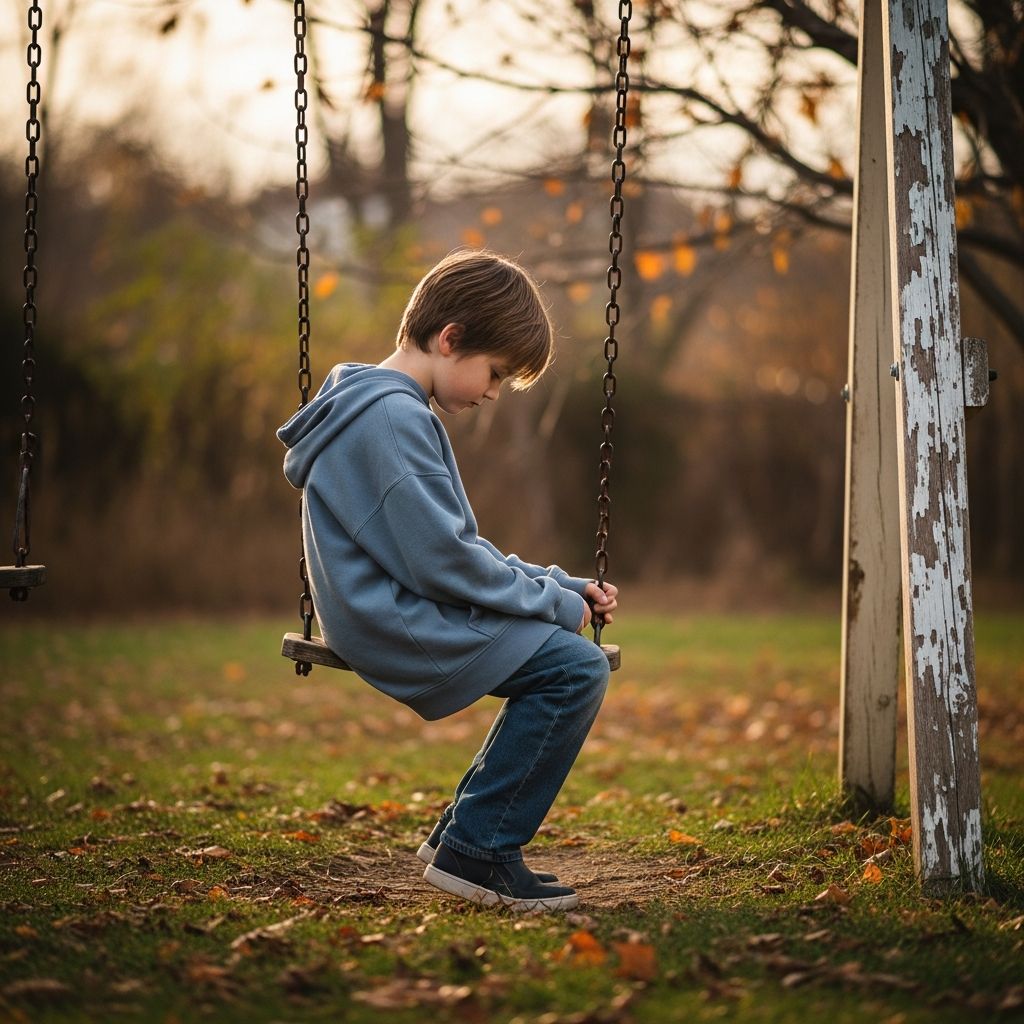
Children and teenagers can experience clinical depression, not just occasional sadness or moodiness. Recognizing the difference and getting timely help can protect their health, relationships, and future.
What Depression Means in Children and Teens
Depression is a medical mood disorder that affects how a young person feels, thinks, and functions for weeks or months at a time, not just a passing bad day. It can interfere with school, friendships, family life, sleep, and appetite.
Key features of depressive disorders in children and adolescents include:
- Persistent low mood, irritability, or emptiness
- Loss of interest or pleasure in activities they used to enjoy
- Changes in energy, sleep, and appetite
- Negative thoughts about themselves, the future, or life
Depression is not a character flaw, a sign of laziness, or something a child can simply “snap out of.” It is linked to changes in brain chemistry, genetics, and life experiences.
Common Signs: What Parents Often Notice First
Symptoms of depression can look different in children than in adults. Some kids seem sad and withdrawn, while others are mostly irritable or easily angered.
Emotional and Thinking Changes
- Persistent sadness, tearfulness, or frequent crying
- Unusual irritability, anger, or frequent outbursts over small things
- Expressing hopelessness or feeling that nothing will ever get better
- Frequent guilt, shame, or feeling like a burden
- Difficulty concentrating, making decisions, or remembering things
- Negative comments such as “I’m useless,” “Nobody likes me,” or “What’s the point?”
Behavior and Daily Life Changes
- Losing interest in friends, sports, hobbies, or online activities they previously enjoyed
- Withdrawing from family time and wanting to be alone most of the time
- Declining school performance or reluctance to go to school
- Changes in appetite or weight (eating much more or much less)
- Sleeping too little or too much, or difficulty falling or staying asleep
- Slowed movements or speech, or restlessness and fidgeting
Physical and Risk-Related Signs
- Frequent headaches, stomachaches, or other physical complaints without a clear cause
- Low energy and fatigue, even without major activity
- Talking about death or wishing they were not alive
- Self-harm behaviors (such as cutting) or risk-taking
- In older teens, increased use of alcohol or other substances
Any talk about wanting to die, self-harm, or suicide should always be taken seriously and treated as an emergency.
Why a Child Might Become Depressed
There is usually no single cause of depression. Most children develop depression through a combination of biological, psychological, and social factors.
| Type of Factor | Examples That May Increase Risk |
|---|---|
| Biological | Family history of depression or other mental health conditions; differences in brain chemistry and stress-response systems; some chronic illnesses. |
| Psychological | Tendency to be self-critical, anxious, or perfectionistic; difficulty regulating emotions; low self-esteem. |
| Social / Environmental | Bullying, social exclusion, academic pressure, conflict at home, parental separation, abuse or neglect, grief and loss, poverty, or unstable housing. |
Some children also have other conditions such as ADHD, autism spectrum disorder, learning disabilities, or chronic medical problems, which can increase their vulnerability to depression.
Sadness vs. Clinical Depression: How to Tell the Difference
Feeling down is part of normal life. Clinical depression is different in intensity, duration, and impact.
| Normal Ups and Downs | Possible Depression |
|---|---|
| Sad or upset for a few hours or days after a stressful event | Low mood or irritability most of the day, nearly every day, for at least two weeks |
| Still able to enjoy some favorite activities and connect with others | Loss of interest or pleasure in almost all activities |
| Temporary changes in sleep or appetite that quickly return to normal | Ongoing sleep or appetite changes affecting energy and health |
| Occasional worries or self-doubt | Frequent hopeless, guilty, or worthless thoughts |
| Can usually manage school and relationships | Significant problems at school, with friends, or at home |
If several signs of possible depression last for more than two weeks and are disrupting your child’s life, it is time to seek a professional evaluation.
Getting a Diagnosis: What to Expect
A proper diagnosis comes from a qualified health professional, such as:
- Your child’s pediatrician or family doctor
- A child and adolescent psychiatrist
- A clinical psychologist or licensed mental health professional trained to work with youth
The evaluation usually includes:
- A detailed conversation with you and your child about mood, behavior, sleep, appetite, school, and relationships
- Screening questionnaires or checklists for depression and other conditions
- A physical exam and, if needed, basic tests to rule out medical causes such as anemia or thyroid problems
- Questions about family history, stressful events, and strengths and supports
Based on this information, the clinician may diagnose a depressive disorder, another condition, or a combination of both, and will recommend next steps.
Treatment Options That Work
Most children and teens with depression improve with a combination of psychotherapy, family support, and sometimes medication.
Psychotherapy (Talk Therapy)
Evidence-based therapies for childhood and adolescent depression include:
- Cognitive-behavioral therapy (CBT) – Helps children identify unhelpful thoughts, learn coping and problem-solving skills, and gradually rebuild enjoyable activities.
- Interpersonal psychotherapy for adolescents (IPT-A) – Focuses on relationships, communication, and coping with role changes or conflicts linked to depression.
- Family-focused therapies – Improve communication, reduce conflict, and strengthen support within the family system.
- Parent–child interaction approaches for young children – For preschoolers, therapies that coach parents in supportive, emotion-focused interactions can reduce depressive symptoms.
Psychotherapy is typically the first-line treatment for mild depression and an essential component of care at all severity levels.
Medication for Depression
For moderate to severe depression, or when therapy alone has not helped enough, a doctor may recommend antidepressant medication in combination with psychotherapy.
- Selective serotonin reuptake inhibitors (SSRIs), such as fluoxetine, citalopram, or sertraline, are commonly used in children and adolescents.
- Medication choices are tailored to the child’s age, symptoms, medical history, and response to treatment.
- All antidepressants require close monitoring for side effects and changes in mood or behavior, especially early in treatment.
Parents should have a clear discussion with the prescriber about potential benefits, risks, and how progress will be monitored over time.
How Parents and Caregivers Can Help Every Day
Professional treatment works best when paired with a stable, supportive home environment. Small, consistent actions from caregivers can make a major difference.
Build Connection and Emotional Safety
- Spend regular one-on-one time with your child without distractions.
- Listen more than you speak; validate their feelings even if you do not fully understand them.
- Avoid dismissive comments like “You’ll be fine” or “Others have it worse.”
- Let them know depression is treatable and they are not alone.
Support Healthy Routines
- Keep a predictable schedule for sleep, meals, and school days.
- Encourage physical activity and outdoor time, which can help mood.
- Limit late-night screen use that interferes with sleep.
- Help them re-engage with low-pressure activities they used to enjoy.
Coordinate With School and Other Supports
- Share relevant information with teachers or school counselors, with your child’s consent when appropriate.
- Ask about academic adjustments if depression is affecting concentration or attendance.
- Connect with community or online support groups for parents of children with mental health concerns.
When Depression Becomes an Emergency
Seek immediate help if your child or teen:
- Talks about wanting to die or having no reason to live
- Looks for ways to harm themselves or others
- Engages in self-harm or severely risky behavior
- Suddenly becomes extremely agitated, reckless, or withdrawn
In these situations, contact emergency services, your local crisis line, or a national suicide prevention service right away. Many countries also offer text or chat helplines for youth and families.
Looking Ahead: Recovery and Long-Term Outlook
With appropriate treatment and support, most children and teens recover from depression and can return to healthy development, school success, and strong relationships.
- Some will have a single episode; others may experience depression again in the future.
- Regular follow-up with health professionals helps catch early warning signs of relapse.
- Building skills in emotional regulation, problem-solving, and communication provides lasting protection against future episodes.
As a parent or caregiver, you are not expected to solve depression on your own. Your most important roles are to notice changes, seek professional help, and offer steady, compassionate support along the way.
Frequently Asked Questions (FAQs)
How young can a child be and still have depression?
Even preschool-age children can meet criteria for clinical depression, though identifying it at very young ages requires specialized assessment. Research shows that targeted, play- and relationship-based therapies can reduce depressive symptoms in young children.
Isn’t my teen just being moody?
Typical teen mood swings come and go and do not usually stop them from enjoying friends, interests, and school. If low mood, irritability, or withdrawal last for weeks and interfere with daily life, it is more likely to be depression than ordinary moodiness.
Can talking about depression or suicide put ideas in my child’s head?
Evidence does not support the idea that asking about suicidal thoughts causes suicide. In fact, open, calm conversations about mental health can relieve shame, encourage honesty, and make it more likely that a young person will accept help.
How long does treatment for childhood depression usually last?
Many children and teens begin to feel better within several weeks of starting therapy and/or medication, but treatment often continues for at least several months after symptoms improve to reduce relapse risk. The exact duration depends on severity, history of past episodes, and how well the child responds to treatment.
What if my child refuses to go to therapy?
Resistance is common, especially if a child feels ashamed or fears being judged. You can help by normalizing therapy as a form of support, offering choices (such as therapist gender or in-person vs. telehealth), and attending some sessions together at first. Involving a trusted doctor or school counselor can also help encourage participation.
References
- Treatment for depression in young children — National Institutes of Health (NIH). 2018-06-25. https://www.nih.gov/news-events/nih-research-matters/treatment-depression-young-children
- Depression Treatments for Children and Adolescents — American Psychological Association. 2019-10-01. https://www.apa.org/depression-guideline/children-and-adolescents
- Depression in children – causes, signs and how to help — Healthdirect Australia. 2023-05-10. https://www.healthdirect.gov.au/depression-in-children
- Treatment of Childhood and Adolescent Depression — American Academy of Family Physicians (AAFP). 2012-09-01. https://www.aafp.org/pubs/afp/issues/2012/0901/p442.html
- Depression in children and young people — National Health Service (NHS). 2022-11-14. https://www.nhs.uk/mental-health/children-and-young-adults/advice-for-parents/children-depressed-signs/
- Home — Resources for Families — Substance Abuse and Mental Health Services Administration (SAMHSA). 2024-01-15. https://www.samhsa.gov
- Depression (major depressive disorder) — Mayo Clinic. 2023-05-23. https://www.mayoclinic.org/diseases-conditions/depression/symptoms-causes/syc-20356007