Understanding Toddler Social Anxiety
Many toddlers experience fear or anxiety when encountering other children, especially in unfamiliar environments. This is a normal part of development and often stems from a combination of temperament, genetics, and limited exposure to peers. Toddlers who are naturally sensitive or have parents with anxiety tendencies may be more prone to social anxiety. Recognizing that this is a common phase can help parents approach the situation with patience and empathy.
Why Toddlers Fear Other Children
- Genetic predisposition: Some children inherit a more sensitive temperament, making them more likely to feel anxious in new social situations.
- Learned behavior: Children often mirror the emotional responses of their caregivers, so anxious parents may unintentionally pass on their worries.
- Limited exposure: Toddlers who spend most of their time with adults or alone may feel overwhelmed when surrounded by peers.
- Stranger anxiety: As toddlers develop strong attachments to familiar adults, they may react with fear or distress to unfamiliar children.
Signs of Social Anxiety in Toddlers
Parents may notice several behaviors that indicate their toddler is anxious around other children:
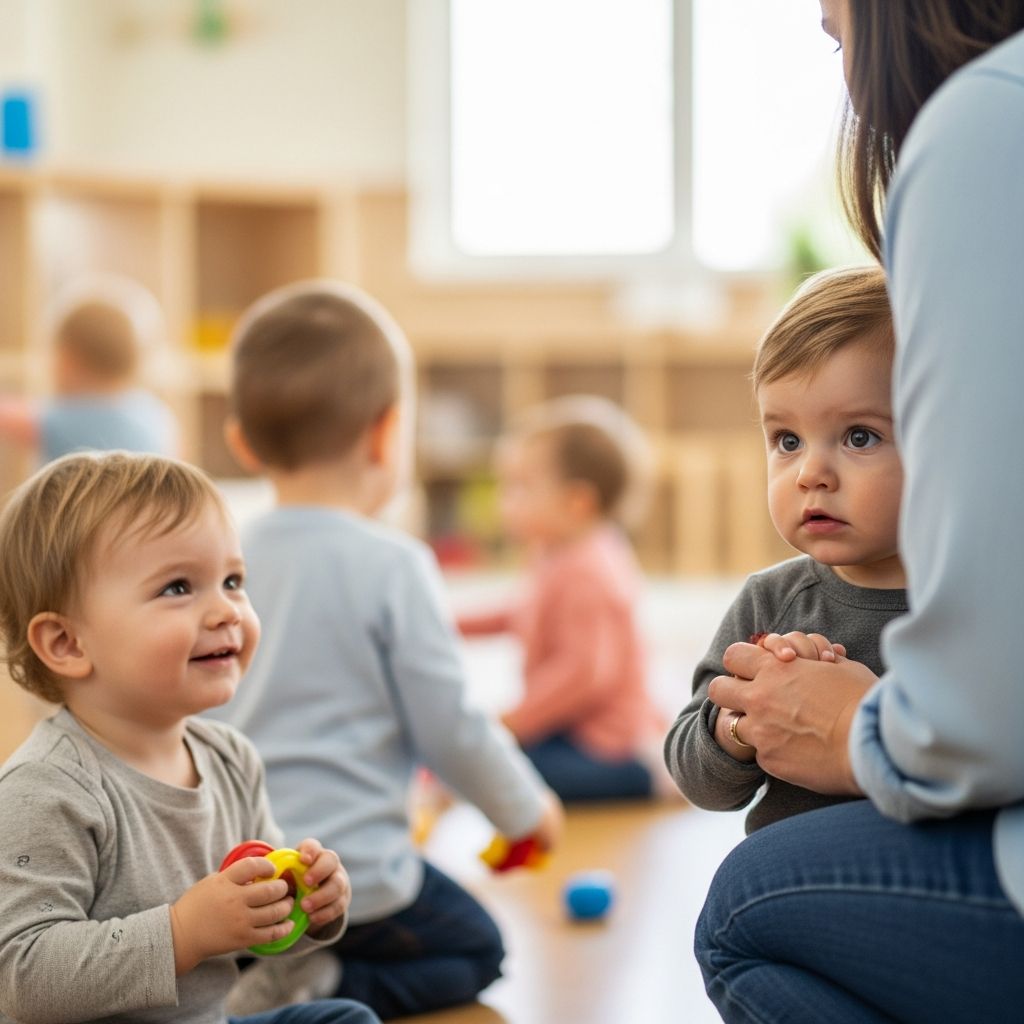
- Clinging to a parent or caregiver in group settings.
- Crying, tantrums, or freezing when approached by peers.
- Avoiding eye contact or refusing to speak in group situations.
- Withdrawing from play or activities involving other children.
Supportive Strategies for Parents
Helping toddlers overcome social anxiety requires a gentle, consistent approach. Here are several evidence-based strategies:
- Gradual exposure: Introduce your toddler to other children in small, controlled settings, such as playdates at home or quiet playground visits.
- Consistent routines: Regularly meeting the same group of children can help your toddler feel more secure and familiar with their peers.
- Positive modeling: Demonstrate calm and friendly interactions with other adults and children to show your toddler that socializing is safe and enjoyable.
- Reassurance: Let your toddler know it’s okay to feel scared and that you will be there to support them.
- Reading books: Share stories about friendship and social interactions to help your toddler understand and anticipate positive experiences with peers.
Building Confidence Through Play
Play is a powerful tool for helping toddlers develop social skills and confidence:
- Encourage pretend play at home with toys or stuffed animals to practice social scenarios.
- Join your toddler in group activities, but allow them to observe at first before joining in.
- Use games like hide-and-seek to help your toddler practice separation and reconnection in a fun, low-pressure way.
When to Seek Professional Help
Most toddlers outgrow social anxiety with time and support. However, consider consulting a child psychologist or pediatrician if:
- Anxiety severely limits your child’s daily activities or development.
- Signs of anxiety persist beyond age 3 or worsen over time.
- Your child shows signs of distress that interfere with family life or relationships.
FAQs About Toddler Social Anxiety
- Is it normal for toddlers to be afraid of other children?
- Yes, it is common for toddlers to feel anxious around unfamiliar peers, especially if they have limited exposure to other children.
- How can I help my toddler feel more comfortable around other kids?
- Gradual exposure, consistent routines, positive modeling, and reassurance are effective strategies.
- Should I force my toddler to interact with other children?
- No, forcing interaction can increase anxiety. Instead, allow your toddler to observe and participate at their own pace.
- When should I be concerned about my toddler’s social anxiety?
- Seek professional help if anxiety is severe, persistent, or interferes with daily life.
Summary Table: Toddler Social Anxiety Support
| Strategy | How It Helps |
|---|---|
| Gradual exposure | Builds familiarity and reduces fear |
| Consistent routines | Creates a sense of security |
| Positive modeling | Teaches safe social behaviors |
| Reassurance | Reduces anxiety and builds trust |
| Reading books | Prepares for social experiences |
Supporting toddlers through social anxiety is a journey that requires patience, understanding, and consistent encouragement. With the right strategies, most children learn to manage their fears and develop healthy social skills.