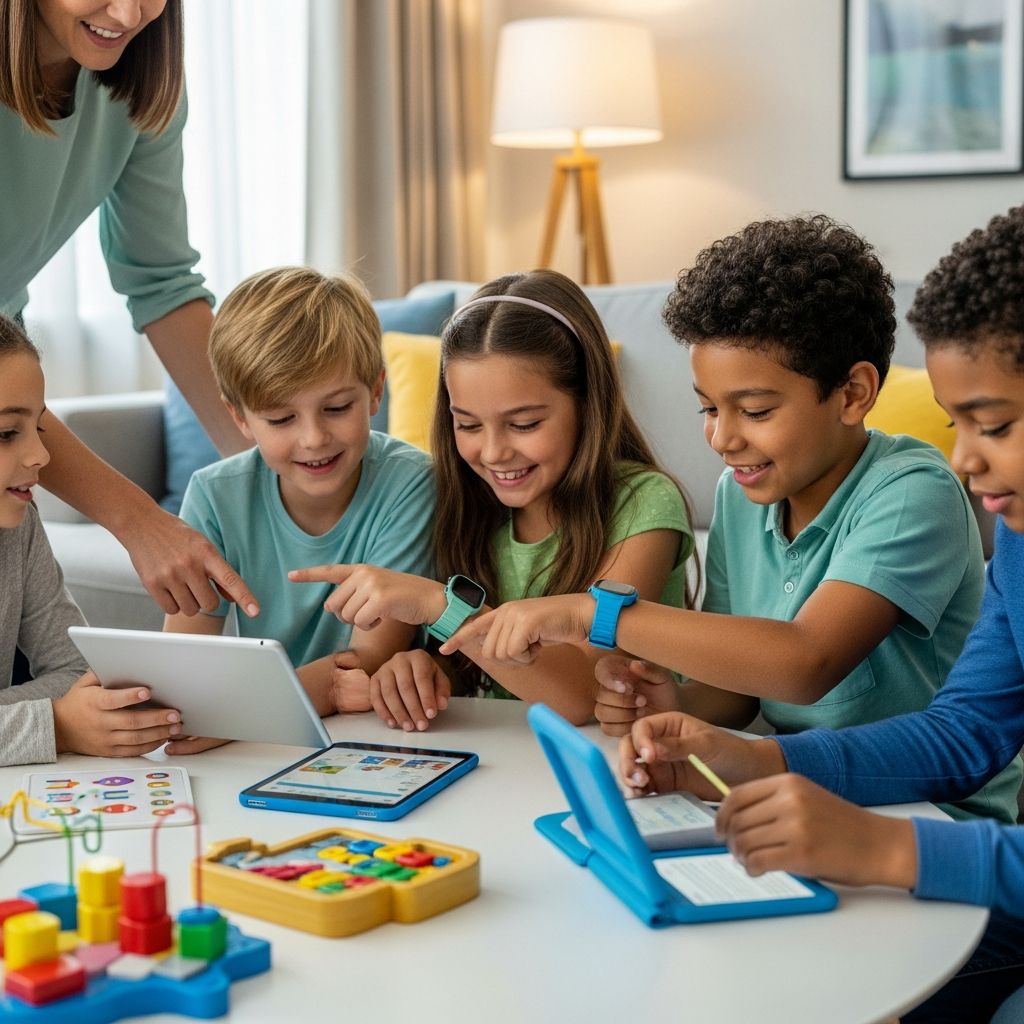
Play is not just a break from real life for children; it is the language through which they build trust, process emotions, and learn how the world works. When a caring adult joins that world of play with presence and warmth, the entire atmosphere in the home can shift from power struggles to partnership.
Why Playing With Your Child Matters More Than You Think
From the outside, play can look like random noise, mess, and silliness, yet beneath the surface an enormous amount of emotional and brain development is taking place. Your attention and willingness to enter that world tell your child, “You matter, your ideas are important, and I enjoy being with you.”
Children who regularly experience this kind of playful connection often find it easier to cooperate, recover from upsets, and talk openly with their parents about what is going on in their lives. Play becomes less about entertainment and more about relationship building.
How Shared Play Shapes Your Child’s Development
When you get down on the floor, chase in the yard, or act out a silly story, you are quietly supporting nearly every area of your child’s growth. Play is the laboratory where social skills, emotional understanding, and problem solving are tested again and again in a safe way.
The table below highlights just a few of the ways that playful time with you supports healthy development.
| Area of development | What your child practices through play | How your presence helps |
|---|---|---|
| Emotional skills | Noticing feelings, calming down, tolerating frustration, bouncing back from disappointment. | You model regulation, name emotions, and offer comfort so big feelings feel less overwhelming. |
| Social skills | Taking turns, sharing, reading cues, handling conflict, practicing empathy. | You gently guide fairness, show how to repair after mistakes, and protect everyone’s dignity. |
| Cognitive growth | Planning, memory, flexible thinking, creativity, problem solving. | You ask curious questions, follow their ideas, and stretch their thinking without taking over. |
| Language | New words, storytelling, conversation, asking and answering questions. | You describe actions, reflect feelings, and invite your child to explain what is happening. |
| Physical skills | Balance, coordination, strength, body awareness, risk assessment. | You provide a safe space, set clear boundaries, and encourage effort rather than perfection. |
The Hidden Relationship Power of Play
Most parents want more connection and less conflict, but busy schedules and constant demands can pull everyone apart. Short bursts of genuine, undistracted play operate like deposits in the relationship “bank account,” building goodwill that makes daily life smoother.
When children feel seen and enjoyed, they become more flexible and resilient. They are also more likely to accept limits, follow directions, and come to you when something feels hard or confusing, because they trust that you are on their side.
Principles of Emotionally Nourishing Play
Not all play feels equally connecting. The goal is not to dazzle your child with endless entertainment, but to create moments where they feel safe, powerful, and accepted. A few core principles can transform even simple games into emotionally rich experiences.
- Follow their lead: Let your child choose the activity whenever possible, and treat their ideas as the “director’s notes” for your time together.
- Offer warm attention: Put distractions aside for these minutes—devices away, eye contact on, and body language open and relaxed.
- Lean into silliness: Laughter is one of the fastest ways to melt tension, reduce power struggles, and help stored-up feelings surface safely.
- Welcome big feelings: Tears or frustration during play are not failures; they show that your child feels safe enough to express what has been held inside.
- Keep safety and respect non-negotiable: Roughhousing and wild games are wonderful when balanced with clear, calm boundaries that protect everyone.
Designing One-on-One “Connection Play” Time
You do not need hours or complicated setups to make a difference. Even ten to fifteen minutes of focused, one-on-one play on most days can gradually shift the emotional climate in your home. Think of this as scheduled time where connection is the only goal.
Consider these simple steps for a regular ritual:
- Choose a predictable time that mostly works—after school, before bedtime, or after dinner.
- Tell your child this is “special time” or whatever name fits your family, and that they get to choose the activity within clear safety limits.
- Set a visible timer so everyone knows when it starts and ends, and commit to being fully present until it rings.
- Allow your child to be “in charge” of the play narrative while you participate enthusiastically.
- End with a brief, warm closing such as a hug, a short reflection, or gratitude for their ideas.
Playful Ways to Ease Everyday Power Struggles
Play is not only something you schedule; it can also be woven into everyday tasks that typically cause friction. When you replace nagging with lighthearted playfulness, resistance often softens and cooperation rises.
Here are examples of how a playful twist can transform common situations:
- Getting dressed: Pretend the clothes are super-sticky and keep jumping back on you by mistake, or act like a confused robot who needs instructions to put things in the right place.
- Toothbrushing: Let the toothbrush “talk” in a silly voice about all the sugar bugs it needs to chase away, or have a pretend inspection team that looks for sparkling teeth.
- Clean-up time: Turn it into a race against a goofy countdown, sort items by color or category, or pretend each toy needs a “bedtime” in its special home.
- Getting in the car: Play a game where the floor is lava and the only safe spot is the car seat, or pretend you are a gentle tow truck pulling a sleepy vehicle (your child) to the car.
- Bedtime: Use playful routines like “catching” giggles before they escape, tucking in stuffed animals, or telling short, child-requested stories as they settle.
Using Play to Help With Big Feelings
Children often struggle to explain what is bothering them, especially when they feel ashamed, frightened, or overwhelmed. Through pretend scenarios, role reversals, and symbolic games, they can work through events that felt out of control in a safer, more manageable way.
In emotionally focused play, it is common for the child to cast themselves as the powerful character and the adult as the one who is clumsy, weak, or easily defeated. This harmless role reversal can release tension, restore a sense of inner strength, and help heal small hurts from daily life.
Gentle Roughhousing and Physical Play
Physical games like wrestling, chasing, piggyback rides, and pillow battles can be intensely connecting when done with sensitivity. They offer an outlet for energy, a way to test strength and boundaries, and a chance for laughter that comes from the whole body.
To keep physical play safe and bonding rather than scary or overwhelming, anchor it with a few simple guidelines:
- Agree on clear rules before you begin, such as “no hits to the face,” “pause if someone says stop,” and “grown-up stays in control of safety.”
- Watch your child’s face and body language so you can slow down or stop if the intensity shifts from playful to distressed.
- End the game while it is still fun, and offer a snuggle, drink of water, or calm activity as a gentle landing.
Common Obstacles (and How to Move Through Them)
Many caring adults struggle to play freely at first. Long days, stress, and a lack of playful experiences growing up can make it feel awkward or draining. That discomfort does not mean you are failing; it simply shows that you are practicing a new skill.
If you feel blocked, consider these small adjustments:
- Start tiny: Commit to five focused minutes instead of waiting for a long stretch of time that may never arrive.
- Use simple props: Paper, pillows, boxes, and blankets can become anything in a child’s imagination; no special toys are required.
- Borrow their imagination: If you feel stuck, say, “I’m not sure what to do next—what happens now?” and let your child lead.
- Respect your own limits: It is fine to avoid games that truly grate on your nerves; instead, offer two or three playful options that you can enjoy as well.
- Notice the subtle shifts: Track small improvements in mood, cooperation, or closeness over weeks rather than looking for instant transformation.
Quick Ideas by Age and Stage
Every child is unique, but certain types of play tend to resonate at different developmental stages. Rather than a strict rulebook, use these ideas as a menu to inspire your time together.
For toddlers and young preschoolers
- Simple peekaboo variations, chase games, and gentle tickle rituals.
- Stacking, knocking down, pouring, and hiding games with everyday objects.
- Pretend feeding of dolls, stuffed animals, or even the grown-up “giant.”
For older preschoolers and early elementary children
- Dress-up, role play as helpers, explorers, or superheroes.
- Co-created stories where each person adds a line or a twist.
- Obstacle courses, treasure hunts, or simple board and card games.
For later elementary and beyond
- Strategy games, collaborative video games with limits, or building projects.
- Sports, bike rides, dance sessions, or shared creative hobbies like drawing or music.
- Inside jokes, word games, or cooperative challenges that protect their growing sense of independence.
FAQs About Playing With Your Child
How much time do I really need to spend playing?
There is no perfect number that fits every family, but consistency matters more than quantity. Short, predictable periods of undivided attention have a bigger impact than occasional long stretches that leave you exhausted and irritable.
What if my child only wants to play the same game over and over?
Repetition is one way children feel safe and in control, especially when they are processing something big. You can gently introduce small variations or new characters, but there is also value in letting them replay the familiar script until they are ready to move on.
Can play replace discipline?
Play is not a substitute for clear, calm limits; rather, it makes those limits easier to accept. When children feel connected and respected, they are more likely to cooperate, but parents still provide structure, safety, and guidance.
What if I genuinely do not enjoy play?
Enjoying every game is not a requirement for being a loving, effective parent. Focus on finding a few types of play that feel tolerable—or even fun—for you, communicate your limits honestly, and remember that your warm presence matters more than your performance.
Is screen-based play together as helpful as offline play?
Shared screen time can offer moments of connection when used thoughtfully, especially if you talk about what you see and treat it as a joint activity rather than separate distraction. However, offline play usually offers richer opportunities for movement, imagination, and emotional expression, so aim for a healthy balance.
Making Play a Sustainable Part of Family Life
Parent-child play does not need to be perfect, constant, or Instagram-ready to be powerful. What matters most is the ongoing message that your child is worth your time, curiosity, and delight, even in small, imperfect doses.
By weaving playfulness into ordinary routines and reserving a little predictable space for one-on-one connection, you create a home where feelings are welcome, cooperation is more natural, and both you and your child can feel more like teammates than opponents.