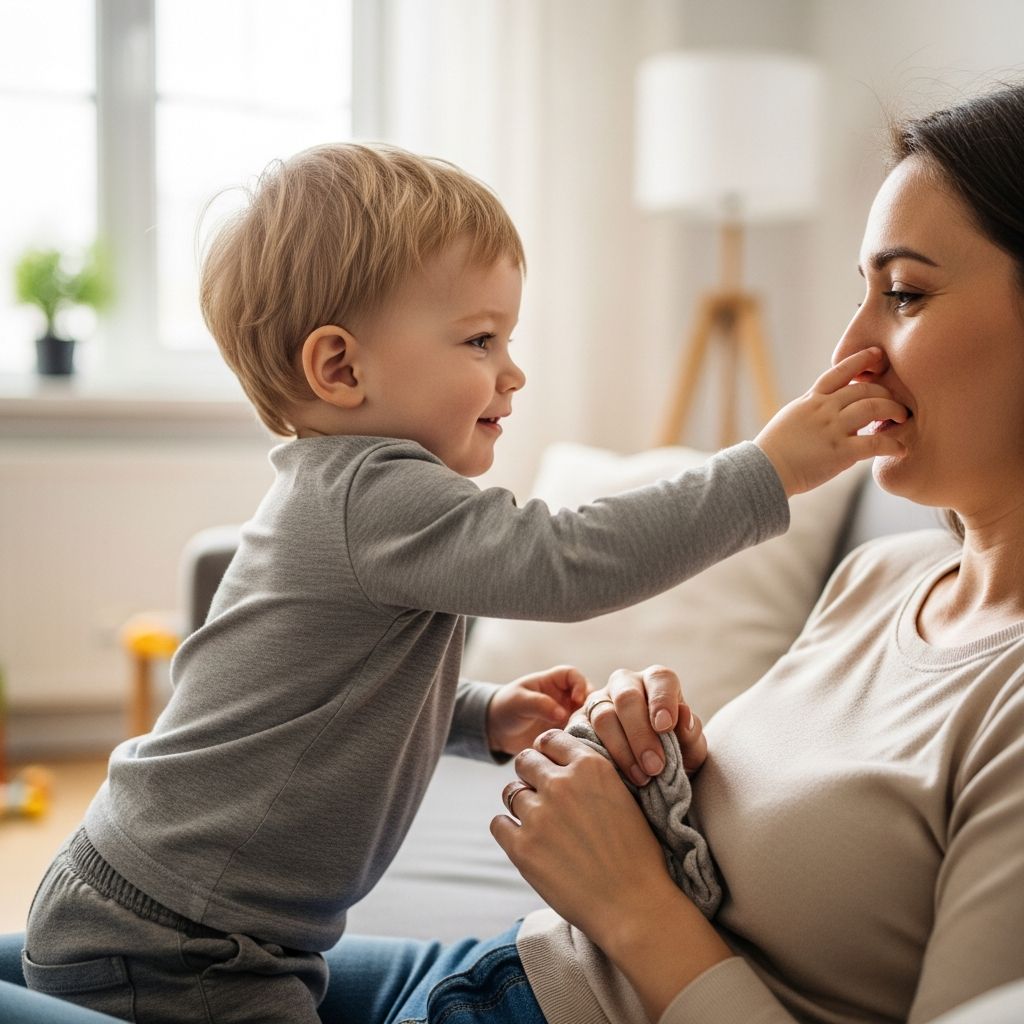
The Reality of Toddler Proximity: Understanding the Developmental Phase
Parents of toddlers often find themselves navigating a peculiar challenge: their young children seem incapable of recognizing or respecting personal space. Whether it’s constant lap-sitting, unsolicited hugs, hair-pulling, or the simple inability to stand within arm’s reach without making contact, toddlers operate in a fundamentally different spatial reality than adults expect. This phenomenon isn’t a sign of poor parenting or behavioral problems—rather, it reflects the developmental stage toddlers occupy and their biological drive for connection and security.
The apparent disregard for personal boundaries during the toddler years stems from how young children perceive their relationship to the world around them. At this developmental stage, toddlers are not simply being deliberately disruptive; they are operating from a place of genuine need and limited understanding of spatial awareness. Understanding this distinction helps parents approach the situation with compassion while still working toward more appropriate behaviors.
Why Toddlers Struggle With Spatial Awareness and Boundaries
Toddlers’ difficulty respecting personal space connects directly to their developmental stage and neurological capabilities. The executive functioning skills required to monitor body position, calculate distance, and inhibit the impulse to move closer are still developing during the toddler years. These higher-order thinking skills don’t fully mature until children are significantly older, making it unrealistic to expect consistent personal space respect from a two or three-year-old.
Beyond neurological development, toddlers are fundamentally driven by attachment needs. During infancy and toddlerhood, proximity to caregivers signals safety and security. Toddlers haven’t yet developed the cognitive ability to understand that physical distance doesn’t diminish emotional closeness or parental availability. From their perspective, being near loved ones—as near as possible—represents their most basic need.
Additionally, toddlers are in a phase of intense curiosity about their environment and the people within it. They explore through touch, and physical contact serves as a primary means of gathering information about the world. What appears to adults as boundary-violation is often, for toddlers, an expression of wonder and engagement.
The Connection Between Personal Space and Emotional Security
The constant physical closeness toddlers seek should not be pathologized but rather understood through an emotional lens. This clingy phase, while sometimes overwhelming for parents, actually reflects healthy attachment development. Research in child development emphasizes that secure attachment during early childhood contributes significantly to long-term emotional well-being, resilience, and the ability to form healthy relationships later in life.
When toddlers ignore personal space boundaries, they are communicating needs rather than defying rules. A toddler who bounces on a parent’s lap, pulls their hair, or refuses to sit separately is signaling a need for connection, regulation, or comfort. Recognizing these behaviors as communication rather than misbehavior shifts how parents respond and creates opportunities for meeting underlying needs.
This phase is temporary. The intense need for physical proximity that characterizes toddlerhood gradually transforms as children develop greater emotional regulation capabilities and cognitive understanding. The same child who currently refuses to play independently will eventually grow into someone who values personal space and develops their own boundaries.
Common Scenarios Where Personal Space Disappears
Toddlers disregard personal space in predictable contexts that reveal their developmental needs:
- During transitions: Moving from one activity to another often triggers increased clinginess and closer physical proximity as toddlers seek reassurance during change.
- In unfamiliar environments: New settings increase toddlers’ need for their primary attachment figure, often resulting in more demanding physical proximity.
- When tired or overwhelmed: Fatigue and sensory overload amplify toddlers’ need for physical comfort and proximity to caregivers.
- During separation: Even brief separations, like dropping off at childcare, highlight toddlers’ difficulty maintaining a sense of security when physically apart from attachment figures.
- When seeking attention or engagement: Rather than calling from across a room, toddlers typically approach closely and make physical contact to initiate interaction.
Parental Boundaries Within the Context of Toddler Development
While understanding and honoring toddlers’ developmental needs is important, parents also have legitimate personal boundaries that deserve respect. A parent who feels uncomfortable with constant physical demands, breast-grabbing, hair-pulling, or intrusive lap-sitting is experiencing a valid boundary violation. The challenge lies in honoring both the toddler’s need for connection and the parent’s need for bodily autonomy and comfort.
Effective boundary-setting with toddlers differs fundamentally from boundary-setting with older children. Because toddlers lack the cognitive and emotional regulation skills needed to respect boundaries through logical explanation alone, parents must combine verbal communication with physical alternatives and consistent redirection.
When a parent feels their own personal space invaded, the response should remain calm and matter-of-fact. Rather than shame or frustration, a simple statement like “My lap isn’t available right now, but you can sit next to me” provides clear information while offering connection on modified terms. This approach teaches toddlers that boundaries exist while maintaining the secure relationship they need.
Strategies for Supporting Boundary Development
While respecting toddlers’ developmental stage, parents can still guide movement toward greater awareness and respect for spatial boundaries. These strategies work gradually and require consistent reinforcement rather than expecting immediate mastery.
- Model personal space awareness: When you physically maintain distance from others, narrate what you’re doing: “I’m standing here so there’s space between us.” Children learn extensively through observation of how adults navigate their own boundaries.
- Use concrete visual markers: Colored tape on the floor, cushions arranged in a circle, or marked boundaries on the carpet create physical reminders of personal space concepts, especially helpful in group settings.
- Teach through play: Games involving movement—following spatial instructions, dancing with designated personal space, or pretend play exploring closeness and distance—make boundary concepts more accessible to concrete thinkers.
- Practice with role-play: Using stuffed animals to demonstrate respectful distance and appropriate proximity helps toddlers visualize abstract concepts in concrete ways.
- Recognize non-verbal communication: Teaching toddlers to notice when someone steps back, looks uncomfortable, or turns away helps them develop empathy and boundary-awareness even before they can implement these concepts consistently.
Replacement Behaviors and Alternative Connection
Rather than simply telling toddlers not to invade personal space, offering alternative ways to meet connection needs proves more effective. These replacement behaviors still satisfy the toddler’s need for proximity and engagement while working within appropriate boundaries.
If a toddler constantly climbs on a parent during work time, establishing a designated “connection time” before work begins can satisfy the need for closeness upfront. If a toddler demands frequent holding, practicing carrying on the hip only during specific times while suggesting sitting close by during other periods redirects rather than eliminates the need.
When toddlers grab hair or pull at clothing while being held, offering a fidget toy, a textured blanket, or their own hair to play with channels the sensory-seeking behavior toward appropriate outlets. These alternatives acknowledge the underlying need while establishing boundaries about what body parts are available for exploration.
The Temporary Nature of the Toddler Phase
One of the most valuable perspectives parents can hold during this phase is the knowledge that it will change. The toddler who currently won’t tolerate any physical distance from their parent will eventually develop independence, autonomy, and their own sense of personal space. The constant demands for proximity, while sometimes exhausting, represent a limited window of time.
This realization doesn’t mean parents must abandon their own needs or accept violations of their boundaries. Rather, it suggests holding both truths simultaneously: this phase is developmentally appropriate and temporary, and parental comfort and boundaries matter too. Finding the balance between honoring toddler needs and maintaining parental well-being creates a healthier family dynamic than complete self-sacrifice or rigid boundary enforcement.
Building Foundation for Future Boundary Respect
Every interaction during the toddler years contributes to children’s developing understanding of relationships, boundaries, and respect. While toddlers cannot consistently respect personal space through cognitive understanding alone, the foundation for future respect is built through these early experiences.
When parents model consistent, calm boundary-setting without shame or anger, they teach children that boundaries are normal, necessary, and expressed with kindness. When parents validate toddlers’ connection needs while still maintaining their own boundaries, they demonstrate that healthy relationships involve honoring everyone’s needs, not just one person’s.
Over time, as executive functioning develops and toddlers grow into preschoolers and elementary-aged children, they become capable of genuine personal space respect. The work done during the toddler years—the gentle redirections, the patient explanations, the modeling of boundaries—becomes the foundation for this growth.
Frequently Asked Questions
Q: At what age do children typically begin respecting personal space consistently?
A: While children gradually develop awareness of personal space during the preschool years, consistent respect for boundaries typically develops around ages five to seven, when executive functioning and theory of mind are more mature. Even then, reminders and reinforcement remain necessary during stressful situations or transitions.
Q: Is there something wrong with my toddler if they constantly invade personal space?
A: Constant invasion of personal space is developmentally normal for toddlers and does not indicate a problem. Some toddlers demonstrate this behavior more intensely than others due to temperament, attachment style, or sensory needs, but it is not a sign of behavioral disorders or poor parenting.
Q: How should I respond when my toddler invades my personal space in uncomfortable ways?
A: Respond calmly and clearly: “I need space right now. You can sit next to me instead.” Offer an alternative way to connect. Avoid anger or shame, as these create confusion rather than learning. Consistency in your response helps toddlers gradually develop awareness, though perfect compliance shouldn’t be expected.
Q: Should I force my toddler to accept hugs or physical affection from relatives?
A: No. Teaching toddlers that their “no” to physical contact is respected, even from family members, builds consent awareness and bodily autonomy. Allow relatives to offer connection in alternative ways—high-fives, hand-holding, or sitting near without forced contact—while respecting your toddler’s boundaries about their own body.
Q: Will my toddler ever develop appropriate personal space boundaries?
A: Yes. As cognitive development progresses, particularly during the preschool and early school years, children gradually develop the ability to recognize and respect personal space. Consistent modeling and gentle guidance during the toddler years support this natural developmental progression.
References
- Teaching Kids About Personal Space — Counselor Chelsey. Accessed April 2, 2026. https://www.counselorchelsey.com/blog/teachingpersonalspace
- Teaching Kids About Personal Space — Janet Lansbury. August 2023. https://www.janetlansbury.com/2023/08/teaching-kids-about-personal-space/
- Viral video shows mom’s toddler ignoring all personal space — Motherly. Accessed April 2, 2026. https://www.mother.ly/news/toddler-ignores-moms-personal-space/
- Mini Manners – Space Bubbles & Boundaries — Educational Videos for Kids. Accessed April 2, 2026. https://www.youtube.com/watch?v=7Wx8jgeh-o4