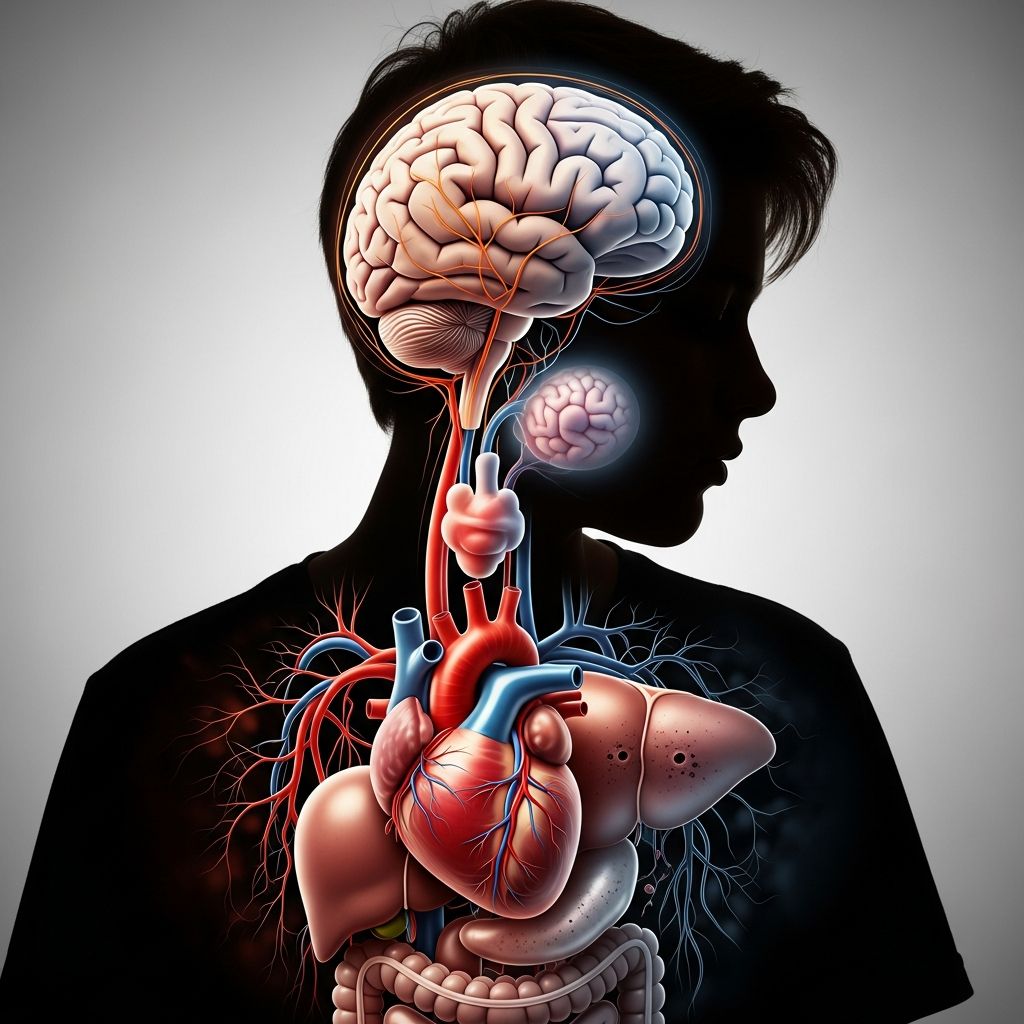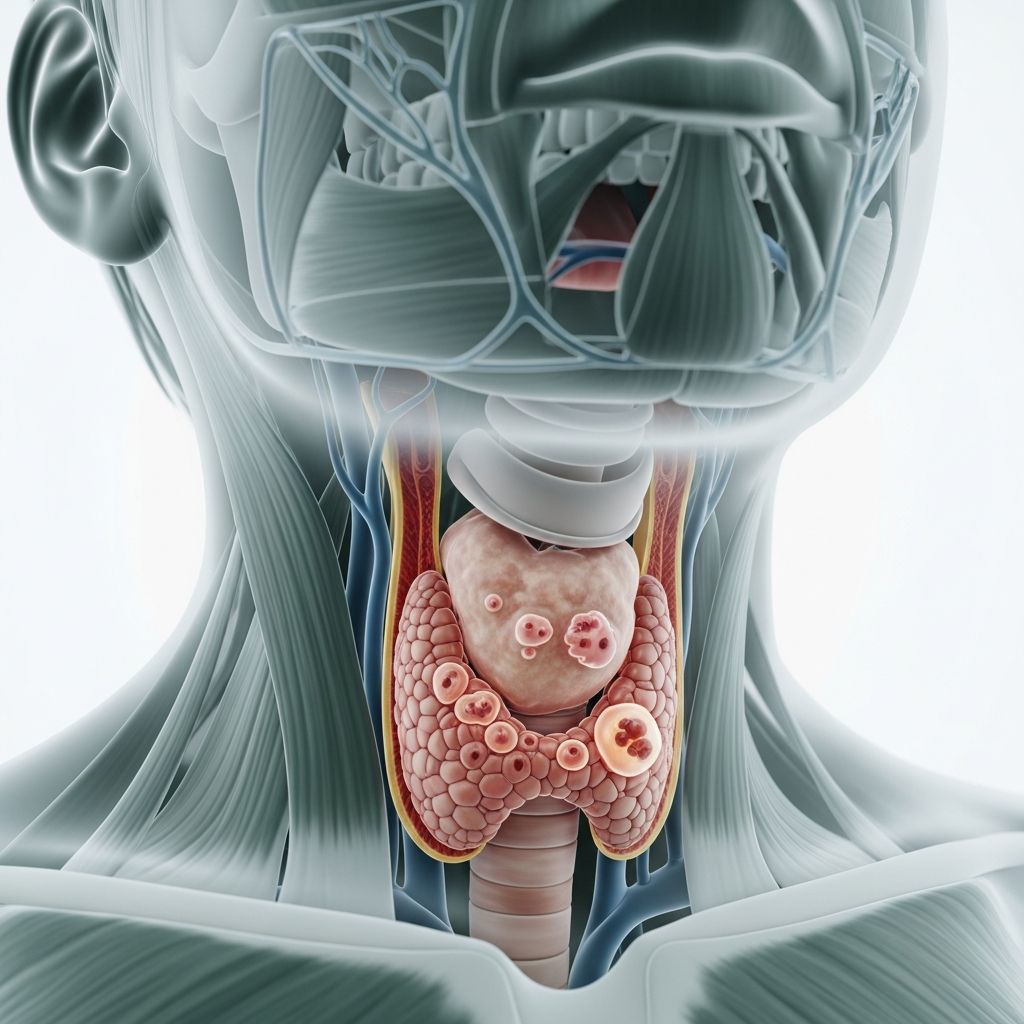
Neck swellings in children can be worrying for any parent. One common reason for a visible or palpable lump at the front of the neck is a change in the thyroid gland, called a goiter or a thyroid nodule. This guide explains what those terms mean, what causes them in kids, how doctors evaluate them, and what treatments are available.
What Are the Thyroid, Goiters, and Nodules?
The thyroid is a small, butterfly-shaped gland that lies low in the front of the neck, just below the Adam’s apple. It makes thyroid hormones, which help control:
- How quickly the body uses energy (metabolism)
- Growth and brain development
- Body temperature and heart rate
- Normal bowel, muscle, and skin function
When the thyroid changes in size or develops lumps, doctors use specific names:
- Goiter: An overall enlargement of the thyroid gland. The entire gland may look bigger or feel full.
- Thyroid nodule: A distinct lump or bump within the thyroid that feels separate from the rest of the gland. There can be one nodule or many.
| Feature | Goiter | Thyroid Nodule |
|---|---|---|
| What it is | Diffuse or generalized thyroid enlargement | One or more focal lumps within the gland |
| How it feels | Neck feels broadly thickened or full | Discrete, more localized lump can be felt |
| Hormone levels | Can be normal, low, or high | Often normal, but may alter hormone output |
| Cancer risk | Most are benign (noncancerous) | Most are benign; small percentage are cancerous |
Types of Goiters in Children
Doctors often group childhood goiters into two broad types based on when they appear:
Goiters Present at Birth (Congenital Goiter)
A congenital goiter is present when a baby is born. The thyroid gland is enlarged from birth and may produce:
- Too little hormone (congenital hypothyroidism)
- Too much hormone (congenital hyperthyroidism)
- A normal amount of hormone
Because thyroid hormone is crucial for early brain growth, these babies are usually identified by newborn screening blood tests and evaluated quickly.
Goiters That Develop Later (Acquired Goiter)
An acquired goiter appears after birth, often in school-age children or teenagers. In many countries, the most common reason is an autoimmune thyroid condition, especially in girls. Common patterns include:
- Chronic autoimmune thyroiditis (Hashimoto disease) with or without low thyroid hormone levels
- Graves disease with excess thyroid hormone production
- Adolescent or colloid goiter, a temporary enlargement during puberty while hormone levels remain normal
Why Do Children Develop Goiters?
Many different processes can make the thyroid grow larger. In simple terms, the gland usually enlarges when it is:
- Being overstimulated to make more hormone
- Inflamed or injured
- Responding to hormone imbalances or immune system attack
Worldwide and Regional Causes
- Iodine deficiency is the leading cause of goiter globally, especially in areas where soil and water are low in iodine and foods are not iodized. Children who lack iodine cannot make enough thyroid hormone, and their thyroids grow in response.
- In countries where iodized salt is widely used (such as the United States), iodine deficiency is rare. In these settings, goiters more often result from autoimmune disease or other thyroid disorders.
Autoimmune Thyroid Diseases
In autoimmune thyroid disease, a child’s immune system mistakenly targets the thyroid.
- Hashimoto thyroiditis
- Immune cells attack thyroid tissue, causing gradual inflammation and enlargement.
- Over time, the gland may become underactive, leading to hypothyroidism.
- It is one of the most frequent reasons for goiter in school-age children in iodine-sufficient regions.
- Graves disease
- Antibodies stimulate the thyroid to produce too much hormone (hyperthyroidism).
- The gland swells and can cause symptoms such as rapid heartbeat, weight loss despite good appetite, and tremor.
- It is a leading cause of hyperthyroidism and goiter in adolescents, especially girls.
Other Triggers and Risk Factors
- Normal growth and puberty: The thyroid can temporarily enlarge during adolescence without changing hormone levels, then often shrinks again over time.
- Thyroid infections or inflammation: Viral or bacterial thyroiditis can cause a painful, enlarged thyroid that may resolve after the infection clears.
- Medications or environmental exposures: Certain drugs (such as lithium) and past radiation to the neck can increase the chance of developing goiter or nodules later in life.
- Family history: Thyroid enlargement and nodules can cluster in families, sometimes associated with inherited conditions.
Thyroid Nodules in Children
A thyroid nodule is a focal lump within the gland. Most nodules in children are not cancerous, but they are evaluated carefully because a small number can be malignant.
Possible Causes of Nodules
- Inflammatory pseudonodules: Inflammation from thyroiditis can make part of the gland swell in one area, creating a nodule-like bump.
- Benign growths: These can include fluid-filled cysts or solid overgrowths of thyroid tissue that do not spread elsewhere.
- Multinodular goiter: The thyroid contains multiple nodules rather than a single lump; children with this pattern may have no symptoms and the nodules may be found during a routine exam.
- Thyroid cancer: Uncommon in children, but an important cause to rule out. Childhood thyroid cancers are often treatable, especially when found early.
What Symptoms Might Parents Notice?
Some goiters and nodules cause no symptoms and are discovered by a pediatrician during a checkup. When signs are present, they can relate to neck size, hormone levels, or local pressure on nearby structures.
Neck-Related Signs
- A visible swelling or fullness at the front of the neck
- A lump that moves up and down when the child swallows
- A feeling of tightness, choking, or pressure in the throat
- Difficulty swallowing solid foods or large bites
- Breathing noise or shortness of breath when lying flat if the gland is very large
- Change in voice, such as new hoarseness
Symptoms of Too Little Thyroid Hormone (Hypothyroidism)
If an enlarged thyroid is underactive, children may develop:
- Fatigue and increased need for sleep
- Sensitivity to cold
- Slowed growth or delayed puberty
- Constipation
- Dry skin and coarse hair
- Difficulty concentrating or memory problems
Symptoms of Too Much Thyroid Hormone (Hyperthyroidism)
With Graves disease or other causes of hyperthyroidism, children can have:
- Fast heartbeat or heart pounding
- Weight loss or poor weight gain despite good appetite
- Heat intolerance and sweating
- Tremor or shakiness
- Hyperactivity, restlessness, and difficulty focusing
- Trouble falling asleep
- Frequent or loose bowel movements
How Doctors Evaluate Goiters and Nodules
If a child has a neck swelling or suspected thyroid problem, the pediatrician may refer the family to a pediatric endocrinologist (a hormone specialist). Evaluation typically includes the following steps.
1. Medical History and Physical Examination
- When the swelling was first noticed and whether it has changed
- Associated symptoms such as weight changes, fatigue, or rapid heartbeat
- Family history of thyroid disease or thyroid cancer
- Past radiation exposure or relevant medications
The doctor will gently feel the neck to assess the size and texture of the thyroid and to check for nodules and tenderness.
2. Blood Tests
Blood work is used to measure how well the thyroid is functioning and to look for autoimmune disease:
- TSH (thyroid-stimulating hormone): From the pituitary gland; high TSH suggests low thyroid function, and low TSH suggests overactivity.
- Free T4 and sometimes T3: Main thyroid hormones.
- Thyroid antibodies: Help diagnose Hashimoto thyroiditis or Graves disease when present.
3. Thyroid Ultrasound
An ultrasound uses sound waves to create images of the thyroid and neck. It helps the doctor:
- Measure gland size
- See whether the gland is evenly enlarged or nodular
- Describe each nodule (solid, cystic, mixed, blood flow patterns)
- Identify features that may raise concern for cancer
The test is painless and does not expose the child to radiation.
4. Fine-Needle Aspiration (FNA) Biopsy
If a nodule is large, growing, or has suspicious ultrasound features, the endocrinologist may recommend a fine-needle aspiration biopsy. A very thin needle is used to remove a small number of cells, which are examined under a microscope to look for cancer.
5. Other Tests in Selected Cases
- Radioiodine uptake scan (mostly in hyperthyroidism) to see how active the gland is
- CT or MRI imaging if the goiter extends into the chest or compresses the airway
Treatment Options for Goiters and Thyroid Nodules
The best treatment depends on the cause, the size of the goiter or nodule, hormone levels, and whether the child has symptoms.
When No Immediate Treatment Is Needed
Some children have a small, painless goiter with normal thyroid hormone levels and no concerning ultrasound findings. In these cases, doctors may recommend:
- Watchful waiting with regular exams and occasional blood tests
- Repeat ultrasound only if the gland or nodule grows or new symptoms develop
Medication-Based Treatments
- Thyroid hormone replacement
- Used when the gland is underactive (hypothyroidism), such as in Hashimoto thyroiditis or some congenital goiters.
- The medicine is usually levothyroxine, taken once daily.
- Helps normalize hormone levels and may gradually reduce goiter size.
- Antithyroid medications
- Used in hyperthyroidism due to Graves disease to slow hormone production.
- Can reduce symptoms like rapid heartbeat, tremor, and weight loss.
- Beta-blockers
- Sometimes prescribed briefly to control fast heart rate and tremor while other treatments take effect.
Radioactive Iodine and Surgery
- Radioactive iodine therapy
- Used more commonly in adults than in young children.
- In selected older children or teens with persistent hyperthyroidism, it may be used to shrink or disable the overactive thyroid.
- Thyroid surgery
- Recommended when there is a strong suspicion of thyroid cancer, a confirmed malignant nodule, or a very large goiter causing breathing or swallowing problems.
- May involve removing one lobe (lobectomy) or the entire thyroid (total thyroidectomy).
- Children who have their thyroid removed will need lifelong thyroid hormone replacement.
Living With a Thyroid Condition
Most children with goiters or thyroid nodules can lead active, healthy lives. With appropriate follow-up:
- Growth and puberty can proceed normally when hormone levels are well controlled.
- School performance often improves once hypothyroidism or hyperthyroidism is treated.
- Regular checkups help monitor for any change in size or function over time.
When Should Parents Call the Doctor?
Contact your child’s health care provider if you notice:
- A new lump or swelling in the front of the neck that lasts more than a few weeks
- Rapid growth of a known goiter or nodule
- Breathing difficulty, noisy breathing, or a feeling of choking
- Trouble swallowing, especially with solid foods
- Unexplained weight loss, rapid heartbeat, or tremor
- Persistent fatigue, slow growth, or increasing sensitivity to cold
In any situation where your child has severe trouble breathing or swallowing, seek emergency care right away.
Frequently Asked Questions (FAQs)
Are goiters in children always serious?
No. Many goiters are small and due to mild, treatable conditions such as autoimmune thyroiditis or normal growth changes. However, because some causes require prompt treatment, any persistent neck swelling should be evaluated by a health professional.
Can a child with a goiter have normal thyroid hormone levels?
Yes. Some children have an enlarged gland but normal hormone levels, especially during puberty or in early autoimmune disease. Doctors still monitor these children because thyroid function can change over time.
Do thyroid nodules in kids usually mean cancer?
Most pediatric thyroid nodules are benign, but the chance of cancer is higher in children than in adults, so nodules are assessed carefully with ultrasound and sometimes biopsy.
Will my child need thyroid medicine forever?
It depends on the cause. Children with permanent hypothyroidism or who have had their thyroid removed will need lifelong hormone replacement. In other conditions, such as some forms of Graves disease, medicine may eventually be reduced or stopped under specialist guidance.
Can diet prevent goiters?
In many parts of the world, using iodized salt and eating foods that naturally contain iodine (such as dairy products, eggs, and seafood) helps prevent iodine deficiency goiter. Diet alone, however, cannot prevent goiters caused by autoimmune disease or genetic factors.
References
- Goiter — Cleveland Clinic. 2024-01-10. https://my.clevelandclinic.org/health/diseases/12625-goiter
- Congenital Goiter — Merck Manual Consumer Version. 2023-05-01. https://www.merckmanuals.com/home/children-s-health-issues/hormonal-disorders-in-children/congenital-goiter
- Goiter — Pediatric Endocrine Society. 2022-09-15. https://pedsendo.org/patient-resource/goiter/
- Goiter — Yale Medicine. 2021-11-05. https://www.yalemedicine.org/conditions/goiter
- Goiter: Symptoms & Causes — Mayo Clinic. 2022-03-01. https://www.mayoclinic.org/diseases-conditions/goiter/symptoms-causes/syc-20351829
- Pediatric Hyperthyroidism — Children’s Hospital Colorado. 2023-02-20. https://www.childrenscolorado.org/conditions-and-advice/conditions-and-symptoms/conditions/pediatric-hyperthyroidism/
- Pediatric Multinodular Goiter (MNG) — Children’s Health. 2021-08-12. https://www.childrens.com/specialties-services/conditions/multinodular-goiter