Toddlers between 1 and 3 years old exhibit a wide array of behaviors that can puzzle parents. These actions often signal rapid brain development, where 80% of neural connections form by age 3, driving exploration, independence, and emotional expression. Understanding these cues helps parents respond effectively, promoting healthy milestones in social, emotional, cognitive, and physical domains.
Physical Milestones and Active Exploration
During the toddler stage (12 months to 3 years), children transition from unsteady steps to confident running, reflecting gross motor skill advancements. By 18 months, most can walk independently, climb stairs with help, and run briefly. This physical surge fuels behaviors like constant motion or throwing objects, which are experiments in cause-and-effect and strength testing.
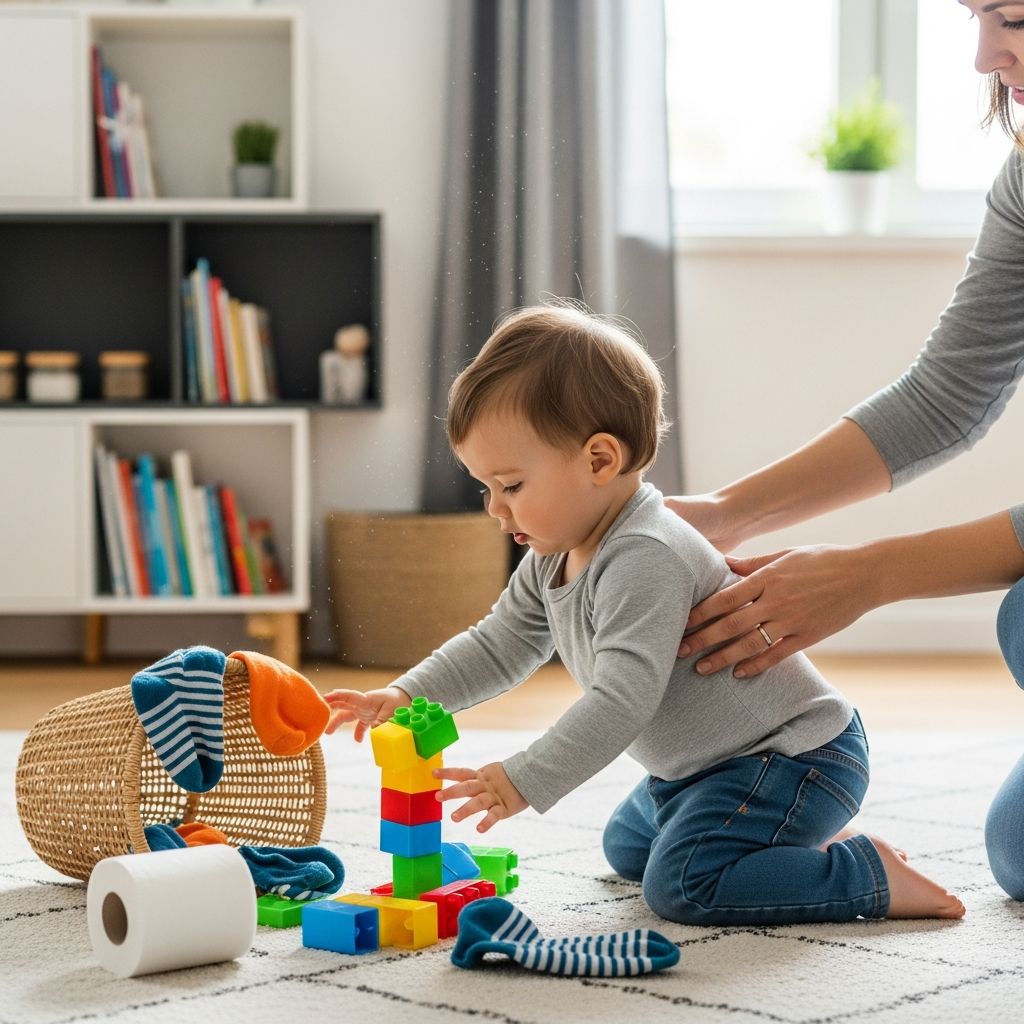
Fine motor skills also emerge: by 2 years, toddlers scribble, stack blocks, and pour from containers. Such actions mean they’re building hand-eye coordination essential for later tasks like writing. If a child repeatedly drops food or toys, it’s not defiance but practice in grasping and releasing.
- By 12-18 months: Stands alone, walks with support, uses fingers to self-feed.
- By 2 years: Runs, kicks balls, stands on tiptoe.
- By 3 years: Jumps, pedals tricycles, uses utensils proficiently.
Encourage safe play spaces to channel this energy, reducing frustration from restricted movement.
Language Emergence and Communication Signals
Toddlers’ speech evolves from single words at 12 months to 2-4 word sentences by 2 years, alongside gestures like pointing. Behaviors like grunting, repeating words, or frustration when misunderstood stem from a vocabulary explosion—understanding far outpaces expression.
Pointing to objects or naming body parts shows cognitive linking of words to reality. If ignored, toddlers may escalate to screams, signaling a need for patient modeling of language. By 3 years, they engage in simple conversations, using concepts like ‘mine’ or ‘big/small’.
| Age | Language Milestones | Common Behaviors |
|---|---|---|
| 12-18 months | Says several words, follows simple instructions | Gestures, points to named objects |
| 2 years | 2-4 word sentences, names familiar items | Repeats overheard words, imitates speech |
| 3 years | Simple conversations, understands opposites | Asks questions, tells short stories |
Respond by narrating actions: ‘You’re stacking blocks high!’ to boost vocabulary.
Emotional Waves: Tantrums and Big Feelings
Tantrums peak around 2 years as toddlers grapple with intense emotions they can’t verbalize, common in 80% of children this age due to underdeveloped prefrontal cortex. Crying, flailing, or breath-holding indicate frustration from unmet needs or limits, not manipulation.
Separation anxiety resurges mid-toddlerhood, fading with secure attachments—clinging means seeking reassurance amid growing independence. Defiant ‘no’s test boundaries, a sign of self-awareness.
- Recognizes own emotions by 2 years, mimics others’ feelings.
- Shows wide range: joy, anger, empathy by 3 years.
- Common triggers: hunger, tiredness, overstimulation.
Stay calm, validate feelings (‘I see you’re mad’), and distract—strategies that teach regulation.
Social Dynamics: From Solo to Sharing
Toddlers shift from parallel play to group interactions by 3 years, imitating adults and peers. Behaviors like grabbing toys signal emerging possessiveness (‘mine!’), a milestone in object permanence and self-concept.
Hitting or biting, peaking at 18-24 months, often results from impulse overload rather than malice—limited impulse control means actions precede thought. By 3, they comfort upset peers, showing empathy growth.
Parallel play (side-by-side without interaction) at 2 years evolves to cooperative by 3, fostering negotiation skills.
Cognitive Sparks: Problem-Solving and Imagination
Cognitive leaps include sorting shapes/colors by 2 years, make-believe by 3. Hiding toys under covers and finding them demonstrates memory. Pretend play (feeding dolls) builds empathy and sequencing.
Repetitive actions like dumping containers teach gravity and volume. Problem-solving via trial-and-error (e.g., fitting shapes) signifies abstract thinking onset.
- By 18 months: Finds hidden objects, points to pictures.
- By 2 years: Sorts basics, simple pretend.
- By 3 years: Counts, rhymes, time concepts.
Daily Routines: Independence in Action
Bids for autonomy appear in dressing, feeding, potty training—stubborn refusals mean ‘I want control’. By 2 years, most self-feed and undress partially; by 3, manage buttons.
Regression like bedwetting during changes (new sibling) is stress response, not failure. Consistent routines build security.
Warning Signs: When to Seek Help
Monitor for delays: no 15+ words by 18 months, no 2-word sentences by 2 years, persistent toe-walking. Social red flags: no eye contact, extreme aggression, no pretend play by 3. Consult pediatricians early—CDC recommends screening.
| Domain | Potential Concerns (by Age) |
|---|---|
| Motor | No walking by 18 months, no running by 3 |
| Language | <15 words at 18m, no sentences at 2y |
| Social | No imitation, no peer interest by 3y |
Parenting Strategies for Thriving Toddlers
Positive reinforcement trumps punishment: praise efforts to build self-esteem. Set clear, consistent limits with choices (‘red cup or blue?’). Model calm responses. Ensure 11-14 hours sleep, balanced nutrition for brain health.
Play-based learning: read daily, provide blocks/puzzles. Screen time under 1 hour/day for 2-5 year-olds.
Frequently Asked Questions (FAQs)
Why does my toddler hit or bite others?
This stems from poor impulse control and communication gaps; teach alternatives like ‘use words’ and redirect.
How can I handle frequent tantrums?
Identify triggers, stay composed, offer hugs post-tantrum to model regulation.
Is possessiveness normal?
Yes, ‘mine’ phase shows self-identity; gently introduce sharing via turn-taking games.
What if my toddler regresses in skills?
Common during transitions; reassure consistency, consult doctor if persistent.
How much independence should I allow?
Encourage safe autonomy in routines to foster confidence without risks.
References
- The 5 Stages Of Child Development — Illinois Cares for Kids. 2023. https://www.illinoiscaresforkids.org/blog/the-5-stages-of-child-development
- Developmental Milestones – From Age 2 to Age 4 — Atlanta Children’s Clinic. 2023. https://www.atlchildrens.com/developmental-milestones—from-age-2-to-age-4
- Development and Milestones for Toddlers (1 – 3 Years) — Michigan.gov MI Kids Matter. 2024-01-16. https://www.michigan.gov/mikidsmatter/parents/toddler/milestones
- Toddler development at 2-3 years — Raising Children Network (Australian Govt-funded). 2025. https://raisingchildren.net.au/toddlers/development/development-tracker-1-3-years/2-3-years
- Toddler Milestones — Cleveland Clinic. 2024. https://my.clevelandclinic.org/health/articles/22625-toddler-developmental-milestones–safety
- CDC’s Developmental Milestones — Centers for Disease Control and Prevention (CDC). 2025-09-17. https://www.cdc.gov/act-early/milestones/index.html