Creating Meaningful Outdoor Experiences for Young Learners
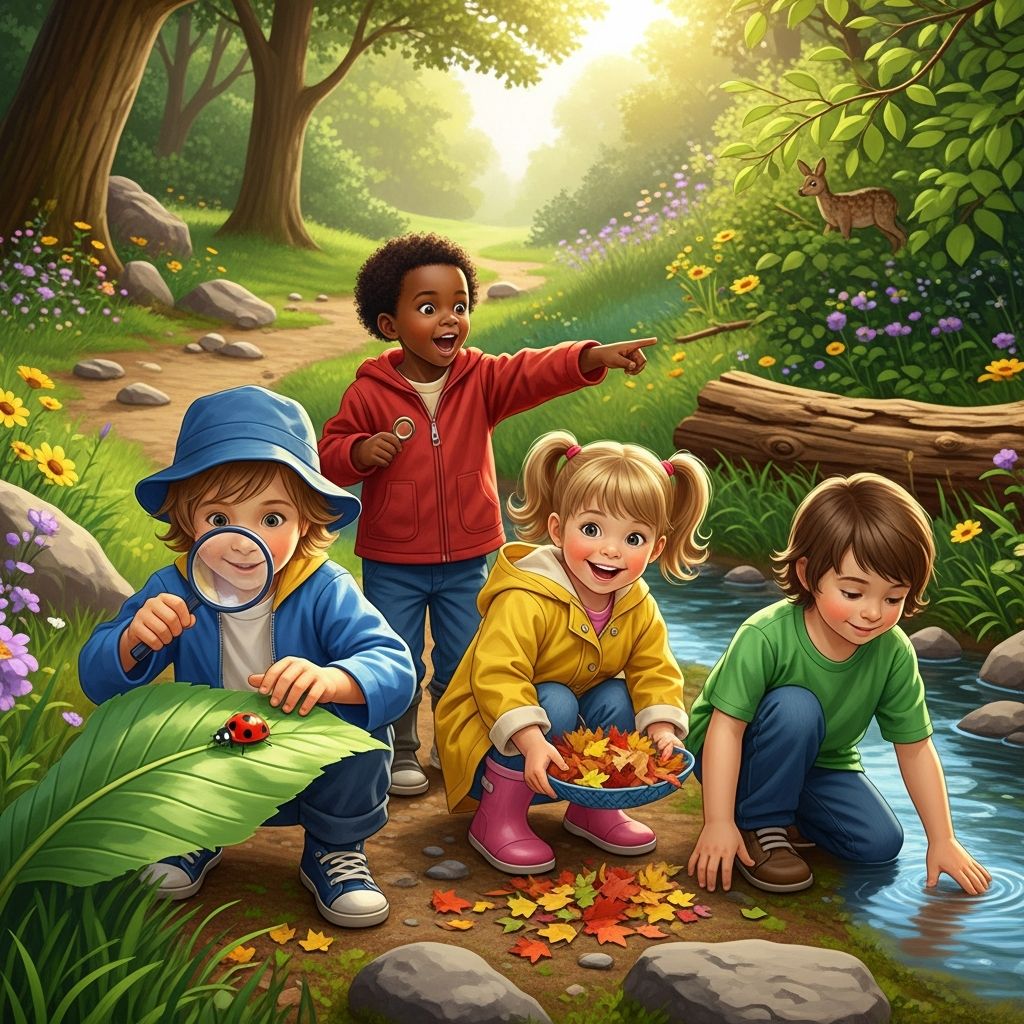
Outdoor play serves as one of the most effective tools for childhood development, offering benefits that extend far beyond simple entertainment. When children engage with natural environments, they develop crucial cognitive, physical, and emotional skills while satisfying their innate curiosity about the world around them. The beauty of outdoor activities lies in their simplicity—many require no special equipment, minimal preparation, and can be adapted to various age groups and outdoor settings. Whether you have access to a spacious backyard, a local park, or a nature preserve, countless opportunities exist to create memorable learning experiences that will foster a lifelong appreciation for the natural world.
Understanding the Foundation of Nature-Based Play
Young children learn best through direct experience and hands-on exploration. When they encounter nature firsthand—touching different textures, observing wildlife, and discovering new environments—they engage multiple senses simultaneously. This multisensory engagement creates stronger neural pathways and deeper learning compared to passive observation or indoor instruction. Nature-based activities also provide excellent opportunities for developing language skills, as children learn new vocabulary while describing their discoveries. Additionally, unstructured outdoor play supports emotional regulation and reduces stress in both children and caregivers, making it an invaluable investment in family well-being.
The Appeal of Search-and-Discovery Activities
Among the most engaging outdoor pursuits for young children are activities centered on finding, collecting, and observing natural objects. These activities transform ordinary outdoor spaces into exciting exploration zones where every stick, leaf, and rock becomes worthy of investigation. The thrill of discovery—whether finding a specific item or stumbling upon something unexpected—creates genuine excitement and motivation that keeps children engaged and entertained for extended periods. Such activities naturally encourage problem-solving skills, as children learn to think strategically about where items might be located and how to conduct their searches systematically.
Guided Exploration Through Structured Hunts
One of the most versatile approaches to outdoor discovery involves creating lists of items for children to locate. This simple yet powerful method can be customized to match your child’s age, interests, and the current season. Rather than focusing on specific species or objects, consider creating lists based on sensory characteristics:
- Items with different textures (something smooth, rough, bumpy, or soft)
- Objects of varying colors and shades found in nature
- Materials with different weights and sizes
- Things that create interesting sounds when touched or moved
- Objects that smell distinctive or unusual
This sensory-focused approach helps children develop descriptive language while deepening their awareness of natural variations. They learn that nature is endlessly diverse, and that careful observation reveals details they might otherwise overlook. As your child matures, you can gradually increase the complexity of the hunt by requesting specific quantities (finding two pinecones, three different colored leaves, or five smooth stones) or by introducing identification challenges where children must find items based on descriptions rather than direct naming.
Developing Observational Skills Through Guided Walking
Sometimes the most valuable outdoor experience involves simply moving through a natural space while maintaining an attitude of curiosity and attention. Unlike structured hunts with predetermined goals, guided nature walks allow children to set their own pace and direct their own investigation. This freedom is crucial for developing genuine interest in the natural world rather than simply completing tasks. During these walks, your role as a caregiver involves strategic pointing-out of interesting features while allowing your child to lead the expedition.
To enhance the experience, bring along simple tools that extend observation capabilities. A small notebook encourages sketching and note-taking, developing fine motor skills while creating a personal record of discoveries. A field guide appropriate for your region helps identify plants, insects, and animals, building knowledge and confidence. A magnifying glass transforms ordinary observations into extraordinary close-up explorations, revealing details invisible to the naked eye.
Engaging the Five Senses in Outdoor Settings
Natural environments provide unparalleled opportunities for sensory stimulation and development. Rather than relying solely on visual observation, encourage your child to engage all five senses during outdoor exploration:
| Sense | Natural Exploration Activities | Learning Benefits |
|---|---|---|
| Touch | Feeling different tree bark textures, grass, soil, leaves, and stones | Develops tactile discrimination and vocabulary for describing texture |
| Hearing | Listening for bird calls, wind sounds, rustling leaves, and insect noises | Enhances auditory discrimination and attention to environmental details |
| Sight | Observing color variations, animal movements, cloud shapes, and light patterns | Strengthens visual perception and descriptive abilities |
| Smell | Noticing scents from flowers, soil, bark, and seasonal variations | Develops olfactory awareness and memory association skills |
| Taste | Sampling safe, naturally occurring foods like berries (with adult verification) | Creates multisensory memories and teaches safe foraging awareness |
Activities that deliberately incorporate multiple senses create richer neural engagement than single-sensory experiences. For example, a barefoot walk across different surfaces—grass, sand, smooth stones, or soil—provides intense tactile feedback while simultaneously engaging visual and proprioceptive senses. Such experiences create lasting impressions and deeper understanding of environmental diversity.
Building Physical Competence Through Natural Obstacles
Natural environments offer organic opportunities for physical development that are often more engaging than playground equipment. Fallen logs provide balance-building challenges when traversed carefully. Hillsides invite rolling and sliding that develop body awareness and coordination. Low tree branches encourage climbing with calculated risk-taking in a natural setting. Standing stones and rocks create sorting and stacking challenges that combine physical manipulation with cognitive organization.
These activities build gross motor skills, spatial awareness, and physical confidence while offering genuine challenge and accomplishment. The key to safety involves thoughtful supervision—scanning areas for hazards before allowing exploration, providing encouragement while maintaining appropriate proximity, and gradually increasing difficulty as your child develops competence and confidence.
Creating Meaningful Collections and Records
Encouraging children to collect natural materials creates opportunities for extended learning beyond the initial discovery. Once gathered, these materials can be sorted by various characteristics—size, color, shape, texture, or type. Sorting activities strengthen classification skills and logical thinking while providing tactile engagement with the collected items. Creating simple displays or arrangements helps children understand spatial relationships and aesthetic principles.
For older preschoolers, starting a nature journal provides a creative outlet for recording observations through drawing, writing, or pressed specimens. This practice develops fine motor skills, encourages careful observation, and creates a personal record of seasonal changes and discoveries. Over time, children develop deeper understanding of patterns, cycles, and environmental variations as they review their journals and notice changes across seasons.
Adapting Activities Across Different Environments
The versatility of nature-based activities means they can be enjoyed in diverse settings. A backyard offers convenience and familiarity, making it ideal for regular exploration and repeated visits to the same location where children notice seasonal and weather-related changes. Local parks provide greater diversity of plant and animal species while offering more expansive spaces for running and climbing. Nature preserves and forest trails immerse children in more complex ecosystems where they encounter greater variety of wildlife and vegetation.
Seasonal variations dramatically change the nature exploration experience. Spring offers emerging growth and animal activity. Summer provides abundance of flowers, insects, and berries. Fall showcases color changes and seed dispersal. Winter reveals animal tracks, bare tree structures, and frost-covered details. Returning to the same location across seasons helps children understand ecological patterns and develop awareness of natural cycles.
Incorporating Weather into Outdoor Learning
Rather than viewing weather as an obstacle to outdoor activity, consider it as an educational element itself. Observing cloud formations and shapes encourages imaginative thinking and visual interpretation. Watching how wind moves leaves and branches teaches about invisible forces. Noticing how different surfaces change when wet versus dry develops understanding of material properties. After rain, hunting for puddles, worms, and increased insect activity creates fresh exploration opportunities. Learning to engage comfortably with various weather conditions develops resilience and helps children understand that outdoor exploration occurs year-round.
Balancing Structure and Freedom
The most successful outdoor experiences often combine structured activities with unstructured exploration time. A guided hunt provides focus and purpose, helping children concentrate their exploration efforts. However, allowing time for meandering without predetermined goals honors children’s natural curiosity and often leads to unexpected discoveries. The spontaneous finding of an interesting insect, unusual rock formation, or unexpected animal encounter frequently creates more lasting excitement than completing a structured activity. Skilled caregivers recognize when to guide children toward a specific activity and when to step back and allow self-directed exploration to unfold.
Supporting Extended Engagement
Bringing simple supplies enhances extended outdoor engagement. A backpack containing snacks and water keeps children fueled during exploration. Small containers hold collected items without loose items being dropped. Binoculars extend viewing distance for bird watching or distant wildlife observation. A simple camera or smartphone allows children to document discoveries, creating a visual record of the experience. Wet wipes and hand sanitizer address practical hygiene needs while maintaining exploration time. Comfortable clothing appropriate for weather and terrain supports physical activity without restriction or distraction.
Fostering Long-Term Environmental Appreciation
Regular outdoor exploration during early childhood creates the foundation for lifelong environmental appreciation and stewardship. Children who frequently engage with natural spaces develop genuine connection to outdoor environments rather than viewing nature as entertainment. This intrinsic motivation to spend time outdoors often persists into adolescence and adulthood, supporting physical health, mental well-being, and environmental consciousness. By introducing young children to the joy of discovery, the wonder of natural detail, and the satisfaction of outdoor exploration, caregivers plant seeds for a relationship with nature that will enrich their entire lives.
Frequently Asked Questions
Q: What if my child is not interested in structured activities?
A: Allow your child to explore freely without specific goals. Unstructured time often leads to more authentic engagement and discovery. You can still point out interesting features while following your child’s lead about what to investigate.
Q: Are there safety concerns with nature exploration?
A: Supervision and preparation are key. Before exploration, scan the area for hazards like unstable structures or dangerous plants. Teach your child about safe versus unsafe touches and interactions. Know what poisonous plants or insects exist in your region.
Q: How can I keep my child engaged during walks?
A: Use games like I-Spy, hunt for specific colors or shapes, create scavenger lists, or play listening games. Bringing along a notebook for sketching or a magnifying glass for closer observation keeps hands and minds engaged.
Q: What age can children start nature exploration?
A: Even infants benefit from outdoor sensory exposure. Toddlers (18 months+) can begin simple exploration with supervision. Preschoolers (ages 3-5) can engage in more structured activities like guided hunts and nature walks.
Q: How do I handle my child collecting too many items?
A: Set boundaries beforehand about collection size or container limitations. Use collection time as a learning opportunity to discuss choices and preferences. Sorting and organizing collections provides extended learning beyond the initial gathering.
Q: Can these activities work in urban settings?
A: Absolutely. Urban parks, community gardens, and even sidewalk cracks with weeds offer exploration opportunities. Urban environments teach children that nature exists everywhere, even in developed areas.
References
- Ten Toddler-Friendly Nature Activities — Childhood by Nature. 2024. https://www.childhoodbynature.com/ten-toddler-friendly-nature-activities/
- 50 Fun and Educational Nature Activities for Preschoolers — ABCmouse. 2024. https://www.abcmouse.com/learn/activities/nature-activities-for-preschoolers/36201
- 50 Outdoor Activities to Keep Toddlers and Kids Busy — Learning with Kelsey. 2024. https://learningwithkelsey.com/blogs/news/outdoor-activities-to-keep-toddlers-and-kids-busy
- 13 Outdoor Learning Activities for Toddlers — Marley and Moose. 2024. https://blog.marleyandmoose.com/13-outdoor-learning-activities-for-toddlers/
- 30+ Nature Play Ideas for the Early Years — Treehouse Schoolhouse. 2024. https://treehouseschoolhouse.com/blog/preschool-nature-play-ideas
- 50 Easy Outdoor Activities For Kids To Do At Home — Our Days Outside. 2024. https://ourdaysoutside.com/50-easy-outdoor-activities-for-kids/