Starting at a new school can feel like stepping into an unfamiliar world for children, filled with excitement but also anxiety about leaving old friends and routines behind. Parents play a pivotal role in smoothing this transition by providing emotional support, practical preparation, and ongoing encouragement. This comprehensive guide offers actionable strategies to help your child build confidence, form new relationships, and settle into their educational journey successfully.
Understanding the Emotional Impact of School Changes
Children often experience a mix of emotions when switching schools, including nervousness about unknown teachers, peers, and daily structures. These feelings are normal and can manifest as reluctance to attend, sleep disturbances, or withdrawal. Recognizing these signs early allows parents to intervene effectively.
Maintaining open dialogues helps validate these emotions. Encourage your child to express fears without judgment, reassuring them that it’s okay to feel uncertain. Research shows that acknowledging emotions reduces anxiety levels, making adaptation easier.
- Common reactions: Shyness, stomachaches, or questions about fitting in.
- Parental response: Listen actively and normalize the experience by sharing your own stories of change.
Preparing Before the First Day
Proactive preparation builds familiarity and reduces surprises. Begin by researching the school together—review the website for layouts, schedules, and staff profiles. Arrange a pre-enrollment visit to walk the halls, locate classrooms, and meet key personnel.
Role-playing scenarios demystifies interactions. Practice introducing oneself to classmates or asking teachers for help. This boosts self-assurance and equips children with social tools.
| Preparation Step | Benefits | Action Items |
|---|---|---|
| School Tour | Familiarizes environment | Call ahead; drive bus route if applicable |
| Role-Play | Builds social skills | Simulate greetings, lunch lines |
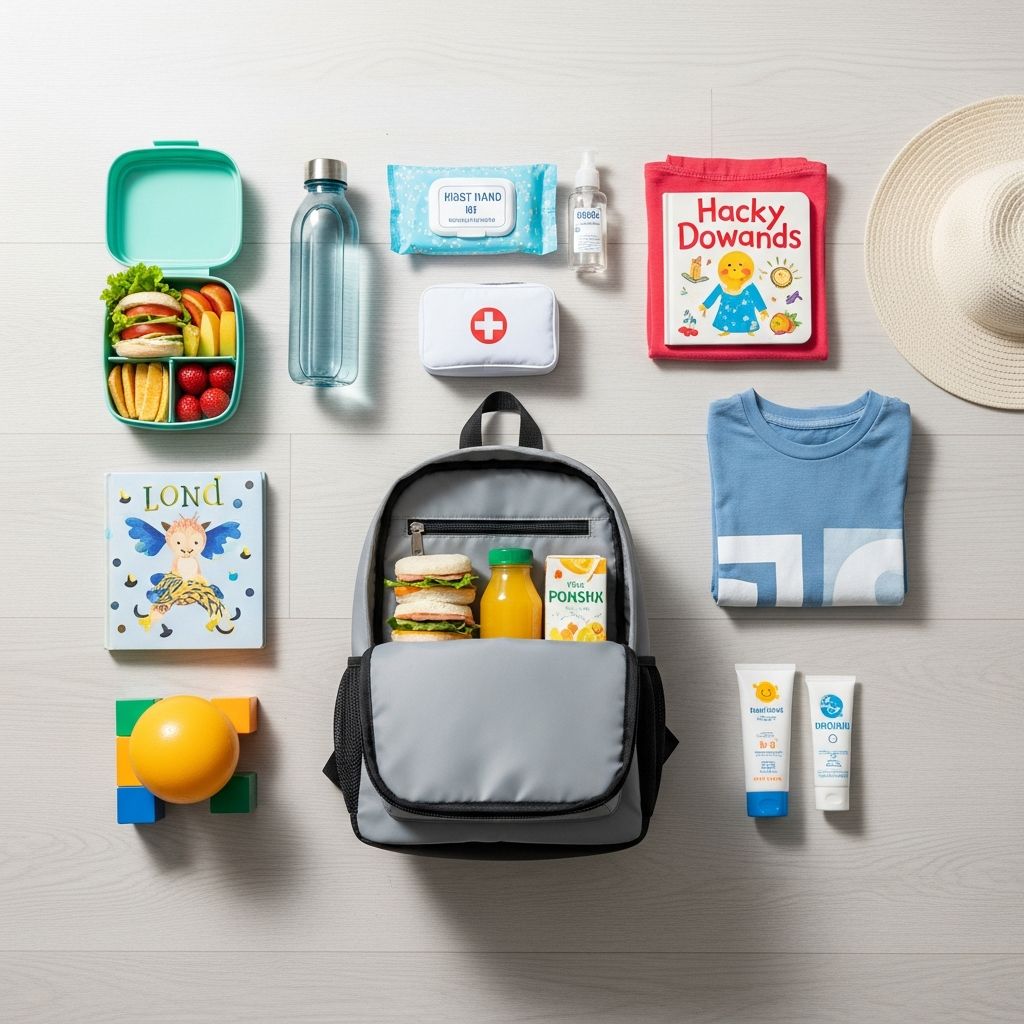
| Supply Selection | Increases ownership | Shop together for backpack, notebooks |
Involving children in choices, like picking electives or supplies, fosters a sense of control amid uncertainty.
Maintaining Familiar Routines for Stability
Amid new surroundings, consistency in home life anchors children. Replicate pre-school rituals: same wake-up time, breakfast favorites, and bedtime stories. These anchors remind kids that core aspects of their world remain unchanged.
For the initial days, consider driving them instead of bus riding to ease nerves, transitioning gradually. Pack comforting items like a favorite pencil or photo to evoke security.
- Wake-up: Consistent time with special first-day treat.
- After-school: Predictable snack and debrief chat.
- Bedtime: Relaxing routine to combat stress-induced insomnia.
Fostering Social Connections and Friendships
Building a social network is crucial for long-term adjustment. Encourage participation in pre-school activities like camps or sports teams where future classmates gather, facilitating early bonds.
Once school starts, prompt involvement in clubs, arts, or athletics aligned with interests. These settings naturally spark friendships through shared passions.
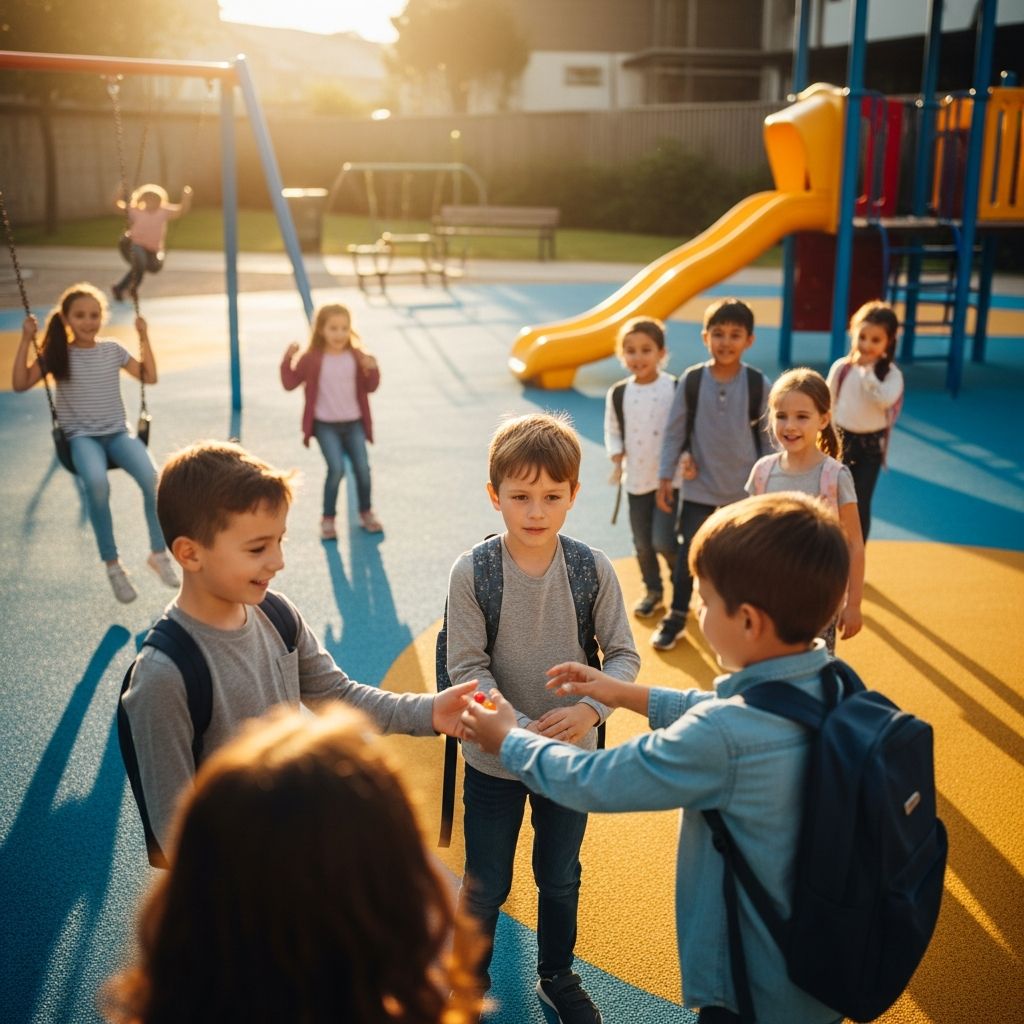
Parents can host playdates by connecting with other families at orientations. Teach friendship skills: smiling, listening actively, asking questions, and offering help.
Quick Friendship Builders
- Smile and make eye contact.
- Ask about others’ interests.
- Join group activities promptly.
- Be a good listener and compliment genuinely.
Strengthening the Teacher-Parent-Child Bond
A positive teacher relationship provides security. Facilitate introductions early and attend orientations. Follow up if adjustment issues arise, expressing needs calmly.
Daily check-ins about teachers and lessons keep communication flowing. This triad support ensures academic and emotional needs are met promptly.
Teaching Coping Strategies for Anxiety
Equip children with tools to manage overwhelm. Active coping includes drawing, exercising, or journaling feelings—efforts that process emotions constructively.
Create a personalized “toolbox”: deep breaths, positive self-talk, or fidget toys. Role-play using these during stressful simulations. Balance with passive comforts like favorite shows, but prioritize active methods.
Laughter therapy, like playful chasing games, releases tension naturally, improving separation ease.
Monitoring Progress and Knowing When to Seek Help
Track adjustment over weeks: improved mood, homework completion, and enthusiasm signal success. Persistent issues like ongoing absenteeism or aggression warrant professional input from counselors.
- Green flags: Eager mornings, friend mentions.
- Red flags: Chronic complaints, isolation.
Collaborate with school resources for tailored support.
Long-Term Strategies for School Success
Beyond initial weeks, nurture growth mindsets. Celebrate small wins, like a new acquaintance, to reinforce resilience. Encourage extracurriculars for identity and community.
Model positivity: Share your adaptation stories. Consistent involvement, like volunteering, embeds family in the school ecosystem.
Frequently Asked Questions (FAQs)
What if my child refuses to go to the new school?
Validate fears, use role-play, and maintain routines. If persistent, consult the teacher or counselor promptly.
How long does adjustment typically take?
Most children settle in 2-6 weeks with support, though timelines vary by age and personality.
Should I contact old friends during transition?
Yes, virtual check-ins provide comfort without hindering new bonds.
What about academic differences?
Preview curricula together; communicate with teachers for bridging gaps.
Can sleep issues derail adjustment?
Absolutely—prioritize routines to ensure 9-12 hours nightly for school-age kids.
By implementing these strategies, parents empower children to not just survive but excel as the new kid. Patience and presence make all the difference in transforming apprehension into adventure.
References
- 3 Ways To Help Your Child Adjust To A New School — Broach School. 2023-08-15. https://broachschool.com/3-ways-to-help-your-child-adjust-to-a-new-school/
- Tips for Helping the “New Kid” Adjust in School — Magellan Health Insights. 2023-09-14. https://www.magellanhealthinsights.com/2023/09/14/tips-for-helping-the-new-kid-adjust-in-school/
- Tips for Transitioning to a New School — Children’s Health. 2024-01-10. https://www.childrens.com/health-wellness/8-ways-to-help-your-child-adjust-to-a-new-school
- Starting a New School? These Tips Can Help — Pathways.org. 2023-05-20. https://pathways.org/tips-to-help-your-child-transition-to-a-new-school
- Twelve Tips to Help Your Child Adjust to School — Peaceful Parent Happy Kids. 2022-11-05. https://www.peacefulparenthappykids.com/read/Help-kids-adjust-school