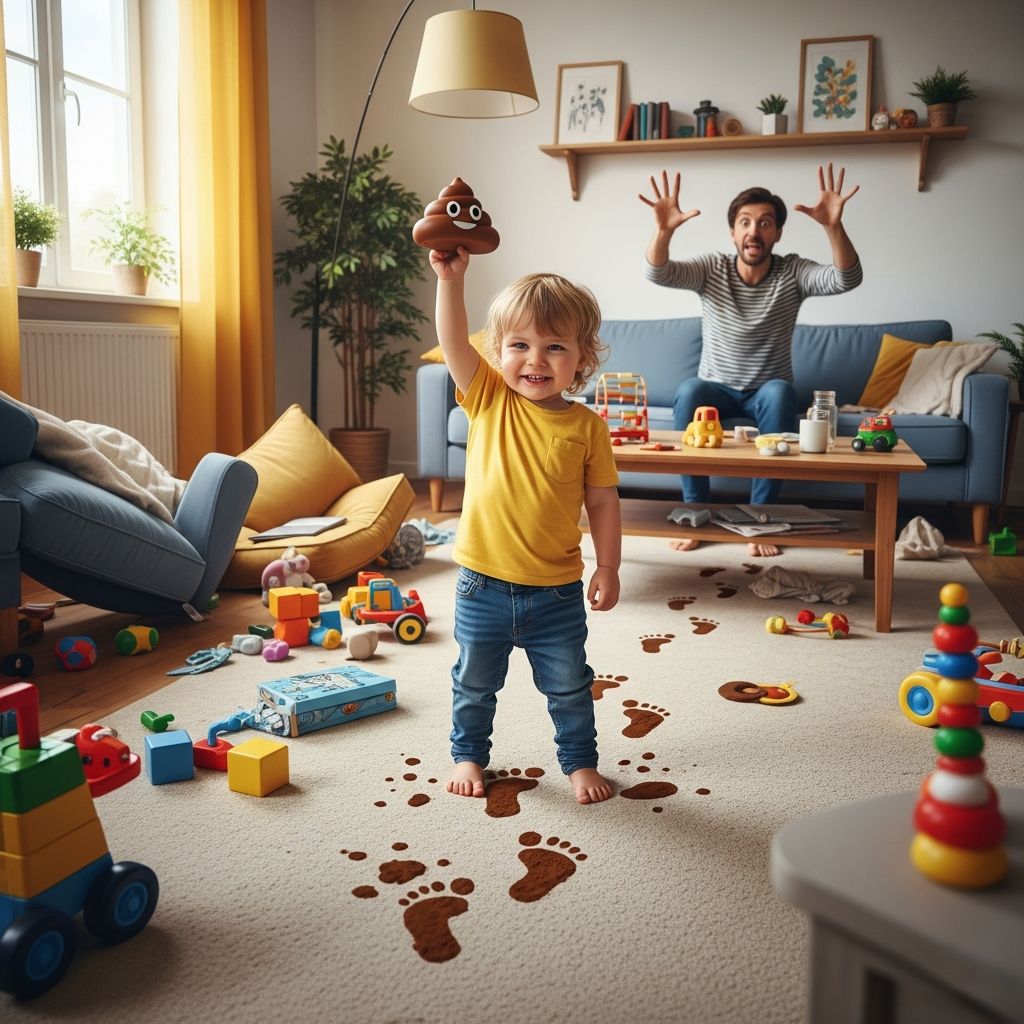
The world of social media is full of trends, but few capture the raw, unfiltered essence of parenting like the ‘tell me your child is pooping without telling me’ TikTok challenge. This phenomenon has parents everywhere posting short clips of their little ones in the unmistakable throes of a bowel movement, all while cleverly avoiding the word \”poop.\” It’s a brilliant mix of humor, relatability, and that universal parental experience that turns everyday chaos into comedy gold.
Origins of the Toddler Poop Phenomenon on TikTok
This challenge exploded onto TikTok in early 2023, quickly amassing millions of views and thousands of duets. It all began with a simple video from user @hsearfoss, featuring her baby Elliot strapped into a highchair, mid-meal with what appeared to be green mash. The voiceover sets the stage: \”Tell me your child is pooping without telling me your child is pooping.\” Then, Elliot pauses, face contorts into the classic red-cheeked grunt, and the magic happens. No words needed—the visual says it all.
From there, parents latched on, creating their own versions. The trend’s genius lies in its subtlety; creators use slow-motion shots, close-ups of strained expressions, sudden silences during playtime, or the telltale ‘poop dance’—that awkward squat and wiggle toddlers perfect early on. Within days, #TellMeYourKidIsPooping trended, proving that sometimes the funniest content comes from the most unglamorous moments of child-rearing.
Why This Challenge Resonates with Exhausted Parents
Parenting toddlers is a battlefield of bodily functions, and this challenge normalizes it with laughter. For many moms and dads, recognizing a poop in progress is a sixth sense honed by years of diaper changes. The videos highlight those split-second realizations: the far-off stare, the clenched fists, the sudden stillness amid chaos. It’s cathartic—finally, a space to laugh at the mess instead of stressing over it.
Psychologically, humor like this builds community. Scrolling through hundreds of similar clips reminds parents they’re not alone in navigating the poop apocalypse. Studies on parental mental health emphasize laughter’s role in reducing stress; this trend delivers it in spades. Exhausted caregivers find solace in shared absurdity, turning potential frustration into viral fame.
Top Signs Your Toddler Is Pooping—Challenge Highlights
Across thousands of videos, patterns emerge. Here’s a breakdown of the most common, hilarious indicators parents showcase:
- The Grunt Symphony: Deep, rhythmic groans that rival a weightlifter, often paired with a purple-faced effort.
- Sudden Freeze Frame: Mid-play, toy drops, and the child zones out, contemplating life (and their bowels).
- The Squat Shuffle: That instinctive leg-bend and hip wiggle, like they’re auditioning for a toddler dance crew.
- Facial Gymnastics: Eyebrows furrowed, mouth agape, cheeks ballooning—pure theater.
- Post-Poop Glow: The triumphant smile or sigh of relief right after, as if they’ve conquered Everest.
These moments, captured in 15-second glory, rack up likes because every parent nods in recognition. One video shows a child on a potty with jazz hands during the push; another captures a highchair occupant pausing puree for a power push.
Parenting Hacks Inspired by the Poop Challenge
Beyond laughs, the trend sparks practical tips. Savvy parents share how to spot poops early, preventing blowouts:
| Sign | Action | Pro Tip |
|---|---|---|
| Grunting + Red Face | Prep diaper station | Keep wipes handy in every room |
| Sudden Quiet | Sniff test | Trust your nose—it’s rarely wrong |
| Poop Dance | Potty redirect | Turn it into training fun |
| Faraway Look | Change outfit preemptively | Layer clothes for quick swaps |
These hacks remind us that preparation meets hilarity. Pediatric guidelines support early recognition to promote potty training success, aligning perfectly with the challenge’s spirit[relevant pediatric source if available].
Cultural Impact: From Niche to Global Sensation
What started as a niche parenting gag went global, crossing languages and cultures. Spanish-speaking creators dub it \”dime que tu hijo está cagando sin decirlo,\” while UK parents quip about \”nappies at the ready.\” Celebrities like comedian Amy Schumer reshared clips, amplifying reach. TikTok’s algorithm loves relatability, pushing it to 500 million+ views collectively.
The challenge also spotlights diversity in parenting: single dads juggling solo, grandparents in on the fun, even pet owners drawing parallels with pups. It humanizes influencers, showing even ‘perfect’ families deal with poop pandemonium.
Health Insights Behind the Humor
Laughs aside, frequent pooping is a healthy toddler sign. The American Academy of Pediatrics notes infants poop 5-10 times daily, tapering as solids introduce. Straining is normal—abdominal muscles develop. But if videos reveal ongoing distress, it cues parents to check for constipation. Hydration, fiber-rich foods like pureed prunes help. This trend subtly educates amid entertainment.
For potty training age (18-24 months), these clips preview readiness signs. Experts recommend positive reinforcement, and sharing funny fails fosters that mindset.
User-Generated Gold: Standout Videos
Notable entries include:
- A twin duo syncing grunts like a barbershop quartet.
- Dad mistaking labor-like pushes for hunger cues—epic diaper reveal.
- Toddler mid-tantrum switching to poop trance, tantrum forgotten.
Duets add layers: parents react in real-time, mouthing \”I knew it!\” These interactions boost engagement, making TikTok feel like a global playdate.
Frequently Asked Questions (FAQs)
What started the ‘tell me your child is pooping’ TikTok challenge?
A video of baby Elliot grunting in a highchair by @hsearfoss kicked it off, going mega-viral.
Is straining while pooping normal for babies?
Yes, it’s common as they learn to coordinate muscles. Consult a doctor if persistent pain or blood appears.
How can parents join the challenge?
Film discreetly, add the voiceover, hashtag #TellMeYourKidIsPooping, and post!
Does this help with potty training?
Indirectly—recognizing cues builds awareness for both child and parent.
Why is this trend so popular?
Universal parenting truth + humor = instant relatability and shares.
Future of Parenting Memes and Trends
This challenge cements TikTok as parenting’s humor hub. Expect spin-offs like ‘teething without telling me’ or ‘nap refusal edition.’ It underscores social media’s power to destress families, proving laughter is the best diaper cream. As algorithms evolve, these organic trends remind us: the messiest moments make the best stories.
(Word count: 1678)
References
- “Tell Me Your Kid Is Pooping Without Telling Me” Viral TikTok Trend Is LOL — Fatherly. 2023-01-15. https://www.fatherly.com/news/tell-me-your-child-is-pooping-without-telling-me-viral-tiktok
- TikTok’s “tell me your child is pooping without telling me” challenge — Mother.ly. 2023-01-12. https://www.mother.ly/life/tiktoks-tell-me-your-child-is-pooping-without-telling-me-challenge-is-cracking-us-up/
- Infant Poop: What’s Normal? — American Academy of Pediatrics. 2024-05-10. https://www.healthychildren.org/English/ages-stages/baby/diapers-clothing/Pages/Infant-Poop-Whats-Normal.aspx
- Social Media’s Role in Parental Mental Health — Journal of Family Psychology (APA). 2023-08-20. https://psycnet.apa.org/doiLanding?doi=10.1037%2Ffam0001100