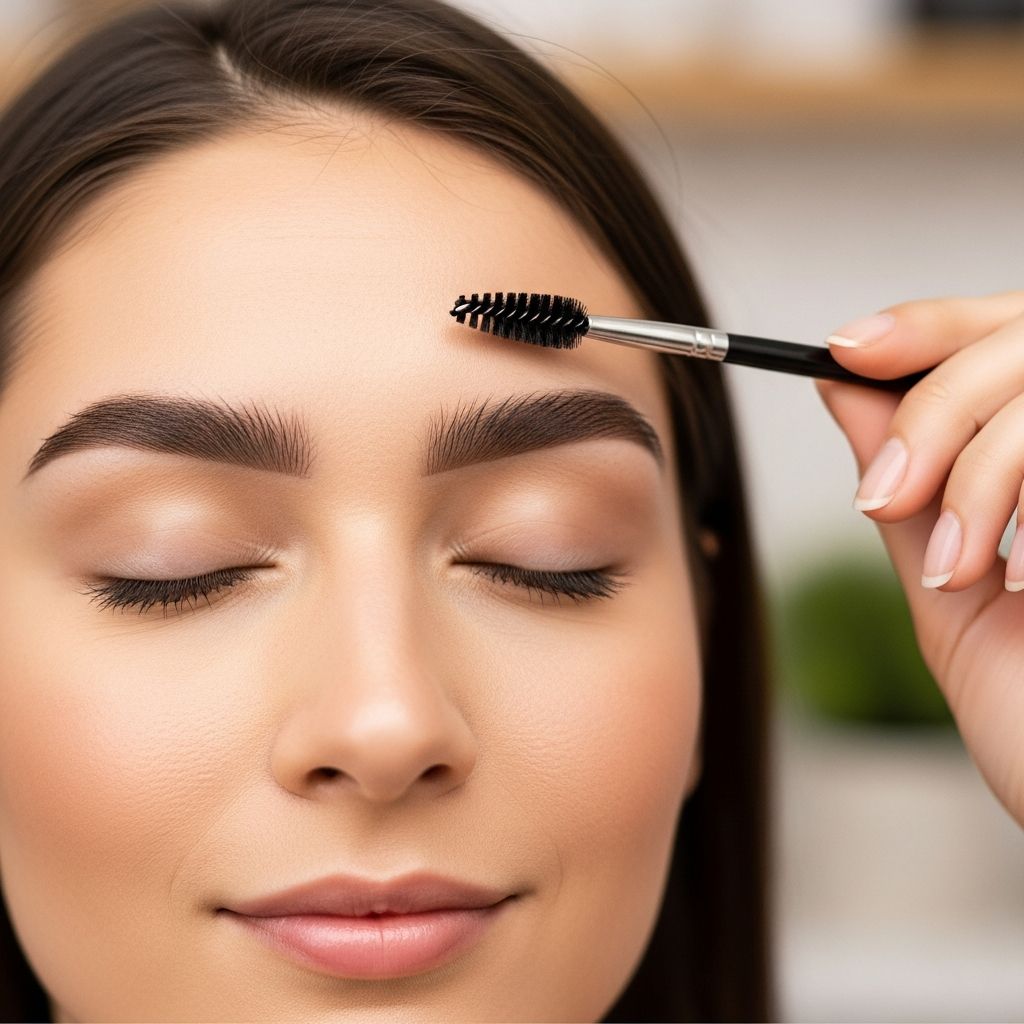
Eyebrows frame the face, but they should not run your life. Perfectly groomed brows can be a confidence boost, yet the process of maintaining them does not need to be painful, time-consuming, or intimidating. This guide focuses on simple, gentle steps you can actually keep up with, even on your busiest days.
Instead of chasing impossible perfection, think of eyebrow grooming as basic maintenance, like trimming your nails. A few thoughtful minutes here and there can make a noticeable difference, without the drama or over-tweezed regrets.
Why Brows Matter (But Not That Much)
Eyebrows do important visual work: they balance your features, draw attention to your eyes, and subtly influence how expressive your face looks. Slight changes in thickness or arch placement can make you seem more awake, rested, or polished. At the same time, obsessing over every stray hair usually creates more stress than beauty.
A healthy mindset sees brows as one part of your overall look, not the main event. Your goal is not to copy a celebrity’s brow photo but to enhance what you naturally have so that you feel comfortable and recognizable to yourself.
Understanding Your Natural Brow Shape
Before you ever pick up tweezers, you need to understand what you are working with. Your natural brow shape is influenced by bone structure, hair texture, and growth patterns. Working with that reality instead of against it will always look more flattering and be easier to maintain.
Stand in good lighting with a mirror that shows your whole face, not just a zoomed-in view of your brows. Notice where your brows begin, where the highest point appears when you raise your eyebrows slightly, and where the tail naturally tapers off. These landmarks will guide every decision you make.
Common Natural Brow Types
- Straight brows: Minimal arch, creating a calm, soft expression.
- Softly arched brows: A gentle curve that flatters most face shapes.
- High arched brows: More dramatic, often on angular faces.
- Full and thick brows: Denser hair that may only need light cleaning underneath.
- Sparse or thin brows: Lighter, with gaps that respond well to pencil or powder instead of aggressive tweezing.
Once you identify your natural category, think “refine” instead of “reinvent.” Your job is simply to clean up, not redraw your entire face.
Essential Tools for Easy Tweezing
You do not need an overflowing makeup bag to have neat brows. A few well-chosen tools will do more than an entire drawer of gimmicks. Invest in quality where it counts, especially for tweezers, because poor tools cause more pain, break hairs, and create uneven results.
| Tool | Purpose | What to Look For |
|---|---|---|
| Slant-tip tweezers | Precision removal of individual hairs | Strong grip, aligned tips, comfortable tension |
| Spoolie brush | Brushing hairs into place before and after tweezing | Soft but firm bristles, easy-to-clean handle |
| Small brow scissors | Trimming overly long hairs | Short blades, sharp tips, smooth cutting action |
| Brow pencil or powder | Filling in gaps, defining shape | Color that matches or is slightly lighter than your hair |
| Soothing gel or cream | Calming skin after tweezing | Fragrance-free, gentle formula with aloe or similar |
If your budget is tight, prioritize a solid pair of tweezers and a simple spoolie brush. Many makeup counters or pharmacy brands carry tools that work well without a luxury price tag.
Preparation: Setting Yourself Up for Comfort
Good preparation makes tweezing quicker and less painful. When the skin and hair are cold and dry, hairs resist being pulled out, and the skin may react more strongly. With a few small habits, you can make the process gentler and less irritating.
- Tweeze after a warm shower: Warm water opens pores and softens the skin, helping hair slide out more easily.
- Cleanse the area: Remove makeup, sunscreen, and oil so your tweezers grip hairs instead of slipping.
- Sanitize your tools: Wipe the tips of your tweezers with rubbing alcohol to reduce the chance of irritation.
- Use good lighting: Natural daylight is ideal; if not possible, use a bright, even light source.
- Skip magnification overload: A lightly magnifying mirror can help, but avoid extreme zoom that encourages over-tweezing.
Taking a few minutes to set up your space can prevent rushed, uneven plucking and the temptation to “fix” mistakes with more tweezing than necessary.
Step-by-Step Tweezing Routine
This routine is designed to be realistic. You do not need an hour; you can manage your brows in ten to fifteen minutes once you are familiar with the steps. Go slowly the first few times and resist the urge to make dramatic changes at once.
1. Map a Gentle Guideline
Instead of drawing harsh lines, think in loose zones. Aim for:
- Start of the brow: Roughly in line with the inner corner of your eye.
- Arch area: Around the outer edge of your iris when you look straight ahead.
- Tail end: Tapering off softly toward the outer corner of your eye.
These are guidelines, not laws. Your bone structure may shift these points slightly. Use them as a reference while respecting your face’s natural layout.
2. Brush and Observe
Using your spoolie, brush your brow hairs upward and outward, following the direction of growth. This reveals the true outline of your brow, exposing stray hairs without forcing you to guess where the main shape ends.
Take a moment to study. Which hairs clearly fall outside the main shape? Which ones seem borderline? Only the obvious strays should be removed right away.
3. Start Underneath, Not Above
The lower edge of your brow usually has the most stray hairs. Gently hold the skin taut with one hand and pull hairs in the direction of growth with the other. Pulling in the same direction minimizes breakage and discomfort.
- Work in small sections instead of attacking the entire brow at once.
- After every few hairs, lean back and check your full face in the mirror.
- Stop as soon as you see a smoother outline; you can always do a little more another day.
4. Tidy the Middle (Between Brows)
If you have hair between your brows, clean this area cautiously. It is easy to remove too much and create an unnatural gap that changes your entire expression. Visualize a soft rectangle between your brows; only remove hairs clearly within that zone.
Leave a slightly wider space than you think you need. The eye quickly adjusts to a small amount of hair, but an overly wide gap can look severe and is hard to correct once the hair is gone.
5. Trim, Don’t Over-Pluck
Sometimes a brow looks messy not because there are too many hairs, but because some of them are long. Brush hairs straight up and carefully trim only the tips that stick far above your natural top line.
- Use short, deliberate snips with small scissors.
- Aim to reduce length, not thickness.
- Brush back into place frequently to avoid cutting too much.
Trimming preserves fullness while creating a cleaner edge, which often looks more modern and youthful than ultra-thin brows.
Minimizing Pain and Redness
Tweezing does involve brief discomfort, but there are many ways to take the edge off. If tweezing has always felt harsh or unbearable, experimenting with these small adjustments can make a noticeable difference.
- Tweeze quickly but carefully: A swift, confident pull hurts less than a hesitant tug.
- Avoid pre-tweezing caffeine: For some people, caffeine increases sensitivity and redness.
- Apply a cold compress afterward: A clean, cool washcloth or chilled spoon helps calm the area.
- Use a soothing gel: Products with aloe or chamomile can help, as long as they are fragrance-free.
- Don’t immediately apply heavy makeup: Give the skin time to settle before layering on concealer or powder.
If you notice persistent bumps, itching, or swelling, pause your tweezing routine and allow your skin to recover fully before trying again. You may need to switch products, sanitize tools more thoroughly, or consider a professional consultation.
Avoiding Common Brow Mistakes
Most eyebrow regrets come from impatience or from zooming in too closely on tiny details. Recognizing the most frequent mistakes can help you avoid them and feel more confident in your approach.
Top Mistakes to Watch For
- Over-tweezing the front: Removing too many hairs at the start of the brow can make your face look unbalanced and remove natural character.
- Creating a harsh, skinny line: Extremely thin brows rarely look natural in real life, even if they appear striking on camera or in photos.
- Chasing perfect symmetry: Brows are sisters, not twins. Tiny differences are normal and often invisible to anyone but you.
- Tweezing every day: Constant “touch-ups” can slowly thin your brows more than you realize. Aim for a weekly or biweekly routine instead.
- Plucking above the brow aggressively: Removing too many hairs from the top line can change your natural expression and make brows appear drawn-on.
If you suspect you have gone too far, put the tweezers away. Brow pencils, powders, and tinted gels can help you through the regrowth stage far more gracefully than additional plucking.
Daily Maintenance for Busy Schedules
Your everyday routine does not need to be elaborate. A few small habits can keep your brows looking neat between tweezing sessions. Think of it as light housekeeping rather than a full remodel.
- Brush your brows into place in the morning with a spoolie or clean mascara wand.
- Apply a clear or tinted brow gel if your hairs tend to droop or shift during the day.
- Use a light hand with pencil or powder—short, feathered strokes look more like real hair.
- Wipe off brow makeup thoroughly at night to avoid clogged pores around the hair follicles.
Setting a simple schedule—such as a quick tidy every other Sunday evening—keeps things manageable and prevents emergency sessions right before an event.
When to See a Professional
There is no shame in asking for help, especially if you are starting from scratch or recovering from a past over-tweezing phase. A professional shaping session can create a strong baseline you can then maintain at home.
Before booking, research reviews and, if possible, look at photos of their previous work. A good brow professional should be willing to:
- Discuss your preferences and comfort level.
- Explain what they plan to do before they begin.
- Focus on enhancing your existing shape instead of imposing a trendy template.
Once your brows are professionally shaped, your home routine becomes simpler: just remove obvious new growth as it appears, following the outline that has already been established.
Respecting Different Comfort Levels and Ages
Eyebrow grooming often becomes a family topic when children or teens start noticing their appearance. If you are a parent or caregiver, it is important to balance grooming guidance with respect for the child’s developing self-image and pain tolerance.
- Allow older kids and teens to express what bothers them, rather than assuming you know.
- Explain that grooming is optional, not a requirement for being acceptable or attractive.
- Start with very minimal changes if they do want help—perhaps softening the middle section or gently cleaning underneath.
- Teach basic hygiene and tool safety, such as not sharing tweezers and cleaning them properly.
For younger children, focus on building confidence and kindness rather than rushing into cosmetic fixes. There is plenty of time later for grooming choices; secure self-esteem is a much more valuable foundation.
Choosing Products That Support Healthy Brows
Beyond tools, a few supportive products can make your brows easier to manage and help avoid damage. Healthy brow hair responds better to grooming and is less likely to break or fall out under stress.
- Gentle cleansers: Harsh facial washes can dry out the skin and hair around your brows.
- Light moisturizers: A small amount of unscented moisturizer around the brow bone can keep the area supple.
- Brow-safe tints: If you dye your hair and want matching brows, choose products specifically formulated for the delicate eye area.
- Nourishing oils (optional): A tiny swipe of castor or jojoba oil at night can help some people with brittle brows, though results vary.
Regardless of products, the most important “treatment” for healthy brows is simply leaving them alone between scheduled grooming times and avoiding obsessive picking.
Building a Healthy Mindset About Beauty
Eyebrow grooming can easily slide into self-criticism if you are not careful. The goal of this routine is not to hide every perceived flaw but to support how you naturally look and feel. A relaxed, self-accepting attitude actually makes you more likely to stop when your brows are “done enough” instead of chasing an impossible ideal.
- Remind yourself that real faces have asymmetry, texture, and quirks.
- Acknowledge that trends change, but your comfort and confidence should guide your decisions.
- Notice when grooming shifts from “fun polish” to “stressful obsession” and gently pull back.
Ultimately, your eyebrows belong to you. You get to decide how much time, effort, and attention they deserve in your life—and “just enough” is a perfectly valid choice.
Frequently Asked Questions About Eyebrow Tweezing
How often should I tweeze my brows?
Most people do well with a light clean-up every one to three weeks, depending on how quickly their hair grows. Checking in too often can tempt you to remove hairs that are actually part of your natural shape.
Is tweezing better than waxing or threading?
Each method has pros and cons. Tweezing is inexpensive, precise, and easy to do at home, but it takes more time. Waxing and threading handle larger areas quickly, yet they rely more heavily on the skill of the technician and can feel harsher on sensitive skin.
What can I do if I over-tweeze my brows?
Stop tweezing immediately and give your brows several weeks or even a few months to regrow. In the meantime, use makeup to softly fill sparse areas, and consider booking a professional shaping appointment once there is enough regrowth to work with.
Why do my brows look uneven in photos?
Cameras and lighting exaggerate small differences that are hardly noticeable in person. Small variations in arch height, density, or tail length are very normal. Aim for “balanced” rather than “identical.”
Can I shape my brows if I have very low pain tolerance?
Yes. Focus on removing just a few of the most obvious stray hairs at a time, perhaps after a warm shower and with a cold compress ready for afterward. Spreading the process out over several sessions can make it more manageable.