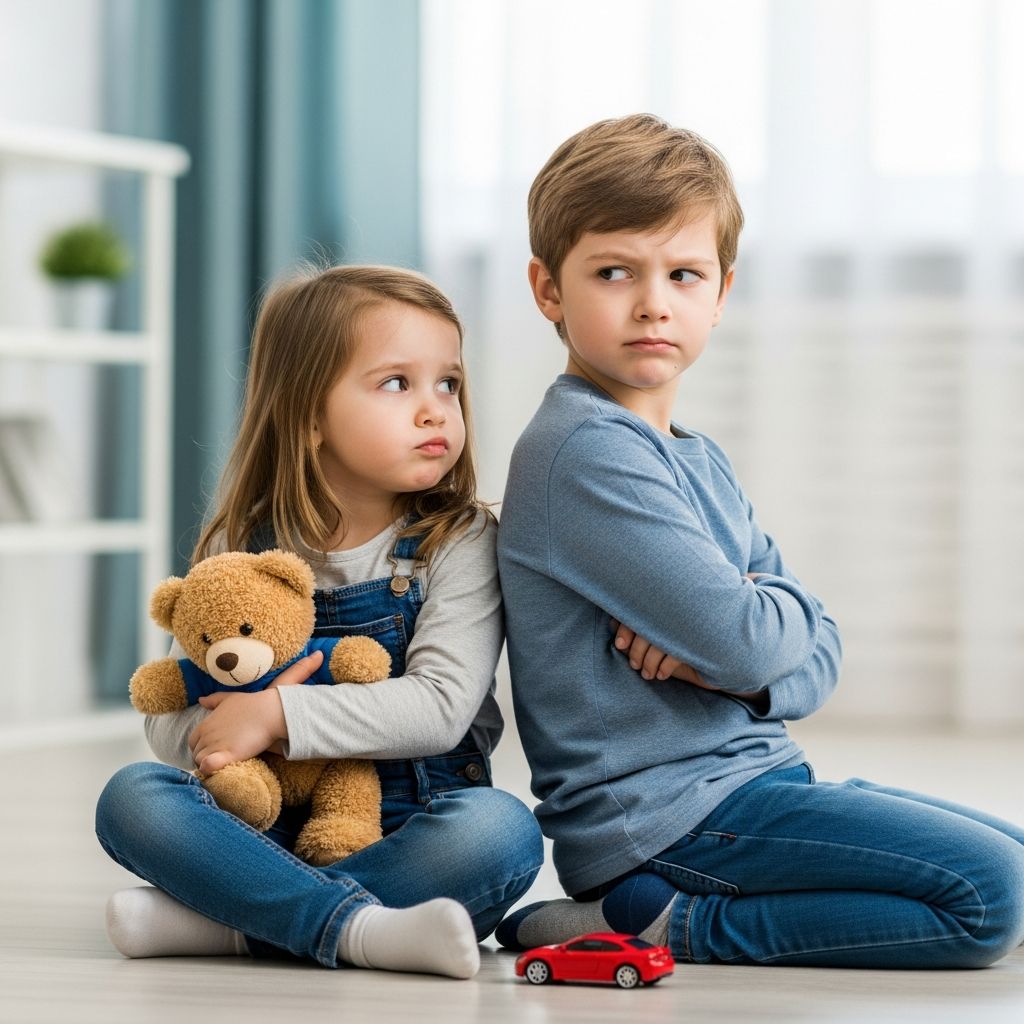
Physical confrontations between brothers and sisters are a common sight in many households, often leaving parents puzzled about whether it’s just playful roughhousing or something more concerning. These incidents stem from a mix of developmental needs, emotional triggers, and learned behaviors, but with informed guidance, parents can transform these moments into opportunities for growth and stronger family bonds.
Developmental Roots of Physical Clashes Among Siblings
Young children, particularly toddlers and preschoolers, frequently resort to hitting as a primary means of communication when words fail them. At this stage, their brains are still maturing, limiting impulse control and emotional regulation. Research highlights that aggression peaking around ages 2-3 often reflects frustration from unmet needs or competition for parental attention.
As children grow, these behaviors evolve. School-aged kids might hit to assert dominance or mimic observed actions from peers or media. Unlike casual play-fighting, repeated patterns signal deeper issues like power imbalances, where one sibling consistently targets another. Understanding these phases helps parents respond without overreacting to every tussle.
- Impulse-driven hits: Common in toddlers testing boundaries.
- Power-seeking actions: Older children establishing hierarchy.
- Emotional outbursts: Triggered by jealousy or stress.
Differentiating Playful Rivalry from Harmful Aggression
Not all physical interactions are equal. Normal sibling rivalry involves mutual, short-lived spats over toys or space, often ending in laughter. Harmful aggression, however, features intent to injure, repetition, and fear in the victim, potentially escalating to emotional or sexual abuse.
Parents must observe patterns: Does one child avoid the other? Are injuries frequent? Studies show unchecked aggression predicts future relational problems, including bullying. Early recognition prevents normalization of cruelty as ‘just siblings.’
| Normal Rivalry | Harmful Aggression |
|---|---|
| Mutual participation, no fear | One-sided, victim distressed |
| Short duration, resolves naturally | Repeated, escalating intensity |
| No intent to harm | Deliberate injury, power control |
Environmental Factors Fueling Sibling Conflicts
Home dynamics play a crucial role. Inconsistent discipline, favoritism perceptions, or exposure to violence—via TV or family arguments—model aggressive resolutions. Overcrowded schedules leave little time for positive interactions, amplifying tensions.
Siblings in foster care or high-stress families face heightened risks, where poor relationship quality correlates with behavioral issues. Parental modeling is key: Children mirror how adults handle disputes. Yelling or physical discipline inadvertently teaches hitting as acceptable.
Immediate Response Strategies for Physical Incidents
When hitting occurs, swift, calm intervention is essential. Separate children immediately with a firm statement like, ‘Hands are not for hurting—stop now.’ Avoid blame games that escalate rivalries into parental favor contests.
Follow separation with individual check-ins. Validate feelings: ‘You seem angry—let’s talk about it.’ Teach alternatives: Use words like ‘Stop, that’s mine!’ or walk away. Time-outs work as a last resort, one minute per age year, in a boring spot.
- Intervene promptly to ensure safety.
- Separate and cool down.
- Listen to each side empathetically.
- Guide toward problem-solving.
Building Long-Term Harmony: Proactive Parenting Tools
Prevention trumps reaction. Establish clear family rules: No hitting, name-calling, or belittling. Involve kids in rule-setting for buy-in, posting them visibly. Praise positive behaviors lavishly—’I love how you shared!’—to reinforce kindness.
Schedule one-on-one time with each child to reduce jealousy. Weekly family meetings review successes and air grievances calmly. For recurring fights over items, create fair rotation charts.
Promote emotional skills through games teaching sharing, turn-taking, and self-calming like deep breaths or ‘Take a Break’ corners. Limit media violence and model respectful conflict resolution daily.
Addressing the Aggressor’s Underlying Needs
The child who hits often struggles with unaddressed emotions or modeled behaviors. Investigate sources: Are they imitating school incidents or screen time? Provide outlets like rough-and-tumble play with you, channeling energy positively.
Consistent consequences deter repetition: Loss of privileges for hitting, rewards for control. Safety plans for severe cases include separate spaces or supervised play. Therapeutic support benefits chronic cases, offering neutral ground.
Fostering Positive Sibling Connections
Shift focus to bonding. Encourage team activities: Cooking together, board games, or sibling-support challenges. Highlight similarities: ‘You both love dinosaurs!’ to minimize rivalries.
Programs like Promoting Sibling Bonds demonstrate success with structured sessions on cooperation and mediation, reducing conflicts in vulnerable families. Parents learn to mediate: Listen, identify issues, brainstorm solutions without dictating.
When to Seek Professional Help
Most conflicts resolve with home strategies, but persistent aggression, fear, or injuries warrant experts. Signs include one sibling’s withdrawal, sleep issues, or aggression spilling to peers. Pediatricians or family therapists provide tailored interventions, especially in abuse histories.
Early action is vital: Aggression trajectories often persist without support. Resources like child psychologists or family counseling equip parents with advanced tools.
Frequently Asked Questions (FAQs)
Why do young children hit their siblings so often?
Youngsters hit due to limited verbal skills, poor impulse control, and big emotions in tiny bodies. It’s a developmental phase, but guidance teaches better ways.
Is it ever okay to let siblings ‘work it out’?
Only for equal-power, non-harmful spats. Intervene if imbalance or injury risks exist to prevent escalation.
How can I stop favoritism perceptions?
Equal quality time, fair rules, and praising individual strengths reduce jealousy.
What if hitting continues despite interventions?
Consult professionals; underlying issues like stress or trauma may need addressing.
Does screen time contribute to aggression?
Yes, violent media models poor conflict resolution—curate content carefully.
Implementing these strategies requires patience, but yields lasting peace. Families practicing consistent, empathetic responses report fewer clashes and deeper bonds, turning potential rivals into allies.
References
- Sibling Violence – Learning Network — Western University. 2023. https://www.gbvlearningnetwork.ca/our-work/issuebased_newsletters/issue-21/index.html
- Sibling Violence — American Association for Marriage and Family Therapy (AAMFT). 2023. https://www.aamft.org/AAMFT/Consumer_Updates/Sibling_Violence.aspx
- Reducing Sibling Conflict in Maltreated Children Placed in Foster Care — PMC (Peer-reviewed). 2016-02-29. https://pmc.ncbi.nlm.nih.gov/articles/PMC4779313/
- 10 Tips to Prevent Aggressive Behavior in Young Children — American Academy of Pediatrics (healthychildren.org). 2023. https://www.healthychildren.org/English/ages-stages/toddler/Pages/Aggressive-Behavior.aspx
- Sibling Rivalry — Nemours KidsHealth. 2023. https://kidshealth.org/en/parents/sibling-rivalry.html
- Why Kids Hit Siblings and How to Help Them Stop — Psychology Today. 2015-05-01. https://www.psychologytoday.com/us/blog/peaceful-parents-happy-kids/201505/why-kids-hit-siblings-and-how-to-help-them-stop