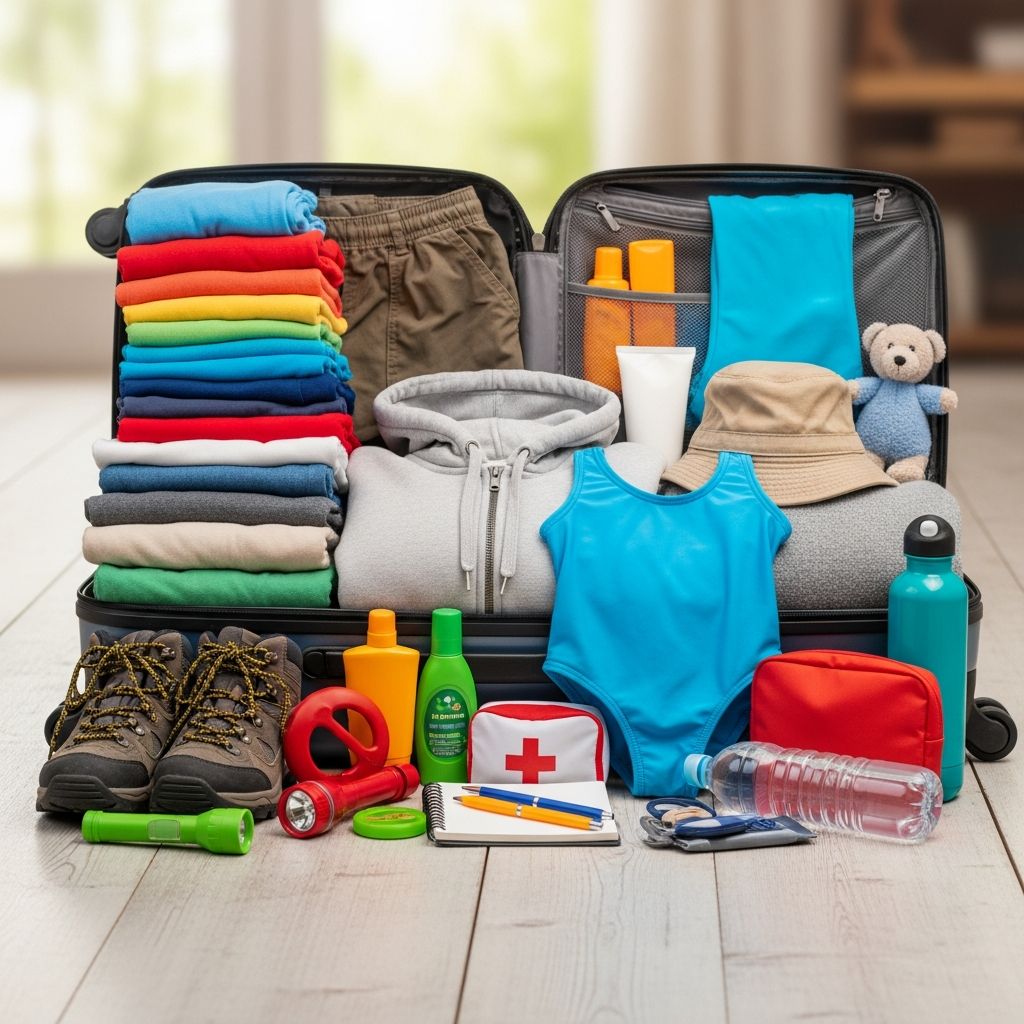
Sending a child to sleepaway camp is a big milestone—for you and for them. A thoughtful packing plan helps your camper feel comfortable, independent, and ready to enjoy the experience instead of worrying about forgotten items.
Start With the Camp’s Official List
Every camp has its own rules, storage space, and activities, so the camp’s packing list is always your first reference. Treat that document as the framework and then adjust based on your child’s personality, habits, and any special needs.
Look for details like banned items, laundry frequency, and whether the camp provides bedding or specialty equipment. Those notes will prevent overpacking and help avoid last-minute conflicts at check-in.
- Highlight required items versus optional ones.
- Check if uniforms, specific colors, or dress codes are expected.
- Confirm whether sports gear or specialty items (like riding helmets) are available to borrow.
Clothing: Practical, Durable and Easy to Manage
Camp clothing should be comfortable, rugged, and easy for your child to manage without help. Prioritize items that can get dirty, dry quickly, and mix and match easily.
Aim for enough outfits to cover the days between laundry cycles, plus a small buffer for rain or surprise messes.
Everyday Clothing Essentials
- Short-sleeve t-shirts and athletic tops (moisture-wicking fabrics are a plus).
- Shorts that allow running, climbing, and sitting on the ground comfortably.
- One or two long-sleeve shirts for cooler evenings and bug protection.
- Lightweight pants or leggings for hiking, campfires, and chilly mornings.
- Underwear and socks for each day, plus several extra pairs.
- Warm layers: a sweatshirt or fleece and a light jacket.
- Rain-ready layer: a compact raincoat or poncho.
- Pajamas that your child can easily put on and off in a shared cabin.
Footwear for All Camp Terrains
Comfortable, broken-in shoes can make or break the camp experience. Avoid sending brand-new shoes that might cause blisters mid-session.
- Sturdy sneakers or athletic shoes for daily activities.
- Water-friendly sandals with straps (not loose flip-flops) for showers and waterfront areas.
- If the camp offers hiking or rugged activities, basic hiking shoes or boots.
Waterfront and Swim Gear
Most sleepaway camps include swimming or boating, so your camper needs gear that makes water time safe and easy. Choose items that dry quickly and that your child can manage independently.
- Two or more swimsuits so one can dry while the other is in use.
- Quick-dry towels labeled with your child’s name.
- Rash guard or swim shirt for extra sun protection.
- Water shoes if the lake, river, or shoreline is rocky.
- Goggles if your child is used to them.
Bedding and Sleep Comfort
Restful sleep is key to a successful camp experience. Recreating a bit of home comfort helps kids settle into new surroundings and manage homesickness more easily.
Bedding Basics
- Sheets sized for camp bunks (usually twin) and a light blanket or comforter.
- Sleeping bag if the camp specifies it or if overnights outdoors are planned.
- Pillow with pillowcases (pack an extra case to swap mid-session).
- One or two fleece throws for chilly cabins or campfire nights.
Little Touches That Help With Sleep
- A small, non-breakable photo or postcard from home.
- A familiar, low-noise comfort item (stuffed toy or small blanket), if allowed.
- Soft earplugs or a simple eye mask for light sleepers, if your child is already used to them.
Toiletries and Daily Hygiene
Toiletries should be simple, leak-proof, and easy to carry to and from the bathhouse. Grouping everything in a single caddy or bag helps keep the cabin clutter-free and reduces lost items.
- Toothbrush with a ventilated cover and a travel-size or regular tube of toothpaste.
- Shampoo and body wash in spill-resistant bottles.
- Hairbrush or comb, plus simple hair ties or headbands.
- Deodorant, if your child uses it at home.
- Face wash or gentle wipes if part of their usual routine.
- Sunscreen that your child can apply themselves (spray or easy lotion).
- Insect repellent approved by the camp.
- Lip balm with SPF.
- Menstrual products for campers who may need them, even if they are just starting.
Label each item clearly and choose sturdy containers that can handle being dropped, squeezed, and stuffed back into a bag.
Health, Safety, and Medications
Most camps have clear procedures for medications and health concerns. Follow their guidelines closely so staff can keep your child safe and comfortable.
- Complete medical forms, submitted before arrival.
- Prescription medications in original containers with clear instructions.
- Over-the-counter items allowed by camp (such as allergy medicine), given to the nurse as required.
- Copies of insurance cards and emergency contact information, if requested.
Do not pack “secret” medications in your child’s trunk. Always coordinate through the camp health center so they can monitor dosing and interactions.
Organization: How to Pack So Kids Can Find Things
Packing is not just about what you send; it is about how you send it. The more organized the trunk or duffel, the easier it is for your camper to be independent, keep track of their belongings, and clean up quickly.
Smart Packing Containers
- Soft packing cubes or zippered pouches to separate tops, bottoms, underwear, and pajamas.
- Mesh laundry bag labeled clearly for dirty clothing.
- Small bin or caddy for toiletries that can sit on a shelf or hook.
- Shoe bag or simple tote for shoes and flip-flops to prevent dirt on bedding.
Labeling Everything
Shared bunks and crowded cabins make lost-and-found a daily reality. Names on items greatly increase the chances of things coming home again.
- Use permanent markers on clothing tags and hard surfaces.
- Iron-on or stick-on name labels for items that are frequently misplaced.
- Initials on flashlights, water bottles, and hats.
Comfort, Downtime, and Little Luxuries
Small, quiet-time items can make rest periods and rainy days more enjoyable. Skip anything fragile, expensive, or hard to replace, and focus on simple, screen-free fun.
- Paperbacks or easy chapter books.
- Travel-sized puzzles or playing cards.
- Sketchbook, notebook, or journal with pens.
- Simple craft kits that do not require glue guns or sharp tools.
- Stationery, envelopes, and pre-addressed labels for writing home.
A small clip-on fan or handheld fan (if allowed) can also be a welcome comfort in stuffy cabins with limited air circulation.
Electronics, Valuables, and What to Leave Home
Many camps limit or completely ban personal electronics. Even if they are permitted, consider whether devices might distract from the full camp experience or risk loss and damage.
- Leave expensive jewelry and irreplaceable keepsakes at home.
- Avoid sending sentimental items you or your child would be heartbroken to lose.
- Substitute a simple wristwatch for a smartphone as a timekeeper, if allowed.
When in doubt, choose the simpler option. The fewer distractions, the easier it is for kids to connect with friends, counselors, and the environment around them.
Sample Camp Packing Overview
This sample table offers a high-level view of categories and suggested quantities for a typical one- or two-week summer session. Adjust numbers based on your camp’s laundry schedule and climate.
| Category | Item Type | Suggested Quantity | Notes |
|---|---|---|---|
| Clothing | T-shirts and tops | 8–10 | Mix of short and long sleeves. |
| Clothing | Shorts and pants | 6–8 | At least one pair of long pants. |
| Clothing | Socks and underwear | 10–12 | Extra pairs for rainy or very active days. |
| Footwear | Everyday shoes | 1–2 | Closed-toe, broken-in sneakers. |
| Footwear | Water sandals | 1 | Secure straps for docks and showers. |
| Waterfront | Swimsuits | 2–3 | Rotation for drying between uses. |
| Waterfront | Beach/bath towels | 2–3 | Label clearly to avoid mix-ups. |
| Bedding | Sheet sets | 1–2 | Include pillowcase and fitted sheet. |
| Bedding | Blanket or sleeping bag | 1 | Check if camp cabins are air-conditioned. |
| Toiletries | Toiletry kit | 1 | All daily-use items in one carry container. |
| Extras | Flashlight or headlamp | 1 | Pack extra batteries in a small bag. |
| Extras | Water bottle | 1–2 | Durable, clearly labeled. |
Practice Independence Before Camp Starts
Packing is also a chance to help your child build skills they will use at camp: organizing belongings, dressing for the weather, and keeping track of their stuff. Involve them in the process instead of packing everything while they are away.
- Ask your child to help fold clothes and place them into packing cubes or sections.
- Walk through where items will live in the trunk or duffel.
- Have them practice making their bed with the bedding they will use at camp.
- Do a trial run where they pack and unpack their toiletries in the bathroom.
When kids know what they have and where it goes, they are more likely to stay organized and feel confident away from home.
Frequently Asked Questions About Sleepaway Camp Packing
How early should we start packing?
Begin gathering supplies two to three weeks before departure, especially if you need to order labels or specific gear. Actual packing can usually be done in the last few days, but leaving buffer time helps you avoid rushed purchases and forgotten essentials.
Is a trunk better than a duffel bag?
That depends on camp rules and storage. Trunks offer structure and can double as a surface in the cabin, while duffel bags are easier to carry and store under beds. If the camp does not specify, choose the option your child can manage independently on arrival and departure days.
How do we prevent everything from getting lost?
Label every item with your child’s name or initials and keep the packing list in the cabin so they can check it before coming home. Encourage your camper to do quick daily sweeps of their bunk area and to return items like hats and water bottles to the same spot after each use.
Should we send snacks?
Always follow the camp’s food policy. Some programs allow a limited amount of sealed snacks in rodent-proof containers, while others prohibit outside food entirely. If snacks are allowed, choose simple, non-messy options and avoid anything that could attract bugs or animals.
What if my child is prone to homesickness?
Packing familiar but low-risk comfort items—like a small pillowcase from home or a favorite bedtime book—can help soothe nerves without putting irreplaceable belongings at risk. Pair these with positive, calm conversations about camp so your child feels prepared instead of pressured.