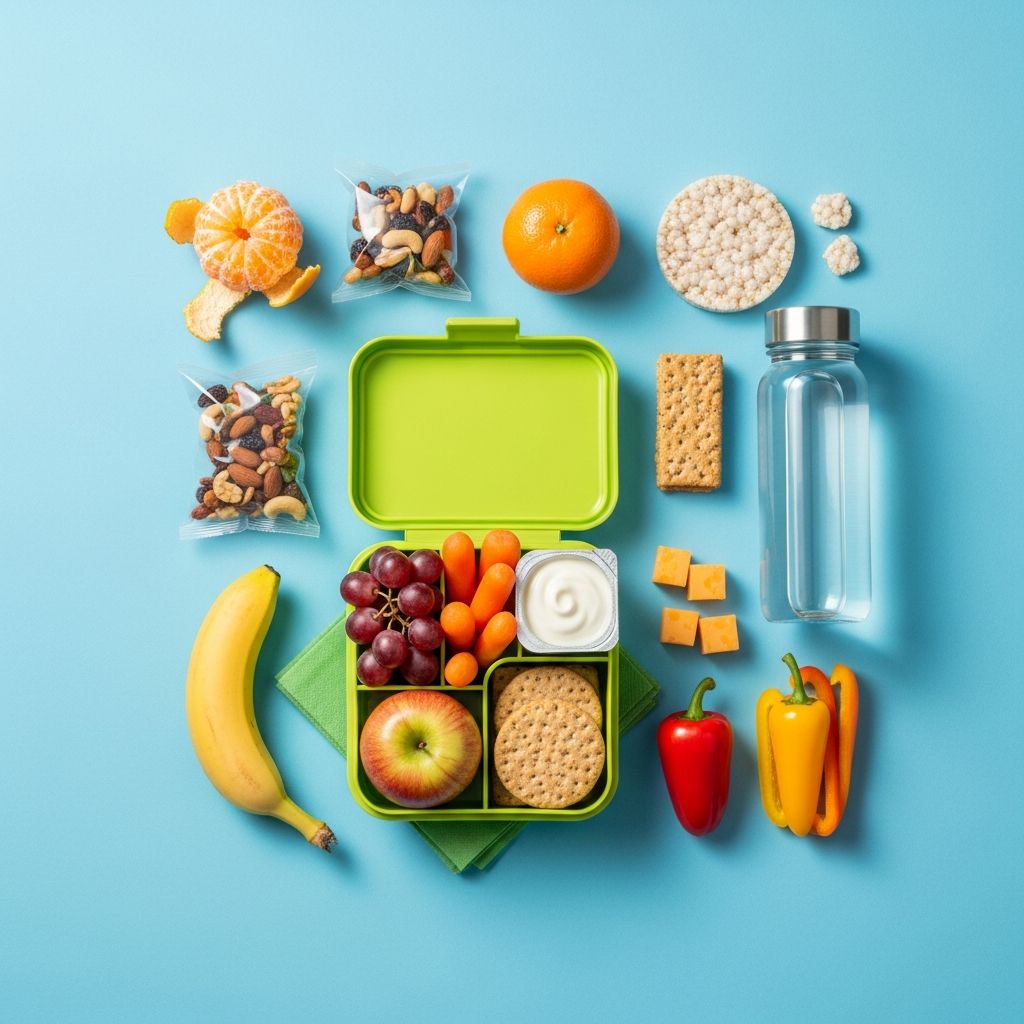
School-age children need steady energy to power through classes, playtime, and after-school activities. Well-chosen snacks bridge the gap between meals, delivering essential nutrients like fiber, protein, and healthy fats to maintain focus and prevent hunger crashes. These bites not only satisfy cravings but also foster lifelong healthy eating patterns.
Why Snacks Matter in a Child’s Daily Routine
Growing kids burn calories quickly, and regular snacking helps stabilize blood sugar levels, improving mood and cognitive performance. According to dietary guidelines, snacks should comprise about 20% of daily calorie intake for school-agers, emphasizing whole foods over processed options. Healthy choices reduce reliance on vending machine treats and combat issues like obesity or low energy.
Key benefits include enhanced concentration during lessons, better physical endurance for recess, and support for bone and muscle development through calcium and protein. Parents play a crucial role by modeling balanced portions and variety, turning snack time into teachable moments about nutrition.
Building Balanced Snacks: Core Nutrition Principles
Effective snacks combine at least two food groups: carbohydrates for quick energy, proteins for satiety, and fats for sustained fuel. Aim for low added sugars, minimal sodium, and natural ingredients to align with pediatric recommendations. Portion control is vital—snacks should be fist-sized to avoid overeating.
- Fiber-rich carbs: Whole grains, fruits, veggies for steady energy release.
- Proteins: Dairy, nuts, eggs to promote fullness and repair tissues.
- Healthy fats: Avocados, seeds, nut butters for brain health.
Incorporate color and crunch for appeal; kids eat more veggies when paired with dips. Prep ahead on weekends to streamline busy mornings.
Fruit-Packed Snack Ideas
Fruits offer vitamins, antioxidants, and natural sweetness without added sugars. They’re portable and versatile for school lunches.
- Apple wedges spread with almond or sunflower seed butter: Provides potassium and heart-healthy fats.
- Banana slices in whole-grain tortilla roll-ups: Easy to eat, rich in vitamin B6 for metabolism.
- Grape skewers with cheese cubes: Fun presentation boosts intake of vitamin C and calcium.
- Freeze-dried berries or mango: Shelf-stable alternative with full fiber content.
For variety, make fruit kabobs with melon chunks and pineapple—kids love the skewer format. Blend into smoothies with yogurt for a drinkable option that packs probiotics.
Vegetable Delights That Kids Will Love
Veggies deliver vitamins A and C for immunity, plus crunch that mimics chips. Pairing with dips increases acceptance among picky eaters.
| Veggie | Pairing Idea | Key Nutrients |
|---|---|---|
| Carrot sticks | Hummus or guacamole | Vitamin A, fiber |
| Cucumber slices | Tzatziki or cream cheese | Hydration, vitamin K |
| Bell pepper strips | Ranch dip (Greek yogurt base) | Vitamin C, antioxidants |
| Sweet potato spears (baked) | Yogurt dip | Beta-carotene, low-fat |
Bell peppers’ sweetness appeals to children, while celery with nut butter and raisins (ants on a log) adds playfulness. Steam edamame pods for a protein boost—11g per serving in some packs.
Power of Protein Snacks
Protein curbs mid-morning slumps, supporting growth spurts. Opt for lean sources to keep calories in check.
- Hard-boiled eggs: Prep a batch for grab-and-go protein (6g each).
- String cheese or turkey slices: Calcium-rich and portable.
- Tuna or chickpea salad on crackers: Omega-3s for brain function.
- Roasted edamame or chickpeas: Crunchy, 4g fiber per pack.
Low-sodium jerky offers chewiness without excess salt—check labels for minimal processing. Cottage cheese with pineapple chunks blends sweet and tangy flavors.
Whole Grains and Dairy Combinations
Whole grains provide lasting energy; dairy adds calcium for strong bones. These combos are school-friendly and mess-free.
- Whole-grain crackers with cheese: Balanced carbs and protein.
- Yogurt parfaits: Layer Greek yogurt, berries, low-sugar granola.
- Mini quesadillas: Whole-wheat tortilla, cheese, veggies.
- Air-popped popcorn: Lightly seasoned for fiber.
Greek yogurt doubles protein compared to regular, ideal for longer school days. Non-dairy options like coconut yogurt suit allergies.
Trail Mix and Seed-Based Options
Custom trail mixes empower kids to choose ingredients, promoting ownership of healthy habits. Focus on unsalted nuts/seeds.
- Homemade mix: Pumpkin seeds, dried cherries, dark chocolate chips.
- Sunflower seeds: Portable pouch with healthy fats.
- Seed butter banana roll-ups: Nut-free alternative.
Limit portions to 1/4 cup to manage calories from fats. Add whole-grain cereal for crunch without refined grains.
Quick Prep Strategies for Busy Parents
Batch cooking saves time: Boil eggs Sunday night, chop veggies mid-week. Involve children in assembly to encourage trying new foods. Use divided containers for portioned combos.
For nut-free schools, swap butters for seeds or soy. Check labels for hidden sugars in yogurts or bars—choose plain and add fruit. Freeze smoothie packs for thaw-and-blend ease.
Addressing Picky Eaters and Allergies
Expose kids to flavors repeatedly; pair unfamiliar items with favorites. For allergies, seed butters mimic nuts seamlessly. Offer choices like ‘red or green apple?’ to build agency.
Visual appeal matters: Rainbow veggie plates or layered parfaits engage senses. Track preferences in a snack journal to refine options.
Frequently Asked Questions
How often should school kids snack?
Once or twice daily, ideally 1.5-3 hours between meals to maintain steady energy without spoiling appetite.
What if my child rejects veggies?
Hide in smoothies or dips; involve them in prep for familiarity. Persistence pays off—taste preferences evolve.
Are store-bought snacks okay?
Select those with whole ingredients, low sugar/sodium. Homemade allows customization but packaged can work in pinches.
How to handle nut-free policies?
Use sunflower butter, cheese, or seeds. Verify school lists for safe swaps.
Can snacks aid learning?
Yes, protein and fats support focus; complex carbs prevent crashes.
References
- Healthy Snack Ideas for Busy School Days — Mental Health Association. 2024-09-12. https://mhawny.com/2024/09/12/healthy-snack-ideas-for-busy-school-days-nutritious-and-easy-snacks-for-kids/
- 31 Healthy Snacks for Kids to Take to School — GoodRx. Recent update within 24 months. https://www.goodrx.com/well-being/diet-nutrition/healthy-snacks-for-kids-at-school
- Healthy School Snacks for Kids: Recommendations from a Dietitian — Canadian Digestive Health Foundation. Recent. https://cdhf.ca/en/healthy-school-snacks-for-kids-recommendations-from-a-dietitian/
- 30 Healthy Snacks for Kids (Back-to-School Friendly) — The Real Food Dietitians. Recent. https://therealfooddietitians.com/healthy-snacks-for-kids-back-to-school-snacks/
- Snacks for School-Age Kids — Nemours KidsHealth. Evergreen pediatric authority. https://kidshealth.org/en/parents/snacks-school-age.html