Planning a beach day with children can turn a simple outing into a highlight of the year if approached thoughtfully. This guide draws from family-tested strategies to help you navigate logistics, maximize enjoyment, and minimize mishaps, ensuring everyone returns home with smiles and sandy memories.
Strategic Timing for Peak Enjoyment
Selecting the optimal times for your beach visit sets the foundation for success. Arrive early in the morning when temperatures are milder and crowds are thinner, allowing space for unrestricted play. This window, typically before 10 a.m., offers cooler sands and gentler waves ideal for young swimmers. Plan a midday break around noon to escape peak sun intensity—head to shaded eateries for lunch or return to your lodging for rest. Resume beach time after 3 p.m., when ultraviolet rays weaken and families start dispersing, extending your play until sunset.
Consult tide charts in advance, available from local coastal authorities, to align visits with low tide. This reveals expansive sand flats for building and exploring tide pools teeming with marine life, perfect for curious kids. High tide limits beach space but invigorates surfing spots for older children.
Essential Gear for Effortless Setup
Streamlining what you bring prevents overload and forgotten essentials. Invest in a sturdy beach wagon to transport items like chairs, coolers, and toys over soft sand—far superior to backpacks that bury under weight. Lightweight, adjustable chairs with built-in canopies provide elevated vantage points for supervising water play while offering personal shade.
Portable shade solutions are non-negotiable. Pop-up tents or large canopies create a family oasis, staked securely against wind. For toddlers, an inflatable kiddie pool keeps them contained and cool near your base camp. Sea shoes protect tender feet from hot sand, shells, and jellyfish, while mesh bags corral wet swimsuits and sandy gear post-swim.
| Item | Why It Matters | Pro Tip |
|---|---|---|
| Beach Wagon | Hauls heavy loads easily | Choose one with all-terrain wheels |
| Shade Canopy (10×10 ft) | Creates private family zone | Anchor with sandbags for stability |
| Lightweight Chairs | Comfort for adults, visibility for kids | Opt for models with storage pockets |
| Inflatable Pool | Safe splash area for little ones | Fill with seawater to match ocean temp |
| Mesh Rinse Bags | Contains sand away from car | Keep spares in vehicle |
Packing Smart: The Family Essentials Checklist
A well-curated packing list anticipates needs, from hydration to hygiene. Prioritize broad-spectrum sunscreen (SPF 50+), reapplying every two hours or after swims, as recommended by dermatological guidelines. Pack reusable water bottles filled with chilled electrolyte drinks to combat dehydration in salty air. Snacks like fresh fruit, cheese sticks, and granola bars fuel energy without melting.
- Sun Protection: Hats, rash guards, lip balm with SPF, aloe vera gel.
- Hydration & Nutrition: Insulated cooler with ice packs, spill-proof cups for kids.
- Beach Play: Buckets, shovels, frisbees—skip fragile toys ruined by salt.
- Health Kit: Bandages, tweezers for splinters, motion sickness bands, insect repellent.
- Post-Beach: Extra towels, change of clothes, baby powder to remove sand.
For multi-day trips, designate a ‘beach bag’ pre-packed and ready. Warn sand-averse children upfront, turning cleanup into a game with foot rinses at beach showers.
Safety First: Protecting Your Crew
Vigilance ensures fun doesn’t turn to fear. Never turn away from water-bound kids—even seconds matter, as waves can surprise. Learn rip current signs: narrow, choppy channels flowing seaward. If caught, swim parallel to shore to escape, not against it, per National Weather Service protocols.
Monitor for marine hazards like jellyfish or sand fleas hiding in seaweed. Pre-screen areas by kicking driftwood to flush bugs. Enforce the ‘buddy system’ for siblings, with adults rotating lifeguard duty from shaded chairs. Check local flags: red means high hazard, yellow moderate, green low.
According to the U.S. Lifesaving Association, rip currents cause over 80% of lifeguard rescues; education saves lives.
Engaging Activities to Spark Joy
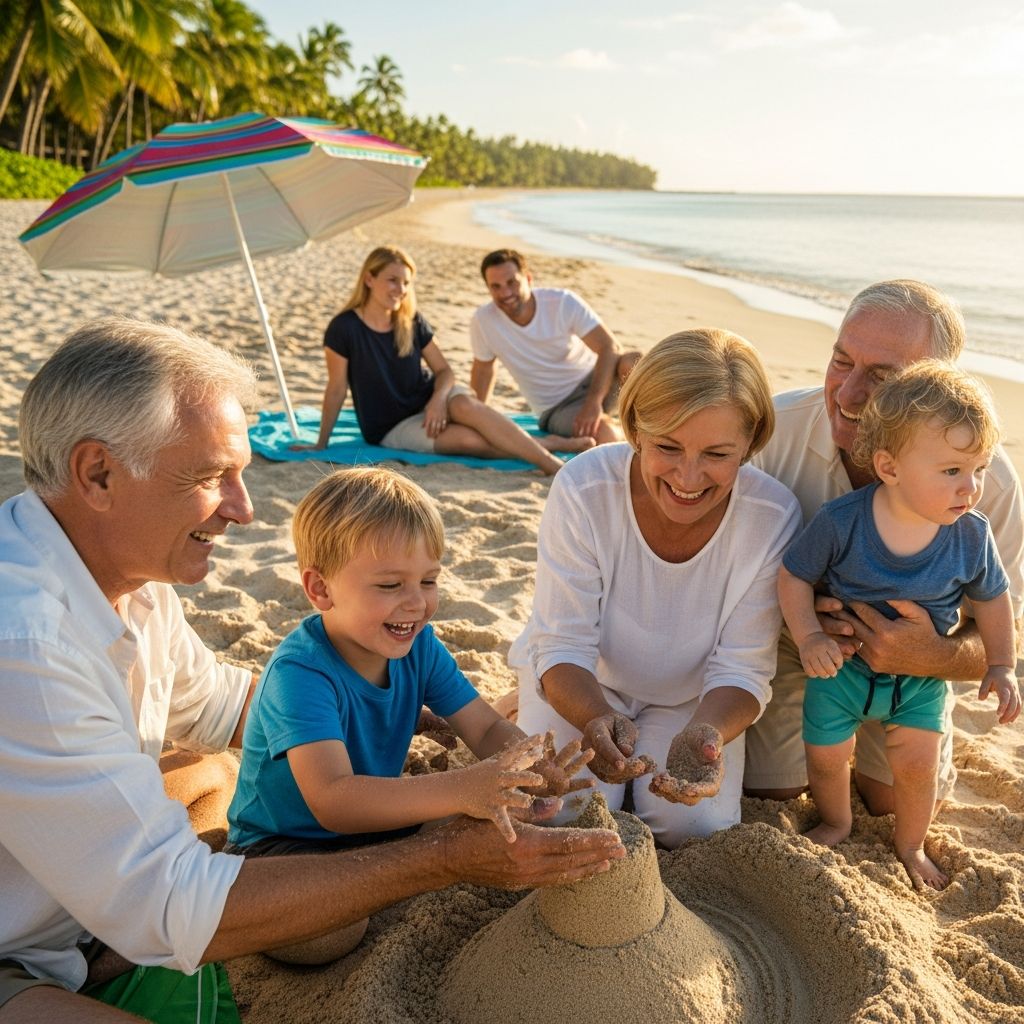
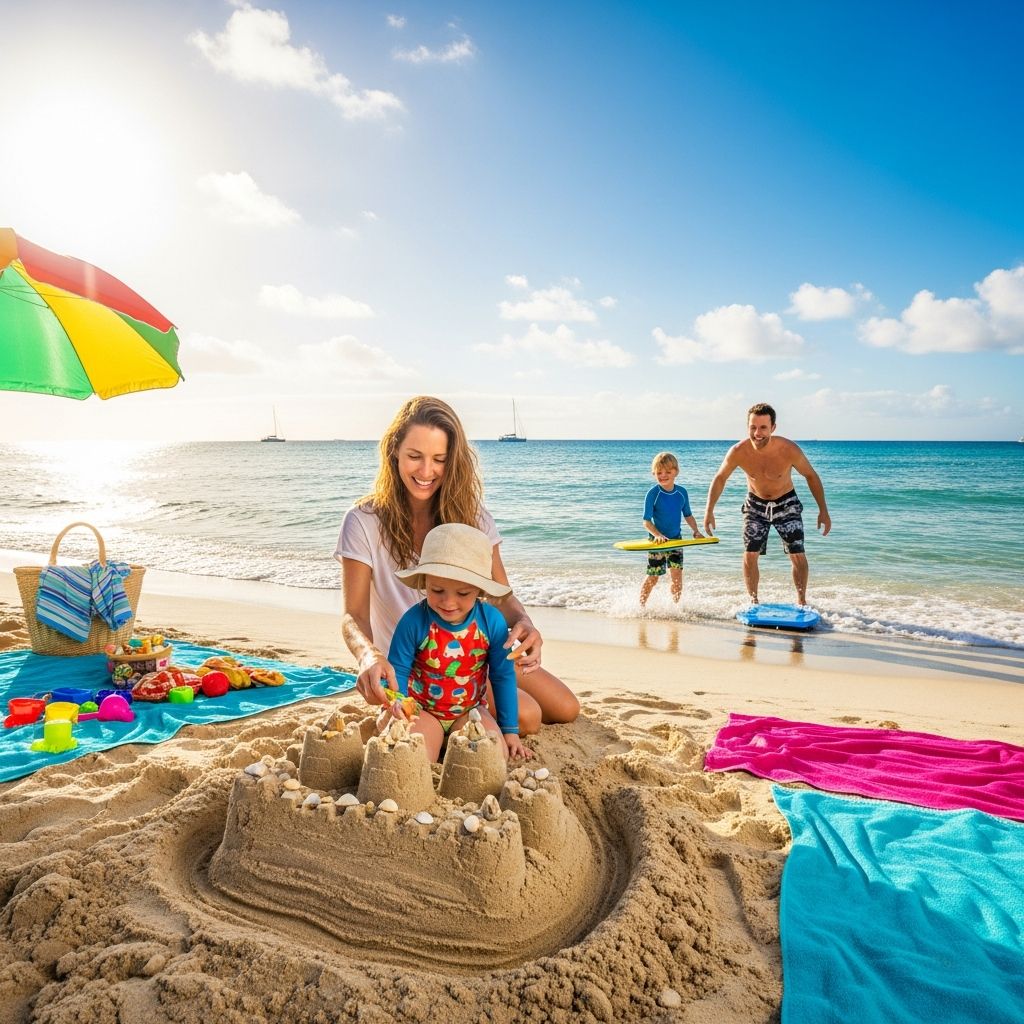
Keep engagement high with low-effort, high-reward pursuits. Dig massive sandcastles or moats, using hands or shells to minimize gear. Hunt treasures like colorful shells, shark teeth at low tide, or create art by drawing in wet sand. Tide pools invite gentle exploration of crabs and anemones—supervise to protect critters.
For variety, incorporate body surfing on small waves or kite flying on breezy days. Transition to calmer pursuits like shell sorting or storytelling circles under shade. Balance with downtime: beach reads for parents, quiet play for kids.
- Early morning shell hunts.
- Midday sand sculptures.
- Afternoon wave chasing.
- Evening sunset picnics.
Choosing Accommodations and Destinations
Family-friendly spots amplify success. Seek resorts with beach gear rentals—chairs, umbrellas, towels—to lighten loads. Destinations like Cape May offer calm waters, boardwalks, and kid zones alongside adult pursuits like biking.
Opt for suites with kitchens to whip up picnics, saving time and cash. Proximity to beaches cuts transit stress; shuttles or short walks ideal. Budget via advance bookings and freebies: zoo visits, beach movies.
Nutrition and Cleanup Hacks
Fuel with portable meals: wraps, yogurt parfaits. Post-play, utilize beach rinses to sluice salt and sand before cars. Baby powder shakes off stubborn grit; stash damp towels separately.
For naps, craft zones with weighted blankets mimicking wave rhythms, lulling toddlers effortlessly.
Budgeting for Repeated Bliss
Keep costs low: rent gear, pack meals, seek free events. Early planning unlocks deals; balance paid adventures like dolphin tours with no-cost walks.
Frequently Asked Questions
What’s the best time for a family beach day?
Mornings before 10 a.m. and afternoons post-3 p.m. avoid heat and crowds, aligning with low tides for more play space.
How do I protect kids from sunburn?
Use SPF 50+ sunscreen, rash guards, hats, and shade tents; reapply frequently, especially after water exposure.
What gear simplifies beach trips?
A wagon, canopy, lightweight chairs, and rinse bags handle transport, comfort, and cleanup seamlessly.
Are rip currents a big risk?
Yes; swim parallel to shore if caught, and always supervise near water.
What activities engage toddlers?
Sand digging, tide pool peeking, and inflatable pools keep them safe and stimulated.
References
- Tide Charts and Beach Safety — National Ocean Service, NOAA. 2025-06-15. https://oceanservice.noaa.gov/education/tutorial_tides/tides02_intro.html
- Rip Current Safety — U.S. Lifesaving Association. 2025-08-01. https://www.usla.org/page/ripcurrents
- UV Index and Sun Safety Guidelines — Centers for Disease Control and Prevention (CDC). 2025-04-22. https://www.cdc.gov/radiation-health/features/uv-sun-safety.html
- Family Beach Activities — National Park Service. 2025-07-10. https://www.nps.gov/subjects/beaches/safety.htm
- Coastal Destination Planning — Cape May County Tourism. 2025-05-20. https://www.capemaycountynj.gov/