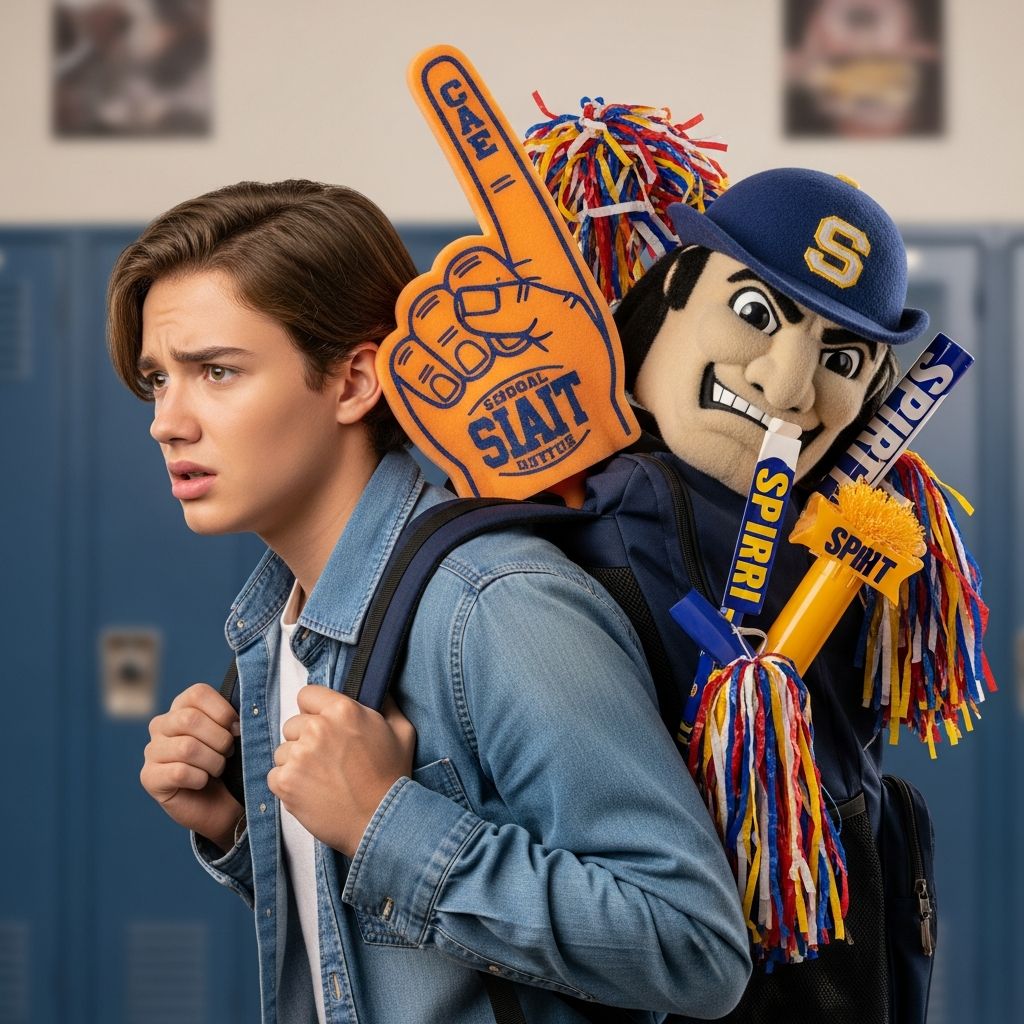
School spirit days have become a staple in modern education, intended to spark excitement and camaraderie among students. However, their proliferation raises serious questions about their true value versus the burdens they impose on teachers, parents, and children alike. What starts as harmless fun often morphs into mandatory participation that excludes many and drains resources.
The Hidden Toll on Educators and Staff
Teachers bear the brunt of organizing these events, spending countless hours planning themes, decorations, and activities. This unpaid labor disproportionately affects female educators, who frequently handle the creative and logistical demands. In one account, a high school psychology teacher described a toxic environment where about 20 spirit days per year exacerbate divisions, with only a privileged few participating.
Middle school librarians and teachers echo this frustration, noting that while spirit days aim to restore post-pandemic joy, they often fall flat. Students, especially those affected by remote learning, frequently opt out, leaving educators questioning the return on investment. The pressure intensifies from social media, where schools must produce Instagrammable moments, turning genuine connection into performative content.
Exclusionary Themes That Divide Rather Than Unite
Many spirit day ideas inadvertently—or sometimes overtly—alienate students. Themes requiring pairs, like “twin day,” leave solitary children feeling isolated, amplifying loneliness in an already challenging school environment. Families with limited budgets struggle to buy matching outfits, highlighting socioeconomic disparities.
Gendered themes, such as “girls vs. boys,” reinforce stereotypes and exclude non-binary or transgender students, potentially fueling bullying. Relationship-status days like “stoplight day”—green for single, red for taken—pressure preteens into adult-like social dynamics, defining worth by romantic involvement.
- Crazy Hair Day: Often mocks cultural hairstyles, disproportionately affecting Black students who face hair policing.
- Identity-Based Days: “Hobo,” “thug,” or “redneck” themes stereotype marginalized groups, turning identities into costumes.
- Sports or Class Wars: Pit groups against each other, fostering rivalry over unity.
These examples illustrate how spirit weeks, meant to build belonging, exacerbate outsider feelings.
Cultural Insensitivity and Social Media Pressures
Spirit days frequently appropriate cultures without context, from Native American costumes to outlandish hair mimicking protective styles. Unofficial events have sparked backlash, forcing administrative interventions. Students voice concerns over inclusivity, arguing themes like “toes out Tuesday” feel arbitrary and unengaging.
Social media amplifies issues: helicopter parents demand photo ops for their children’s highlight reels, creating a “haves vs. have-nots” dynamic. Schools chase viral content via Instagram, prioritizing aesthetics over substance, which trains kids to consume experiences rather than authentically participate.
Impact on Learning and Daily School Life
With school days already packed, spirit events disrupt routines. A Chicago middle school teacher laments long days, insufficient recess, and excessive testing, viewing spirit days as a band-aid for missing joy. Yet, they correlate with short-term learning dips, as focus shifts to costumes over curriculum.
Post-COVID, attendance incentives drive some themes, but genuine fun requires more recess, arts, and play—not manufactured events. Pinterest-inspired decorations from young, childless teachers add to the frenzy, glorifying over-the-top participation.
| Problem | Impact on Students | Impact on School |
|---|---|---|
| Exclusionary Themes | Increased isolation | Reduced morale |
| Teacher Burden | Inconsistent execution | Burnout and turnover |
| Social Media Focus | Performance anxiety | Superficial community |
| Disrupted Schedules | Learning gaps | Administrative strain |
Why the Proliferation? A Deeper Look
Spirit days surged post-shutdowns to combat disengagement, mimicking holiday trends like Elf on the Shelf that parents expect schools to replicate. Administrators seek “community effervescence” amid rigid curricula and reduced playtime. Student councils, often unrepresentative, push themes favored by higher-income groups.
However, this reflects broader parenting struggles: pressure for constant fun amid academic rigor. Schools can’t fund alternatives, so free(ish) spirit days fill the void—until costs mount in time and equity.
Balanced Alternatives for Real Engagement
Rather than scrapping spirit entirely, pivot to inclusive, low-pressure options that everyone can join without spending or pairing up.
- Class Color Days: Assign colors by grade; wear what you have at home.
- Pajama or Mismatch Day: Comfortable, no purchases needed; celebrates individuality.
- School Colors Pride: Simple unity without mockery.
- Career or Talent Showcases: Builds skills and aspiration over gimmicks.
- More Recess and Arts: Invest in unstructured play for organic joy.
Parents can advocate: survey preferences, prioritize equity, and limit to 4-6 events yearly. True change comes when communities demand it.
Voices from the Trenches: Teacher Perspectives
“Spirit days are a free way to add levity, but parents and social media set unrealistic expectations.” — Middle School Teacher, Chicago
“It’s superficial inclusion, often culturally offensive, driven by Instagram needs.” — Pacific Northwest Librarian
These insights reveal a consensus: spirit must evolve.
Frequently Asked Questions
What makes a spirit day inclusive?
Choose themes requiring no purchases, pairs, or identity mockery. Focus on school pride or personal expression, like favorite book character day with everyday clothes.
How many spirit days are too many?
Aim for 4-6 per year to avoid overload. Tie them to meaningful events like homecoming, not weekly distractions.
Can parents push back effectively?
Yes—attend meetings, propose surveys, and highlight equity issues. Collective parent voices drive policy shifts.
Do spirit days boost attendance?
Sometimes short-term, but long-term engagement needs better recess, arts, and support, not costumes.
What about cultural themes?
Avoid them unless led by affected students with education. Opt for neutral fun to prevent appropriation.
Path Forward: Sustainable School Joy
Reimagining spirit means prioritizing belonging over buzz. Shorten school days, expand recess, and integrate arts—these foster lasting pride without exhaustion. Parents, teachers, and admins must collaborate for events that uplift all, not just the few. By addressing root causes like testing overload and play deficits, schools can cultivate authentic community.
Ultimately, spirit thrives in balance: occasional highlights amid steady, joyful routines. It’s time to retire the excess and embrace what truly unites.
References
- What Teachers Really Think About All Those Spirit Days — Anne Helen Petersen, AnneHelen.substack.com. 2023. https://annehelen.substack.com/p/what-teachers-really-think-about
- Theme Days Schools Should Avoid (and What To Do Instead) — WeAreTeachers. 2023. https://www.weareteachers.com/theme-days-to-avoid/
- Why Spirit Week is a Problem — Education World. 2022. https://www.educationworld.com/teachers/why-spirit-week-problem
- Unofficial Senior Spirit Week Sparks Controversy — Niles West News. 2018-04-19. https://nileswestnews.org/16166/news/unofficial-senior-spirit-week-sparks-controversy/