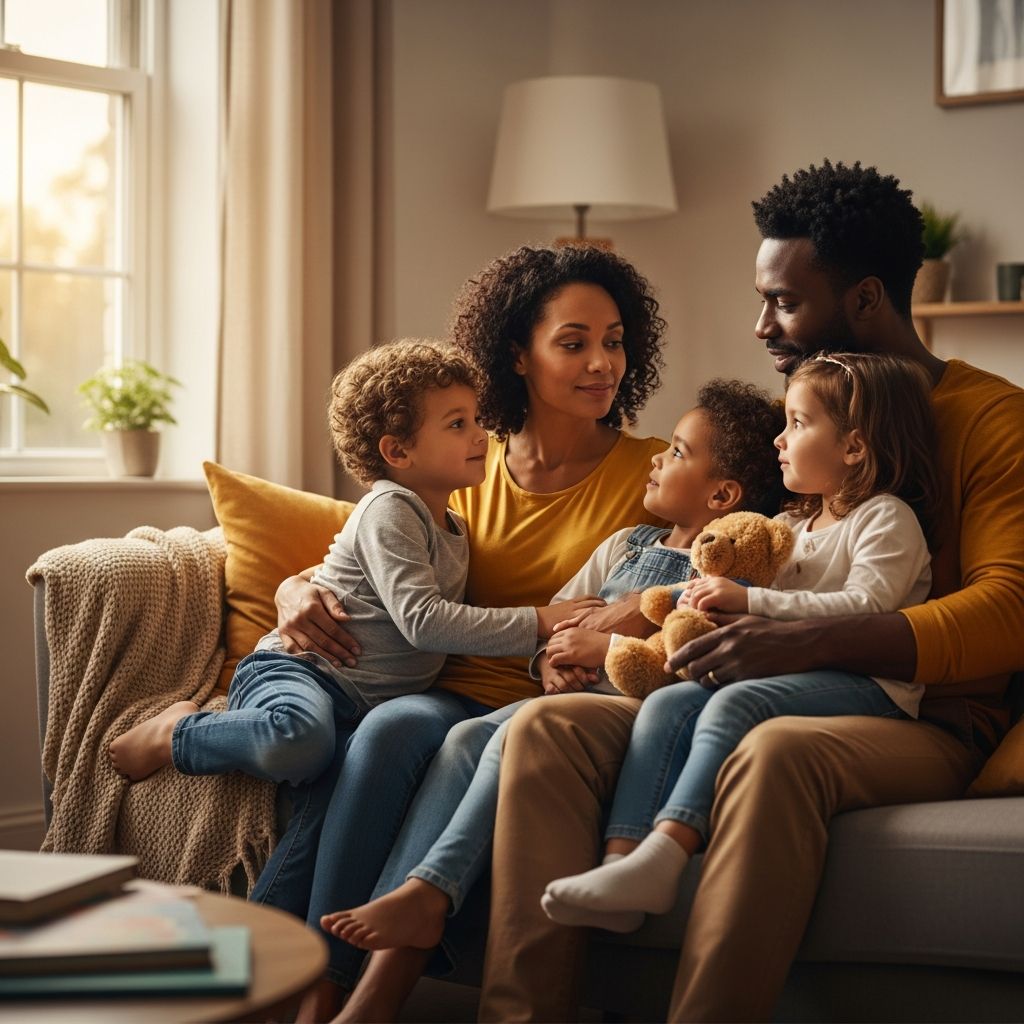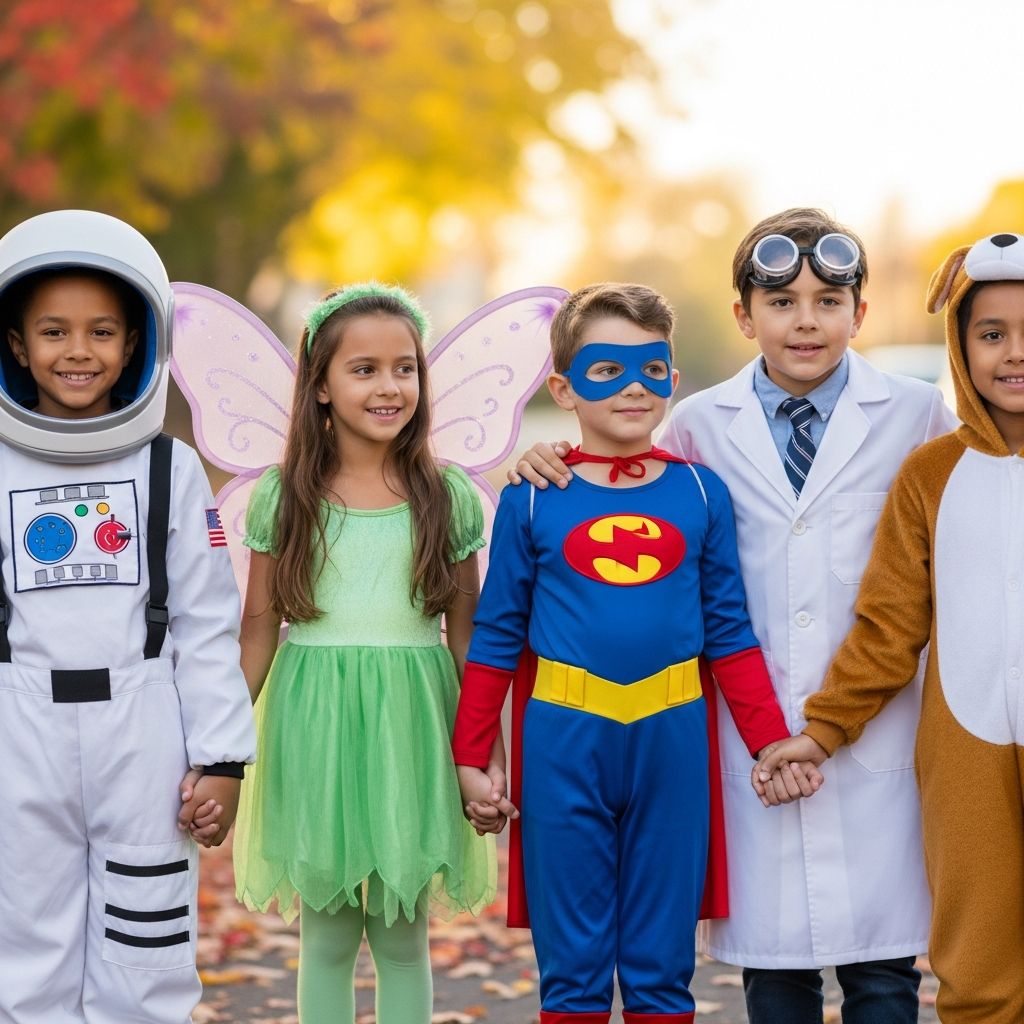
Halloween can be magical for children: they get to dress up, use their imagination, and step into a different role for a night. It can also be a powerful teaching moment for families about kindness, empathy, and cultural respect. With a little guidance, parents can help kids enjoy costumes that are creative and fun without hurting or belittling anyone else.
Why Costume Choices Matter More Than Ever
In a diverse world, certain Halloween costumes can unintentionally mock deeply held traditions, turn someone’s identity into a joke, or make light of real suffering. What feels like playful make-believe to one child may feel like a painful reminder of discrimination or loss to another. Helping children understand this early teaches them that their choices have impact, even when their intentions are good.
Kids are still learning how history, power, and stereotypes work, and they often view costumes as simple dress-up. Adults can bridge that gap by explaining that some outfits represent real people and real communities, not fictional characters. When families talk openly about these issues, children learn that respect is just as important as fun.
Core Principles of Respectful Costumes
Instead of memorizing a long list of “good” and “bad” costumes, it helps to teach kids a few guiding principles they can apply to any idea. These principles support empathy and give children tools for making thoughtful decisions long after Halloween is over.
- Honor people, don’t reduce them. Costumes that turn entire groups into jokes or exaggerated stereotypes are hurtful, even if they seem silly or harmless at first glance.
- Separate culture from characters. Dressing as a favorite fictional hero is different from turning sacred clothing, hairstyles, or symbols into a prop.
- Consider history and power. When a group has faced oppression, their dress, religion, or identity is not a costume for others to borrow for a night.
- Choose empathy over laughs. If the costume’s main goal is to shock, provoke, or make fun of someone, it is a sign to choose something else.
Understanding Cultural Appropriation in Kid-Friendly Terms
“Cultural appropriation” can sound like heavy jargon, but the basic idea is simple: it happens when someone from a more dominant or privileged group takes aspects of another culture—especially one that has been mistreated or marginalized—and uses them as decoration, entertainment, or fashion without understanding or respecting their meaning.
For children, it helps to compare cultures to treasured family traditions. Just as a child might feel hurt if a stranger mocked their family’s holiday, language, or religious practices, people from other communities feel pain when their sacred clothing or symbols are used for jokes or spooky fun.
Common Costume Red Flags to Watch For
Not every costume is obvious at first glance. These red flags help parents quickly spot outfits that may be insensitive or offensive, especially when scanning store racks, online shops, or social media ideas.
- Cultures turned into costumes. Outfits labeled as a nationality, race, or broad cultural group (for example, an entire ethnic group as a costume category) treat real people like themes instead of individuals.
- Exaggerated physical features. Fake skin tones, cartoonish facial features, and props that mimic racial traits (like oversized lips or caricatured eyes) often trace back to long histories of mockery.
- Religious and sacred items as props. Headdresses, sacred garments, turbans, bindis, or other items that carry spiritual significance should not be used as party accessories.
- Disasters and tragedies mocked. Costumes that joke about wars, pandemics, poverty, or recent tragedies can reopen wounds for people who lived through those events.
- Crime, oppression, or hatred made playful. Dressing as perpetrators of violence, hate groups, or notorious criminals often normalizes harm that is still deeply traumatic for many families.
Help Kids Sort Costumes With This Simple Table
The table below offers a quick reference for discussing costume ideas with children. Use it as a conversation starter, not a rigid rulebook, and adapt the examples to your family’s experiences.
| Costume Idea Type | Usually Fine | Needs Care or Avoid | Guiding Question for Kids |
|---|---|---|---|
| Fictional characters | Robots, dragons, generic witches, superheroes from made-up worlds | Characters closely tied to a real culture’s sacred clothing or ceremony | “Is this character connected to real religious or cultural practices I might not understand?” |
| Professions and roles | Doctor, scientist, astronaut, teacher, chef, firefighter | Roles that echo real-world oppression (for example, notorious colonizers or oppressive leaders) | “Does this role remind people of harm or injustice that still affects them?” |
| Historical figures | Inventors, civil rights leaders, artists, musicians treated with respect | Figures known for violence, racism, or genocide | “Am I honoring this person’s legacy, or turning serious history into a joke?” |
| Culture and identity | Celebrating one’s own heritage through traditional dress with family guidance | Using someone else’s sacred clothing, hairstyle, or body features as fashion or humor | “Am I pretending to be a whole culture, or just one respectful character?” |
| Scary themes | Monsters, ghosts, classic story villains | Costumes that rely on mental illness, disability, or trauma to be “scary” | “Is this scary because it is make-believe, or because it jokes about real people’s pain?” |
Explaining the Issues to Children Without Shame
Children learn best when they feel safe, curious, and respected. The goal is not to make them feel guilty for liking a costume they saw, but to help them think more deeply about why certain outfits are hurtful and what better choices might look like.
When a child suggests a questionable costume, respond with patience and questions rather than instant rejection. Ask what they like about the idea, listen carefully, and then gently connect the dots between that costume and the people it may affect. This keeps the door open for future conversations rather than shutting them down.
Conversation Starters Parents Can Use
Sometimes the hardest part is knowing how to begin. The sample phrases below can be adapted to fit different ages and personalities while keeping the tone supportive and thoughtful.
- Invite curiosity: “Tell me what you like most about this costume. Is it the colors, the story, or the powers?”
- Introduce empathy: “How do you think someone from that culture or group might feel if they saw this costume on Halloween?”
- Explain impact: “Even if you mean no harm, some people might feel like their real lives are being turned into a joke. That’s why we try to choose costumes that don’t hurt anyone.”
- Guide toward alternatives: “You like this character’s bravery and leadership. How else could we show that without dressing as their entire culture?”
- Encourage growth: “It is okay to change your mind when you learn new information. That is a sign of maturity and kindness.”
Age-Appropriate Approaches From Toddlers to Teens
The way you explain offensive costumes will naturally change as children grow. Younger kids need simple, concrete language, while older children and teens can engage with history and nuance. Tailoring the conversation keeps it meaningful at every stage.
- Preschoolers: Focus on feelings and fairness. Phrases like “We never dress up in a way that hurts someone’s heart” can be enough.
- Elementary kids: Add simple history and context. Explain that some clothing and symbols are very special to certain communities and should not be used as toys.
- Preteens and teens: Discuss stereotypes, discrimination, and media images. Ask how they think social media and movies influence costume trends and what responsibility they have to push back.
Fun, Creative, and Respectful Costume Ideas
Respectful does not mean boring. Children can express themselves and celebrate their heroes in ways that honor others’ dignity. Emphasizing creativity and personality helps them feel excited about choosing kinder options.
- Imagination-powered costumes: Invented superheroes, mash-up characters (such as a scientist-wizard), and storybook creatures made from household items.
- Interest-based costumes: Outfits inspired by hobbies like music, sports, space, nature, or art, such as “galaxy explorer” or “garden guardian.”
- Community helpers: Doctors, nurses, postal workers, teachers, bus drivers, or sanitation workers who keep neighborhoods running smoothly.
- Science and nature: Planets, weather patterns, animals, plants, and natural phenomena such as rainbows or comets.
- Historical appreciation: Inventors, writers, and changemakers portrayed respectfully, with a chance to talk about their contributions.
What if Your Child’s Costume Hurts Someone?
Despite best intentions, there may be times when a costume choice offends a classmate, neighbor, or friend. This is not the end of the world, but it is an important opportunity to model accountability. Children watch closely to see how adults respond to mistakes.
If someone speaks up, listen without becoming defensive. Acknowledge their feelings, thank them for sharing, and talk with your child privately about what happened. Help your child understand why the costume was hurtful, support them in offering a sincere apology, and work together on a different idea for the future.
Building a Family Culture of Respect All Year
Handling offensive costumes is easier when children are already familiar with concepts like inclusion, kindness, and fairness. Reading books with diverse characters, watching media from different cultures, and talking about history throughout the year provide a strong foundation.
Halloween then becomes one more chance to live out those values, not a one‐night exception. When kids see their families consistently respecting others’ traditions and identities, they learn that empathy is not temporary or seasonal—it is part of who they are.
Frequently Asked Questions About Kids’ Halloween Costumes
Is it ever okay for my child to dress as a person from another culture?
Context matters. Dressing as a specific, well‐known character who is treated with respect in books or films is different from using an entire culture as a costume. It becomes problematic when the outfit relies on stereotypes, sacred objects, or exaggerated traits instead of focusing on the character’s personality and story.
What if my child wants to honor a hero who is from a different background?
Encourage honoring the hero’s values and actions rather than copying every visual detail of their culture. Focus on traits like courage, creativity, or leadership, and avoid items that are religious or sacred. You can also use this interest as a chance to learn more about the hero’s community and listen to voices from that culture about what feels respectful.
How do I handle relatives who say people are “too sensitive” about costumes?
Family members may remember a time when certain costumes were common and rarely challenged. You can explain that understanding grows over time and that children today are learning more about diversity and history. Emphasize that the family values kindness and that choosing different costumes is a simple way to avoid causing unnecessary harm.
Can children wear traditional clothing from their own heritage?
Yes, many families enjoy sharing their own cultural or religious clothing during celebrations, including Halloween, as long as it is done with care and understanding. The key difference is that they are representing their own identity, not treating another community’s traditions as pretend or disposable.
What if my child has already worn an offensive costume in the past?
Instead of dwelling on guilt, frame this as an opportunity to grow. You can say that you have learned more since then and now understand why certain choices can be hurtful. Modeling change and openness to new information teaches children that learning is lifelong and that doing better in the future is what truly counts.
Turning Halloween Into a Teachable Moment
With a bit of guidance, Halloween can be both joyful and thoughtful. Parents can use costume planning as a time to talk about respect, listen to children’s ideas, and practice seeing the world through other people’s eyes. The result is not only better costumes, but also kinder, more aware kids.
When families choose fun that does not come at someone else’s expense, Halloween becomes safer and more welcoming for everyone in the community. Those lessons last long after the candy is gone and the decorations are packed away.