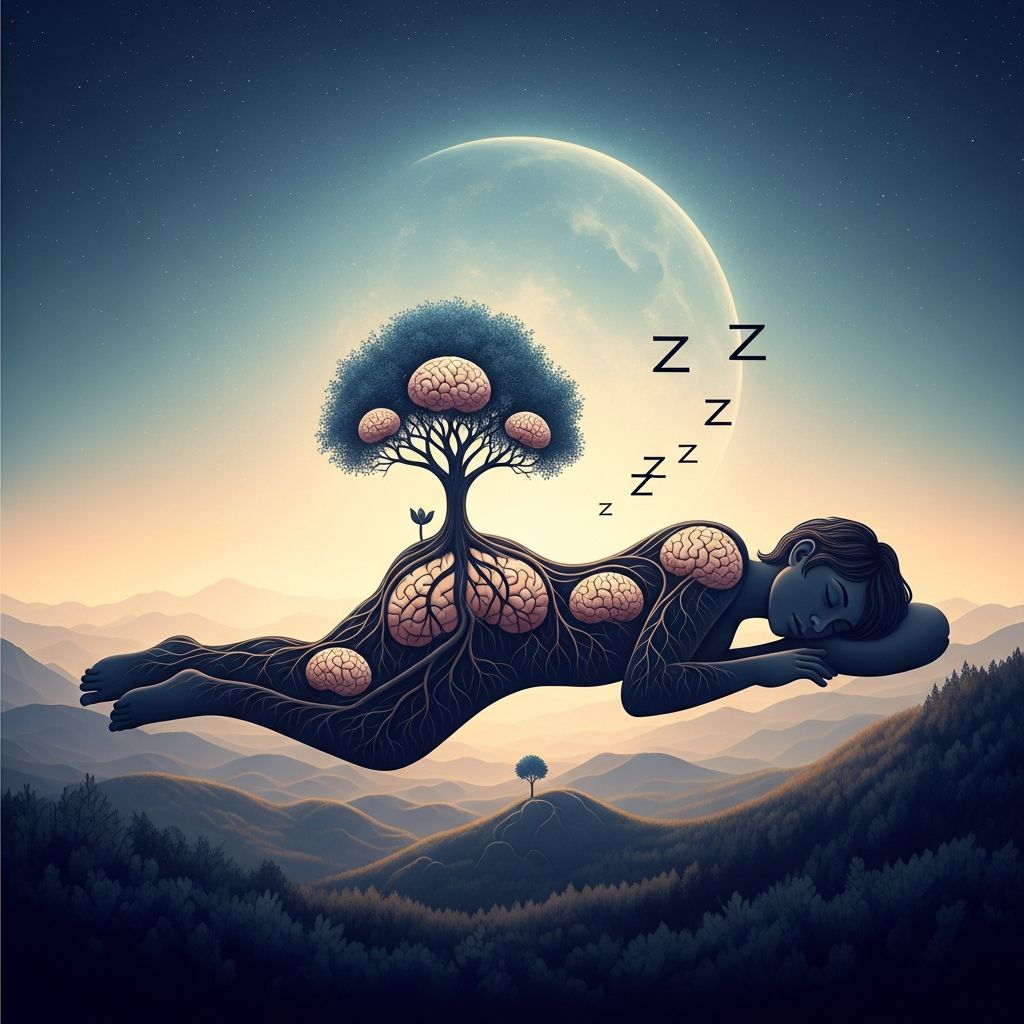
During adolescence your body grows faster and changes more dramatically than at almost any other time after infancy. While nutrition and activity get a lot of attention, deep and regular sleep quietly drives much of this transformation. Understanding how sleep and growth are linked can help you build habits that support your height, strength, brain power, and emotional balance.
Why Sleep Matters So Much During the Teen Years
Sleep is not just a break from your day; it is an active biological process where repair, growth, and reorganization are happening all over your body. For teenagers, these processes run at high speed because puberty triggers growth spurts, hormone surges, and brain rewiring that depend heavily on consistent, high-quality rest.
When you fall asleep, your brain cycles through different stages, including deep sleep and rapid eye movement (REM) sleep. Deep sleep is especially important in adolescence because it is closely tied to the release of growth-related hormones and to the strengthening of connections between nerve cells. REM sleep, on the other hand, supports memory, learning, and emotional processing.
How Much Sleep Do Teens Actually Need?
Most teens function best with around 8 to 10 hours of sleep each night, though exact needs vary from person to person. Some feel fully rested at the lower end of that range, while others require closer to 9 or more hours to think clearly and feel emotionally steady.
Getting less than about 8 hours on a regular basis can gradually add up to a large “sleep debt.” Even if you feel like you have adapted, this debt can slow reaction times, cloud your thinking, and interfere with normal growth and hormone balance. Naps and weekend catch-up sleep can help a little, but they rarely replace the benefits of a steady nightly schedule.
| Age Group | Recommended Sleep Range | What Often Happens |
|---|---|---|
| Preteens (9–12 years) | 9–12 hours per night | Bedtimes often controlled by adults; sleep is usually closer to ideal, but screens can still reduce total hours. |
| Young teens (13–15 years) | 8.5–10 hours per night | Homework, activities, and later biological sleep timing start to push bedtimes later, making full rest harder. |
| Older teens (16–18 years) | 8–10 hours per night | Early school start times and social life often limit sleep to 6–7 hours on school nights. |
The Science of Growth: What Happens While You Sleep
Growth is not a constant process that happens evenly across the day. During deep stages of sleep, your brain signals the release of hormones that tell bones, muscles, and organs to build new tissue and repair damage from normal daily wear and tear. This is especially noticeable during puberty when your skeleton lengthens, muscle mass increases, and organs mature.
One of the key hormones involved is growth hormone. Its levels tend to peak early in the night during the deepest sleep phases. Teens who consistently cut their sleep short or go to bed extremely late may interfere with the timing and strength of these hormone surges, potentially affecting how well their bodies build and repair tissue, even if the total hours of sleep seem reasonable.
How Sleep Supports Height and Bones
The long bones in your legs, arms, and spine lengthen throughout adolescence, especially during growth spurts. Sleep provides the stable conditions for bone-building cells to lay down new material and for your body to regulate calcium and other minerals. Poor sleep, particularly over many months, can disrupt the delicate balance between bone building and breakdown.
Because bones grow in quick bursts rather than smoothly, you may notice times when you feel extra tired or hungry. Those periods can coincide with accelerated growth, making restful sleep even more valuable for supporting proper posture, bone strength, and overall frame development.
How Sleep Helps Muscles and Recovery
Teen bodies respond strongly to physical activity, sports, and strength training. During sleep your muscles repair small tears created by exercise, build new protein, and adapt to the demands you place on them. Skimping on sleep can slow muscle recovery and make you more vulnerable to sports injuries or chronic soreness.
For student athletes or physically active teens, consistent sleep can act like an extra training tool. It supports better performance by improving coordination, reaction time, and endurance while also reducing the risk of overtraining symptoms such as fatigue, irritability, and plateaus in strength or speed.
Brain Development: Why Sleep Shapes How You Think and Feel
While your body grows taller and stronger, your brain is quietly reorganizing how it processes information, controls impulses, and regulates emotions. Sleep is a key driver of these changes because it helps prune unused neural connections while strengthening pathways you use frequently through studying, practicing skills, and social interactions.
During adolescence, the brain areas involved in planning, judgment, and self-control continue to develop. Adequate sleep supports this maturation by allowing your brain to consolidate memories, fine-tune attention networks, and balance chemical signals that affect mood and motivation.
Sleep, Learning, and School Performance
Trying to learn while sleep-deprived is like trying to run a marathon with a half-empty fuel tank. When you sleep, especially during certain stages of non-REM and REM sleep, your brain replays and stores what you experienced during the day. This process strengthens new information, skills, and problem-solving strategies.
Teens who regularly stay up late to study may briefly improve short-term recall, but over time lack of sleep can undermine concentration, memory, and creativity. A well-rested brain is better at organizing complex information, understanding new concepts, and performing under pressure during exams or presentations.
Sleep and Emotions
Hormone shifts in adolescence can make emotions feel intense even under the best circumstances. Inadequate sleep adds fuel to this fire by lowering your threshold for stress, frustration, and sadness. The parts of the brain that help you regulate reactions and interpret others’ expressions function more smoothly when you are rested.
Teens who regularly miss out on sleep often report feeling more anxious, moody, or unmotivated. Over time chronic sleep loss can contribute to more serious mental health concerns, including persistent low mood and difficulty coping with everyday challenges. Prioritizing sleep is not a cure-all, but it is a powerful foundation for emotional resilience.
Why Teen Sleep Patterns Naturally Shift Later
Many teens feel naturally wide awake late at night and groggy early in the morning. This is not just about habits; it is partly biological. During puberty, your internal body clock, also called the circadian rhythm, tends to shift later. This means you may not feel sleepy until later in the evening compared with when you were a child.
At the same time, school start times, early bus pickups, and packed schedules usually do not adjust to this later internal clock. The result is a mismatch between when your body wants to sleep and when you must wake up. Over time, this mismatch can create chronic sleep deprivation, especially on school nights.
External Factors That Push Bedtime Even Later
Beyond biology, modern life introduces many things that can delay bedtime even more. Bright screens, social media, games, and streaming keep your brain stimulated and expose your eyes to light that signals “daytime” to your internal clock. This light can slow the natural rise of sleep-promoting hormones.
Homework loads, part-time jobs, and late practices or rehearsals also cut into available sleep time. When all of these factors stack together, even a teen who wants to sleep earlier may find it hard to unwind and fall asleep at a healthy hour.
Warning Signs You May Not Be Getting Enough Sleep
It can be tricky to judge your own sleep because feeling tired may start to seem normal. Pay attention to patterns over several weeks rather than focusing on just one bad night. Repeated signs of poor rest suggest that your body and brain are not getting the time they need to recover and grow.
- Struggling to wake up for school even after multiple alarms.
- Falling asleep in class, on the bus, or during short car rides.
- Needing large amounts of caffeine or energy drinks just to function.
- Finding it hard to focus, remember details, or follow conversations.
- Feeling unusually irritable, down, or easily overwhelmed.
- Regularly sleeping much longer on weekends than on school nights.
If several of these apply to you most weeks, your sleep schedule may be undermining your health and growth. Making even small improvements in your nightly routine can start to reverse this pattern.
Building a Teen-Friendly Sleep Routine
Creating better sleep habits does not mean giving up everything you enjoy. Instead, it means arranging evenings in a way that supports your body’s natural rhythms and leaves enough time for deep, uninterrupted rest. Think of it as designing a routine that works with your biology instead of fighting it.
Evening Habits That Support Growth and Rest
- Set a consistent sleep schedule. Aim to go to bed and wake up at roughly the same times every day, including weekends, so your body clock learns when to feel sleepy and alert.
- Create a 30–60 minute wind-down period. Use this time for calming activities like reading, stretching, journaling, or listening to soft music so your brain can shift out of “high gear.”
- Limit screens before bed. Reduce phone, tablet, and computer use at least 30 minutes before sleep, or use blue-light filters and night modes to lessen the impact of bright light.
- Keep your sleep space comfortable. Aim for a cool, dark, and quiet room, and reserve your bed mainly for sleep and relaxation so your brain associates it with rest.
- Watch late-night snacks and drinks. Large meals, heavy junk food, and caffeinated beverages close to bedtime can interfere with falling asleep and staying asleep.
Daytime Choices That Improve Nighttime Sleep
- Move your body. Regular physical activity, even a brisk walk, helps you fall asleep more easily at night and promotes deeper sleep stages that support growth.
- Get morning light. Spending time outdoors or near a bright window early in the day helps reset your internal clock and makes it easier to feel sleepy at night.
- Use naps wisely. Short naps of 20–30 minutes earlier in the day can help if you are exhausted, but long or late naps can make it harder to sleep at night.
- Time caffeine carefully. If you use caffeine, try to avoid it in the late afternoon and evening so it does not keep your brain overly alert at bedtime.
Common Myths About Teen Sleep and Growth
Misunderstandings about sleep can lead teens to underestimate how vital it really is for healthy development. Clearing up a few common myths can make it easier to prioritize rest without feeling like you are giving up your social life or academic goals.
| Myth | Reality |
|---|---|
| “I can just catch up on weekends.” | Weekend sleeping in helps a little, but it does not fully repair the effects of long-term sleep loss on growth, mood, and learning. |
| “If I’m not tired, my body must not need sleep.” | Teens can feel alert late at night even when their bodies need rest, especially with bright screens or stimulating activities. |
| “Short sleepers are just built differently, so it’s fine.” | A very small number of people naturally need less sleep, but most teens function best with 8–10 hours a night. |
| “Sleep doesn’t really affect how tall I’ll be.” | Genetics set a range for height, but chronic poor sleep can interfere with growth hormone patterns and overall physical development. |
| “Staying up late to study is always worth it.” | Occasionally staying up may happen, but regularly sacrificing sleep weakens memory and concentration, working against your study goals. |
When to Talk to an Adult or Health Professional
Some sleep problems go beyond busy schedules or heavy screen use. If you routinely struggle to fall asleep, wake up often in the night, or feel exhausted even after a full night in bed, it may help to speak with a parent, caregiver, or healthcare provider. Certain medical or mental health conditions can disrupt sleep and may need specific treatment or support.
Red flags include loud snoring, gasping during sleep, leg discomfort that makes it hard to stay still, or persistent worries and racing thoughts that keep you awake. Addressing these issues early can protect both your immediate quality of life and your long-term growth and development.
Frequently Asked Questions About Teen Sleep and Growth
1. Can lack of sleep permanently stunt my growth?
Occasional late nights are unlikely to change your final height, especially if you usually sleep well. However, chronic sleep deprivation over many months or years can disrupt hormone patterns, make it harder for your body to build and repair tissue efficiently, and may affect how fully you reach your physical potential.
2. If I feel fine on 6 hours, do I still need more?
Feeling “used to” short sleep does not always mean your body is thriving. Many teens adapt to ongoing tiredness and only realize how much better they can think, feel, and perform when they finally start sleeping more. Paying attention to mood, focus, and physical performance over time can give you better clues than how you feel on a single day.
3. Does napping replace nighttime sleep?
Short naps can be helpful if you are extremely tired, but they do not fully substitute for long stretches of nighttime sleep. Deep, continuous sleep is especially important for hormone release, brain reorganization, and memory consolidation, all of which support growth and learning.
4. Is it bad if my sleep schedule is very different on weekends?
Large swings between weekday and weekend schedules can confuse your internal clock, making it harder to fall asleep and wake up on time during the school week. Keeping wake-up and bedtime within about 1–2 hours of your usual routine, even on days off, helps your body know what to expect.
5. What should I do if stress or worry keeps me awake?
Stress is a common reason teens have trouble falling asleep. Building a calming pre-bed routine, writing down worries earlier in the evening, and practicing relaxation techniques like slow breathing can help. If worries feel overwhelming or do not improve, talking with a trusted adult, counselor, or healthcare provider is an important next step.
Putting It All Together
Sleep, growth, and teen life are tightly connected. Your body uses night hours to grow taller, strengthen bones and muscles, organize memories, and stabilize emotions. By giving sleep the same importance as nutrition, exercise, and schoolwork, you invest in a healthier present and a stronger future.
You do not have to redesign your life overnight. Start with one or two small changes, such as a regular bedtime or a short screen-free wind-down period, and notice how your energy, mood, and performance shift over a few weeks. These gradual adjustments can help your body make the most of this powerful time of growth.