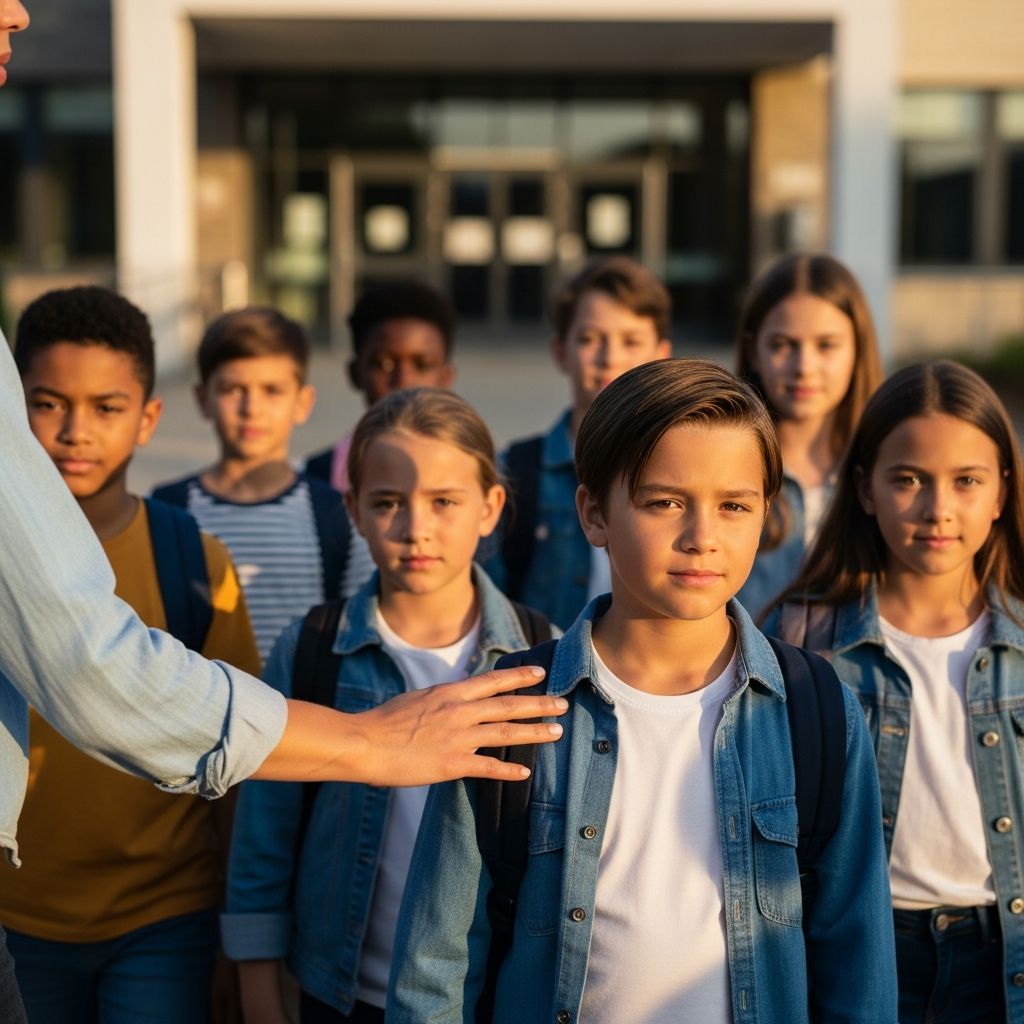
Bullying affects millions of children worldwide, leading to emotional distress, academic struggles, and long-term mental health challenges. As a parent, your proactive involvement can make a profound difference in safeguarding your child’s well-being and helping them navigate these difficult experiences effectively.
Recognizing the Signs of Bullying in Your Child
Early detection is crucial for timely intervention. Children experiencing bullying may exhibit subtle changes in behavior, such as sudden reluctance to attend school, unexplained injuries, lost possessions, or emotional withdrawal. Physical signs include frequent headaches or stomachaches, while emotional indicators might involve anxiety, low self-esteem, or sleep disturbances. Socially, they may avoid friends or show declining academic performance.
- Unexplained physical marks: Bruises, scratches, or torn clothing without clear explanations.
- Emotional shifts: Increased tearfulness, anger outbursts, or sudden mood swings.
- Social isolation: Avoiding group activities, losing friends abruptly, or expressing fear of specific peers.
- Digital clues: Hiding devices, receiving upsetting messages, or sudden disinterest in online activities.
Observing these patterns objectively allows parents to initiate supportive conversations without jumping to conclusions.
Initiating Open and Supportive Conversations
Creating a safe space for dialogue is the foundation of effective support. Approach your child calmly, without judgment, using open-ended questions like “How was your day?” or “Is anything bothering you at school?” Validate their feelings to encourage honesty: “It sounds really tough; I’m here to help.” Avoid immediate problem-solving; first, listen actively to understand their perspective fully.
Regular check-ins build trust over time. Discuss emotions explicitly to normalize sharing—explain that feeling scared or upset is valid and help them name specific incidents. This emotional literacy fosters resilience and equips them to articulate problems independently.
Building Your Child’s Confidence and Self-Advocacy Skills
Empowering children to handle bullying starts with boosting self-assurance. Practice assertive responses through role-playing scenarios: rehearse saying “Stop that” firmly while maintaining eye contact and upright posture. Teach non-violent strategies like walking away confidently or seeking help from trusted adults.
| Scenario | Assertive Response | Follow-Up Action |
|---|---|---|
| Name-calling | “I don’t like that. Stop.” | Walk away and tell a teacher. |
| Physical pushing | “Hands off!” | Report to adult immediately. |
| Exclusion from group | “I’d like to join—can I?” | Seek inclusive friends. |
| Cyber taunts | Block and screenshot. | Inform parent/school. |
Reinforce successes with praise, highlighting their strengths to cultivate a resilient mindset. Encourage participation in extracurriculars where they can shine, such as sports or arts, to build positive peer connections.
Collaborating Effectively with Schools
Schools play a pivotal role, so familiarize yourself with their anti-bullying policies. Schedule a meeting with teachers or counselors, providing specific details without accusing individuals directly. Work together on a safety plan, including monitoring, supervision adjustments, and follow-up check-ins.
- Report incidents factually, with dates, locations, and witnesses.
- Request updates on actions taken and bullying prevention programs.
- Advocate for consistent enforcement across all students.
Avoid confronting other parents or children yourself, as this can escalate tensions. Instead, let school protocols handle mediation professionally.
Addressing Cyberbullying in the Digital Age
Online harassment demands unique strategies. Monitor screen time without invading privacy, setting clear rules for social media use. Teach children to never respond to taunts, block aggressors, and save evidence like screenshots.
Discuss digital citizenship: emphasize that online words have real consequences. Use parental controls and family media agreements to promote safe habits. If severe, involve platforms’ reporting tools and law enforcement if threats occur.
Fostering Resilience Through Emotional Intelligence
Children with strong emotional skills cope better with adversity. Engage in daily discussions about feelings—yours and theirs—to build empathy and self-regulation. Read books together that explore friendship dynamics or model problem-solving.
Promote a growth mindset: frame challenges as opportunities to learn. Activities like journaling or mindfulness exercises help process emotions constructively. Authoritative parenting—balancing warmth with firm boundaries—correlates with better outcomes, reducing bullying victimization and perpetration risks.
Handling Sibling or Neighborhood Bullying
Bullying isn’t confined to schools. For home or community issues, stay composed and gather facts through private talks. Establish house rules against aggression, with consistent consequences. Develop safety plans, like supervised playdates or alternative routes.
Engage neighbors diplomatically, focusing on collective child safety. Log incidents for patterns, and involve community resources if needed.
If Your Child Is Bullying Others: Intervention Steps
Discovering your child as the aggressor requires objective reflection. Discuss the incident calmly, explaining impacts on victims to cultivate empathy. Set firm rules, monitor friendships, and praise positive behaviors.
Collaborate with schools for interventions, modeling respect daily. Channel energies into constructive outlets, reinforcing that kindness strengthens relationships.
Promoting a Bullying-Free Environment at Home
Your household sets the tone. Model conflict resolution without aggression, praise inclusivity, and supervise online activities. Build talents through hobbies, ensuring diverse friendships. Proactive family discussions on respect prevent issues proactively.
Frequently Asked Questions (FAQs)
What should I do first if I suspect bullying?
Talk calmly with your child to understand the situation, listen without interrupting, and validate their feelings before planning next steps.
Should I contact the bully’s parents directly?
No, involve school staff first to follow protocols and avoid escalation.
How can I help my shy child stand up to bullies?
Practice role-playing assertive phrases and body language in a supportive setting to build gradual confidence.
What role does technology play in modern bullying?
Cyberbullying extends reach 24/7; teach evidence-saving, blocking, and reporting while monitoring usage.
Can bullying affect my child’s long-term health?
Yes, it links to anxiety, depression, and academic decline; early intervention mitigates these risks.
Long-Term Prevention: Cultivating Kindness and Strength
Sustained efforts yield lasting protection. Integrate anti-bullying education into routines, stay informed on laws, and join parent groups for shared strategies. Celebrate your child’s growth in resilience, knowing your guidance equips them for life’s challenges.
References
- For Parents – Bullying Awareness and Prevention — Department of Defense Education Activity (DoDEA). 2023. https://www.dodea.edu/education/student-services/bullying-awareness-and-prevention/parents
- Bullying Prevention Tips for Parents and Caregivers — Center for Safe Schools. 2024. https://www.centerforsafeschools.org/bullying-prevention/bp-tips-for-parents-and-caregivers/
- What Parents Should Know About Bullying — Helping Your Child — PACER’s National Bullying Prevention Center. 2023. https://www.pacer.org/bullying/parents/helping-your-child/
- Bullying: Tips for Parents — Mental Health America. 2024. https://mhanational.org/resources/bullying-tips-for-parents/
- What Can Parents Do About Bullying? — Greater Good Science Center, UC Berkeley. 2023-01-15. https://greatergood.berkeley.edu/article/item/what_can_parents_do_about_bullying
- What You Can Do — StopBullying.gov (U.S. Department of Health and Human Services). 2025. https://www.stopbullying.gov/resources/what-you-can-do