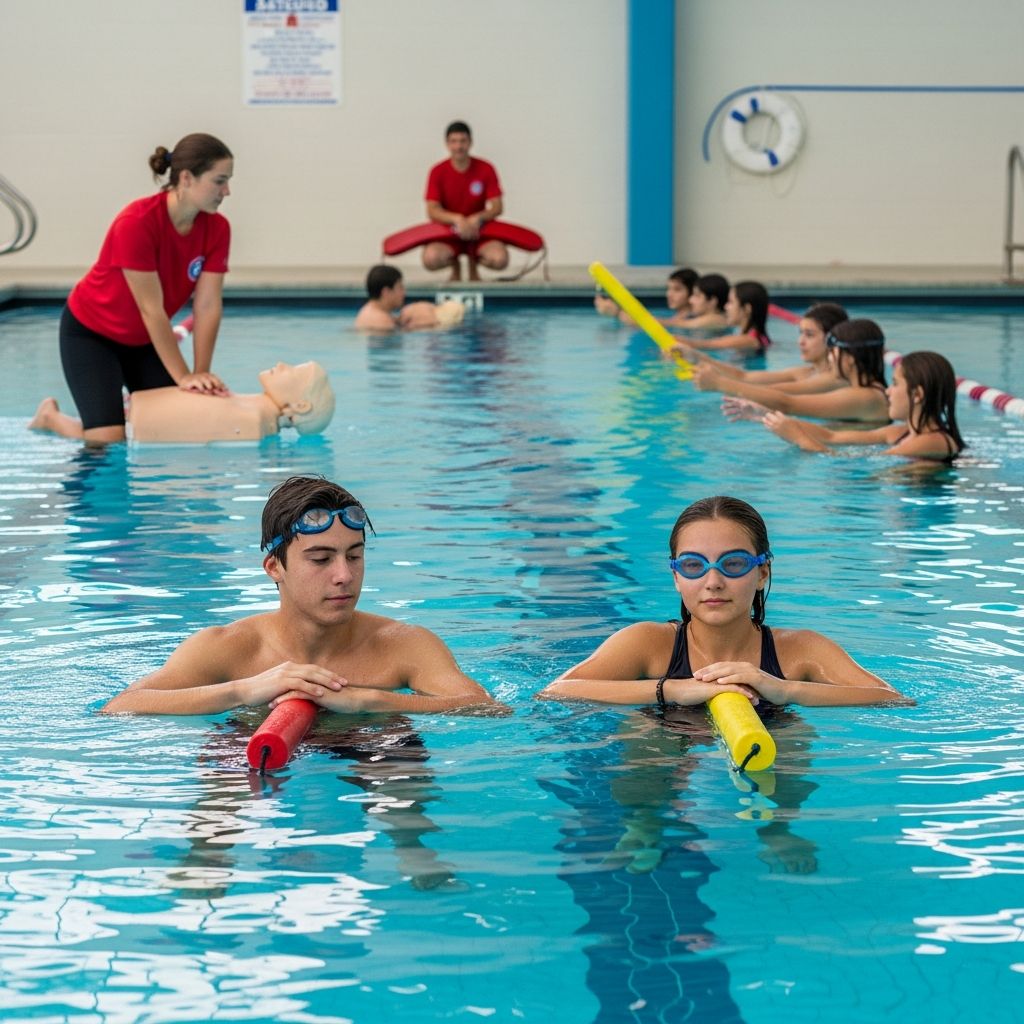
Drowning ranks as the second leading cause of unintentional injury death for children aged 5-14 in the United States, with teens facing unique vulnerabilities due to increased independence and risk-taking behaviors. Every year, over 4,000 people die from unintentional drowning, including nearly 900 children and adolescents aged 0-19, underscoring the urgent need for targeted prevention efforts.
Understanding the Alarming Scope of Teen Drowning
Teenage years mark a period of heightened drowning risk as adolescents explore water environments independently. The drowning death rate rises sharply during these years, often linked to activities like swimming in unsupervised natural waters or engaging in high-risk behaviors. For instance, more than half of drowning victims aged 13-17 were not accompanied by adults, either alone or with peers, highlighting the dangers of reduced supervision.
Statistical data reveals stark realities: boys experience drowning deaths at more than twice the rate of girls (15.6 per 1,000,000 vs. 6 per 1,000,000), and rates are disproportionately higher among Black and American Indian/Alaskan Native youth compared to other groups. Nationally, the annual age-adjusted drowning death rate stood at 1.31 per 100,000 people from 2018-2021, with over 4,345 unintentional drowning deaths reported yearly.
Key Factors Elevating Drowning Dangers for Adolescents
Several interconnected factors contribute to teen drowning incidents. Lack of swimming proficiency affects one in five teen victims, who are often non-swimmers or weak swimmers despite their age. Proximity to open water bodies like lakes and rivers—common sites for teen drownings—amplifies risks, as does the absence of barriers or proper supervision.
- Independence and Peer Influence: Teens frequently venture to beaches, rivers, or pools without adult oversight, increasing exposure to hazards.
- Substance Use: Alcohol and drugs significantly elevate risks, implicated in 30-70% of recreational water incidents.
- Risky Activities: Diving into shallow water, boating without life jackets, or swimming in unguarded areas often lead to tragedy.
- Socioeconomic Disparities: 64% of Black children, 45% of Hispanic children, and 40% of white children lack basic swimming skills, with 79% of low-income households (<$50,000) reporting few-to-no skills in children.
These elements combine to create a perfect storm, particularly for underserved communities where access to swim lessons is limited.
Proven Prevention Strategies for Teen Water Safety
Preventing teen drownings requires a multilayered approach, as endorsed by health authorities. Formal swimming lessons drastically reduce risk; children with such training experience lower drowning rates than untrained peers. Programs offering no-cost or low-cost classes to at-risk youth aged 6-15, often partnered with schools for transportation, demonstrate effectiveness.
| Prevention Layer | Description | Impact on Teens |
|---|---|---|
| Supervision | Active adult oversight near water | Reduces unsupervised peer activities |
| Swim Lessons | Water competency training | Builds skills for independence |
| Barriers | Four-sided fencing with self-latching gates | Limits access to pools/hot tubs |
| Life Jackets | U.S. Coast Guard-approved devices | Essential for boating/open water |
| Education | Family and school programs | Promotes awareness |
Implementing these layers collectively addresses multiple risk points. For example, never allowing teens to swim alone and insisting on lifeguarded areas adds critical safeguards.
Navigating Unique Teen Vulnerabilities
Adolescents aged 13-17 often engage in powerboating, diving, or water parties, shifting drowning sites from home pools to natural waters. Shallow-water diving poses severe risks, including spinal injuries that paralyze survivors. Parents must counter this by setting firm rules: no alcohol near water, mandatory buddy systems, and verified life jacket use during boating.
Disparities persist, with 36.8% of Black adults unable to swim—far higher than other groups—and only 36.9% of Black adults and 28.1% of Hispanic adults having taken lessons. Community initiatives bridging these gaps, like YMCA programs, are vital.
Empowering Teens with Emergency Preparedness
Teaching teens to recognize and respond to water emergencies is crucial. They should learn to identify drowning signs—silent struggles without calls for help—and know CPR basics. Response protocols include reaching or throwing flotation devices rather than jumping in, prioritizing personal safety.
- Alert lifeguards or call 911 immediately.
- Use rescue equipment if available.
- Perform rescue breaths and CPR if trained.
Formal water safety education equips teens to protect themselves and peers, fostering lifelong habits.
Community and Policy Efforts to Curb Drownings
Beyond families, broader initiatives drive change. CDC-funded programs expand swim access in high-risk areas, while state laws like New York’s mandate water safety videos for new parents. Hospitals, schools, and organizations must collaborate to normalize swim training and safety messaging.
Non-fatal drownings, averaging 22 daily, often lead to long-term brain damage, emphasizing prevention’s importance. By prioritizing equity in swim lesson access, communities can lower rates, especially where increases have been steepest.
Frequently Asked Questions
What makes teens particularly prone to drowning?
Teens’ independence, risk-taking, substance use, and lack of supervision contribute significantly, with over half of 13-17 victims unaccompanied by adults.
Are swim lessons effective for teenagers?
Yes, formal lessons reduce drowning risk; programs tailored for ages 6-15 show proven benefits.
Can life jackets replace supervision?
No, U.S. Coast Guard-approved life jackets are vital for boating but do not substitute for adult oversight.
How does alcohol factor into teen drownings?
It plays a major role in 30-70% of recreational incidents, impairing judgment and coordination.
What should parents do if a teen is struggling in water?
Call 911, use reach/throw rescues, and administer CPR if needed—never enter the water without equipment.
Building a Safer Future Around Water
Arming parents and teens with knowledge transforms water from peril to pleasure. Consistent enforcement of rules, investment in skills training, and community advocacy can reverse rising trends. Drowning is preventable—commit to these strategies today.
References
- Drowning Prevention: Improving Youth Access to Swim Lessons — CDC Foundation. 2024-05. https://www.cdcfoundation.org/stories/drowning-prevention-improving-kids-access-swim-lessons
- Drowning Statistics — Stop Drowning Now. Accessed 2026. https://www.stopdrowningnow.org/drowning-statistics
- Drowning Prevention and Water Safety: Key Facts for Children and Teens — Pediatric Nurses. 2025-07-07. https://www.pedsnurses.org/index.php?option=com_dailyplanetblog&view=entry&year=2025&month=07&day=07&id=132%3Adrowning-prevention-and-water-safety-key-facts-for-children-and-teens
- Disparities in U.S. Childhood and Adolescent Drowning Deaths — Children’s Safety Network. Accessed 2026. https://www.childrenssafetynetwork.org/infographics/disparities-us-childhood-adolescent-drowning-deaths
- Teens – Drowning Research — Lifesaving Society. Accessed 2026. https://www.lifesavingsociety.com/drowning-research/high-risk-groups/teens.aspx
- Drowning Prevention & Facts — American Red Cross. Accessed 2026. https://www.redcross.org/get-help/how-to-prepare-for-emergencies/types-of-emergencies/water-safety/drowning-prevention-and-facts.html
- Drowning Data — Centers for Disease Control and Prevention (CDC). Accessed 2026. https://www.cdc.gov/drowning/data-research/index.html