How Casts Help Bones Heal
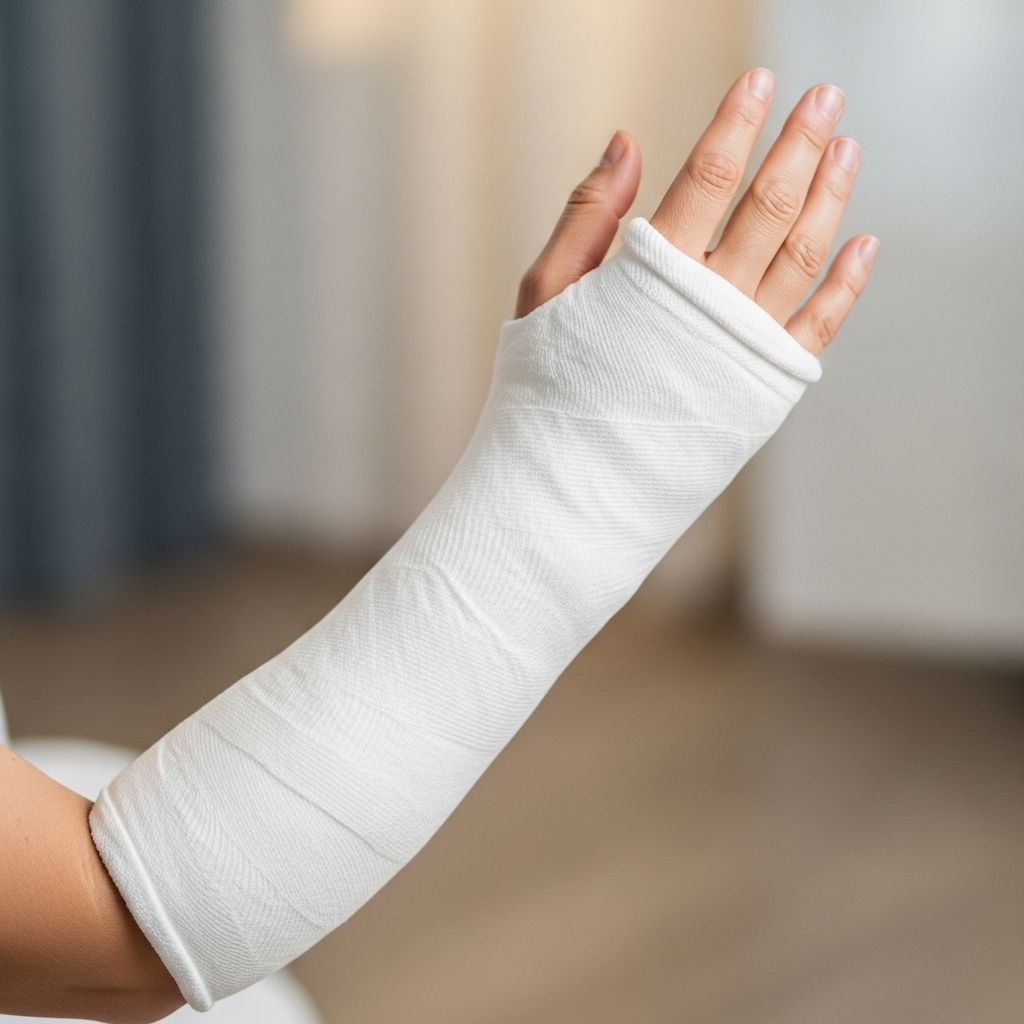
When a bone breaks, the body’s natural healing process begins immediately, but it needs stability to rebuild properly. A cast is a rigid external support that holds the injured area completely still, allowing the bone ends to align and fuse back together over time. Without this immobilization, movement can delay healing, cause misalignment, or even lead to long-term problems like chronic pain or reduced function.
Doctors use casts for fractures in many parts of the body, including arms, wrists, hands, legs, ankles, and feet. The cast essentially acts as an artificial skeleton, taking over the job of supporting the limb while the real bone repairs itself. This is especially important in children and teens, whose bones are still growing and need precise alignment to develop normally.
Why Immobilization Matters
Bone healing is a complex biological process that happens in stages. First, the body forms a soft callus around the break, which gradually hardens into new bone. This process can take several weeks to months, depending on the bone, the severity of the fracture, and the person’s age and overall health.
Movement at the fracture site can disrupt this process. Even small shifts can prevent the bone from knitting together correctly, which may require additional treatment such as surgery or a longer recovery period. A cast prevents these movements, ensuring that the bone heals in the right position and with proper strength.
Types of Casts Used Today
Not all casts are the same. Modern orthopedic care uses different materials and designs depending on the injury, location, and patient needs.
Plaster Casts
Plaster of Paris is one of the oldest casting materials. It’s made from a powder that’s mixed with water and applied as a soft, wet bandage that hardens into a firm shell. Plaster casts are very moldable, which allows doctors to shape them precisely around complex joints like wrists or ankles.
They are strong and provide excellent support, but they are heavier than modern alternatives and can be damaged by water. Because of this, patients with plaster casts must keep them dry at all times, which can make bathing and swimming more challenging.
Fiberglass Casts
Fiberglass is now the most common material for casts. It’s a lightweight, synthetic fabric that’s coated with a resin and hardens when exposed to air. Fiberglass casts are strong, durable, and much lighter than plaster, making them more comfortable for daily wear.
Many fiberglass casts are also water-resistant, especially when lined with special waterproof padding. This allows some patients to shower or even swim with certain types of casts, though this depends on the doctor’s instructions and the specific materials used.
Splints and Backslabs
In some cases, especially right after an injury, doctors may use a splint or backslab instead of a full cast. These are partial supports that stabilize the area without fully encircling the limb. They are often used when there’s swelling, because they can be adjusted or removed more easily as the swelling goes down.
Once the swelling improves, a full cast may be applied. Splints are also common for minor fractures or when a cast is only needed for a short time.
How a Cast Is Applied
Putting on a cast is a careful process done by a trained healthcare provider, usually in a clinic or emergency department.
First, the injured area is examined and often X-rayed to confirm the type and position of the fracture. If needed, the bone is gently repositioned (a process called reduction) so the ends are properly aligned. Then, a soft padding layer is wrapped around the limb to protect the skin and provide cushioning.
Next, the casting material—either plaster or fiberglass—is applied over the padding. The material is wrapped in layers and shaped to fit the limb comfortably while providing strong support. The cast is left to harden, which can take several minutes to a few hours depending on the material.
Once the cast is firm, the doctor checks that it’s not too tight and that circulation is normal. They may also make small adjustments, such as cutting a window in the cast to monitor a wound or reduce pressure.
What to Expect While Wearing a Cast
Wearing a cast can feel strange at first. The limb will feel heavier, and movement will be limited. Some discomfort is normal, especially in the first few days, but severe or worsening pain should be reported to a doctor.
Swelling is common after an injury and may cause the limb to feel tight inside the cast. Elevating the limb above heart level when possible can help reduce swelling and discomfort. Ice packs applied over the cast (not directly on the skin) can also help, but only if the doctor approves this.
It’s normal to feel some itching under the cast. Scratching with objects is dangerous and can cause skin damage or infection. If itching is bothersome, a hair dryer on a cool setting can be used to blow air into the cast to relieve the sensation.
Proper Cast Care at Home
Taking good care of a cast helps prevent complications and supports faster healing.
Keep It Dry
Unless the cast is specifically labeled as waterproof, it should be kept completely dry. Moisture can weaken the cast and lead to skin problems like rashes, infections, or sores.
When bathing, cover the cast with a plastic bag or a special waterproof cover and seal it tightly with tape or a rubber band. Avoid soaking the cast in water, even if it’s fiberglass, unless the doctor has confirmed it’s safe.
Protect the Skin
The skin under the cast can’t be seen, so it’s important to watch for warning signs. If the fingers or toes become very swollen, turn blue or pale, feel cold, or lose sensation, this could mean the cast is too tight or circulation is affected. These symptoms need medical attention right away.
Never insert anything under the cast to scratch or adjust padding. This can damage the skin and introduce bacteria, leading to infection.
Stay Active Safely
While the injured limb is immobilized, it’s still important to stay as active as possible in safe ways. For arm casts, this might mean using the other hand for daily tasks and doing gentle shoulder or elbow exercises if allowed. For leg casts, crutches, walkers, or wheelchairs may be needed to move around without putting weight on the injured leg.
Physical activity should always follow the doctor’s advice. Overdoing it can delay healing, but too much inactivity can lead to stiffness, muscle weakness, and joint problems.
Common Problems and When to Seek Help
Most people wear casts without serious issues, but certain symptoms should never be ignored.
Seek medical help if:
- The cast feels too tight or causes increasing pain
- Fingers or toes are numb, tingling, or changing color
- There is a foul smell coming from the cast
- Fluid is leaking from under the cast
- The cast is cracked, broken, or very loose
- There is a fever along with pain or swelling
These signs could indicate problems like poor circulation, infection, or a cast that no longer fits properly. Early treatment can prevent more serious complications.
What Happens When the Cast Comes Off
When the doctor decides the bone has healed enough, the cast is removed using a special oscillating saw. This tool vibrates to cut through the hard outer layer without harming the skin or padding underneath.
After removal, the skin may look pale, dry, or flaky, and the limb may feel weak or stiff. This is normal after weeks of immobility. The doctor or physical therapist may recommend gentle exercises to restore strength, flexibility, and coordination.
It can take time for the limb to feel completely normal again. Patience and following the recovery plan are key to regaining full function.
Supporting Healing Beyond the Cast
A cast is just one part of the healing process. Other factors also play a big role in how quickly and completely a bone heals.
Nutrition and Hydration
Bones need certain nutrients to repair themselves, especially calcium, vitamin D, and protein. Eating a balanced diet with dairy, leafy greens, lean meats, eggs, and fortified foods supports bone healing. Staying well-hydrated also helps tissues stay healthy and recover more efficiently.
Rest and Sleep
Quality rest and sleep are essential for healing. During sleep, the body releases hormones that promote tissue repair and reduce inflammation. Getting enough rest helps the bone heal faster and reduces overall discomfort.
Following Medical Advice
It’s important to attend all follow-up appointments and get repeat X-rays as scheduled. These visits allow the doctor to monitor healing and decide when it’s safe to remove the cast or start putting weight on the limb.
Returning to sports or high-impact activities should only happen when the doctor gives the green light. Rushing back too soon can lead to re-injury or long-term joint problems.
Frequently Asked Questions
How long do I have to wear a cast?
The length of time depends on the bone, the type of fracture, and the person’s age. Minor fractures may need a cast for 4–6 weeks, while more serious breaks can require 8–12 weeks or longer. Your doctor will give you a specific timeline based on your injury and healing progress.
Can I get my cast wet?
Most casts should stay dry. Some fiberglass casts with special waterproof lining can get wet, but only if your doctor confirms it’s safe. Always follow your healthcare provider’s instructions about water exposure.
Why does my limb feel weak after the cast comes off?
When a limb is immobilized, the muscles shrink and joints stiffen from lack of use. This is normal and improves with gentle movement and exercises. A physical therapist can guide you through safe activities to rebuild strength and flexibility.
Can I drive with a cast?
Driving with a cast on an arm or leg can be unsafe and may be against the law in some places. It can limit your ability to control the vehicle in an emergency. Always check with your doctor and local regulations before driving.
What if my cast breaks or gets damaged?
If the cast cracks, becomes very loose, or gets wet (and isn’t waterproof), contact your doctor right away. A damaged cast may not protect the bone properly and could need to be replaced.
When Surgery Might Be Needed Instead
Not every broken bone can be treated with a cast alone. Some fractures, especially those with severe displacement, multiple bone fragments, or joint involvement, may require surgery.
In these cases, surgeons may use metal plates, screws, rods, or external fixators to hold the bone in place. After surgery, a cast or brace is often still used to protect the area while it heals. The decision to operate depends on the type of fracture, the patient’s age, and overall health.
Helping Teens and Young People Adjust
For teens and young adults, wearing a cast can be frustrating, especially if it affects school, sports, or social activities. It’s normal to feel annoyed, bored, or self-conscious.
Staying connected with friends, focusing on schoolwork, and finding new hobbies that don’t involve the injured limb can help. Talking to a counselor or trusted adult can also be helpful if the injury is affecting mood or self-esteem.
Remember, a cast is temporary. While it limits some activities now, it’s helping the body heal so that full function can return later.
Key Takeaways
- A cast keeps a broken bone stable so it can heal properly.
- Plaster and fiberglass are the main casting materials, each with pros and cons.
- Proper cast care includes keeping it dry, watching for warning signs, and following medical advice.
- Healing takes time, and nutrition, rest, and safe activity all support recovery.
- Always contact a doctor if there are signs of pain, swelling, numbness, or cast damage.
References
- Fractures in Children — American Academy of Orthopaedic Surgeons (AAOS). 2023. https://orthoinfo.aaos.org/en/diseases–conditions/fractures-in-children/
- Cast Care — National Health Service (NHS) UK. 2024. https://www.nhs.uk/conditions/broken-bones-and-fractures/treatment/cast-care/
- Fracture Management — UpToDate. 2024. https://www.uptodate.com/contents/fracture-management-overview