Halloween can be magical for many children, but for kids with food allergies, autism, or other sensory needs, the holiday often feels confusing, unsafe, or overwhelming. Color-coded pumpkin traditions, especially teal and blue pumpkins, are helping families transform Halloween into a night that welcomes every child. This guide explains what these colors mean, how to join in, and how to design a celebration that is both fun and inclusive.
Why Traditional Halloween Can Be Excluding
Standard Halloween traditions center around surprise, crowds, and candy. That combination can create three major challenges for some children:
- Safety risks: Many popular candies contain common allergens like peanuts, tree nuts, milk, wheat, soy, or eggs, which can cause serious reactions.
- Sensory overload: Flashing lights, loud sound effects, scratchy costumes, and crowded sidewalks can overwhelm kids with autism or sensory processing differences.
- Social pressure: Expectations to say certain phrases, make eye contact, or interact quickly at each door can be stressful for children who communicate differently or need more time.
Color-coded pumpkins grew out of families’ desire to reduce those barriers. They offer a simple, visual way to communicate needs and support without requiring kids to explain themselves at every doorstep.
Understanding Teal and Blue Pumpkins
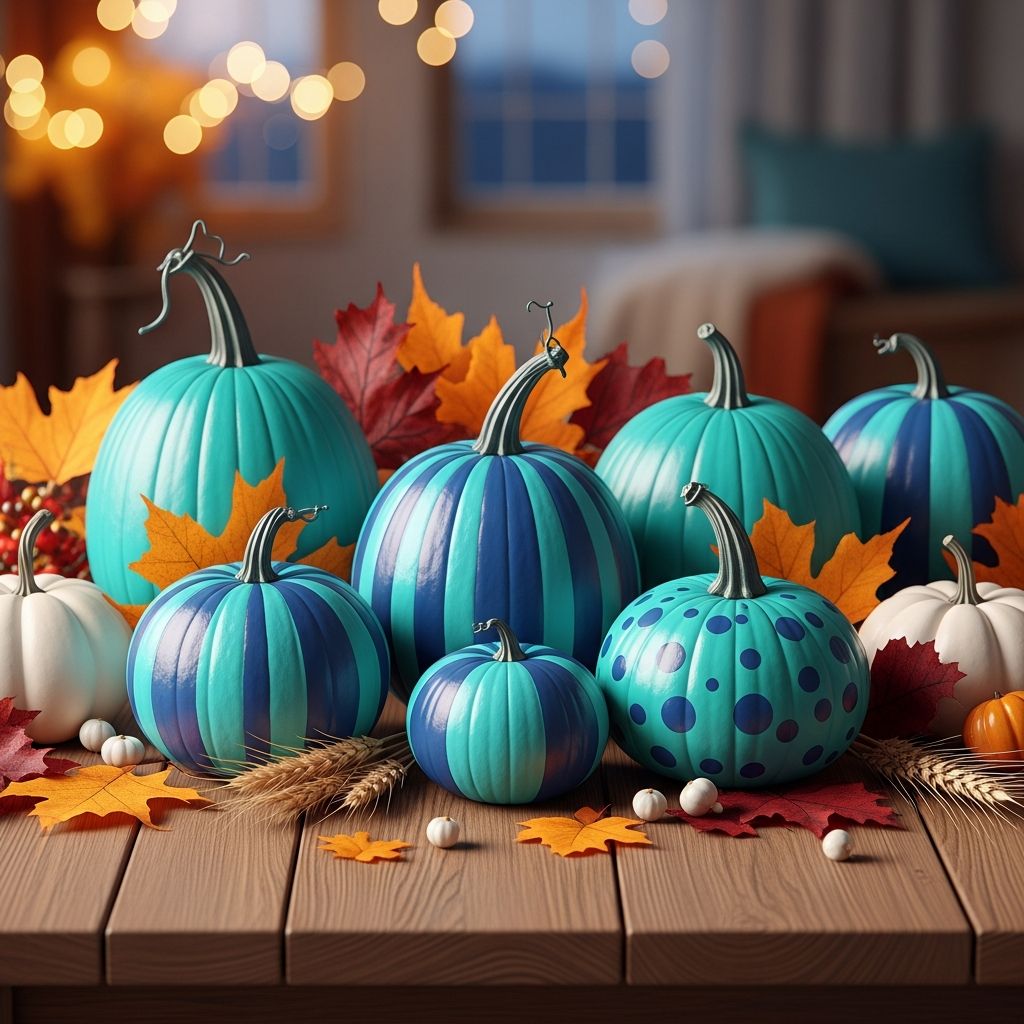
While you might see many decorative pumpkin colors in stores, teal and blue pumpkins carry special meanings in the context of inclusive Halloween traditions. Each color helps signal something specific to neighbors and community members.
| Pumpkin Color | Common Meaning | What It Signals on Halloween Night |
|---|---|---|
| Teal Pumpkin | Food allergy awareness and non-food treats | House is offering allergy-friendly, non-edible items such as toys or stickers. |
| Blue Pumpkin Bucket | Autism awareness | Child may have autism, communicate differently, or need extra patience and understanding. |
| Other Colored Pumpkins | Various causes (e.g., disability inclusion, health awareness) | Household or child supports a specific awareness effort; meanings can vary by community. |
The Teal Pumpkin: Safer Treats for Kids with Allergies
The teal pumpkin has become a widely recognized symbol for food allergy awareness and inclusive, non-food treats. Placing a teal pumpkin on your porch, window, or steps tells families that you are offering something that most children with allergies can enjoy safely.
Instead of focusing on what kids cannot have, the teal pumpkin emphasis is on what all kids can share: fun, play, and the thrill of collecting special items.
Non-Food Treat Ideas Kids Actually Love
Non-food treats do not have to be expensive or boring. They can be small, colorful, and exciting—often more memorable than another piece of candy. Consider offering your trick-or-treaters a mix of items such as:
- Glow sticks, glow bracelets, or glow necklaces
- Halloween-themed stickers or temporary tattoos
- Pencil toppers, mini erasers, or fun-shaped pencils
- Bouncy balls, finger puppets, or tiny plastic animals
- Mini puzzles, maze cards, or small notepads
To keep the process smooth, place non-food treats in a separate bowl from candy, and let kids choose from either or both options.
Practical Tips for Hosting an Allergy-Aware Home
Families dealing with allergies often spend Halloween reading labels, negotiating candy trades, or throwing away unsafe treats. You can lighten that load by being thoughtful about how you handle the treats you offer.
- Keep non-food treats in their own bowl so they do not get coated with chocolate dust or crumbs.
- If you also offer candy, try to include at least one top-8-allergen-free option, and keep wrappers visible for parents to check.
- When a child asks for a non-food item, hand it over with a smile and avoid asking invasive questions about their allergies.
The Blue Pumpkin Bucket: Recognizing Autism and Sensory Needs
A growing number of children carry blue pumpkin buckets or bags as a simple way to communicate that they are on the autism spectrum or have similar sensory or communication differences. This visible cue helps adults adjust expectations in real time.
A blue pumpkin does not mean that every child with autism will behave the same way. Instead, it gently reminds neighbors that the child may need flexibility in how they participate.
What You Might Notice from a Child with a Blue Bucket
When you see a blue bucket, consider the many ways participation can look. A child with autism might:
- Forget to say “trick-or-treat” or “thank you,” even if they have been practicing at home.
- Take longer to choose an item or reach for the bowl.
- Avoid eye contact, speak very softly, or use a communication device.
- Wear noise-cancelling headphones or a simple, comfortable outfit instead of a costume.
Your calm, patient response can help the child feel accepted rather than judged or rushed.
How to Respond with Kindness and Flexibility
Supporting a child carrying a blue bucket does not require special training. Small adjustments can make a big difference in how safe and included that child feels.
- Offer a warm smile and say a friendly greeting without insisting on one back.
- Hold the bowl at a comfortable height and allow the child time to choose.
- Avoid correcting or prompting phrases like “Say trick-or-treat first” or “Use your words.”
- Be understanding if the child’s sibling or caregiver speaks on their behalf.
Designing a More Inclusive Halloween at Home
Teal and blue pumpkins are powerful symbols, but inclusion goes beyond color. With a few intentional choices, any household can make their doorstep more welcoming to children with a range of needs and abilities.
Think of these changes not as “special favors” but as modern updates to a tradition so that it better fits today’s diverse families.
Create a Sensory-Friendly Environment
Some of the most beloved Halloween decorations—strobe lights, motion-activated screams, fog machines—can be frightening or physically uncomfortable for children with sensory sensitivities. Consider moderating these effects, especially near the area where children stand to receive treats.
- Use steady, warm lighting instead of strobes or rapidly flashing lights.
- Keep loud sound effects at a lower volume, or turn them off during peak trick-or-treating hours.
- Clear pathways of clutter or inflatable decorations to reduce tripping hazards and crowding.
Make Your Entry More Accessible
Children using wheelchairs, walkers, or other mobility aids can struggle with steep stairs and narrow walkways. Simple layout changes can help these children participate more fully in trick-or-treating without having to skip your home.
- Move the treat station to the bottom of your steps, the driveway, or the sidewalk if possible.
- Use bright, non-flashing lights to illuminate paths, steps, and uneven surfaces.
- Keep pets inside or well-controlled, as even friendly animals can be overwhelming for some children.
Talking with Your Own Kids about Inclusion
If you are a parent or caregiver, you can use the teal and blue pumpkin traditions as starting points for larger conversations about empathy, disability, and respect. Children are often naturally curious and eager to help once they understand what the symbols mean.
- Explain that some kids cannot eat certain candies or may feel sick from them, and that non-food treats allow everyone to join in.
- Discuss how some children’s brains process sound, light, and conversation differently, and why patience and kindness matter.
- Invite your child to help choose non-food treats or decorate a teal or blue pumpkin to display.
Planning Ahead If Your Child Has Allergies or Autism
Families living with food allergies or autism can take proactive steps to reduce stress and increase enjoyment on Halloween. These strategies help set expectations, build skills gradually, and create a backup plan if the evening becomes overwhelming.
Preparation Tips for Food Allergies
For children with food allergies, even a brief trick-or-treat outing can lead to a bag full of unsafe treats. Planning ahead helps balance fun with safety.
- Agree on a rule that no candy is eaten until an adult has checked labels at home.
- Bring a small flashlight or phone light to read labels while you are out, if needed.
- Have a “swap box” at home filled with safe treats or toys that your child can trade for unsafe items.
Preparation Tips for Autism and Sensory Differences
Transitioning from the usual daily routine to a loud, costume-filled evening is a big leap. Practice and visual supports can make Halloween more predictable and less intimidating.
- Walk the planned route during daylight ahead of time so your child can see the houses and paths.
- Practice knocking, taking one treat, and saying “thank you” with family or familiar neighbors.
- Use a visual schedule or picture cards to show the sequence: getting dressed, going out, visiting a few homes, and returning.
- Bring comfort items such as headphones, a favorite toy, or a simple backup outfit if the costume becomes uncomfortable.
Sample Inclusive Halloween Checklist
Use the simple table below as a planning tool for your household. You can adapt it to match your specific neighborhood, resources, and family needs.
| Action Item | Why It Helps | Status |
|---|---|---|
| Display a teal pumpkin | Signals non-food treats for children with allergies. | Not started / In progress / Done |
| Offer a bowl of small toys | Provides a safe, fun option for most children. | Not started / In progress / Done |
| Moderate loud sounds and flashing lights | Reduces sensory overload for sensitive kids. | Not started / In progress / Done |
| Move treats to an accessible spot | Makes it easier for kids with mobility challenges to participate. | Not started / In progress / Done |
| Talk with your own children about inclusion | Builds empathy and understanding within your family. | Not started / In progress / Done |
Frequently Asked Questions about Teal and Blue Pumpkins
Do I have to stop giving out candy if I use a teal pumpkin?
No. You can absolutely still offer candy. The teal pumpkin simply indicates that you also have non-food treats available. Many households put candy in one bowl and toys or other items in another, then let kids choose the option that works best for them.
Are teal and blue pumpkins official programs?
The teal pumpkin has grown into a widely recognized symbol for food allergy awareness, supported by allergy advocacy organizations. The blue pumpkin bucket began as a grassroots signal for autism awareness and is becoming more familiar over time. Neither color requires registration or fees to use; they are voluntary symbols that communities have embraced.
What if I am not sure how to respond to a child with a blue bucket?
The most helpful response is simple: offer patience, respect, and flexibility. Allow the child to participate in whatever way is comfortable, whether that means taking extra time, communicating through gestures, or letting a parent speak on their behalf. Avoid pressing for eye contact, certain phrases, or specific behaviors.
Can my child use a blue bucket even if they are not diagnosed with autism?
Families choose symbols based on what feels appropriate for their situation. If your child has sensory or communication differences similar to those common in autism, you may find that a blue bucket helps others understand their needs more quickly. The goal is not to label your child, but to create a smoother, gentler experience.
How can schools and community groups participate?
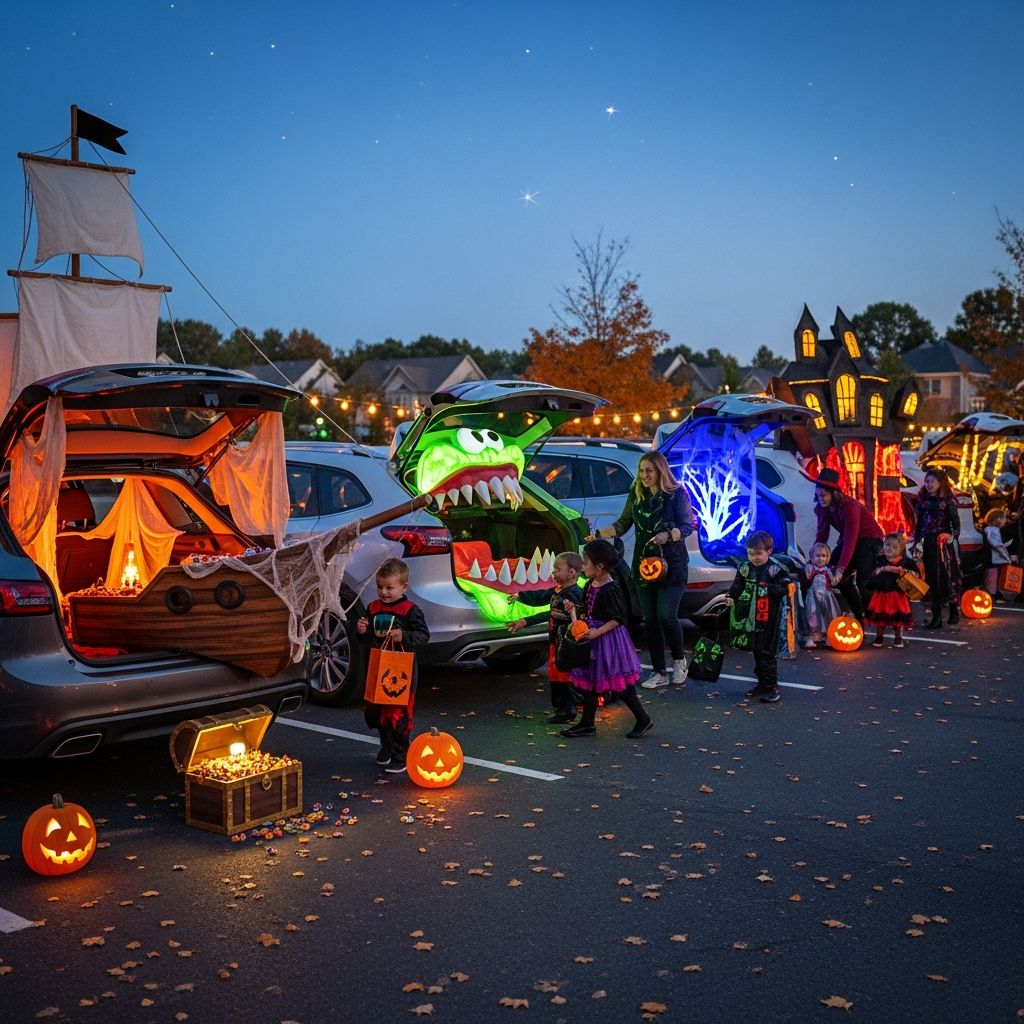
Schools, churches, and clubs can adopt teal and blue pumpkin ideas for events such as trunk-or-treats, classroom parties, and community festivals. They can offer non-food treats, set up quiet rooms for breaks, use clear signage, and share information with families about what each color represents. These efforts show children and parents that their needs are noticed and valued.
Building Traditions That Welcome Every Child
Halloween has always been about imagination, transformation, and stepping into another world for a night. Teal and blue pumpkins honor that spirit by reshaping the holiday into something more compassionate and accessible. When households embrace these symbols and the values behind them, the entire neighborhood benefits.
Whether you paint a pumpkin, stock a bowl with tiny toys, move your treat table closer to the sidewalk, or simply greet each child with patience and warmth, you are helping write a new Halloween story—one in which no child is left watching from the sidelines.