Why Boundaries Matter for Children
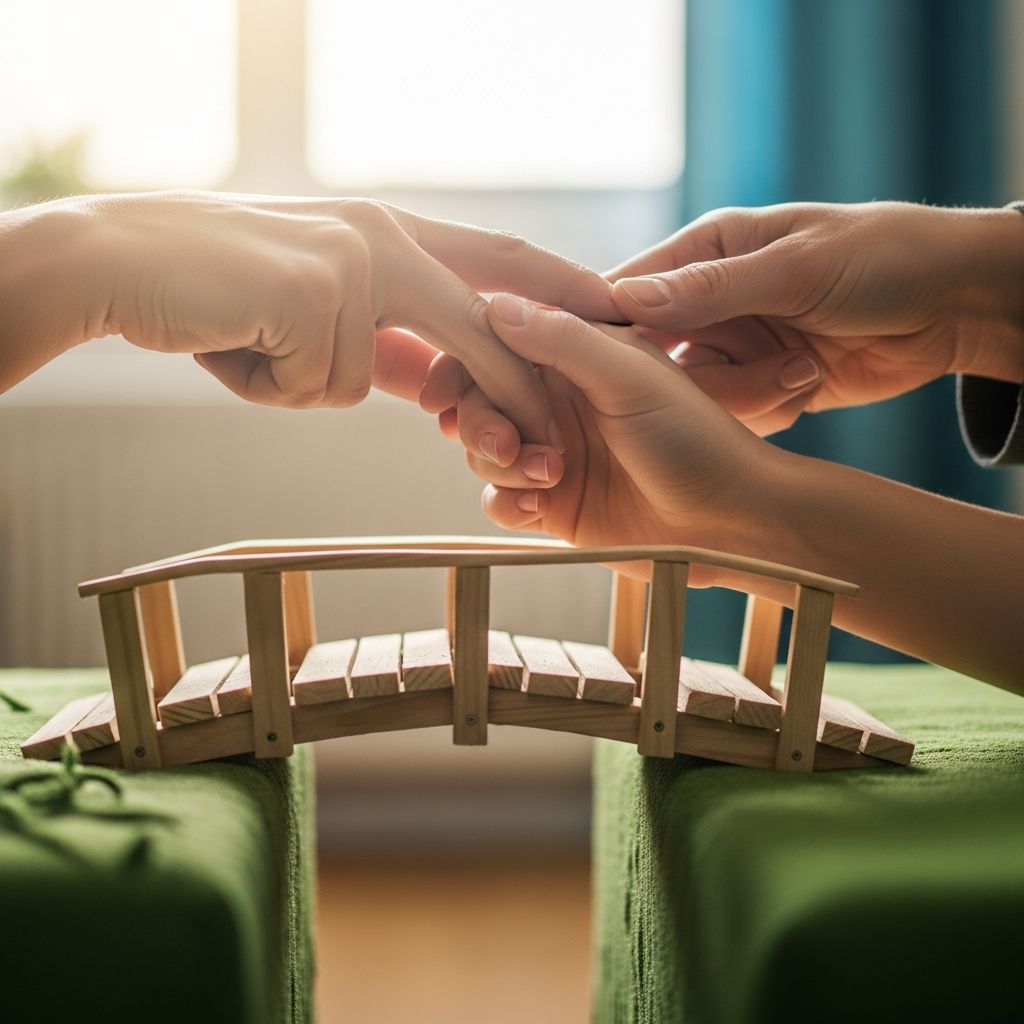
Boundaries are essential for children’s emotional and social development. They help kids understand what is acceptable in relationships, how to protect their own needs, and how to respect others’ limits. When children learn to set boundaries early, they develop confidence, self-awareness, and the ability to navigate social situations with empathy and assertiveness .
How Children Learn Boundaries
Children naturally test limits as part of their growth. This exploration helps them understand where boundaries lie and how firm they are. When parents model clear, consistent boundaries, children feel safer and more secure. They learn that boundaries are not about control but about mutual respect and safety .
Modeling Healthy Boundaries
- Parents set the tone by modeling how to set and respect boundaries in their own lives.
- Children observe how adults say no, express their needs, and handle disagreements.
- When parents respect their own boundaries, children learn that their time, space, and feelings matter too .
Teaching Children to Set Their Own Limits
Empowering children to set their own boundaries involves teaching them to recognize their feelings, express their needs, and practice assertiveness. Here are effective strategies:
- Encourage open communication about feelings and needs.
- Help children identify situations where they feel uncomfortable or unsafe.
- Role-play scenarios where they practice saying no or walking away from unwanted situations .
- Validate their efforts when they speak up for themselves.
Types of Boundaries to Teach
| Boundary Type | Examples | Why It Matters |
|---|---|---|
| Physical | Not allowing unwanted touch, respecting personal space | Helps children feel safe and in control of their bodies |
| Emotional | Not tolerating disrespectful language, expressing feelings | Builds emotional intelligence and self-respect |
| Social | Saying no to peer pressure, choosing friends wisely | Encourages healthy relationships and decision-making |
Practical Steps for Parents
- Set clear expectations and explain the reasons behind rules.
- Be consistent in enforcing boundaries, even when it’s challenging.
- Offer alternatives and positive reinforcement when children respect limits.
- Encourage children to practice small boundaries, like asking for space or saying no to unwanted activities .
Common Challenges and Solutions
- Children resist boundaries: Stay calm and consistent. Explain the reasons and validate their feelings.
- Peers pressure children: Role-play assertive responses and discuss the importance of self-respect.
- Parents feel guilty: Remember that boundaries are about love and safety, not control.
FAQs About Teaching Boundaries
How do I teach my child to say no?
Practice role-playing scenarios where your child says no to unwanted requests. Praise their efforts and help them find words that feel comfortable and respectful .
What if my child’s friends don’t respect boundaries?
Encourage your child to walk away, talk to a trusted adult, or find new activities. Reinforce that it’s okay to choose friends who respect their limits .
How can I model boundaries for my child?
Set your own limits, such as asking for quiet time or saying no to requests that don’t work for you. Show your child that boundaries are normal and healthy .
Is it okay for my child to have different opinions?
Yes, encourage your child to express their opinions and respect others’ views. This builds confidence and empathy .
How do I handle boundary violations?
Address the situation calmly, explain why the boundary was crossed, and reinforce the importance of respecting limits. Offer support and guidance for next time .
Conclusion
Teaching children to set and respect boundaries is a powerful way to support their emotional health and social skills. By modeling healthy limits, encouraging open communication, and providing practical tools, parents can help children grow into confident, respectful individuals who know how to protect themselves and others .