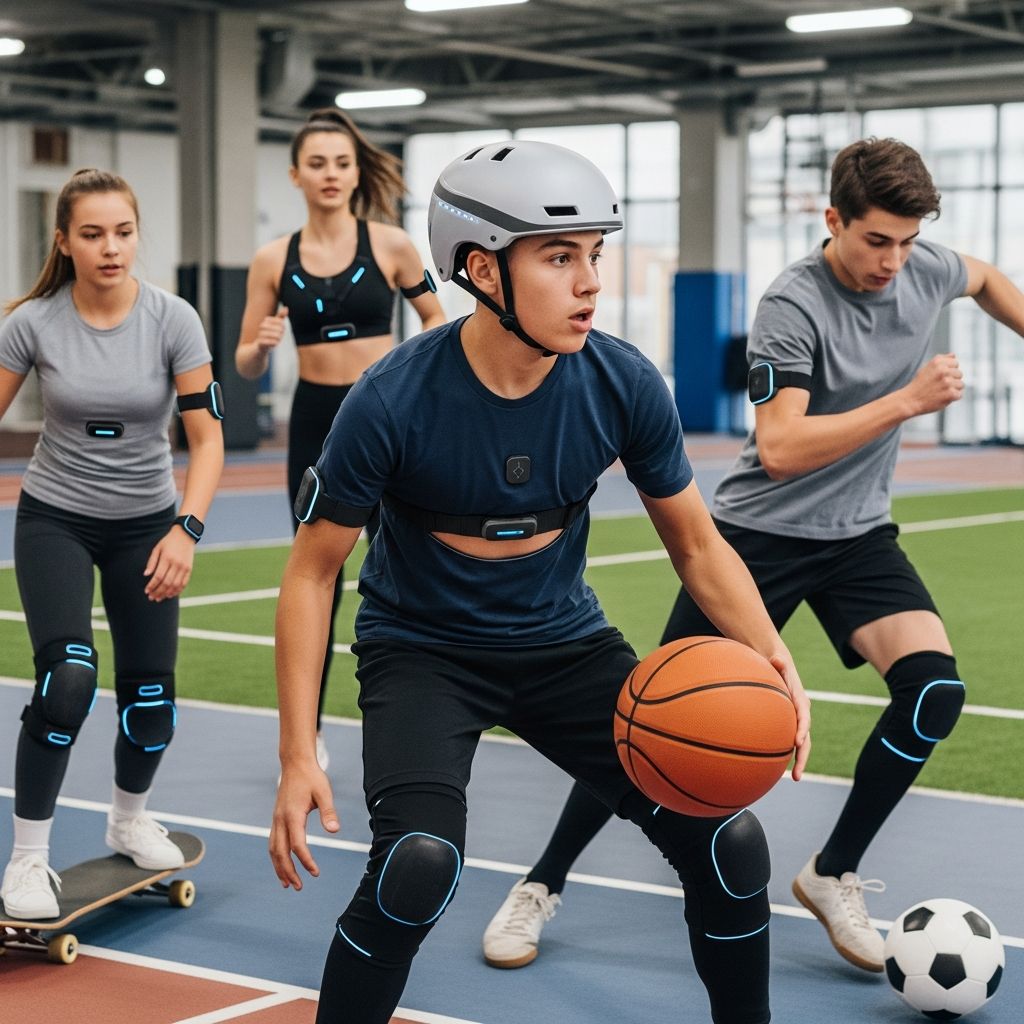
Sports and exercise are great for your body, your mood, and your social life. But every practice, game, or workout carries some risk of injury. With the right habits, you can dramatically cut that risk and stay on the field instead of on the sidelines.
This guide breaks down the most important safety steps teens should follow before, during, and after physical activity. You will learn how to choose the right gear, prepare your body, handle heat, recognize injuries early, and know when to stop.
Why Safety Matters in Teen Sports
Millions of teens take part in organized and informal sports every year. Along with all the benefits, sports are a common cause of sprains, strains, fractures, concussions, and overuse injuries.
- Acute injuries: happen suddenly — like ankle sprains, broken bones, or a shoulder dislocation.
- Overuse injuries: build up over time from repetitive motion — like tendinitis, stress fractures, or shin splints.
- Heat-related problems: such as heat exhaustion or heat stroke, especially in hot and humid weather.
- Head injuries: including concussions, which can affect thinking, balance, and mood.
Good safety habits cannot remove all risk, but they can prevent many of the most common injuries and make others less severe.
Gear That Protects You: More Than Just a Uniform
Using the right equipment — and using it correctly — is one of the strongest defenses against sports injuries.
Key Protective Items for Common Sports
| Sport/Activity | Essential Protective Gear | What It Helps Protect |
|---|---|---|
| Football, Hockey, Lacrosse | Helmet with face mask, mouthguard, shoulder pads, pads for hips/thighs/knees | Brain, face, teeth, neck, shoulders, spine, major joints |
| Baseball/Softball | Batting helmet, face guard (when recommended), protective cup (for those who need it) | Head, face, teeth, groin |
| Cycling, Skateboarding, Inline Skating | Bike/skate helmet, wrist guards, knee and elbow pads | Brain, skull, wrists, elbows, knees |
| Soccer | Shin guards, appropriate cleats, sometimes mouthguard | Shins, ankles, teeth |
| Basketball & Volleyball | Supportive shoes, knee pads (if needed), ankle braces (if advised) | Feet, ankles, knees |
How to Make Sure Your Gear Really Works
- Fit comes first: Helmets, pads, and shoes should be snug but not painful. Loose gear can shift on impact and fail to protect you.
- Check condition often: Look for cracks in helmets, torn straps, broken buckles, or flattened padding. Replace damaged gear promptly.
- Use sport-specific equipment: A bike helmet is not designed for football, and running shoes aren’t right for court sports.
- Secure everything correctly: Buckle chin straps, tighten laces, close Velcro fasteners, and adjust pads so they stay in place.
- Don’t modify safety gear: Cutting out pads or removing pieces to “feel lighter” reduces protection.
Footwear: Your Base of Support
Footwear affects your balance, speed, and injury risk.
- Choose shoes made for your sport — for example, cleats for soccer or supportive court shoes for basketball.
- Replace shoes when the tread is worn down or the cushioning feels flat; worn shoes can increase the risk of falls and overuse injuries.
- Ask your coach, athletic trainer, or doctor if you need extra arch support or ankle support for your sport.
Getting Your Body Ready: Warm-Ups and Stretching
Going from zero to full speed without preparation makes muscles and tendons more vulnerable. A proper warm-up raises your heart rate, increases blood flow, and gets your joints moving through their full range.
A Simple Warm-Up Routine
Spend at least 10 minutes getting your body ready before practice or games:
- Light cardio (3–5 minutes): brisk walking, easy jogging, jump rope, or cycling at low intensity.
- Dynamic movements (5–7 minutes): high knees, butt kicks, side shuffles, walking lunges, leg swings, arm circles.
- Sport-specific drills (2–3 minutes): short sprints, quick footwork, or ball-handling at low intensity.
Save long static stretches (like holding a hamstring stretch for 30 seconds) for after activity or late in the warm-up, once your muscles are already warm.
Rules, Technique, and Respect: Invisible Safety Gear
Following the rules and using correct technique protect you and everyone else on the field.
Why Rules Matter for Safety
- Rules limit dangerous contact, like hits to the head or tackling from behind.
- Referees enforce boundaries that reduce collisions and fights.
- Traffic laws protect you when you bike, skate, or run near roads.
Good Technique Reduces Stress on Your Body
Instruction from qualified coaches or trainers can help you move efficiently and safely.
- Learning how to land from jumps with bent knees and hips can protect your knees.
- Proper tackling and blocking techniques lower the risk of head and neck injuries.
- Good throwing and serving mechanics reduce the chance of shoulder and elbow problems.
Sportsmanship and Respect
- Avoid plays meant to hurt others, even if they are technically legal.
- Apologize when you accidentally bump, trip, or hit someone.
- Listen to officials, coaches, and trainers — their main job is to keep the game fair and safe.
Hydration, Heat, and Weather: Staying Safe Outdoors
Dehydration and overheating are major causes of preventable illness in youth sports. Drinking enough fluids and respecting weather conditions protect your performance and your health.
Hydration Basics for Teens
- Drink water regularly throughout the day, not just during practice.
- About 2–3 hours before exercise, drink extra fluids so you start well hydrated.
- Have a water bottle with you and take small, frequent sips during activity, especially in hot or humid conditions.
- For very intense activity lasting more than an hour, a sports drink with electrolytes can help replace salt and fluid lost in sweat.
Signs You’re Not Hydrated Enough
- Dark yellow or strong-smelling urine
- Dry mouth or cracked lips
- Headache, dizziness, or feeling unusually tired
- Muscle cramps
When Heat Becomes Dangerous
In hot or humid conditions, your body has a harder time cooling itself. Coaches and parents should watch for early signs of heat illness and adjust practices by adding water breaks, reducing intensity, or moving indoors.
Warning signs of more serious heat problems include:
- Confusion or trouble concentrating
- Very strong headache
- Nausea or vomiting
- Hot, red skin; or skin that stops sweating despite the heat
If you or a teammate shows these symptoms, stop exercise immediately, move to a cooler place, and seek medical help right away.
Building in Rest: Avoiding Overuse and Burnout
Training every day without enough rest can lead to overuse injuries and mental burnout, especially for teens who specialize in a single sport.
Smart Rest Strategies
- Include at least one rest day per week with no intense sports or training.
- Rotate between higher-intensity and lighter training days.
- Try different activities during the off-season to use new muscle groups and give overused areas a break.
- Aim for 8–10 hours of sleep per night to help your body repair and grow.
Signs You May Be Overdoing It
- Pain that appears early in practice and gets worse as you play
- Swelling or stiffness that doesn’t go away with rest
- Drop in performance even though you’re training hard
- Feeling tired, irritable, or losing interest in a sport you used to enjoy
Pain and Injuries: When to Stop and Get Help
Pushing through minor discomfort is part of sports, but playing through real pain can turn a small problem into a serious injury.
Pain You Should Not Ignore
- Sudden, sharp, or tearing pain at the moment of injury
- Pain that makes it hard to put weight on a leg or move a joint
- Visible deformity, such as a crooked limb or a joint that looks out of place
- Swelling that appears quickly and keeps getting worse
Possible Signs of a Concussion
Concussions are brain injuries usually caused by a hit to the head or a strong blow to the body that shakes the head. Helmets help prevent skull fractures and some serious head injuries, but they do not completely prevent concussions.
- Headache or pressure in the head
- Dizziness, balance problems, or feeling “slow”
- Nausea or vomiting
- Blurry or double vision
- Trouble remembering plays or instructions
- Confusion, acting differently than usual, or loss of consciousness
If you suspect a concussion, stop playing immediately and get checked by a health professional before returning to sports.
Who to Talk to About an Injury
- Tell your coach or athletic trainer as soon as something feels wrong.
- Let your parent or caregiver know so they can help you find care.
- Seek a doctor, sports medicine specialist, or physical therapist for ongoing pain or repeated injuries.
Safe Spaces: Fields, Courts, and Gyms
Your surroundings are part of your safety plan. Even perfect technique can’t save you from a hole in the field you never saw.
- Walk the field or court before practice to check for rocks, holes, puddles, or debris.
- Make sure goals, nets, and other equipment are anchored and stable.
- Use indoor facilities that are clean, well-lit, and not overly crowded.
- Keep bags, bottles, and extra gear off sidelines and playing areas so no one trips.
Pre-Participation Physicals: Clearing You to Play
Many schools require a sports physical before a season starts, and for good reason. A pre-participation exam can identify conditions like heart problems, asthma, or joint issues that might need extra attention during sports.
- Your doctor reviews your medical history and family history.
- They check your heart, lungs, joints, and flexibility.
- They may advise specific exercises, protective gear, or limits if you have certain conditions.
Quick Safety Checklist for Every Practice or Game
- Did you bring and properly fit all required protective gear?
- Did you do at least 10 minutes of warm-up and some dynamic movements?
- Do you have a full water bottle, and is there a plan for water breaks?
- Do you understand the rules and safety expectations for today’s activity?
- Are the field, court, or gym surfaces clear of hazards?
- Do you feel rested, healthy, and ready to play — not sick, dizzy, or in serious pain?
Frequently Asked Questions (FAQs)
Is it ever okay to play through pain?
Mild soreness after starting a new workout is common. Sharp pain, pain that gets worse as you play, or pain that changes how you move is a warning sign to stop and get it checked.
Do I really need a helmet if I’m just biking or skating around the neighborhood?
Yes. Most serious head injuries from biking and skating happen during everyday rides, not organized races. A properly fitted helmet significantly lowers the risk of severe head injury.
Are sports drinks better than water?
For most short practices and games, water is enough. Sports drinks are more helpful during long, intense sessions in the heat when you are sweating a lot and need to replace electrolytes.
How many rest days per week should I have?
At least one full day with no hard training is a good goal for most teens. You may need more if you’re injured, just getting back into shape, or training very intensely.
Can I still play sports if I wear glasses or have a medical condition like asthma?
In many cases, yes. Protective eyewear, contact lenses, inhalers, or other adjustments can make participation safer. A medical professional should clear you and give you a plan for managing your condition during activity.
References
- Preventing Teen Sports Related Injuries: A Guide for Parents — Little Spurs Pediatric Urgent Care. 2023-05-10. https://littlespurspedi.com/blog/preventing-teen-sports-related-injuries-a-guide-for-parents/
- A Guide to Safety for Young Athletes — American Academy of Orthopaedic Surgeons (OrthoInfo). 2022-06-01. https://orthoinfo.aaos.org/en/staying-healthy/a-guide-to-safety-for-young-athletes/
- Back to School Sports Safety Tips — Royse City Emergency Hospital. 2022-08-15. https://roysecityhospital.com/back-to-school-sports-safety-tips/
- Sports Safety — Children’s Hospital of Philadelphia Injury Prevention Program. 2023-04-20. https://www.chop.edu/centers-programs/injury-prevention-program/sports-safety
- Sports and Exercise Safety (for Teens) — Nemours KidsHealth. 2023-03-01. https://kidshealth.org/en/teens/sport-safety.html
- Safety Tips for Children and Teen Sports — Illinois Bone & Joint Institute. 2022-07-12. https://www.ibji.com/blog/ibji-news-room/safety-tips-for-children-and-teen-sports/
- Sports Safety — North Carolina Office of State Fire Marshal / Safe Kids. 2021-09-01. https://www.ncosfm.gov/community-risk-reduction/safe-kids/sports-safety