Bringing an infant to a live music performance can create cherished family memories, but it requires careful planning to address potential risks like excessive noise and crowded environments. Pediatric organizations emphasize protecting young ears from sounds exceeding 85 decibels, common at concerts, while venues often lack specific policies for the youngest attendees.
Understanding Noise Risks for Young Ears
Infants possess developing auditory systems highly susceptible to damage from prolonged loud exposure. The Centers for Disease Control and Prevention (CDC) warns that noise above 85 dB can cause permanent hearing loss, with concert levels frequently surpassing 110 dB. Newborns and babies under six months should avoid such settings entirely if possible, as their ear canals are smaller and more vulnerable.
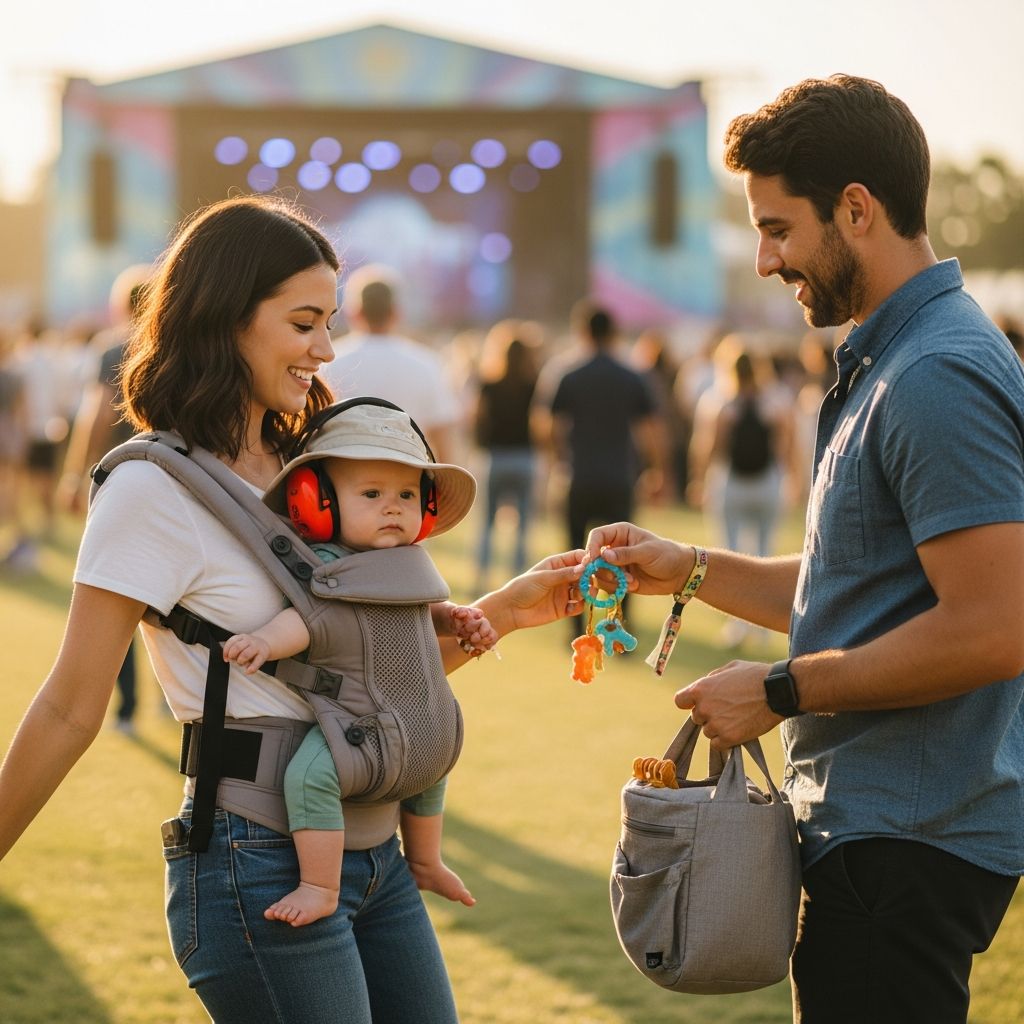
Hearing protection is non-negotiable. Specialized earmuffs designed for infants attenuate sound by 20-30 dB without discomfort, allowing babies to remain present while safeguarding their health. Position yourself at the venue’s rear to further reduce intensity, and limit exposure to under an hour.
Age and Developmental Considerations
Not all babies are ready for concerts. Newborns, especially unvaccinated ones, face heightened infection risks in crowds. Opt for infants over six months who have received initial vaccinations and show calm temperaments during stimulation.
- 0-3 months: Avoid concerts; prioritize quiet bonding.
- 3-6 months: Consider only acoustic or low-volume daytime shows.
- 6+ months: Feasible with protections, monitoring overstimulation.
Daytime or early evening events align better with nap schedules, reducing fussiness. Test your baby’s reaction to music at home first—energetic genres may overwhelm, while folk or classical suits better.
Venue Selection and Policies
Research ahead: many venues impose no formal age minimums, but family zones or seated areas enhance safety. Call to confirm stroller access, nursing rooms, and quiet spaces. Outdoor festivals offer more flexibility than packed arenas.
| Venue Type | Pros for Babies | Cons | Best For |
|---|---|---|---|
| Outdoor Park | Space to move, fresh air | Weather variables | Crawlers/Toddlers |
| Small Theater | Lower volume, seated | Limited escape routes | Newer Infants |
| Large Arena | Family sections possible | High crowds, noise | With protections |
| Standing GA | Closer to stage | Overstimulation risk | Avoid under 12 months |
Arrive early to scout exits, restrooms, and low-stimulation zones like lobbies or bars.
Essential Preparation Checklist
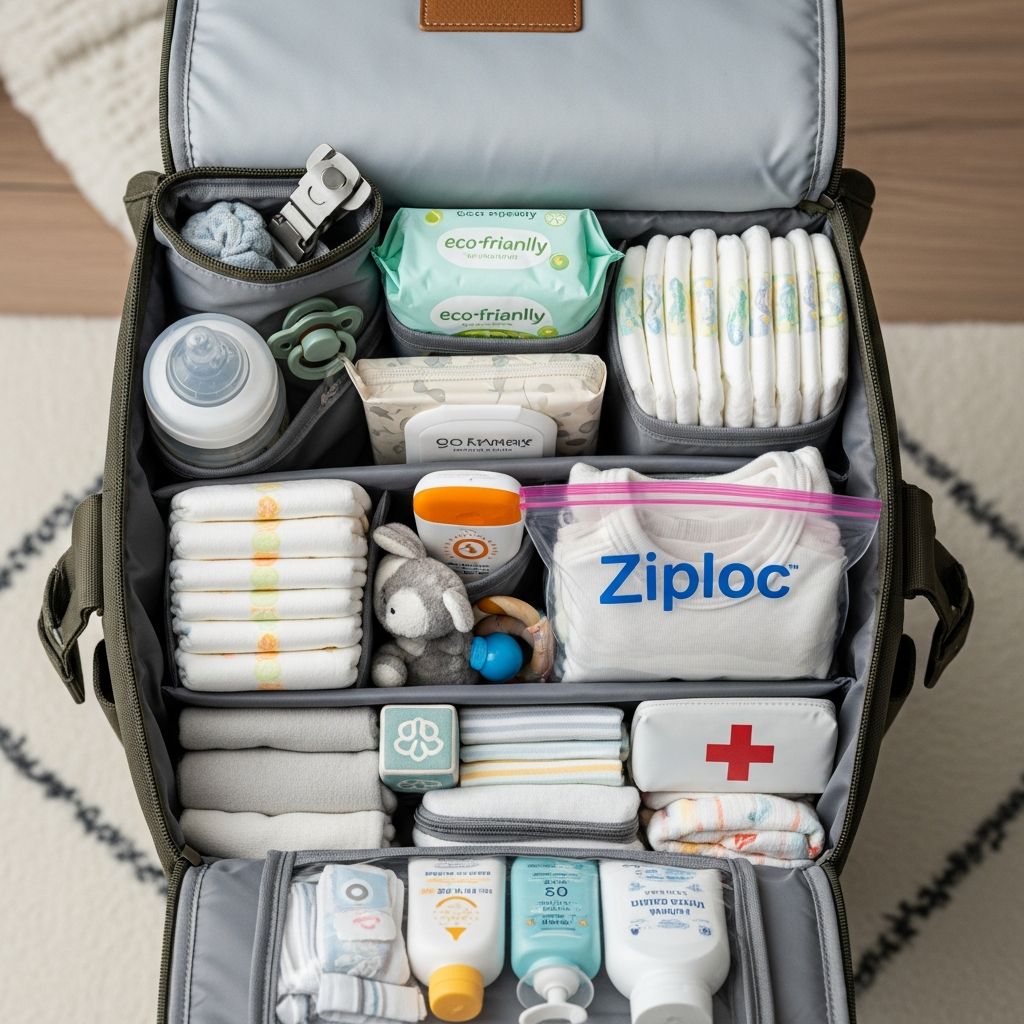
Thorough prep turns potential chaos into smooth fun. Pack light using a multi-functional carrier for hands-free mobility.
- Infant earmuffs or plugs (NRR 25+ rating).
- Bottles, snacks, diapers in a clear bag for security.
- Weather-appropriate layers; avoid bulky outfits.
- Mini first-aid: wipes, band-aids, infant pain reliever.
- Baby carrier or wrap for secure holding.
- Backup battery pack for white noise apps if needed.
Feed and change before entering to minimize mid-show disruptions. Hydrate yourself too—parental comfort matters.
Maintaining Safety in Crowds
Crowds pose tripping and separation hazards. Use a baby carrier over strollers in dense areas; for walkers, a harness lanyard prevents wandering. Establish a clear meeting point upon entry, like the merch booth, and point out security uniforms.
Monitor for heat exhaustion or dehydration signs: flushed skin, lethargy. Take frequent breaks in shaded or air-conditioned spots. Never leave your baby unattended, even briefly.
Pregnancy and Concerts: Special Notes
Pregnant individuals should consult obstetricians, as vibrations and standing can strain. Stay hydrated, avoid front speakers, and sit if possible. Third-trimester caution is advised due to mobility limits.
Post-Concert Recovery Strategies
Overstimulation lingers; babies may resist bedtime. Dim lights, offer a warm bath, and read softly to reset. Watch for ear-rubbing or irritability signaling discomfort—schedule a pediatric check if persistent.
Real Parent Experiences and Lessons
Families report success at mellow gigs: one parent shared a folk festival win using earmuffs and rear positioning, noting their 8-month-old danced happily. Challenges arise at rock shows—crying spells prompted early exits. Key lesson: read your child’s cues and prioritize exit readiness.
Frequently Asked Questions
What is the minimum age for concerts?
No universal minimum exists, but experts recommend 6+ months with protections. Check venue rules.
Are baby earplugs effective?
Yes, those meeting safety standards reduce volume safely without inserting deeply.
Can I breastfeed at a concert?
Most venues allow discreet nursing; seek family areas for privacy.
What if my baby cries?
Step out promptly to quieter zones—respect other attendees.
Is it safe for pregnant women?
Generally yes with precautions; consult your doctor.
Long-Term Benefits of Family Music Exposure
Moderate live music introduces rhythm and social cues, fostering emotional bonds. Studies link early music to language development. Balance risks with these gains through smart choices.
With vigilance, concerts become joyful milestones. Prioritize hearing health per American Academy of Pediatrics (AAP) guidelines, and create traditions safely.
References
- Noise-Induced Hearing Loss — Centers for Disease Control and Prevention (CDC). 2024-05-15. https://www.cdc.gov/ncbddd/hearingloss/noise.html
- Preventing Noise-Induced Hearing Loss in Children — American Academy of Pediatrics (AAP). 2023-11-20. https://publications.aap.org/pediatrics/article/152/6/e2023063754/193466
- Hearing Protection for Infants and Toddlers — National Institute on Deafness and Other Communication Disorders (NIDCD). 2025-02-10. https://www.nidcd.nih.gov/health/noise-induced-hearing-loss
- Safe Listening for Young Children — World Health Organization (WHO). 2024-08-01. https://www.who.int/news-room/fact-sheets/detail/deafness-and-hearing-loss
- Child Safety in Public Gatherings — CDC Child Health Guidelines. 2024-03-12. https://www.cdc.gov/children/index.html