Parenting one newborn can feel like a full-time workout. Parenting three at once looks almost superhuman. A now-viral video of a triplet mom calmly holding all three of her babies in her arms has captured hearts online and sparked curiosity about how she does it, how safe it is, and what life with triplets is really like.
Inside the Viral Triplet-Mom Moment
The short clip shows a mom of newborn triplets carefully adjusting each baby until all three are settled comfortably against her body. She uses slow, practiced movements and keeps her posture stable, proving this is not a random stunt but a routine she has refined over time. Viewers immediately flooded the comments with admiration, questions, and a sense of awe at how natural she made it look.
More than just a cute moment, the video highlights a deeper reality: parents of multiples often develop creative, highly efficient ways to comfort several babies at once. These techniques are born out of necessity, love, and many hours of trial and error.
Why Holding Three Babies at Once Is So Powerful
Seeing a parent cradle three infants simultaneously strikes an emotional chord. It represents intimacy, connection, and the intense bond that comes from caring for multiple babies with limited time and two hands. For many parents of multiples, moments like these are the reward after long nights and overwhelming days.
The video also challenges the common assumption that it is impossible to give each baby enough individual attention. While one-on-one time is still important, this scene shows that shared cuddles can be deeply soothing and meaningful, especially for siblings who have been together since the womb.
How a Triplet Mom Physically Manages It
Every parent and baby set is different, but the triplet mom’s approach follows several practical principles that make holding three babies at once more manageable. The focus is always on safety, stability, and comfort for both the parent and the babies.
Core Elements of Her Holding Technique
- Using the lap as a base: She often sits down, using her thighs and lap as a stable surface so that the babies’ weight is not supported by her arms alone.
- Angled positioning: The babies are slightly angled toward her body, which prevents slipping and keeps their heads supported against her chest or arm.
- Layered support: One arm usually cradles the bottom two babies while the other helps stabilize the third, with her torso acting as a natural barrier.
- Slow transitions: She adjusts one baby at a time, never making sudden movements that could startle or unbalance the group.
Posture and Safety Considerations
Good posture is crucial when holding multiple babies. By sitting upright with feet flat on the floor, the parent can brace the core and avoid unnecessary strain on the back and shoulders. Sturdy seating, like a couch corner or an armchair with firm armrests, offers extra stability.
In most cases, a parent will only hold multiple babies standing up for a brief moment, such as moving them from one place to another. Long cuddle sessions with triplets are almost always done sitting, both for safety and for the parent’s physical health.
Safety Tips for Holding Multiple Babies
Parents who want to emulate this type of hold should prioritize safety above all else. The goal is to secure each baby’s head, neck, and torso while making sure the parent is not overextending their strength or balance.
- Always start seated when holding more than one newborn at once.
- Ensure that each baby’s airway is clear and that their chin is not tucked tightly into the chest.
- Use pillows or nursing cushions at your sides or on your lap for additional support.
- Stop immediately if you feel back strain, numbness in your hands, or any sign that you are losing your grip.
- Have a partner or helper nearby when you are still learning your technique.
Many triplet parents also work with pediatricians, lactation consultants, or physical therapists to refine safe ways of lifting, carrying, and feeding multiple babies. Professional guidance can be especially helpful for premature or medically fragile infants.
Emotional Reality of Parenting Triplets
Behind the impressive holding technique lies a complex emotional landscape. Parenting triplets often means feeling multiple things at once: overwhelming love, constant fatigue, and pressure to meet each baby’s needs equally. Viral moments show the highlights, but they rarely capture the full picture.
Many parents of multiples describe battling guilt when one baby cries longer than the others or when there is not enough time for individual cuddles. Scenes like this mom holding all three at once can be reassuring—it demonstrates a creative way of giving shared comfort and signals that bonding can happen in group moments too.
Why the Internet Calls Triplet Moms “Superheroes”
Commenters on videos like this one often call triplet moms superheroes, and for good reason. Coordinating feeds, naps, diaper changes, and soothing sessions for three babies demands extreme organization and resilience. The ability to hold all three at once becomes a symbol of that strength.
Still, most parents of multiples will say they are not superhuman; they have simply adapted. Their skills develop from necessity, repetition, and love, rather than from any special power. The superhero label speaks more to public admiration than to reality, but it does highlight how impressive their daily work truly is.
Common Techniques Used by Parents of Multiples
The triplet mom’s method in the viral clip can vary, but it aligns with a broader set of strategies used by parents of twins and triplets. These techniques focus on efficiency while still making space for emotional connection.
| Technique | How It Works | Best For |
|---|---|---|
| Lap cradle with side support | Parent sits with two babies on the lap and one propped slightly higher along the chest or arm, often with a pillow. | Short cuddle sessions, photos, brief soothing after feeds. |
| Double cradle + one in bouncer | Two babies are held in the arms while a third rests in a nearby swing or bouncer, allowing quick rotation. | When one parent is alone and needs to comfort crying babies in turns. |
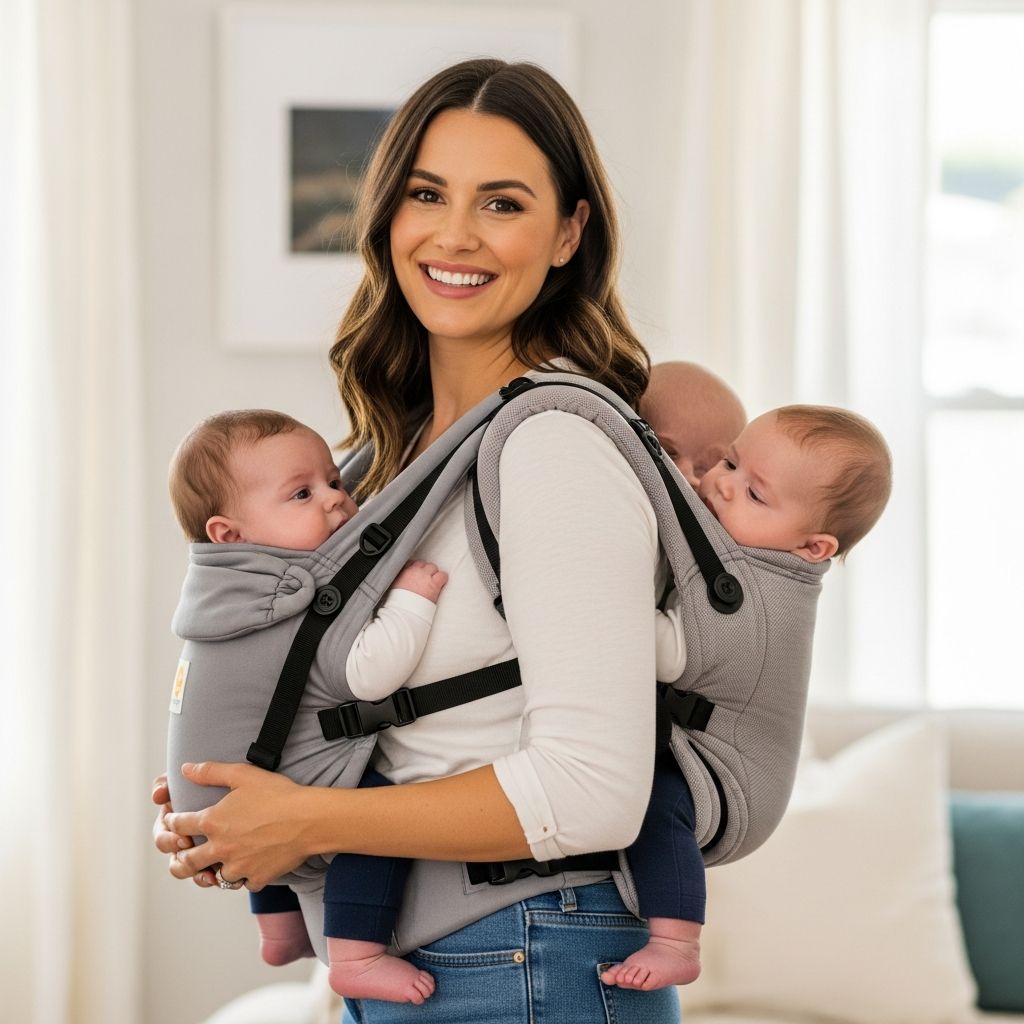
| Tandem wear + one in arms | Two babies are placed in safe baby carriers while the third is held or placed next to the parent. | Moving around the house, short walks, or caring for older siblings. |
| Cluster cuddle on couch | Parent reclines slightly with all babies supported by pillows on either side and across the lap. | Bonding time, skin-to-skin contact, quiet evening routines. |
The specific approach that works best often changes as the babies grow, become more mobile, and develop different personalities. Flexibility is just as important as technique.
Practical Tips for New Parents of Triplets
The viral moment of the triplet mom is inspiring, but new parents should not feel pressure to copy it exactly. Instead, the clip can serve as a reminder that skills will evolve over time. With patience and practice, parents of multiples often discover their own systems that feel safe and sustainable.
- Practice with one baby at a time: Master stable positions and safe lifting before adding a second or third baby to your arms.
- Use supportive furniture: Choose chairs and couches with firm backs and armrests that help you maintain balance.
- Set up a “soft landing zone”: Keep blankets or cushions on the floor nearby in case you need to quickly and safely put a baby down.
- Rotate individual time: Schedule short one-on-one moments during the day so each baby gets focused attention in addition to group cuddles.
- Accept help when offered: Family, friends, or postpartum doulas can make holding and caring for multiple babies far less overwhelming.
What This Moment Teaches About Community
The widespread reaction to the triplet mom video shows how powerful it can be when parents share authentic glimpses of their lives. Viewers respond not only to the impressive physical feat but also to the vulnerability of showing both the beauty and the challenge of raising three newborns at once.
For other parents of multiples, seeing someone who understands their unique struggles can feel validating. It reinforces the idea that there is a community—online and offline—ready to offer tips, emotional support, and reassurance that they are not alone.
Key Takeaways for Parents and Caregivers
The image of one mom cradling three babies at once is more than a viral novelty. It captures the creativity, strength, and adaptability that define parenting multiples. While not every parent will feel comfortable holding all of their babies simultaneously, everyone can borrow pieces of the mindset behind it: slow, intentional movements, thoughtful planning, and an emphasis on safety.
Most importantly, it is a reminder that love does not divide with each additional child; it multiplies. Whether cuddles happen one at a time or all together, the connection between parent and baby—or babies—remains the heart of the story.
Frequently Asked Questions
Is it safe to hold three newborns at once?
It can be safe if the parent is seated, each baby’s head and neck are fully supported, and the parent feels physically capable of managing the combined weight. The focus should always be on maintaining secure holds and avoiding sudden movements. Any parent who feels unsure should start with one or two babies at a time and consult a pediatric provider for guidance.
Do parents of triplets always hold all three together?
No. Most of the time, parents of triplets rotate which baby they are holding, while the others rest in safe spaces like bassinets, swings, or play yards. Holding all three at once is usually a special moment for bonding, comfort, or photos—rather than the default way of managing daily care.
How do triplet parents make sure each baby gets attention?
Many parents build small routines into their day, such as taking turns with diaper changes, feeds, or bedtime snuggles, so each baby receives some dedicated one-on-one time. Shared experiences, like group cuddles or reading time with all three, also provide meaningful connection and comfort.
What equipment helps when caring for triplets?
Parents of triplets often rely on items such as supportive nursing pillows, multiple bassinets, baby carriers, and sturdy chairs or couches with good back support. These tools do not replace a parent’s technique, but they can make holding and soothing multiple babies more manageable and safer.
Do you need special training to care for triplets?
Formal training is not required, but many parents find it useful to talk with pediatricians, lactation consultants, or experienced parents of multiples. Over time, they develop personalized systems that fit their babies’ needs, their home layout, and their own physical abilities.