Babies begin displaying smiles shortly after birth, starting with reflexive expressions and progressing to intentional social smiles by around 6 to 8 weeks of age. These milestones mark critical steps in emotional, social, and neurological development, helping infants connect with caregivers and the world around them.
Early Facial Expressions in Newborns
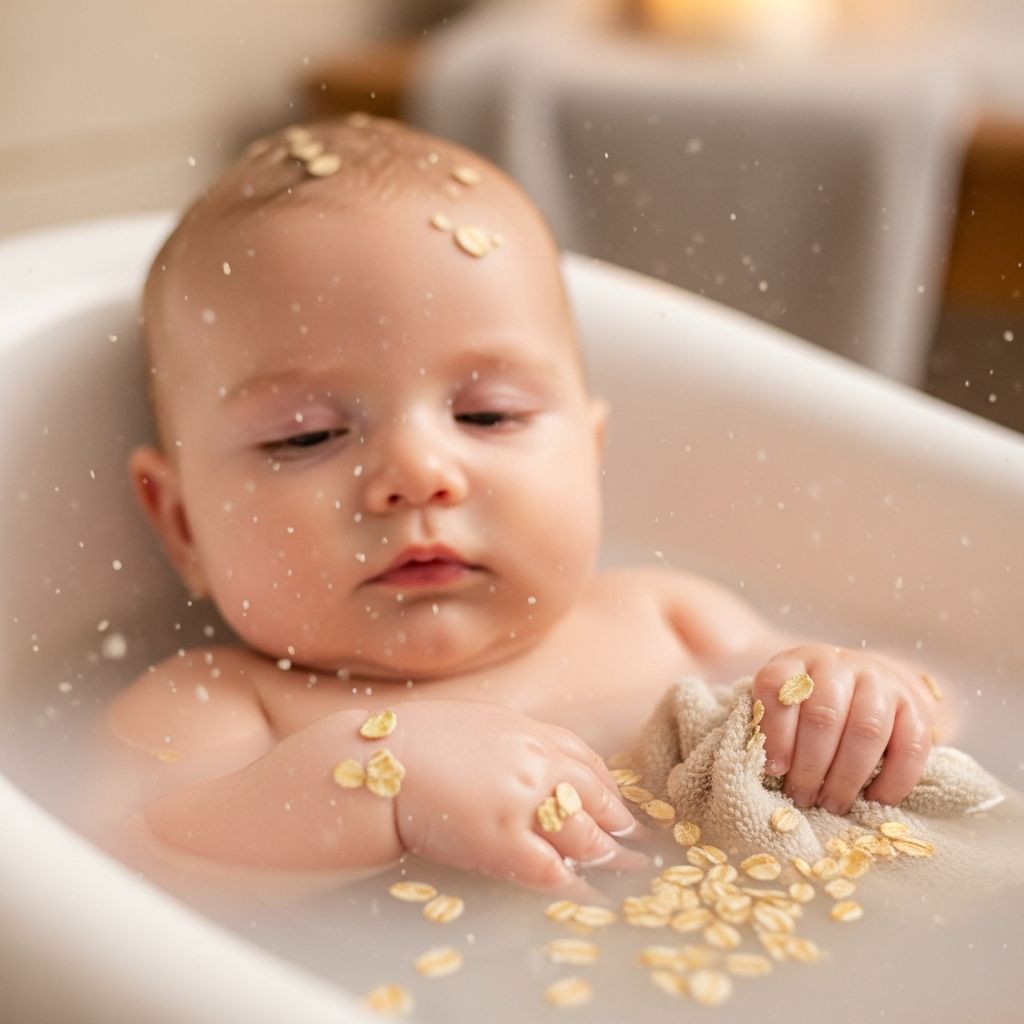
In the first weeks of life, newborns exhibit what experts call reflexive smiles. These occur spontaneously, often during sleep or while feeding, and are not directed at people or events. They stem from innate neurological responses similar to sucking or grasping reflexes, aiding in the strengthening of facial muscles.
According to pediatric specialists, these early smiles can appear as soon as birth, sometimes even observed in utero via ultrasound around 33 weeks gestation. However, they fade by about 6 to 8 weeks as the baby’s brain matures enough for more purposeful interactions.
- Reflexive smiles are involuntary and tied to physiological states like REM sleep or digestion.
- They prepare the muscles for later, deliberate expressions.
- Parents often capture these fleeting moments, mistaking them for social engagement.
This phase reassures caregivers that facial development is underway, even if true responsiveness hasn’t emerged yet.
The Dawn of Responsive Smiles
Around 6 to 8 weeks, babies transition to responsive smiles. These happen in reaction to external stimuli, such as a familiar voice, gentle touch, or a caregiver’s face. It’s a sign that the infant’s sensory systems—vision, hearing, and recognition—are integrating effectively.
At this stage, a baby might grin when hearing a soothing tone or seeing a high-contrast face hovering above. Vision sharpens enough to focus on objects 8 to 12 inches away, aligning perfectly with a parent’s position during interaction.
| Age Range | Smile Type | Triggers | Developmental Sign |
|---|---|---|---|
| 0-6 Weeks | Reflexive | Sleep, feeding | Muscle practice |
| 6-8 Weeks | Responsive | Voices, faces | Sensory integration |
| 2-3 Months | Social | Interaction, play | Emotional bonding |
This table outlines the progression, highlighting how each type builds on the last for holistic growth.
Social Smiles: Building Emotional Bonds
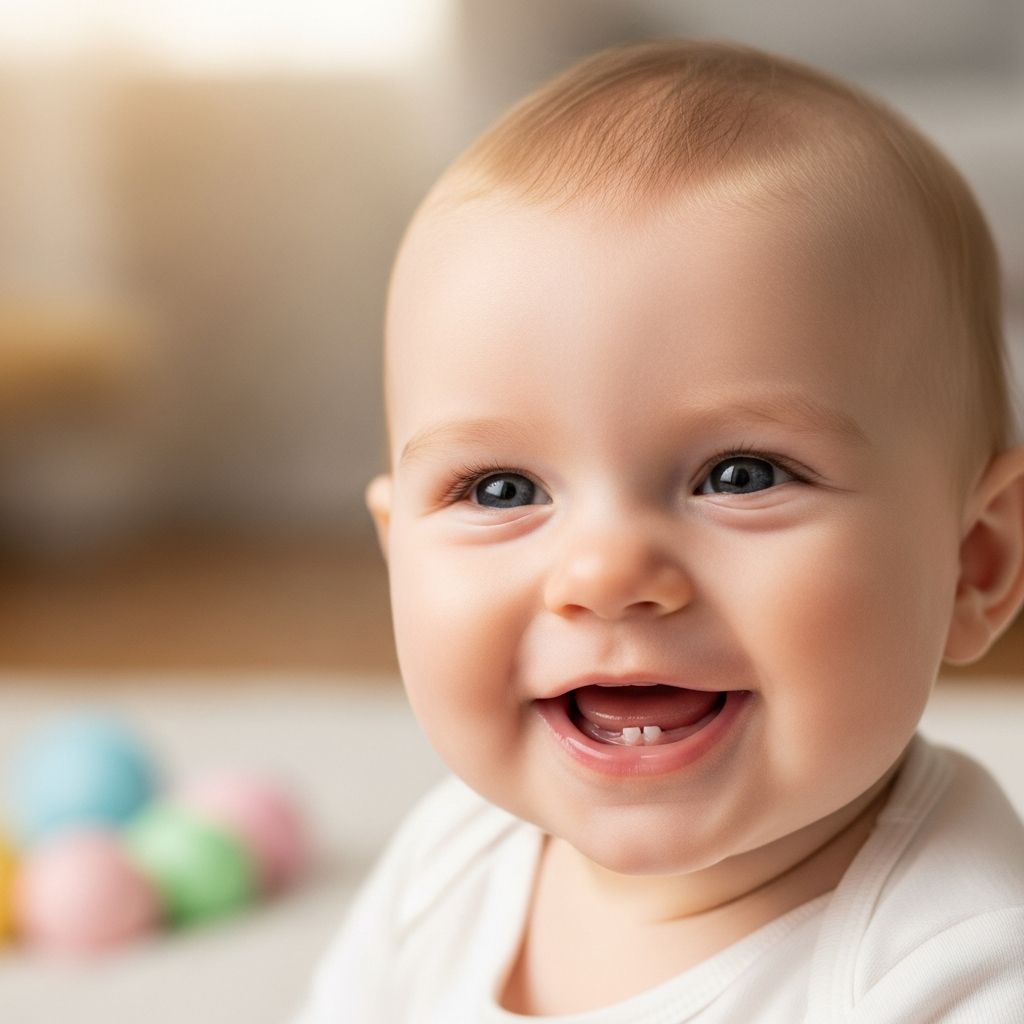
By 2 to 3 months, most babies display social smiles—genuine, eye-crinkling grins in direct response to social cues like a parent’s smile, peek-a-boo, or animated talking. This milestone, noted by the CDC and AAP, indicates mature vision, hearing, and nervous system function, allowing the baby to recognize and reciprocate positive emotions.
Social smiling fosters attachment. When a baby smiles back, it triggers oxytocin release in both infant and caregiver, strengthening their bond. Pediatricians emphasize this as a key indicator during well-child visits; absence by 3 months warrants gentle monitoring, though most catch up.
- Social smiles often accompany cooing or gurgling sounds.
- They expand to include siblings, pets, or mirrors.
- Encourage them with face-to-face play and exaggerated expressions.
Studies show babies who engage in frequent smile exchanges develop better emotional regulation later.
From Smiles to Giggles: The Onset of Laughter
Laughter typically emerges between 4 and 6 months, following the social smile phase. Initial chuckles accompany cooing, evolving into full belly laughs during tickles, raspberries, or surprise games. This reflects advanced motor control, cognitive awareness of patterns, and joy in shared play.
By 4 months, babies respond to facial expressions and vocalize during interactions. At 6 months, expect hearty responses to peek-a-boo or chasing toys, signaling understanding of object permanence and humor’s surprise element.
To elicit laughs:
- Use gentle physical play like tummy time tickles.
- Make silly sounds or faces.
- Play hide-and-seek with toys or your face.
Laughter boosts lung capacity and social skills, paving the way for babbling and words.
Advanced Smiling Stages: 6 to 12 Months
Beyond early infancy, smiles become more nuanced. At 6 months, grins are broad and undiscriminating, directed at anyone eliciting delight. By 9 months, selectivity appears as stranger anxiety sets in—smiles reserved for trusted faces.
Around 12 months, smiles pair with emerging humor comprehension. Babies giggle at absurdities like upside-down toys or exaggerated walks, coinciding with first words and pointing gestures. This stage underscores cognitive leaps in cause-effect and social cues.
Track these via milestones:
- 6 Months: Smiles at strangers, laughs readily.
- 9 Months: Prefers family, wary of new people.
- 12 Months: Humor-driven smiles, often with claps or squeals.
How to Encourage Your Baby’s Smiles
Active engagement accelerates smiling. From birth, provide skin-to-skin contact, sing lullabies, and maintain eye contact. Use black-and-white patterns early, transitioning to colorful mobiles as vision refines.
Daily routines matter: Talk during diaper changes, mimic expressions in mirrors, and respond promptly to cries to build trust. Tummy time strengthens neck muscles for better face orientation.
Avoid overstimulation; quiet one-on-one time yields the best responses. If preterm, adjust timelines by gestational age—consult your pediatrician.
When to Consult a Professional
Most babies smile socially by 12 weeks, but variations occur. No smiles by 3 months, lack of eye contact, or asymmetrical expressions may signal issues like vision problems or neurological delays. Premature infants or those with conditions like Down syndrome might lag but often catch up.
During checkups, share observations. Early intervention, if needed, dramatically improves outcomes. Red flags include no response to sounds or faces by 2 months.
Frequently Asked Questions (FAQs)
Do all babies smile at the same time?
No, timelines vary; most social smiles appear 6-12 weeks, but up to 3 months is normal. Track overall responsiveness.
What’s the difference between a reflex and social smile?
Reflex smiles are random and sleepy; social ones are deliberate, with eye contact and directed at people.
When do babies start laughing?
Around 4-6 months, starting with chuckles during play.
Should I worry if my baby isn’t smiling yet?
Not immediately; discuss at the 2-month visit if absent. Most develop soon after.
Can I teach my baby to smile?
Encourage through interaction, but it’s a natural milestone.
Long-Term Benefits of Early Smiling
Infants who smile frequently show advanced language skills by toddlerhood, better peer interactions, and resilience. Smiling exchanges wire the brain’s reward centers, enhancing empathy and self-esteem. Parents benefit too, with reduced stress from these joyful feedback loops.
Incorporate smile play into routines for lifelong emotional health. Celebrate each grin as a window into your baby’s growing world.
References
- When Do Babies Start Smiling and Laughing? — Cleveland Clinic. 2023-10-15. https://health.clevelandclinic.org/when-do-babies-start-laughing-smiling
- When Do Babies Start Smiling? — The Bump. 2024-05-22. https://www.thebump.com/a/when-do-babies-smile
- The Science Behind Your Baby’s Smile — Prenate Vitamin Family. 2023-08-10. https://prenate.com/the-science-behind-your-babys-smile/index.html
- When Do Babies Smile? A Guide to Baby Facial Expressions — Piccalio. 2024-02-14. https://piccalio.com/blogs/grow/when-do-babies-smile-a-guide-to-baby-facial-expressions
- 0-12 Months of Your Baby’s Smile — Tidal Smiles Pediatric Dentistry. 2023-11-05. https://tidalsmilesnc.com/0-12-months-of-your-babys-smile-a-guide-from-tidal-smiles-pediatric-dentistry-pediatric-dentist-near-me/
- When do babies laugh for the first time? — Huckleberry. 2024-01-20. https://huckleberrycare.com/blog/when-do-babies-laugh-for-the-first-time
- When do babies first smile? — HealthyChildren.org (AAP). 2023-06-12. https://www.healthychildren.org/English/tips-tools/ask-the-pediatrician/Pages/When-do-babies-first-smile.aspx