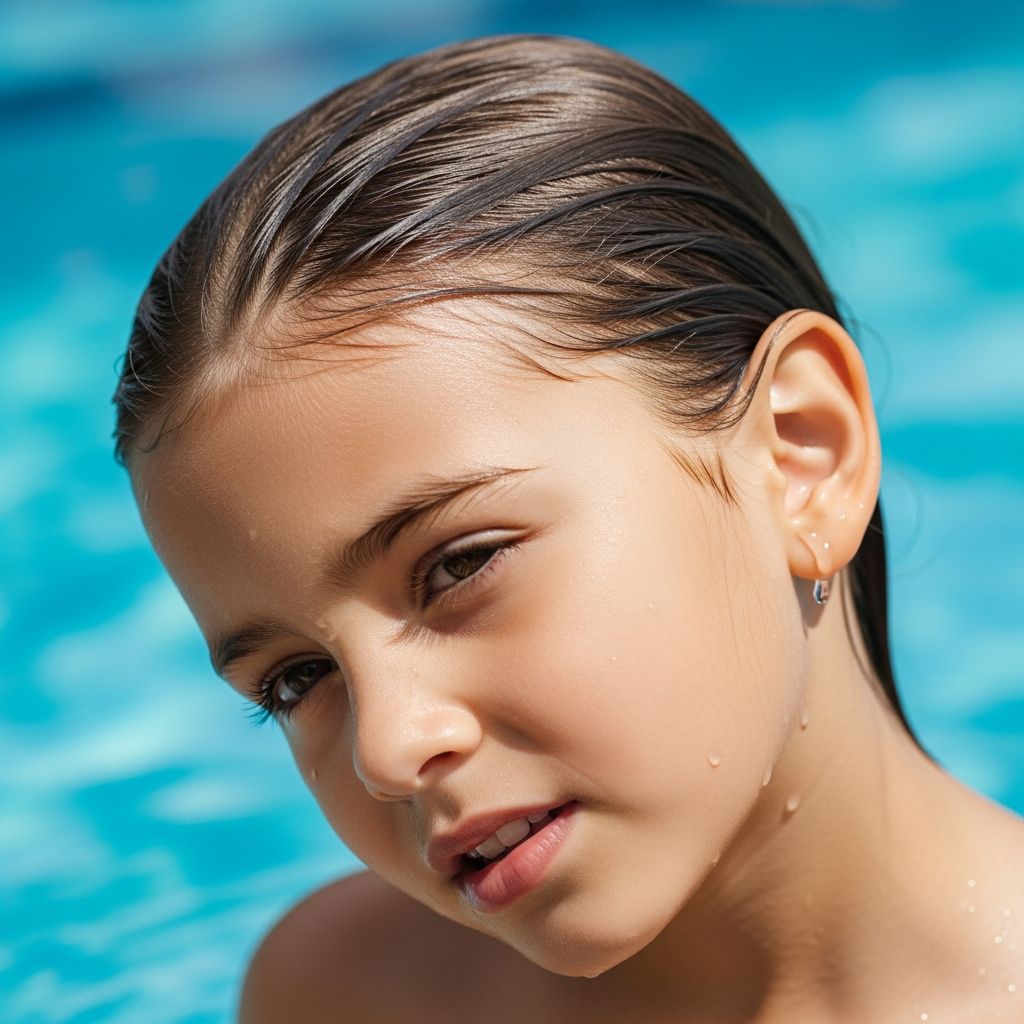
Swimmer’s ear, medically termed otitis externa, affects the outer ear canal and is common among children who spend time in water. This condition arises when moisture creates an environment conducive to bacterial growth, leading to inflammation and discomfort. Parents play a crucial role in early detection and management to avoid complications.
Understanding the Anatomy of the Ear Canal
The ear canal is a narrow passage lined with thin skin and protective wax that repels water. In children, this canal is shorter and more horizontal, trapping water more easily after swimming or bathing. Natural defenses like cerumen (earwax) maintain an acidic pH, deterring microbes, but excess moisture disrupts this balance.
Primary Causes Behind Swimmer’s Ear
Excess water retention is the leading trigger, often from swimming pools, lakes, or even showering. Bacteria thrive in the warm, damp canal, especially if skin is irritated. Other contributors include:
- Cotton swab use, which scratches delicate skin and removes protective wax.
- Products like shampoos or hairsprays irritating the canal.
- Skin conditions such as eczema, creating entry points for infection.
- Folliculitis from infected hair follicles.
Children in humid climates or with narrow canals face higher risks, as drainage is impaired.
Recognizing Early Warning Signs
Symptoms escalate from mild itching to severe pain. Key indicators include:
| Stage | Symptoms |
|---|---|
| Mild | Itching, slight discomfort, muffled hearing |
| Moderate | Increased pain on touch, fullness sensation, drainage |
| Advanced | Severe pain radiating to neck, swelling, fever, lymph node enlargement |
Pain worsens with jaw movement or ear tugging, distinguishing it from middle ear infections.
When to Consult a Pediatrician Urgently
Seek immediate care if pain intensifies, fever exceeds 101°F, or swelling blocks the canal. Delays can lead to deeper infections or skull involvement, rare but serious. A doctor will inspect using an otoscope and may clean debris gently.
Effective Treatment Approaches
Treatment targets infection, inflammation, and moisture control. For mild cases, acetic acid-hydrocortisone drops applied four times daily suffice, improving symptoms in 3 days. Moderate to severe cases require antibiotic-steroid drops.
- Ear Cleaning: Professional suction or wicks deliver medication effectively.
- Pain Management: Ibuprofen or acetaminophen; warm compresses ease discomfort.
- Advanced Care: Oral or IV antibiotics for resistant cases; surgery for complications.
Avoid self-cleaning during treatment to prevent worsening.
Home Remedies and Supportive Measures
Complement medical treatment with:
- A 1:1 rubbing alcohol-white vinegar mix (3-4 drops post-swim) to evaporate water and restore acidity.
- Keeping ears dry: Use swim caps or plugs during baths.
- Avoiding earbuds or headphones until healed.
Full recovery typically takes 7-10 days with dryness maintained.
Proven Prevention Strategies for Families
Prevent recurrence with proactive habits:
- Dry Thoroughly: Tilt head, pull earlobe gently, pat with towel—no swabs.
- Protective Gear: Custom earplugs for frequent swimmers.
- Post-Swim Rinse: Alcohol-vinegar solution for all water exposures.
- Hygiene Education: Teach kids not to dig ears; supervise cleaning.
- Monitor Conditions: Extra caution for eczema sufferers or humid areas.
These steps reduce incidence significantly during summer surges.
Swimmer’s Ear vs. Middle Ear Infections: Key Differences
| Aspect | Swimmer’s Ear (Otitis Externa) | Middle Ear Infection (Otitis Media) |
|---|---|---|
| Location | Outer canal | Behind eardrum |
| Pain Trigger | Ear tug or chew | Spontaneous, internal |
| Drainage | Present, pus-like | Rare unless ruptured |
| Cause | Moisture/bacteria | Virus/cold-related |
Understanding this aids accurate response.
Special Considerations for Young Swimmers
Infants and toddlers’ smaller canals heighten vulnerability; limit bath water entry and dry meticulously. Competitive swimmers benefit from weekly acetic acid rinses prophylactically. Diabetics or immunocompromised kids need vigilant monitoring due to alkaline wax risks.
Long-Term Management and Myths Debunked
Myth: Swimming always causes it—reality: Poor drainage does. Myth: Drops alone cure—no, dryness is essential. Track patterns; recurrent cases may need ENT evaluation for anatomy issues.
Frequently Asked Questions (FAQs)
Can swimmer’s ear affect non-swimmers?
Yes, showering or humid environments suffice for water trapping.
How long until improvement?
Typically 3 days with drops; full heal in 7-10.
Is it contagious?
No, but shared towels can spread bacteria.
Can I use over-the-counter drops?
Acetic acid for mild cases, but consult doctor first.
What if symptoms persist post-treatment?
Return for re-evaluation; may indicate resistance or fungus.
This guide empowers parents to safeguard children’s ear health amid water activities. Early action ensures quick recovery and joyful play.
References
- Swimmer’s ear (otitis externa) – symptoms and treatment — Healthdirect. 2023. https://www.healthdirect.gov.au/swimmers-ear
- What doctors wish patients knew about swimmer’s ear — American Medical Association. 2023-07-10. https://www.ama-assn.org/public-health/population-health/what-doctors-wish-patients-knew-about-swimmer-s-ear
- Swimmer’s ear — Better Health Channel. 2023. https://www.betterhealth.vic.gov.au/health/conditionsandtreatments/swimmers-ear
- Otitis Externa (Swimmer’s Ear): Causes, Symptoms and Treatment — Nationwide Children’s Hospital. 2023. https://www.nationwidechildrens.org/conditions/otitis-externa-swimmers-ear
- Swimmer’s ear – Symptoms & causes — Mayo Clinic. 2023-08-29. https://www.mayoclinic.org/diseases-conditions/swimmers-ear/symptoms-causes/syc-20351682
- Swimmer’s Ear | 7 Things to Know and How to Treat It — Connecticut Children’s. 2023. https://www.connecticutchildrens.org/growing-healthy/swimmers-ear-7-things-know-and-how-treat-it
- Swimmer’s ear – Diagnosis & treatment — Mayo Clinic. 2023-08-29. https://www.mayoclinic.org/diseases-conditions/swimmers-ear/diagnosis-treatment/drc-20351688