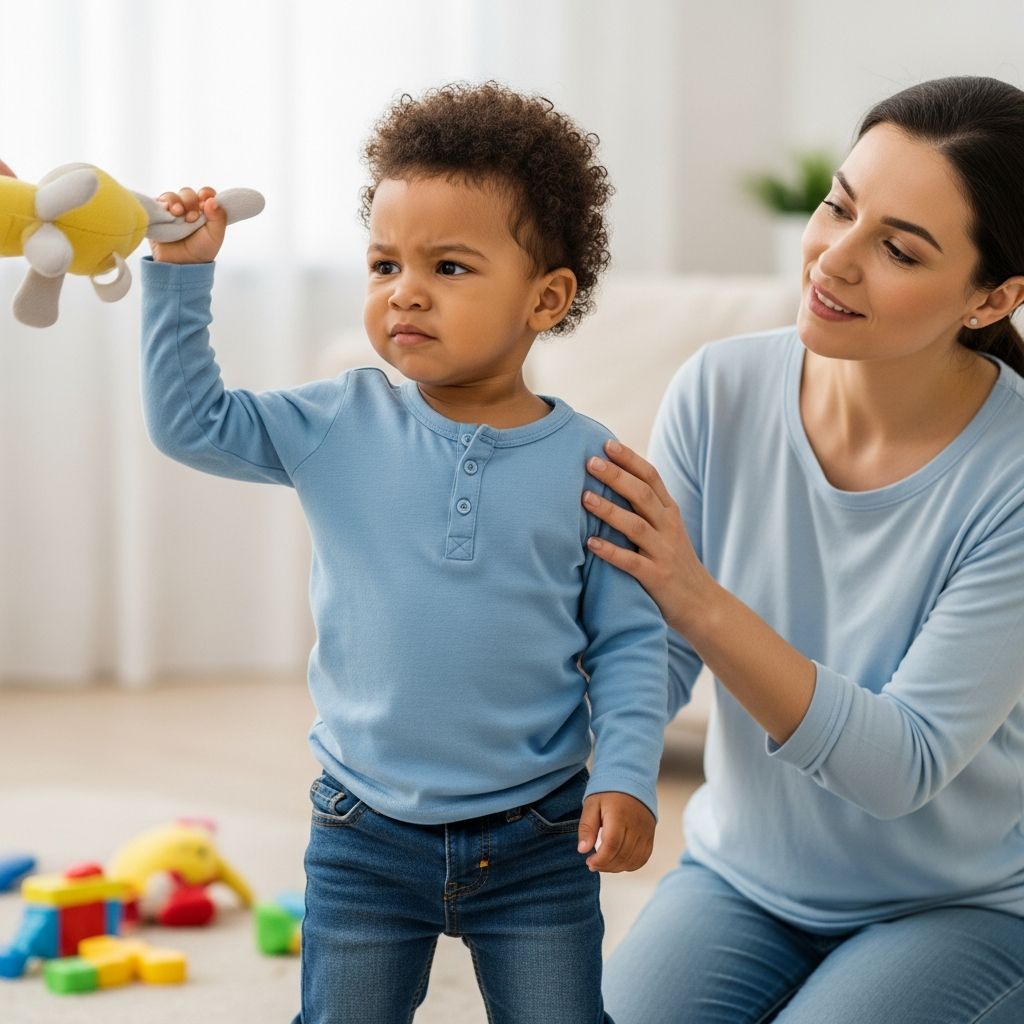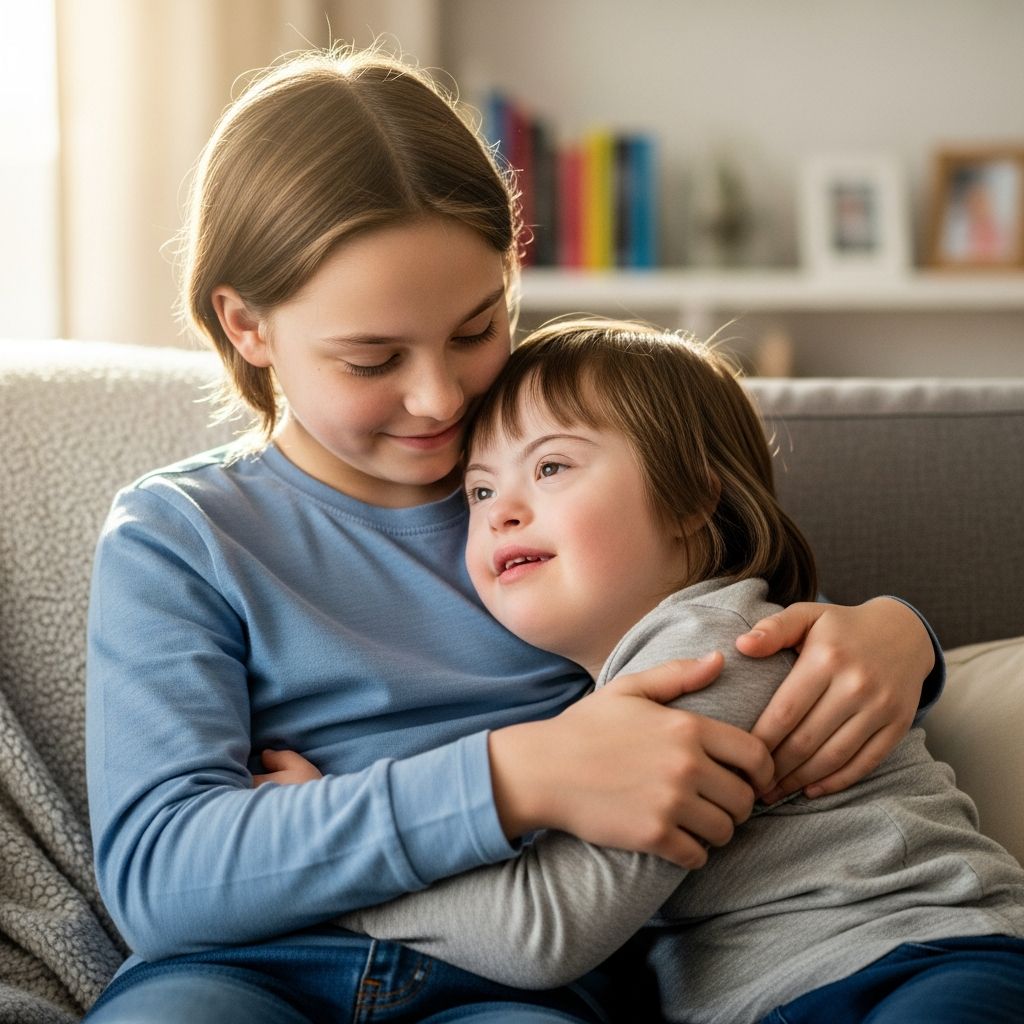
Raising a child with special needs brings unique joys and challenges to a family. Often, the focus falls on the child requiring extra care, but their brothers and sisters need just as much attention to grow emotionally strong and connected. These siblings navigate complex feelings like pride, resentment, or isolation while adapting to shifted family routines. Parents play a pivotal role in guiding them toward understanding and resilience.
Understanding the Emotional World of Siblings
Siblings of children with disabilities experience a wide range of emotions that can evolve over time. Younger ones might feel confused by differences in play or attention, while older siblings could shoulder unexpected responsibilities, leading to stress or jealousy. Research shows these children often develop heightened empathy and maturity, yet they risk feeling overlooked if not actively supported.
Common feelings include:
- Jealousy: Seeing a brother or sister receive more parental time.
- Embarrassment: Worrying about peers’ reactions to the disability.
- Pride: Celebrating their sibling’s achievements and unique strengths.
- Guilt: For resenting the situation or wanting ‘normal’ family life.
- Fear: About the future, like who will care for their sibling as parents age.
Recognizing these emotions validates siblings’ experiences and opens doors for healthy expression. Parents who normalize these feelings help children process them without shame.
Building Knowledge and Empathy at Home
Education demystifies disabilities for siblings, turning uncertainty into compassion. Start with age-appropriate explanations using simple books, videos, or analogies. For instance, compare autism to a ‘different operating system’ in the brain, helping kids grasp why behaviors differ.
Encourage involvement in therapies or daily routines when appropriate, allowing siblings to witness progress and contribute positively. This fosters a sense of team effort rather than competition. Avoid forcing participation—let children choose their comfort level to prevent resentment.
| Age Group | Recommended Learning Approach | Benefits |
|---|---|---|
| Under 7 | Picture books, play-based stories | Builds basic understanding without overwhelming |
| 8-12 | Interactive videos, family discussions | Encourages questions and empathy development |
| Teens+ | Real-life examples, future planning talks | Prepares for advocacy and long-term roles |
Regular family meetings provide a forum to discuss changes, celebrate all kids’ wins, and address concerns, strengthening unity.
Creating Balanced Family Time and Routines
Extra care for a child with special needs can unintentionally sideline others, breeding imbalance. Prioritize one-on-one time with each child through special outings, game nights, or quiet talks. Even 15 minutes daily reassures siblings they matter equally.
Strategies for equity:
- Schedule ‘sibling dates’ without the child with needs.
- Involve all kids in shared activities adapted for everyone.
- Use visual charts to track individual attention, making fairness tangible.
When equal time isn’t feasible, explain why transparently: ‘Your brother needs more help with doctor visits, but you’re my star soccer player—let’s practice together.’ This builds patience and reduces rivalry.
Promoting Peer Connections and Support Networks
Siblings often feel isolated, as peers may not relate to their home life. Peer support groups like Sibshops—fun, activity-filled workshops for ages 8-13—offer camaraderie and validation. Participants share stories, play games, and learn coping skills in a judgment-free zone.
Online communities and webinars provide flexible options for older siblings, covering topics like future planning and self-care. Organizations like the Sibling Leadership Network connect siblings nationwide for advocacy and resources across all ages.
Parents can scout local groups via hospitals, schools, or nonprofits. Extended family or trusted friends also serve as extra listeners, easing parental load.
Navigating School and Social Challenges
At school, siblings might face teasing or unwanted explanations about their family. Equip them with scripts: ‘My sister has autism, which makes some things tricky, but she’s awesome at art.’ Role-playing these boosts confidence.
Teachers should be informed to watch for behavioral shifts signaling stress. Encourage clubs or sports for normalcy and friendships outside family dynamics. Celebrating siblings’ individuality—through awards or hobbies—counters any ‘second fiddle’ perception.
Long-Term Planning and Adult Sibling Roles
As children age, discussions shift to adulthood. Teens benefit from learning about guardianship, services, and advocacy. Groups like The Arc offer toolkits for siblings becoming lifelong supporters.
Prepare by involving them in Individualized Education Program (IEP) meetings or therapy goals. This empowers them without overwhelming. Adult siblings often lead future care coordination, so early skills like resource navigation are invaluable.
Frequently Asked Questions (FAQs)
What if my child resents their sibling with special needs?
Resentment is common; acknowledge feelings without judgment. Offer private outlets like journaling or therapy, and increase quality time to rebuild connection. Patience and modeling positivity help.
How do I explain a disability simply to young kids?
Use relatable terms: ‘His brain works differently, like a puzzle with extra pieces.’ Follow with books or videos, answering questions honestly at their level.
Are support groups worth it for siblings?
Yes—Sibshops and similar programs reduce isolation, with studies showing improved self-esteem and coping. Virtual options suit busy families.
Should siblings help with caregiving?
Age-appropriately and voluntarily. Teach basic skills like distraction techniques during meltdowns, but protect their childhood—hire respite care if needed.
What about future worries for my teen sibling?
Discuss openly using resources from Sibling Leadership Network. Focus on partnerships with services, not sole responsibility.
Empowering Resilience in Every Family Member
With proactive support, siblings of children with special needs emerge compassionate leaders. Parents’ consistent love, communication, and resources turn challenges into growth opportunities. Celebrate the whole family’s strengths—disabilities shape but don’t define your story.
References
- How to Support Siblings of Children With Disabilities — Specially Gifted Foundation. 2023. https://speciallygifted.org/parent-tips/how-to-support-siblings-of-children-with-disabilities/
- Sibling Services — AHRC New York City. 2024. https://www.ahrcnyc.org/services/families/siblings/
- Sibling Leadership Network — Sibling Leadership Network. 2025. https://siblingleadership.org
- Siblings of People With Intellectual & Developmental Disabilities — The Arc. 2024. https://thearc.org/get-involved/siblings/
- Sibling Support — Children’s Specialized Hospital. 2024. https://www.rwjbh.org/childrens-specialized-hospital/patients-visitors/patient-and-family-resources/sibling-support/
- Sibling Support Project — Sibling Support Project. 2025. https://siblingsupport.org
- The Center for Siblings of People with Disabilities — The Center for Siblings. 2024. https://siblingcenter.org