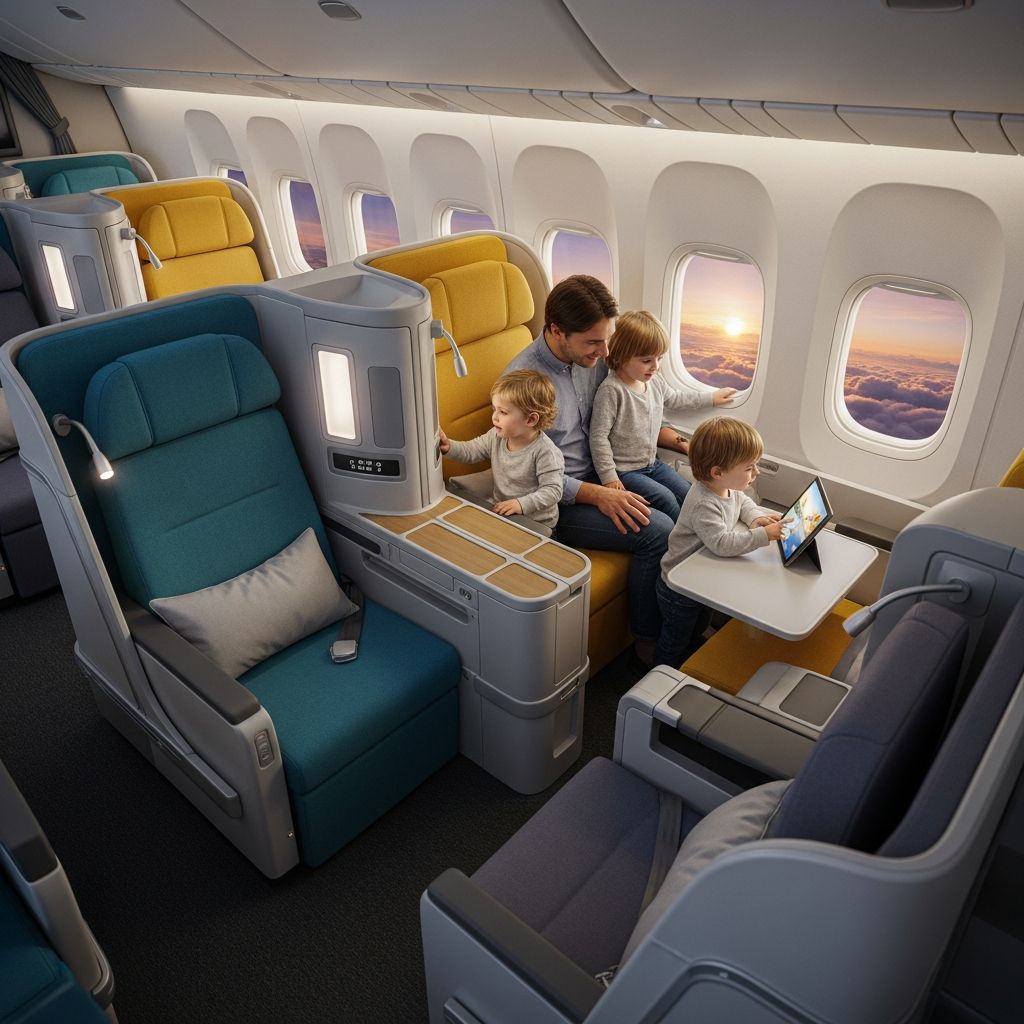
Flying with children used to feel like a glamorous adventure. Now it can feel like a low-budget survival game played at 35,000 feet, complete with delays, crumbs, and someone crying over the wrong color snack. But with a shift in expectations and a few smart strategies, parents can transform flights from barely tolerable chaos into something closer to manageable, and occasionally even enjoyable.
Why Flying With Kids Feels So Different Now
Air travel has changed dramatically over the past couple of decades. There is less space, more fees, and far more pressure on passengers to DIY their own comfort. For parents, that means the airline is no longer the host of your family’s journey; you are. The plane is just the metal tube you all happen to be sitting in.
Understanding this shift is strangely freeing. Instead of waiting for the airline to make things easier, parents can plan as if they are running their own tiny airline inside those cramped rows: managing expectations, snacks, entertainment, and emotions with the same care as a professional crew.
Mindset Shift: Stop Chasing the Perfect Flight
Much of the stress of flying with kids comes from an invisible script: the expectation that if everything goes right, the trip will be smooth. Flights, however, are built on variables parents cannot control—weather, delays, seat assignments, fellow passengers, and kids’ moods. Clinging to a mental picture of the perfect flight sets families up for frustration.
Instead, aim for a different goal: not perfection, but progress. Decide in advance that success looks like getting everyone from point A to point B reasonably safe, fed, and emotionally intact—nothing more glamorous than that. Once the bar is realistic, every pleasant moment feels like a bonus, not a baseline requirement.
Redefining “Good Service” When You Have Children
Before children, good airline service might have meant complimentary drinks, extra legroom, and a half-decent in-flight movie. After children, the definition of service shifts. What matters more is anything that protects your sanity, preserves your kids’ comfort, and keeps the flight from unraveling into full-scale meltdown territory.
Parents can quietly evaluate each airline, route, and booking decision around three questions: Will this make it easier to keep my kids comfortable? Will this reduce logistical stress? And is this worth the extra cost, or can the same outcome be achieved with better planning?
Choosing Flights With Families in Mind
Not every flight is created equal when you are flying with children. The cheapest option on the screen may come with harsh trade-offs: brutal departure times, multiple connections, or policies that separate families across the cabin unless they pay extra.
- Timing matters more than price. An early morning flight might cost a bit more but save everyone from overtired tantrums and midnight airport wandering.
- Nonstop is worth a premium. Each connection adds a new set of lines, walks, and opportunities for something to go wrong.
- Seat selection is a parenting tool. Paying to select seats together is not a luxury; it is crowd control.
When budget airlines are the only realistic option, parents can still make strategic choices: shorter flights, extra time between connections, or rows closer to the bathroom to cut down on endless aisle treks.
Building Your Own “Mom Airlines” (Or Dad Airlines)
If airlines now provide the bare minimum, think of yourself as the operator of your own family carrier. You are responsible for comfort, entertainment, emotional regulation, and in-flight snacks. It sounds like a lot, but once you treat it like a system, it becomes manageable instead of overwhelming.
This personal “airline” has one mission: deliver a small, unpredictable group of passengers safely while minimizing tears, arguments, and parental regret. To do that, you need a simple operating plan.
The Three-Part Family Flight Plan
A helpful way to think about flying with kids is to break the journey into three phases: ground operations, climb and cruise, and descent and recovery. Each phase needs a slightly different strategy, and preparing for that keeps parents from scrambling.
| Phase | Main Goal | Parent Focus |
|---|---|---|
| Ground operations (airport time) | Burn energy, reduce uncertainty | Explain steps, offer choices, keep bodies moving |
| Climb and cruise (most of the flight) | Maintain calm and comfort | Snacks, activities, flexible screen rules, small routines |
| Descent and recovery (landing and aftermath) | Manage ears, emotions, and transitions | Comfort measures, reassurance, clear next-step plan |
Ground Operations: Winning the Airport Before the Plane
Many meltdowns that happen in the air are actually rooted on the ground—kids who were rushed, confused, or bored for hours before they even saw their seat. The airport is not just a waiting room; it is the warm-up lap for the main event.
- Arrive early enough to move slowly. Rushing through security with exhausted children is like shaking a bottle of soda before takeoff.
- Explain the day as a story. Walk kids through what will happen: tickets, luggage, security, waiting, boarding, buckling. Predictability is calming.
- Let them walk when possible. Use extra time to walk laps, find windows to watch planes, and let them use up energy now instead of bouncing in their seat later.
People often picture a peaceful family sitting at the gate reading books. The reality can look closer to a mobile circus. The goal is not quiet perfection but getting some energy out before everyone is strapped down for hours.
Carry-On Strategy: Packing Like a Tiny Airline
When baggage fees rise and space shrinks, parents sometimes overcorrect and bring as little as possible. With kids, minimalism can backfire. A well-organized carry-on is less about volume and more about having the right things at arm’s reach when the cabin doors close.
Essentials Every Parent Should Have On Board
- Layered clothing for everyone, including a light sweater or hoodie.
- Snacks that are not sticky, crumbly, or melt-prone.
- Refillable water bottles to fill after security.
- Basic medications, wipes, tissues, and extra plastic bags.
- One surprise item (toy, activity, or treat) per child for emergencies.
Think of your carry-on as a mobile comfort kit, not a traveling toy store. Too many items become hard to manage, especially when your lap is already full of seatbelts, headphones, and feelings.
Entertainment Without Exhausting Yourself
Parents are constantly told to “keep kids entertained” on flights, but that phrase hides a trap: it implies the parent must perform nonstop. The better goal is to set up small pockets of self-directed engagement that do not require you to be an on-demand cruise director for the entire journey.
- Rotate activities in short bursts. Ten to twenty minutes of one thing (coloring, stickers, a show, a simple game) keeps interest fresher than handing everything over at once.
- Use screens deliberately, not guiltily. Flights are an exceptional situation; relaxed screen rules can be a sanity-saving tool, not a moral failing.
- Lean on low-prep games. I-spy, guessing games, and storytelling prompts use zero space in your bag and still pass surprising amounts of time.
Kids do not need to be constantly delighted; they need a mix of distraction, comfort, and reassurance that this noisy, crowded environment is still a safe place to be bored.
Managing Noise, Kicks, and Side-Eye From Strangers
One of the most stressful parts of flying with kids is not the children themselves, but other adults’ reactions to them. Parents often feel like they are on display, judged for every whimper, seat kick, or spilled juice box. Carrying that pressure makes it harder to respond calmly when kids inevitably struggle.
It helps to remember that a plane is a shared, imperfect space. Everyone on board is temporarily giving up comfort and control. Your kids have as much right to be there—with reasonable boundaries—as the most frequent business traveler. A quick apology if your child kicks a seat repeatedly is polite; sacrificing your sanity to keep everyone silent is not required.
Feeding Small Humans at 35,000 Feet
Once upon a time, passengers could rely on meals and drinks to appear like clockwork. Now, depending on the airline and ticket type, families may get everything from a full tray service to a single tiny bag of pretzels. Waiting for the cart can turn into a meltdown trigger when a hungry child is stuck behind a row of people ordering complicated coffee.
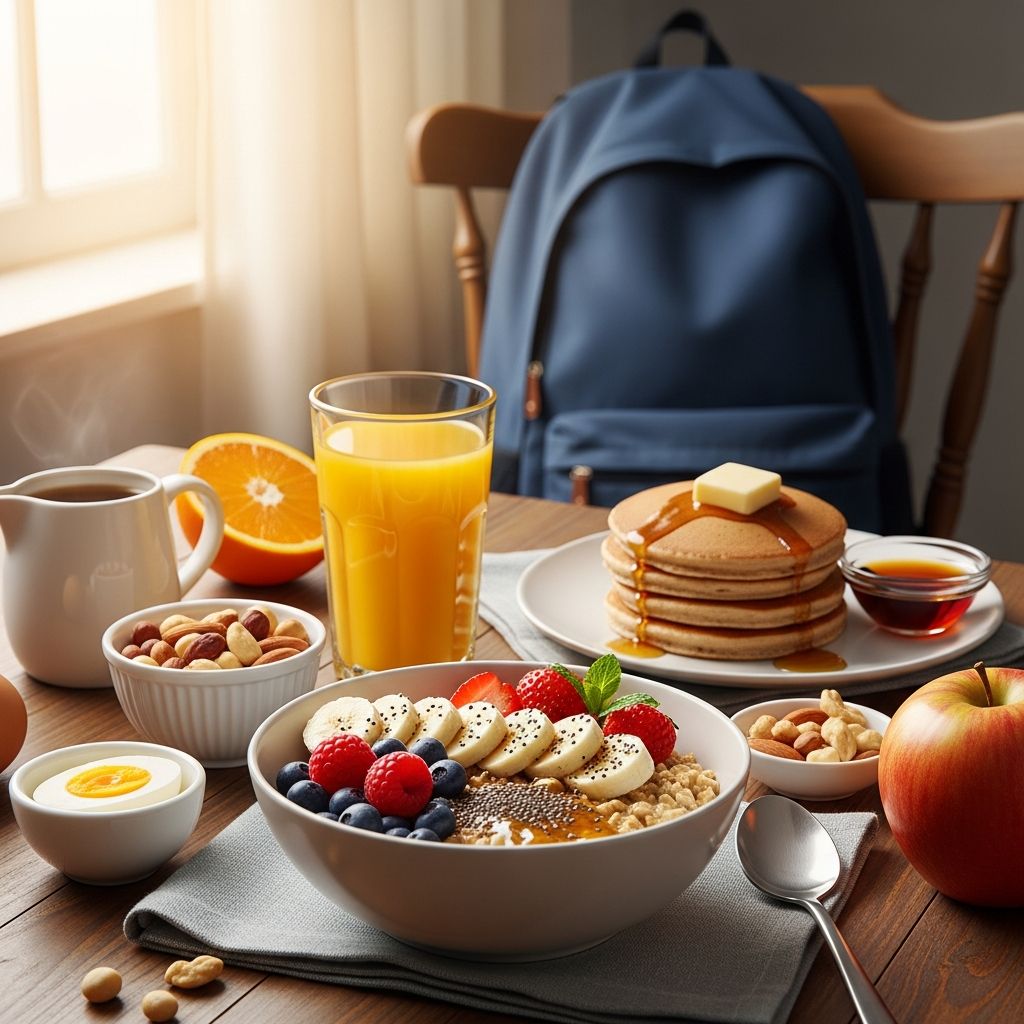
- Pack more snacks than you think you need. Hunger rarely follows the schedule printed on your boarding pass.
- Avoid sugar spikes. Protein-rich snacks like cheese, nuts (if allowed), or jerky keep kids fuller and less jittery.
- Bring something familiar. A beloved snack from home can be reassuring when everything else—sounds, smells, seats—is unfamiliar.
Eating on planes is rarely a tidy experience. Accepting a certain level of crumbs is realistic. Having wipes nearby and not dressing anyone in their most precious outfit can lower the stakes instantly.
Sleep: Hope for It, Don’t Depend on It
Parents are often told to schedule flights around nap time so little ones will sleep. Sometimes this works beautifully. Other times, the stimulation, noise, and discomfort turn nap time into a wrestling match with a seatbelt. Treat in-flight sleep as a happy accident, not a promised outcome.
- Bring comfort cues from home. Small blankets, stuffed animals, or a familiar pillowcase can signal to kids that it is okay to relax.
- Dim the stimulation. If possible, reduce noise with headphones, close the window shade, and choose calm activities leading up to nap attempts.
- Do not chase sleep too hard. A child forced into a sleep battle may end up more dysregulated than gently allowed to stay awake with quiet activities.
The goal is restfulness, not a specific number of minutes asleep. Even partial relaxation helps the rest of the day feel less overwhelming.
Emotional Turbulence: Helping Kids Handle Their Feelings
Children often express in big ways what adults are silently feeling: boredom, anxiety, discomfort, and resentment at having so little control. The confined, rule-heavy environment of a plane intensifies those emotions. Instead of fighting them, parents can plan for them the way pilots plan for bumpy clouds.
- Normalize discomfort. Let kids know that ears might pop, seats might feel squished, and people might bump into them, and that none of that means anything is wrong.
- Offer small, concrete choices. Even choosing which snack to have first or which show to watch gives a sense of agency in a setting where most decisions are made by others.
- Stay predictable yourself. Kids often anchor to the calmest nervous system in the room. You do not need to be perfectly zen, just consistent.
The more prepared kids feel for the sensations of flying, the less likely those sensations will trigger panic, refusal, or dramatic mid-air negotiations.
After Landing: Recovery Rituals for Everyone
Once the wheels touch down, many parents mentally declare victory and move straight into the next task—baggage, ground transport, finding the hotel. Kids, however, often hit their emotional tipping point right after the structured part ends. Building a simple post-flight ritual can ease this transition.
- Plan one small reward. It might be a snack, a favorite song in the car, or a few minutes of screen time once you reach your destination.
- Debrief at kid level. Ask what they liked, what felt hard, and what they would want to pack or do differently next time.
- Give yourself grace. Even well-prepared flights can feel exhausting. Rest as soon as you reasonably can instead of immediately pushing into a packed schedule.
Travel days are not normal days. Treating them as emotional heavy-lift days makes everyone’s reactions—tears, snappiness, hyper energy—feel less like failures and more like temporary turbulence that will pass.
Frequently Asked Questions About Flying With Kids
How early should families arrive at the airport?
For domestic flights, arriving about two hours before departure is usually enough, but families with young children often feel calmer with a bit more buffer. For international flights, three hours is a common baseline. Extra time allows for slower bathroom trips, stroller folding, snack stops, and unexpected lines without adding panic to the mix.
Is it worth paying extra for seat selection?
When traveling with children, paid seat selection is less of an indulgence and more of a tool for safety and sanity. Sitting together reduces the risk of awkward negotiations with strangers at boarding time and makes it easier to share snacks, activities, and comfort. If the budget is tight, prioritize keeping at least one adult directly next to each younger child.
Should parents apologize for crying kids on planes?
A brief, sincere apology can be helpful if a child’s behavior repeatedly affects a nearby passenger, such as persistent kicking or loud shrieking. However, parents do not need to apologize for every sound their children make. Kids are citizens of the world and have as much right to travel as anyone else, as long as adults are making reasonable efforts to guide them.
What if nothing seems to work during the flight?
Even the best plans cannot fully control a child’s mood, airline delays, or mid-flight surprises. On particularly rough journeys, the most realistic goal is simply to keep everyone safe and to repair feelings afterward. Afterward, parents can reflect on what small adjustments might help next time, but one bad experience does not mean future flights are doomed.
How can parents manage their own anxiety about flying with kids?
Preparation helps, but so does adjusting expectations. Accept that some chaos is built into family travel and that your job is to respond, not to perform perfectly. Short grounding techniques—slow breathing, a mantra, or briefly closing your eyes and relaxing your shoulders—can make it easier to stay calm when the cabin feels like it is closing in.
Final Thoughts: You Are the Heart of the Journey
Modern air travel does not always feel welcoming to families. Seats are smaller, fees are larger, and patience is often in shorter supply than pretzels. Yet children will remember less about overhead bin policies and more about the feeling of traveling together—whether they felt safe, seen, and cared for when everything around them was buzzing and loud.
Parents cannot control airline policies or mid-air turbulence, but they can control the culture inside their own row. With realistic expectations, a flexible plan, and a willingness to let “good enough” be truly good enough, even the most no-frills flight can carry a family somewhere meaningful—both on the map and in their shared story.