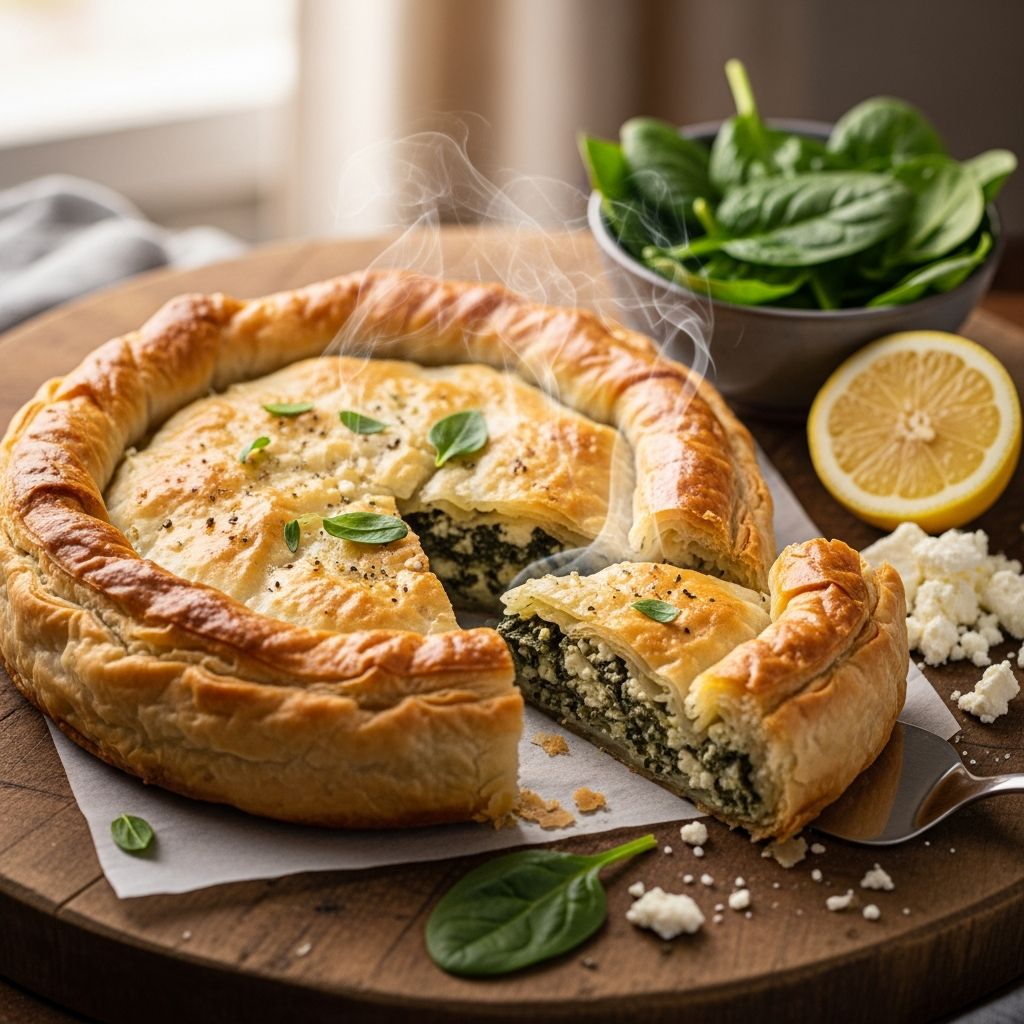
Understanding Spinach Pie: A Mediterranean Kitchen Essential
Spinach pie, known in Greek cuisine as spanakopita, represents far more than a simple pastry dish. This savory creation blends the earthy character of leafy greens with the richness of cheese, all encased in delicate, flaky layers. Originating from Mediterranean regions including Greece, Turkey, and Italy, spinach pie has become a beloved staple that transcends cultural boundaries. Families around the world now embrace this dish as a practical solution for encouraging vegetable consumption while delivering genuine satisfaction at the table.
The Nutritional Building Blocks of Spinach Pie
Every component of spinach pie contributes meaningfully to its nutritional profile. A standard 100-gram serving contains approximately 156 calories, with 8.3 grams of total fat, 15.5 grams of carbohydrates, and 7.2 grams of protein. When examining a larger portion of approximately 150 grams, the nutritional content increases to around 300 calories, 10 grams of protein, 18 grams of fat, and 25 grams of carbohydrates. Understanding these baseline figures helps families make informed decisions about portion sizes and frequency of consumption.
Vitamin and Mineral Content
The micronutrient density of spinach pie distinguishes it from less nutritious comfort foods. Spinach, the primary ingredient, delivers exceptional levels of vitamin K, which plays a critical role in bone health and blood clotting mechanisms. A serving provides over 66 percent of the daily value for vitamin A, supporting vision and immune system function. Additionally, spinach contributes folate, iron, and magnesium—minerals essential for daily bodily operations.
The cheese component, typically feta or ricotta, significantly enhances the calcium content, providing approximately 150 milligrams per 100-gram serving. Iron content reaches approximately 11 percent of the daily value, while additional minerals like potassium support heart function and muscular health.
Vitamin Profile Breakdown
Beyond the prominent vitamins mentioned above, spinach pie delivers vitamin C at approximately 25 percent of the daily value per serving, supporting collagen production and immune defense. Fresh herbs incorporated into traditional recipes, particularly dill, contribute additional vitamins A and C, along with minerals such as calcium and manganese. The cumulative vitamin contribution makes spinach pie a genuinely nutrient-dense option when compared to many mainstream dinner selections.
Exploring the Health Advantages Beyond Basic Nutrition
Cardiovascular Support Through Allium Vegetables
Traditional spinach pie recipes include leeks and onions, vegetables belonging to the allium family. These aromatic additions provide far more than enhanced flavor. They contain flavonoids and sulfur-based compounds that demonstrate anti-inflammatory properties and immune-enhancing capabilities. Furthermore, these vegetables supply prebiotic fibers that nourish beneficial gut bacteria, establishing a foundation for improved digestive health and nutrient absorption. The cardiovascular benefits extend to the overall composition aligning with Mediterranean dietary principles, which have demonstrated correlations with reduced heart disease risk and improved longevity.
Digestive Health and Satiety
The fiber content in spinach pie promotes digestive function and creates sustained feelings of fullness. This satiety factor proves particularly valuable for families managing portion control or teaching children about balanced eating patterns. A single serving or two of spinach pie typically provides satisfying nutrition without excessive caloric intake.
Antioxidant and Anti-Inflammatory Benefits
Fresh herbs incorporated into spinach pie, including dill, parsley, and optional additions like mint, contain concentrated antioxidants that combat oxidative stress within the body. These compounds help reduce inflammation, a factor linked to numerous chronic conditions. The herb component also allows cooks to minimize reliance on salt and unhealthy fats while maintaining robust, appealing flavors.
Making Spinach Pie Work Within Family Dietary Patterns
Portion Considerations for Different Ages
Parents wondering about appropriate serving sizes can reference the nutritional data to make age-appropriate decisions. Young children might enjoy a small wedge containing approximately 75–100 calories, while older children and adults can comfortably consume 150–300 calorie portions depending on meal context. Pairing spinach pie with colorful side salads, hummus, roasted vegetables, and olives creates balanced meals that distribute nutrition across multiple food categories.
Addressing Fat Content Thoughtfully
While spinach pie does contain fat—approximately 8.3 grams per 100-gram serving with 3.9 grams from saturated sources—this content aligns with Mediterranean dietary principles when consumed as part of balanced eating patterns. The feta cheese provides healthy fats and high-quality proteins that support overall wellness and satisfaction when enjoyed in moderation. Understanding that some fat content contributes to nutrient absorption and sustained energy helps parents contextualize this aspect appropriately.
Sodium Awareness
A 100-gram serving contains approximately 282 milligrams of sodium, representing about 12 percent of the daily value. Families watching sodium intake can address this through recipe modifications, such as using lower-sodium feta alternatives or reducing added salt while maintaining flavor through increased herbs and spices.
Enhancing Nutritional Value Through Smart Preparation
Phyllo Dough Considerations
Selecting whole wheat phyllo dough when available increases fiber content and provides additional nutrients compared to standard white flour versions. This simple substitution transforms spinach pie into an even more fiber-rich option without sacrificing the traditional flaky texture families expect.
Ingredient Quality Matters
Using quality feta cheese, fresh herbs rather than dried when possible, and extra virgin olive oil elevates not only flavor but also the concentration of beneficial compounds. Fresh parsley, dill, and other Mediterranean herbs deliver superior antioxidant profiles compared to their processed alternatives.
Vegetable Inclusion Strategies
Incorporating well-drained frozen spinach (thawed) ensures convenient access to this nutrient powerhouse year-round. Including generous amounts of finely chopped onions, minced garlic, and fresh parsley maximizes vegetable content and associated health benefits.
Spinach Pie Within the Broader Mediterranean Diet Context
Spinach pie exemplifies Mediterranean cuisine at its foundation: abundant vegetables, healthy fats from olive oil and cheese, moderate dairy consumption, and wholesome, minimally processed ingredients. This dietary pattern has received extensive scientific study, with research linking it to numerous health advantages including reduced cardiovascular disease risk, improved cognitive function, and enhanced longevity. Families incorporating spinach pie into regular meal rotations benefit from alignment with one of the world’s most respected dietary patterns.
Practical Integration Into Weekly Meal Planning
Spinach pie functions effectively as a snack, appetizer, side dish, or light main course when paired with complementary components. Serving alongside Greek salad creates a complete, nutrient-balanced meal. The dish can be prepared ahead, portioned, and refrigerated or frozen, making it convenient for busy families. Whether served warm or at room temperature, spinach pie maintains its appeal across diverse meal contexts.
Frequently Asked Questions About Spinach Pie
Q: Is spinach pie appropriate for young children?
A: Yes, spinach pie can be an excellent way to introduce children to leafy greens and vegetables. Cut into age-appropriate portions and serve alongside familiar side dishes. The combination of spinach, cheese, and herbs provides essential nutrients for growth and development. Start with smaller portions to assess individual preferences.
Q: Can spinach pie accommodate dietary restrictions?
A: Spinach pie accommodates various dietary needs. Use dairy-free cheese alternatives for lactose-intolerant family members, substitute whole wheat phyllo for standard versions, or prepare vegetable-forward versions emphasizing the spinach component. The flexible recipe structure allows creative adaptations while maintaining nutritional integrity.
Q: How often should families consume spinach pie?
A: As part of balanced Mediterranean dietary patterns, spinach pie can appear regularly in meal rotations—potentially 1–2 times weekly. The nutrient density and satiety factor make it a valuable component of healthy eating patterns without excessive frequency concerns.
Q: What makes spinach pie healthier than other pastries?
A: Unlike dessert pastries or heavily processed snacks, spinach pie delivers substantial nutrients through its core ingredients. The vitamin K, vitamin A, calcium, iron, and fiber content distinguish it meaningfully from less nutritious options, while the Mediterranean origins connect it to well-researched health benefits.
Q: Can homemade spinach pie be frozen for later use?
A: Yes, spinach pie freezes successfully, whether prepared whole or portioned. Properly wrapped and stored, it maintains quality for several months, providing convenient access to healthy, homemade meals during busy weeks.
Final Perspective: Balancing Tradition With Modern Nutritional Goals
Spinach pie represents a fortunate intersection of culinary tradition and nutritional science. This Mediterranean classic delivers genuine satisfaction through flavor while simultaneously providing vitamins, minerals, fiber, and protein that support family health objectives. Rather than viewing spinach pie as an indulgent treat to be consumed occasionally, families can embrace it as a legitimate nutritional tool—a delicious mechanism for increasing vegetable consumption and establishing healthy eating patterns that extend into adulthood. The combination of ease of preparation, nutrient density, family appeal, and alignment with respected dietary principles positions spinach pie as a genuinely valuable addition to regular meal planning.
References
- Spinach and Cheese Pie Nutrition — SnapCalorie. 2026. https://www.snapcalorie.com/nutrition/spinach_and_cheese_pie_nutrition.html
- Health Benefits of Spanakopita — Athenian Foods. 2026. https://athenianfoods.com/health-benefits-of-spanakopita/
- How Healthy is Spanakopita? — Diane Kochilas. 2026. https://www.dianekochilas.com/how-healthy-is-spanakopita/
- Spanakopita (Spinach Pie) Calories, Benefits and Nutritions — Aashpazi. 2026. https://www.aashpazi.com/spanakopita-calories
- Spanakopita Recipe (Greek Spinach Pie) — The Mediterranean Dish. 2026. https://www.themediterraneandish.com/spanakopita-recipe-greek-spinach-pie/
- Spanakopita – Greek Spinach Pie Recipe, Calories & Nutrition Facts — CheckYourFood. 2026. https://checkyourfood.com/meals/meal/66/spanakopita-greek-spinach-pie