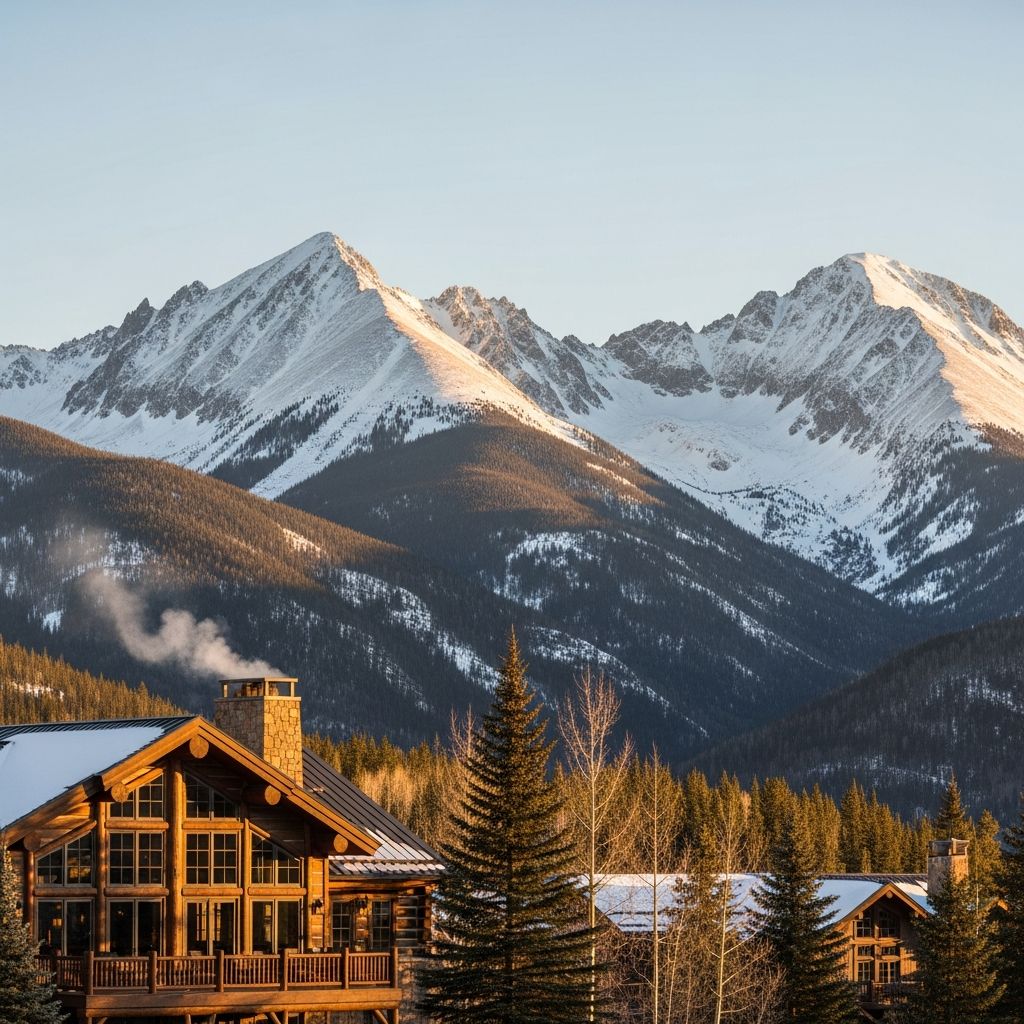
Snow Mountain Ranch, part of the YMCA of the Rockies near Winter Park, Colorado, is one of those rare places where kids, parents, and even grandparents can all find something they love without blowing the travel budget. Nestled in the Rockies, it combines camp-style activities, simple but comfortable lodging, and a relaxed community feel that is especially appealing for families. This guide offers an original, practical roadmap for planning a family trip there, using the ranch only as inspiration—not as a script—and focusing on what real parents need to know.
Why Snow Mountain Ranch Works So Well for Families
Families are drawn to this type of mountain property because it takes much of the decision fatigue out of vacation planning. Instead of worrying about driving to scattered attractions, most of what you need is in one place: lodging, food options, and activities. That simplicity shifts your focus from logistics to connection, which is exactly what many parents want from a getaway.
Snow Mountain Ranch also emphasizes wholesome, screen-light fun. Kids can explore outdoors, learn new skills, and try activities that feel more like summer camp than a typical resort, while adults can enjoy mountain scenery without having to plan every minute of the day.
Where You Might Stay: Lodges, Cabins, and More
One of the big draws at Snow Mountain Ranch–style properties is the variety of lodging, ranging from hotel-like lodge rooms to rustic cabins and even yurts in some areas. Each option has its pros and cons for families, and choosing well can make the difference between a restful trip and a chaotic one.
Below is an example of how different lodging types can fit different family styles and budgets. Use it as a starting point to match your family’s preferences with what the ranch offers during your travel dates.
| Option | Best For | Pros | Considerations |
|---|---|---|---|
| Lodge Room | Small families, short stays | – Usually the most affordable choice – Housekeeping convenience – Easy access to main facilities | – Less privacy and storage space – Typically no full kitchen – Kids may share beds or bunks |
| Cabin | Larger families, longer trips, multi-generational groups | – Full kitchen for easy meals – Separate bedrooms for naps and early bedtimes – More of an at-home feel | – Higher nightly cost – May be farther from central hub – You handle your own tidying |
| Vacation Home | Two or more families sharing | – Maximal space and privacy – Split cost between multiple households – Often scenic views and outdoor decks | – Requires coordination between families – Can feel less like a camp community – Booking may be more competitive |
| Yurt / Specialty Lodging | Families who like novelty and light “glamping” | – Memorable, adventurous feel – Kids tend to love the uniqueness – Often less expensive than cabins | – Limited storage and privacy – You may share bath facilities in a separate building – Not ideal for light sleepers |
Tips for Choosing the Right Lodging
- Consider nap and bedtime needs. If you have a baby or toddler, separate bedrooms can be worth the extra cost.
- Think about cooking vs. eating out. A kitchen can significantly lower your food budget and simplify days with picky eaters.
- Ask about distance to the main activity hub. When kids are tired, you may appreciate being able to walk instead of load everyone into the car.
What to Expect From the Activity Lineup
Snow Mountain Ranch–style destinations typically run like a hybrid of mountain resort and traditional camp. Activities change with the seasons, but you can usually expect a mix of outdoor recreation, indoor sports, and creative pursuits suitable for a wide range of ages.
Some activities are included in your lodging rate, while others cost extra. Planning ahead and prioritizing a few special experiences allows you to keep costs under control while still giving kids exciting highlights to look forward to.
Sample Winter Activities
- Cross-country skiing and snowshoeing on groomed trails.
- Snow tubing or sledding hills with dedicated lanes and staff supervision.
- Indoor swimming pools, often with small play features or climbing walls.
- Ice skating rinks with skate rentals on site.
- Cozy craft rooms for painting, pottery, or simple kids’ projects.
Sample Summer and Shoulder-Season Activities
- Hiking and mountain biking on trails that vary from easy loops to more challenging routes.
- Archery, climbing walls, or zip lines supervised by staff.
- Mini golf, playgrounds, and open fields for free play.
- Canoeing or small-boat paddling on nearby ponds or lakes, when available.
- Family programs such as campfire nights, nature walks, or evening talks.
Food and Dining: How Families Actually Eat Here
Food at a place like Snow Mountain Ranch tends to be practical rather than gourmet. Many families alternate between buffet-style meals in communal dining halls and simple, home-style meals prepared in cabins or vacation homes. This provides flexibility for different budgets and dietary needs.
Communal dining has its own charm: kids can choose their own plates, and you do not have to cook or clean up. On the other hand, having even a small kitchenette can be a lifesaver for early risers, snack-loving toddlers, and parents who prefer to control ingredients more closely.
Family-Friendly Eating Strategies
- Pack easy, low-mess breakfasts like instant oatmeal packets, granola bars, and single-serve yogurts.
- Use the dining hall for one main meal a day and handle the rest with groceries, to balance budget and convenience.
- Bring a small stash of familiar snacks from home to help picky eaters stay happy between activities.
Packing List Essentials for Mountain Family Trips
Packing for the Rockies is less about looking polished and more about staying dry, comfortable, and adaptable to sudden weather changes. The same day can bring sunshine, wind, and snowfall, especially in shoulder seasons. Layers and backups are your friends.
Think in categories: what you will wear while active, what you will change into afterward, and what keeps everyone safe and content in between. The list below is a starting point; adjust based on season, length of stay, and your family’s specific needs.
Clothing and Gear
- Base layers for each family member (synthetic or wool tops and leggings).
- Mid-layers such as fleece jackets or light puffers.
- Waterproof outer layers: shell jackets and snow pants for winter, rain jackets for other seasons.
- Warm hats, gloves or mittens, and neck gaiters; pack spares for kids who soak theirs in the snow.
- Sturdy, waterproof footwear with good traction, plus thick socks.
- Swimsuits and flip-flops for the pool area.
- Small backpacks or waist packs for day hikes and excursions.
Comfort and Convenience Items
- Reusable water bottles for each person to stay hydrated in the high-altitude air.
- Basic first-aid supplies: bandages, pain reliever appropriate for each age, blister care, and hand sanitizer.
- Sun protection: high-SPF sunscreen, lip balm, and sunglasses for both kids and adults.
- Compact games, books, or coloring supplies for downtime in the room or cabin.
- Portable sound machine or fan for light sleepers sensitive to unfamiliar noises.
Budgeting for a Snow Mountain Ranch–Style Trip
One of the strengths of a YMCA-based mountain property is affordability compared with many private resorts, but costs can still add up once you factor in travel, gear, and extra-fee activities. A simple budget plan helps you enjoy the trip without worrying about every purchase.
Think of your costs in four buckets: lodging, food, activities, and travel. Estimating each category in advance, even roughly, gives you guardrails so you can say yes to special experiences that truly matter to your family.
Money-Saving Strategies
- Visit in shoulder seasons for lower nightly rates and smaller crowds.
- Share a larger cabin or vacation home with extended family or friends to reduce per-family lodging costs.
- Prioritize included activities first, then budget for one or two paid extras your kids are most excited about.
- Bring your own helmets, goggles, and basic gear whenever feasible to avoid repeated rental costs.
- Use grocery runs to cover breakfasts, snacks, and a few dinners instead of eating every meal on site.
Sample 3-Day Family Itinerary
Every family travels differently, but having a template makes it easier to visualize what your days might look like. The example below assumes a winter stay with elementary-school-aged kids and can be tweaked for other seasons by swapping snow-specific activities for hiking, biking, or boating.
Day 1: Arrival and Settling In
- Afternoon: Check in, unpack, and take a short walk around the main campus to locate the dining hall, pool, activity center, and any playgrounds.
- Late afternoon: Let kids burn off travel energy at the playground or on an easy indoor activity like a game room or craft project.
- Evening: Simple dinner, early bedtime, and perhaps a board game or story time in your room or cabin.
Day 2: Full Activity Day
- Morning: Start with an active outdoor experience, such as a family ski lesson, snowshoe walk, or tubing session.
- Midday: Warm up with a buffet lunch or packed sandwiches, then take downtime for naps, reading, or quiet play.
- Afternoon: Head to the pool or try an indoor activity like roller skating or crafts, where kids can be active without bundling up.
- Evening: Join any scheduled family program, like a campfire or evening talk, if offered. Otherwise, keep it low-key with a movie on a laptop or simple card games.
Day 3: One More Highlight and Departure
- Morning: Pick one last high-impact activity such as a second tubing run, a short hike with views, or a visit to a nearby town if time allows.
- Late morning: Pack up and check out, leaving a little cushion in case kids move slowly or you need to track down stray mittens and toys.
- Afternoon: Stop at a scenic overlook or small café on the way home to help everyone transition back to regular life.
Making the Most of the Mountain Environment With Kids
Staying at a place like Snow Mountain Ranch is not just about activities; it is a chance to help kids build a relationship with nature. Mountain landscapes offer teachable moments about weather, wildlife, and environmental stewardship that go beyond what they learn in classrooms.
Use simple, age-appropriate conversations to spark curiosity. Talk about why everyone drinks more water at higher altitude, how to stay on marked trails to protect plants, and what to do if you encounter wildlife from a safe distance.
Simple Mountain Safety Rules for Families
- Dress kids in layers and check frequently for cold fingers, toes, and cheeks during winter activities.
- Apply sunscreen even on cloudy days; mountain sun reflects off snow and can cause burns faster than at lower elevations.
- Establish a clear meeting spot near each activity area in case anyone gets separated.
- Teach kids to stay on marked trails and not to approach wildlife, no matter how calm animals appear.
Frequently Asked Questions (FAQ)
Is Snow Mountain Ranch suitable for toddlers and babies?
Yes, but the experience will look different than it does for older kids. Very young children may not participate in the more adventurous activities, yet they can still enjoy shorter walks, indoor play spaces, and simply watching older siblings try new things. Choosing lodging with separate sleeping space or a quiet corner for naps will make the trip smoother for everyone.
Do we need a car once we arrive?
Many families find a car useful, even if they spend most of their time on the property. While you might walk between main buildings, having a vehicle makes it easier to take a quick grocery run, visit a nearby town, or manage tired kids after a long activity session. In winter, be sure your vehicle is prepared for snowy mountain roads.
What if we are not an outdoorsy family?
You do not have to be hardcore hikers or skiers to enjoy a stay here. Many activities are beginner-friendly and guided by staff, and there are plenty of indoor options like swimming, crafts, and casual recreation spaces. Starting with short, low-pressure outdoor experiences often helps hesitant kids (and adults) gain confidence over the course of the trip.
How many days should we plan for our first visit?
Three nights is a sweet spot for many families: long enough to settle in, try several activities, and have true downtime, but short enough to keep logistics manageable. If you live farther away and have older kids, extending to four or five nights can give you time to explore surrounding areas in addition to the ranch.
Can we bring grandparents or extended family?
Absolutely. Multi-generational groups are common at this type of property because activities span ages and energy levels. Cabins or vacation homes with multiple bedrooms and shared living spaces make it easier for relatives to enjoy time together while still having quiet corners to retreat to when needed.
Final Thoughts for Parents Planning a Trip
A family vacation to a place like Snow Mountain Ranch is less about chasing a picture-perfect itinerary and more about building a string of small, memorable moments: the first time a child glides down a tubing hill, a quiet walk at dusk, or a board game in front of a big window after a day in the cold. When you simplify logistics, pack thoughtfully, and keep expectations flexible, those moments tend to happen on their own.
By approaching the trip as an opportunity for connection rather than performance, you give everyone—kids and adults alike—room to relax, explore, and return home feeling both tired in the best way and genuinely refreshed.