Diwali, the festival of lights, is a beautiful opportunity to gather loved ones, share stories, and explore traditions from South Asian cultures in a welcoming, family-friendly way. A henna party can be a creative centerpiece for your Diwali celebration, bringing art, conversation, and gentle ritual together in one memorable event.
This guide walks through everything you need to plan a Diwali henna party at home: from invitations and décor to safe henna practices, activities for kids, snacks, and meaningful ways to connect across cultures.
Understanding Henna and Its Cultural Roots
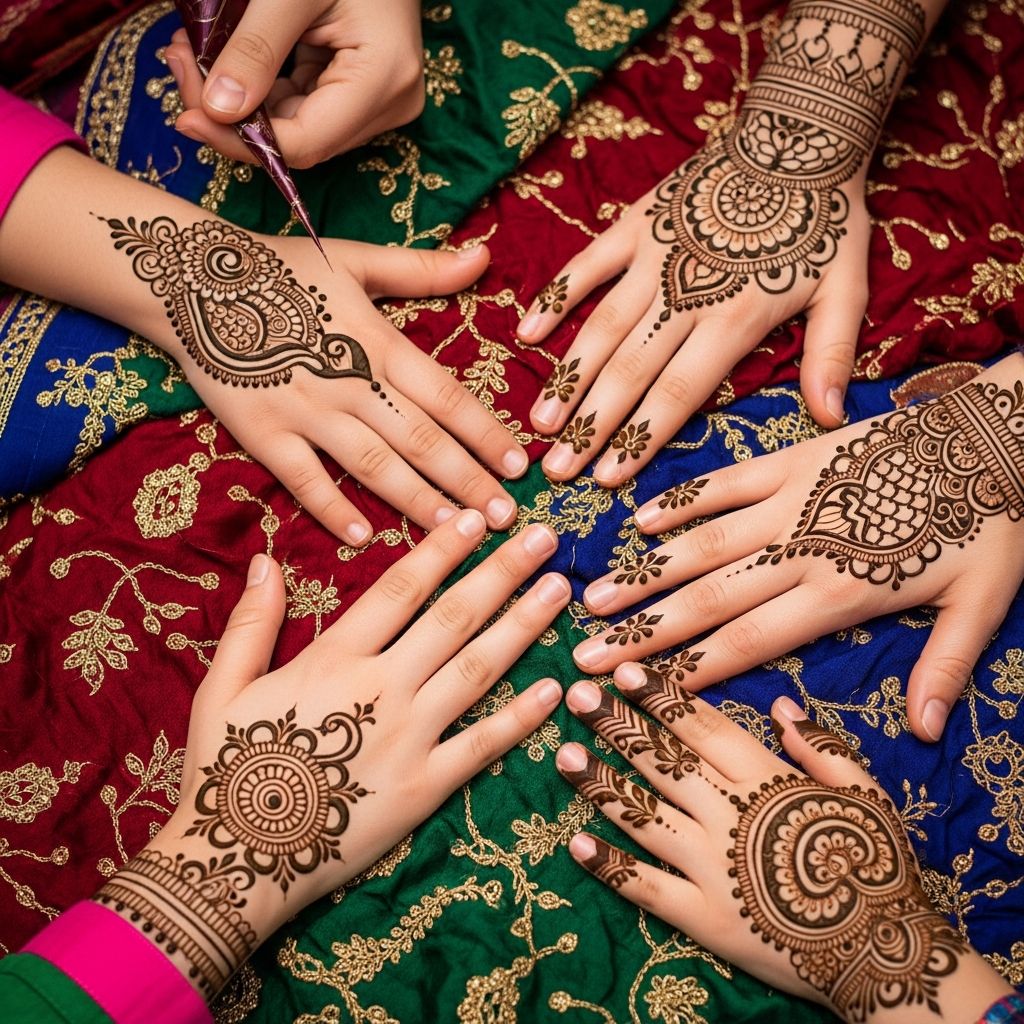
Before planning a henna party, it is essential to understand what henna is and why it is meaningful in many communities. Henna (often called mehndi in South Asia) is a natural dye made from the powdered leaves of the henna plant, traditionally used to create intricate designs on the skin for festivals, weddings, and other joyous occasions in regions including India, Pakistan, Bangladesh, and parts of the Middle East and North Africa.
During Diwali and other celebrations, henna designs are often applied to the hands and feet, symbolizing joy, beauty, and auspicious beginnings. Hosting a henna party in this context should be approached with respect, curiosity, and a willingness to learn from those for whom this practice is part of their lived heritage.
Setting Your Party Intention
Clarifying the purpose of your gathering helps shape every detail, from décor to conversation. For families new to Diwali traditions, a henna party can serve as a gentle introduction to the festival’s themes of light, hope, and renewal, while also highlighting the artistic traditions around mehndi.
Consider what you want guests—especially children—to take away from the experience. You might aim to create a space where they learn a bit about Diwali, enjoy creative activities, and leave with a deeper appreciation for cultural practices that may be different from their own.
Guest List and Invitations
When planning your guest list, think about a comfortable number of people for the space you have, especially since henna application can require time and seating. A smaller group allows each person more attention from the artist and creates a more relaxed atmosphere for conversation and learning.
Digital invitations work well and can briefly explain that this is a Diwali-inspired henna gathering, including a note about cultural respect and optional dress suggestions, such as bright or traditional clothing if guests already have it.
What to Include in Invitations
- A short description of Diwali and why you are hosting a henna-themed party.
- Any dress code ideas, such as colorful outfits or traditional wear for those who are comfortable.
- Information about henna: that it is temporary body art and how long it typically lasts.
- Space for guests to mention allergies, skin sensitivities, or accessibility needs.
Creating a Warm Diwali Atmosphere
The visual setting of your home can help tell the story of Diwali as the festival of lights. Focus on color, warmth, and gentle illumination, using materials you already have when possible, and adding a few simple, symbolic touches.
Rather than replicating any single cultural environment, aim to create a respectful, cozy space that hints at Diwali’s themes: light over darkness, good over harm, and community over isolation.
Simple Décor Ideas
- Colorful textiles: Layer bright scarves, shawls, or fabric remnants as table runners and wall accents.
- Lights: Use strings of fairy lights and battery-operated tea lights or candles to symbolize rows of traditional lamps.
- Rangoli-inspired corners: Place simple geometric designs made from colored paper, chalk, or flower petals near doorways.
- Flower accents: Arrange marigold-colored flowers or paper garlands around the henna area and snack table.
Planning the Henna Experience
The henna station is the heart of your gathering, so give careful thought to comfort, safety, and flow. You can invite a professional artist or, if you are experienced and knowledgeable, offer simple designs yourself, especially for children.
Regardless of who applies the henna, be transparent that designs are temporary, that stain intensity can vary by skin type, and that guests can choose whether or not to participate.
Choosing a Henna Artist or DIY Approach
| Option | Benefits | Considerations |
|---|---|---|
| Professional henna artist | High-quality designs, cultural knowledge, and guidance on aftercare. | Requires booking in advance and budgeting for fees and time. |
| DIY with experience | Flexible schedule, simple designs, and a relaxed practice atmosphere. | Requires research on safe henna, practice, and clear boundaries on complexity. |
| Child-focused art station | Use paper hand outlines and markers for those not ready for henna on skin. | Supplements, but does not replace, real henna for guests who want it. |
Safe Henna Practices
Because henna touches the skin, safety must come before aesthetics. Natural henna paste is typically brown or greenish-brown and is made from ground henna leaves, along with ingredients such as lemon juice and essential oils chosen for their suitability on skin.
- Avoid products labeled as “black henna” or any paste that promises instant, jet-black stains, as these may contain strong chemicals.
- Perform a small patch test on the inside of the arm for guests who have sensitive skin or a history of allergies.
- Have wipes, tissues, and a small trash bin nearby for any accidental smears or drips.
Preparing Hands for Henna
Clean, dry skin helps henna stain more evenly and last longer. Plan a short “prep window” at the beginning of the party to help guests get ready before the designs begin.
Encourage guests to remove rings, watches, and bracelets from the area where henna will be applied, and to complete any nail painting well in advance so smudging is less likely.
Hand Prep Checklist
- Wash hands with mild soap and water and dry thoroughly.
- Pat away lotions or oils from the areas that will receive henna.
- Roll up sleeves and secure loose clothing.
- For children, remind them gently to keep their hands resting and still during application.
Activities While Guests Wait
Henna application can be slow and meditative, so plan parallel activities to keep guests, especially children, engaged while they wait for their turn. These activities can also deepen understanding of Diwali and the cultural context of henna.
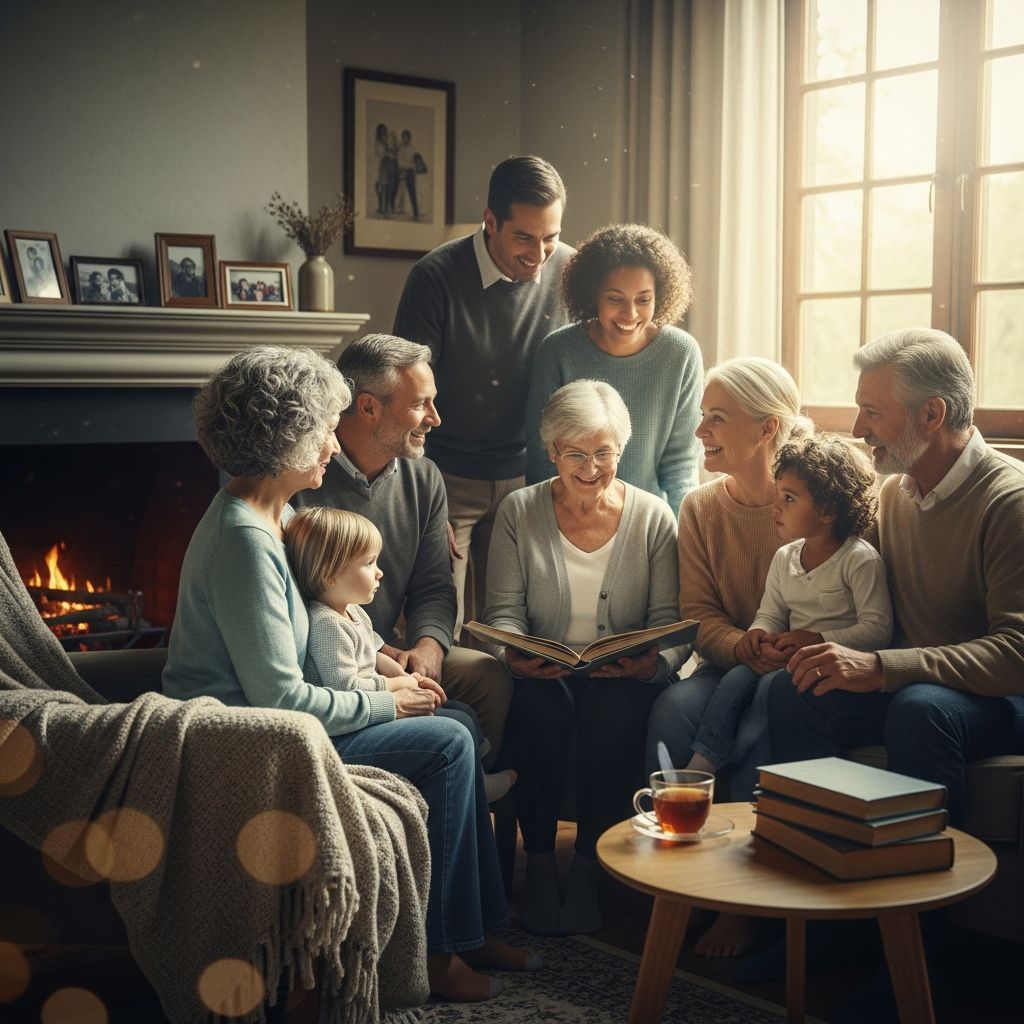
Think of the party as a multi-station experience: one corner for henna, another for crafts, and perhaps a cozy area for storytelling or quiet conversation.
Kid-Friendly Craft and Learning Ideas
- Paper henna designs: Provide printed outlines of hands and feet with blank spaces for children to fill using colored pencils, markers, or fine-tip pens.
- DIY diya decorations: Offer small cardboard or air-dry clay shapes in the form of lamps for children to paint and embellish with sequins or stickers.
- Rangoli on paper: Show simple geometric patterns and let kids color them with crayons or decorate them using bits of colored paper.
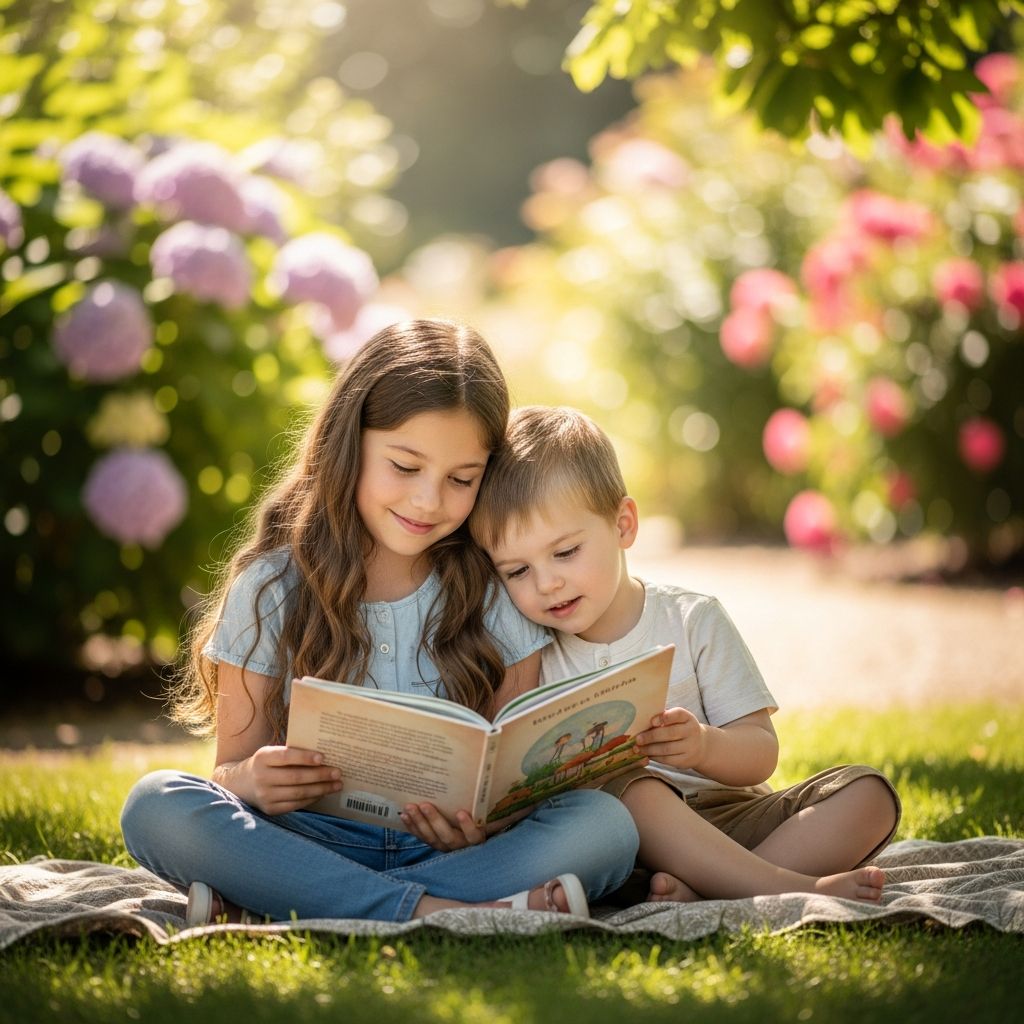
- Story corner: Read short, age-appropriate retellings of Diwali stories, inviting questions and reflections.
Food and Drink for a Henna Party
A Diwali henna party is an ideal time to introduce guests to flavors inspired by South Asian snacks and beverages, adapting for dietary needs. Light snacks keep fingers mostly clean and make it easier to avoid smudging fresh henna.
Serve food buffet-style on a side table so guests can grab bites between activities and avoid spilling near the henna station.
Snack Ideas
- Bite-sized savory snacks like spiced crackers, roasted chickpeas, or mini samosas.
- Small sweets such as milk-based confections, nut bars, or syrupy pastries cut into tiny, manageable pieces.
- Fresh fruit skewers with bright colors to echo the festive palette of Diwali.
Warm and Cozy Drinks
Warm drinks complement the relaxed, intimate nature of a henna gathering. Whether or not you serve versions inspired by spiced tea, focus on aromatic, comforting flavors that feel special but are still kid-friendly.
- Lightly spiced tea made with cinnamon, cardamom, and milk, with a non-dairy option for guests who prefer it.
- Warm apple or pear juice infused with whole spices, served in small cups.
- Refreshing water flavored with citrus slices and mint for a cooling balance.
Caring for Fresh Henna Designs
Henna paste is initially thick and raised on the skin, then dries and crumbles off, leaving a stain that darkens over several hours. Explaining this process helps set realistic expectations for children and adults alike.
Aftercare is simple but important: the better the care in the first day, the richer and longer-lasting the design tends to be.
Aftercare Tips to Share with Guests
- Let the paste dry thoroughly and try not to bump or smear it in the first 20–30 minutes.
- Once fully dry, gently remove the flakes instead of scrubbing them off with water.
- Wait several hours before washing the area with plain water, and avoid soap at first to help the stain settle.
- Keep the skin moisturized with a gentle oil or lotion to help the color remain vibrant.
Building Cultural Respect Into Your Party
Because henna and Diwali hold deep religious and cultural significance for many families, it is vital to host your event with care and humility. Simple steps such as learning how to pronounce terms correctly, crediting cultural origins, and inviting input from community members can make a meaningful difference.
Consider including a brief moment at the beginning of the party to explain that this gathering is inspired by, not identical to, traditional celebrations and that you welcome respectful questions and dialogue.
Ways to Show Respect
- Consult friends or local community members who celebrate Diwali and henna traditions, if they are willing to share.
- Avoid using religious symbols or imagery in designs unless someone from that tradition offers guidance and consent.
- Emphasize that the party is about learning, appreciation, and connection, not costume or novelty.
Sample Henna Party Schedule
A loose timeline can keep your event relaxed yet organized. Adjust times depending on how many guests are present and whether you are working with a professional artist.
| Time | Activity |
|---|---|
| 00:00–00:15 | Welcome, brief introduction to Diwali and henna, hand washing. |
| 00:15–01:15 | Henna station opens; crafts and story corner for children. |
| 01:15–01:45 | Snack break, informal discussion about designs and symbolism. |
| 01:45–02:15 | Final henna applications and group photos. |
| After party | Guests care for their designs at home and share photos later if they wish. |
Capturing Memories Thoughtfully
Photographs of finished henna designs and the glow of lights can become cherished mementos of your Diwali gathering. When taking pictures, always ask for consent, particularly with children, and clarify how photos might be shared or kept private.
One simple idea is to create a small “photo corner” with a plain background and soft lighting so guests can showcase their hands and feet if they choose.
Frequently Asked Questions (FAQs)
How long does henna last on the skin?
Henna stains usually last from several days up to about two weeks, gradually fading as the outer layers of skin naturally shed. Areas like hands and feet often show the darkest, longest-lasting color because the skin there is thicker.
Is henna safe for children?
Many families choose to use natural henna on older children, but every child is different and skin sensitivities vary. Discuss concerns with caregivers in advance, avoid any product marketed as “black henna,” and offer alternative paper crafts for kids who are not ready for henna on their skin.
What if guests do not want henna?
No one should feel pressured to receive henna at your party. Provide plenty of alternative activities, such as craft stations, storytelling, and snacks, so everyone can participate in the celebration in the way that feels comfortable to them.
Do designs need to be traditional?
Traditional motifs often carry cultural symbolism and can be a beautiful way to honor the roots of henna art. If you or your artist create contemporary designs, stay away from sacred symbols unless guided by someone from that tradition, and keep the spirit of appreciation and respect at the center of the creative process.
Can a Diwali henna party be virtual?
Yes, families in different locations can join a video call to share stories, show pre-applied henna, or design paper henna hands together. A virtual gathering can still highlight the themes of light, togetherness, and creativity that make Diwali special.
Bringing It All Together
A Diwali henna party invites families to slow down, sit together, and experience art as both decoration and connection. With thoughtful planning, safe materials, and an atmosphere of cultural respect, your gathering can become a cherished yearly tradition.
Whether guests leave with elaborate designs or simple patterns, the true gift of the evening is the shared time, stories, and warmth that linger long after the henna fades.