A skin abscess can be worrying to see on your child, especially when it appears suddenly as a red, painful lump. This guide explains, in clear language, what skin abscesses are, why they happen, how doctors treat them, and what you can safely do at home.
What Is a Skin Abscess?
A skin abscess is a pocket of pus trapped under the skin. It usually forms when bacteria enter through a small break in the skin and the body’s immune system fights back by sending white blood cells to the area. The mixture of germs, white blood cells, and damaged tissue becomes pus, which can build up into a swollen, painful lump.
In everyday language, small skin abscesses are often called:
- Boils – abscesses that develop around a hair follicle
- Carbuncles – a cluster of connected boils
Although they look dramatic, many skin abscesses in otherwise healthy children are treatable and heal well with the right care.
Why Do Abscesses Form on the Skin?
Most skin abscesses in children are caused by bacterial infections, especially Staphylococcus aureus (often called “staph”). Some strains, such as MRSA (methicillin-resistant Staphylococcus aureus), can be more difficult to treat, but the treatment principles are similar.
How the Body Creates an Abscess
When germs slip through the skin barrier—often through tiny cuts, scrapes, insect bites, or irritated hair follicles—the body reacts:
- White blood cells rush to the infection site to attack the bacteria.
- The area becomes inflamed (red, warm, swollen, painful).
- Dead cells, bacteria, and immune cells collect and turn into pus.
- The body tries to contain the infection by forming a wall or capsule around the pus, creating an abscess.
Common Triggers in Kids
- Minor cuts and scrapes that are not cleaned well
- Insect bites that children scratch repeatedly
- Rubbing from tight clothing or sports gear
- Blocked sweat or oil glands in older children and teens
- Pre-existing skin conditions (like eczema) that break the skin barrier
Children with weakened immune systems or chronic illnesses can be at higher risk of more serious abscesses and complications.
What Does a Skin Abscess Look and Feel Like?
Parents often notice a skin abscess as a new, painful bump that seems to grow quickly over a day or two.
Typical Signs and Symptoms
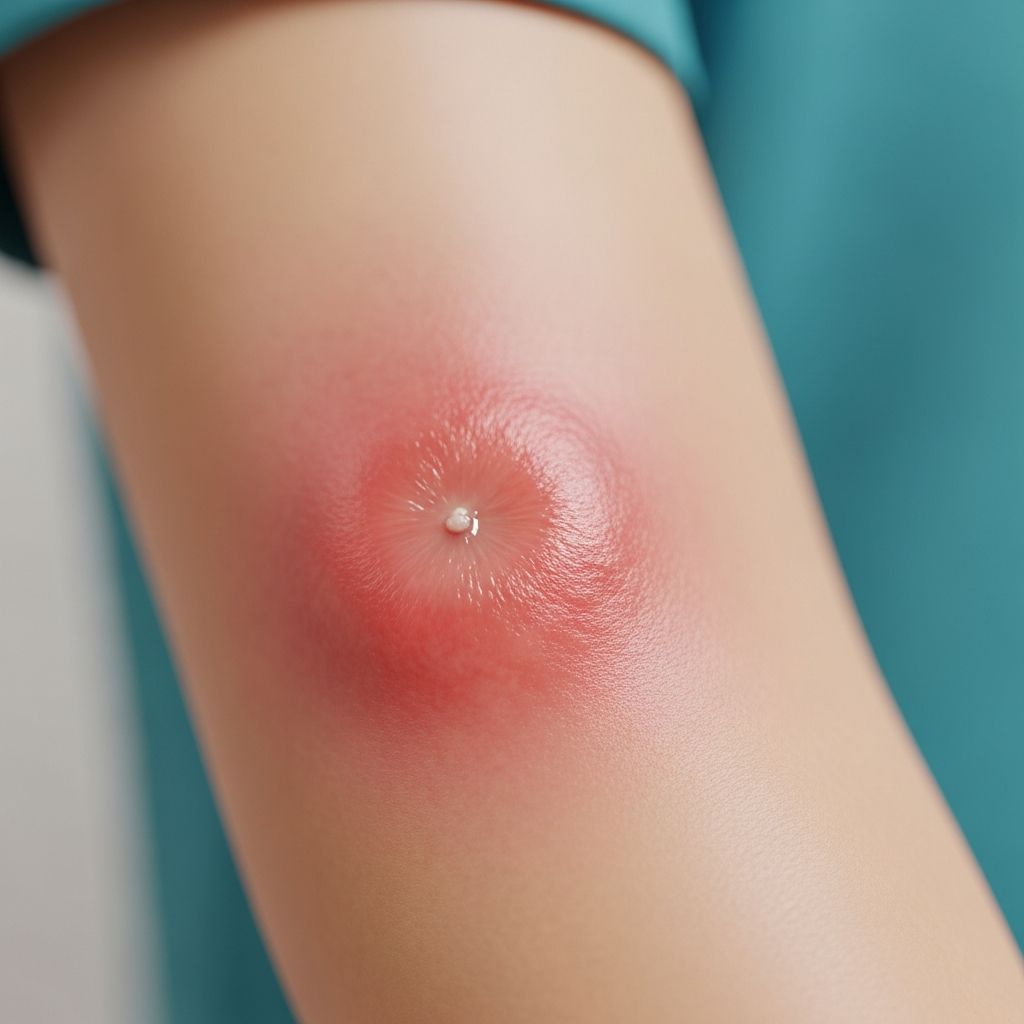
- A tender lump under or on the skin
- Redness around the lump (color changes may be harder to see on darker skin tones)
- Warmth when you gently touch the area
- Swelling that may feel soft or “squishy” in the center because of the fluid inside
- Pain when touched or when your child moves that part of the body
- Sometimes, a white, yellow, or thin area of skin at the top that looks like it may burst (often called “coming to a head”)
Some children also have general symptoms, especially with larger or deeper abscesses:
- Fever or chills
- Feeling tired or unwell
- Swollen lymph nodes near the infected area (for example, in the groin or armpit)
Where Do Skin Abscesses Commonly Occur?
Abscesses can form almost anywhere on the body, but in children they are often found in areas that experience friction, moisture, or frequent minor injuries.
| Common Locations | Typical Triggers |
|---|---|
| Armpits | Shaving in older kids, sweating, friction from clothing |
| Buttocks and thighs | Sitting, sports, diapers in babies, minor skin trauma |
| Groin area | Moisture, rubbing from underwear or sports gear |
| Face and neck | Insect bites, acne, small cuts from scratching |
| Hands and feet | Splinters, cuts, blisters from shoes or sports |
When Should Parents Call a Doctor?
Not every red bump needs emergency care, but any suspected abscess in a child should be evaluated by a health professional, especially if it is painful, growing, or near sensitive areas such as the face or genitals.
Contact a Doctor Promptly If:
- The lump is very painful or getting bigger over 24–48 hours.
- You see pus or bloody drainage.
- Your child develops a fever, chills, or seems unusually tired.
- The redness around the lump is spreading or forming red streaks.
- The abscess is on the face, spine, groin, or near the anus.
- Your child has a chronic medical condition or a weakened immune system.
- The abscess does not start to improve after a few days of medical treatment.
Seek Emergency or Urgent Care If:
- Your child looks very unwell, confused, or unusually sleepy.
- Fever is high and not improving with fever medicines.
- There is rapidly spreading redness, severe pain, or swelling around the abscess.
- There are signs of infection affecting the whole body, such as fast breathing, rapid heart rate, or cold, clammy skin.
How Doctors Diagnose a Skin Abscess
In most children, diagnosis is made by a physical examination. The healthcare provider will look at the skin, feel the lump, and ask about symptoms and how quickly they appeared.
Sometimes the doctor may:
- Use a sterile needle to draw out a small sample of pus for laboratory testing (culture) to see which bacteria are causing the infection.
- Order an ultrasound if it is not clear whether there is fluid under the skin or if the area is deep.
- Recommend blood tests if your child has a fever or appears seriously unwell.
Treatment Options for Skin Abscesses in Children
Treatment depends on your child’s age, overall health, the size and location of the abscess, and whether there are signs of a more widespread infection.
1. Incision and Drainage (I&D)
The main treatment for most skin abscesses is to drain the pus. This is usually done by a doctor in a clinic, urgent care center, or hospital.
- The skin is cleaned thoroughly.
- Local anesthesia (numbing medicine) is given so your child is comfortable.
- A small cut is made in the abscess so the pus can drain out.
- The area may be gently pressed to remove more fluid.
- Sometimes a small piece of sterile material or packing is placed in the opening to keep it from closing too quickly and to help it keep draining.
Drainage often gives quick pain relief, because it releases pressure caused by the trapped pus.
2. Antibiotic Medicines
Antibiotics may be prescribed in addition to drainage, especially when:
- The child has a fever or looks unwell.
- The abscess is large or there are multiple abscesses.
- There is spreading redness (cellulitis) around the abscess.
- The child has a weakened immune system or other medical conditions.
It is important to:
- Give the medicine exactly as prescribed, at the right times.
- Finish the full course of antibiotics, even if your child seems better earlier.
- Call the doctor if your child has side effects such as rash, vomiting, or diarrhea.
3. Pain and Fever Relief
Your child’s doctor may recommend over-the-counter pain relievers or fever reducers that are appropriate for your child’s age and weight, such as acetaminophen or ibuprofen. Always use the dosing instructions provided by your healthcare provider or the product label.
4. Hospital Care
A small number of children may need hospital care if:
- The abscess is very large or in a high-risk location (for example, face or near vital structures).
- Your child is very young (especially newborns or young infants).
- There are signs of a serious or spreading infection, or your child is medically complex.
Home Care After Treatment
Proper care at home helps the skin heal and lowers the chance that the abscess will return.
Wound Care Tips
- Keep the bandage clean and dry. Change it as instructed by your child’s healthcare provider.
- Wash your hands thoroughly before and after touching the area or changing dressings.
- Do not allow your child to pick at scabs, squeeze the area, or remove packing on their own.
- Use warm, damp compresses (a clean cloth soaked in warm water) if recommended to encourage gentle drainage and comfort.
- Ensure your child avoids tight clothing or friction over the healing area.
Watching for Problems
Call your doctor if you notice:
- Increasing redness, swelling, or pain after the first 1–2 days of treatment.
- New pus or foul-smelling drainage.
- A new fever or a fever that returns after going away.
- The wound edges pulling apart or not closing over time.
What Parents Should Never Do
Some home remedies shared online can be unsafe or delay proper treatment. To protect your child:
- Do not try to pop, squeeze, or puncture the abscess at home. This can push bacteria deeper, worsen pain, and raise the risk of scarring and serious infection.
- Do not use sharp objects (needles, pins, razors) to open the area.
- Do not apply very hot compresses or heating devices directly on the skin.
- Do not stop prescribed antibiotics early, even if the skin looks better.
- Do not share towels, washcloths, or clothing that have touched the abscess with other family members.
Preventing Future Skin Abscesses
You cannot prevent every infection, but good hygiene and skin care can lower the risk of abscesses in children.
Daily Habits
- Encourage regular handwashing with soap and water, especially after playing outside and before meals.
- Clean small cuts and scrapes promptly with mild soap and water, then cover with a clean bandage.
- Teach children not to pick at scabs, pimples, or bug bites.
- Keep fingernails short and clean to reduce skin damage from scratching.
Household and Sports Tips
- Do not share razors, towels, washcloths, or sports equipment that contacts skin.
- Wash towels, bed linens, and clothing in hot water if they have come in contact with pus or drainage.
- Ensure sports gear and uniforms are cleaned regularly.
- Wipe shared surfaces (such as gym mats) regularly as instructed by your child’s school or sports program.
When Repeated Abscesses Occur
If your child has recurrent abscesses, the doctor may:
- Check for chronic skin conditions or underlying health issues.
- Consider testing for staph carriage (for example, in the nose or on the skin) and discuss measures that may reduce bacterial load.
- Review hygiene and environmental factors at home and school.
Possible Complications (Uncommon but Serious)
With prompt treatment, most skin abscesses in children heal without long-term problems. However, untreated or severe infections can sometimes lead to complications, including:
- Cellulitis – a spreading infection of the skin and tissues around the abscess.
- Bacteremia – bacteria entering the bloodstream, potentially affecting other organs.
- Damage to nearby structures (for example, if the abscess is near eyes, joints, or vital organs).
- Scarring or changes in skin color at the healed site.
These complications are why medical evaluation is important rather than trying to manage a suspected abscess entirely at home.
Frequently Asked Questions (FAQs)
How can I tell if a bump is an abscess or just a pimple or insect bite?
Pimples and simple insect bites are usually small, may be mildly sore or itchy, and often improve within a few days. An abscess tends to grow, becomes more painful, feels warm, and may develop a soft or fluid-filled center. If you are unsure, especially in a child, it is safest to have a healthcare professional examine it.
Can a small abscess go away on its own?
Some small, very superficial abscesses may drain on their own and gradually heal. However, many need professional drainage to clear the infection and prevent spread. Any painful, enlarging, or recurrent lump should be checked by a doctor.
Is a skin abscess contagious?
The pus inside an abscess can contain bacteria that spread infection to others, especially through direct contact or shared towels and clothing. Good hand hygiene, proper bandaging, and not sharing personal items help reduce the risk of spread.
Will my child have a scar after an abscess?
Some mild scarring or a change in skin color can occur, especially with larger abscesses or if the skin stretches a lot before drainage. Following wound-care instructions, preventing picking, and protecting the healing skin from sun exposure can help minimize long-term marks.
Can I treat a suspected abscess with only warm compresses at home?
Warm compresses may ease discomfort and sometimes encourage a very small infection to drain. But they do not replace medical evaluation. Because it is hard to know how deep or serious the infection is, especially in a child, any suspected abscess should be seen by a healthcare provider.
References
- Abscess — MedlinePlus Medical Encyclopedia. 2024-03-19. https://medlineplus.gov/ency/article/001353.htm
- Abscesses — Healthdirect Australia. 2023-09-01. https://www.healthdirect.gov.au/abscesses
- Abscess: Causes, Symptoms, Tests, and Treatment — WebMD. 2023-08-10. https://www.webmd.com/a-to-z-guides/abscess
- Abscesses — Merck Manual Professional Edition. 2022-05-01. https://www.merckmanuals.com/professional/infectious-diseases/biology-of-infectious-disease/abscesses
- Skin abscess — NHS. 2022-11-24. https://www.nhs.uk/conditions/skin-abscess/
- Abscess — MedPark Hospital. 2023-06-15. https://www.medparkhospital.com/en-US/disease-and-treatment/abscess