Carbohydrates are one of the main nutrients in food and they are the body’s favorite way to get energy, especially for kids who are constantly moving, thinking, and growing. Understanding carbs helps families choose foods that keep children active, focused, and healthy.
What Are Carbohydrates?
Carbohydrates are nutrients that the body breaks down into glucose, a type of sugar that cells use as fuel. Glucose travels in the blood to the muscles, organs, and brain, where it powers everything from running at recess to paying attention in class.
Carbs come in many forms, but they all share one big job: to provide energy. Some give energy quickly, while others release it more slowly to keep kids going over time.
Types of Carbohydrates Explained
Not all carbohydrates work exactly the same way in the body. Knowing the main types helps you understand why some foods keep kids full longer than others.
Simple carbohydrates
Simple carbohydrates are made of smaller sugar units that the body can break down and absorb quickly. These carbs raise blood sugar faster and are useful for short bursts of energy, but they may not keep kids satisfied for very long.
- Natural simple sugars: Found in foods such as fruit (fructose) and milk or yogurt (lactose).
- Added sugars: Found in sweets like candy, soda, pastries, and many packaged snacks.
Complex carbohydrates
Complex carbohydrates are made of longer chains of sugar units. They take more time to digest and provide a slower, steadier release of energy. Many complex carbs also contain fiber, which supports digestion and helps kids feel full.
- Whole grains such as oats, brown rice, quinoa, and whole wheat bread.
- Starchy vegetables such as potatoes, sweet potatoes, peas, and corn.
- Beans and lentils, which also provide protein and important minerals.
Why Kids Need Carbs
Carbohydrates are especially important for children because their bodies and brains are developing rapidly and need a steady supply of fuel. Energy from carbs supports everyday activities like walking, sports, and play, but it is also essential for concentration, memory, and learning in school.
If kids do not get enough carbohydrates, the body may start using protein or stored fat for energy. This can interfere with growth and muscle development because protein is then taken away from its main jobs of building and repairing tissues.
Best Carbohydrate Sources for Children
While many foods contain carbohydrates, some choices provide more nutrients and are better for long-term health. Focusing on nutrient-rich carb sources helps kids get vitamins, minerals, and fiber along with energy.
| Food Group | Examples | Key Benefits |
|---|---|---|
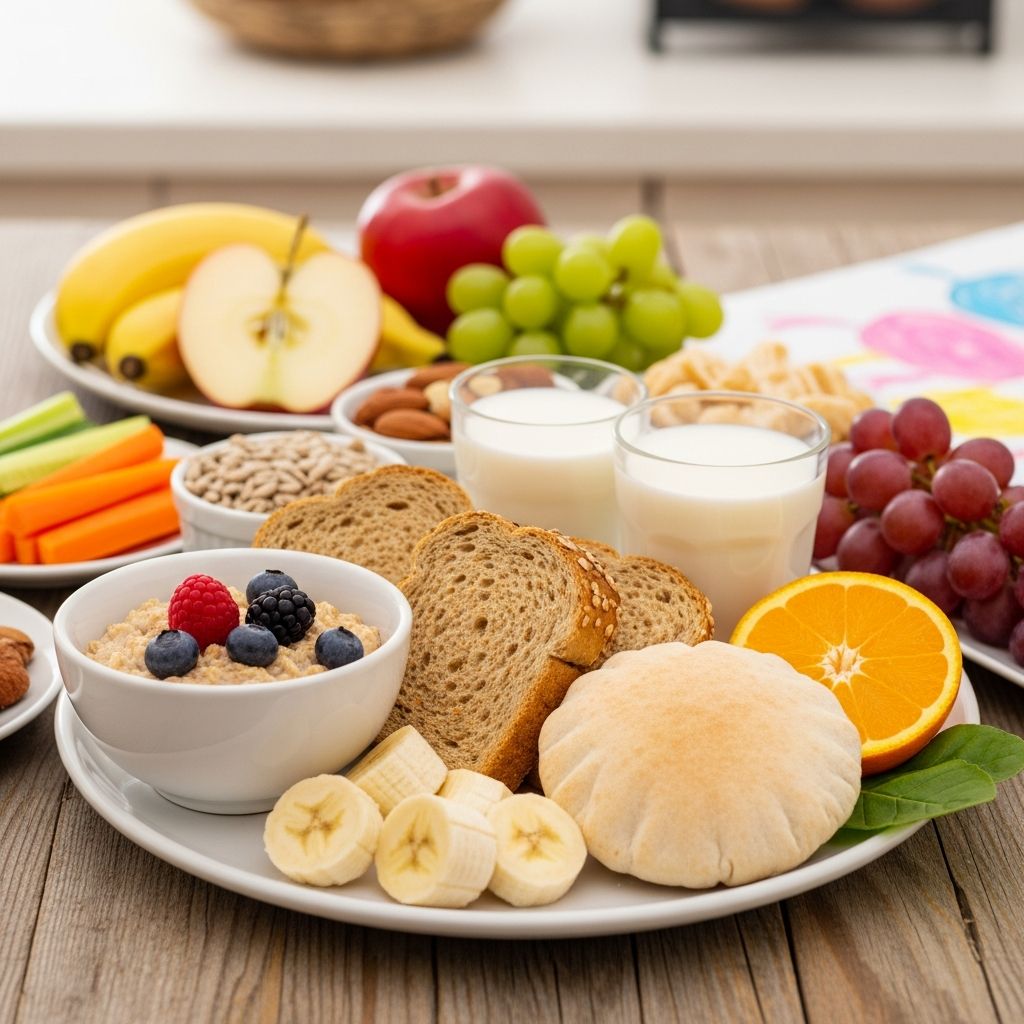
| Fruits | Apples, bananas, berries, oranges, grapes | Provide natural sugars, vitamins, water, and fiber |
| Vegetables | Carrots, peas, corn, sweet potatoes, winter squash | Offer complex carbs, fiber, and many vitamins |
| Whole grains | Whole wheat bread, oatmeal, brown rice, quinoa, whole grain pasta | Supply long-lasting energy, fiber, and B vitamins |
| Legumes | Beans, lentils, chickpeas | Combine carbs with plant protein and minerals like iron |
| Dairy (or fortified alternatives) | Milk, yogurt, fortified soy drinks | Contain lactose for energy plus calcium and protein |
Carbs and Fiber: A Powerful Pair
Fiber is a type of carbohydrate that the body cannot fully break down. Even though it does not provide energy the same way sugar and starch do, it plays a crucial role in keeping kids healthy.
- Helps prevent constipation by adding bulk to stool and keeping digestion regular.
- Supports a feeling of fullness, which may reduce constant snacking on low-nutrient foods.
- Can help maintain steadier blood sugar levels after meals.
High-fiber foods for kids include fruits with the skin on, vegetables, beans, and whole grains like oatmeal or whole wheat bread.
Carbohydrates and the Brain
The brain relies heavily on glucose from carbohydrates to work properly. For school-aged children, this means that regular, balanced meals with carbs can support better focus, memory, and problem-solving during the day.
Skipping meals or choosing only low-carb snacks may leave kids feeling tired, irritable, or unable to concentrate well. Offering a mixture of complex carbs and protein at breakfast and lunch can provide more stable energy for classroom learning and homework time.
Balancing Carbs With Other Nutrients
Carbohydrates should not be eaten alone all the time. Pairing carbs with protein and healthy fats creates more balanced meals that help keep energy levels steady and support overall growth.
- Carbs provide quick and steady energy.
- Protein supports muscles, immunity, and tissue growth.
- Healthy fats help absorb vitamins and support brain development.
A balanced plate might include whole grain bread (carbs), turkey or hummus (protein), and avocado or olive oil (healthy fat), along with fruits and vegetables for extra fiber and nutrients.
Everyday Examples of Balanced Kid-Friendly Meals
Putting the idea of healthy carbs into practice is easier with concrete examples. The meals and snacks below show how to combine carbohydrates with other nutrients in ways most kids enjoy.
- Breakfast ideas: Oatmeal topped with sliced banana and a spoonful of peanut butter; whole grain toast with scrambled eggs and a side of berries; yogurt parfait with fruit and a small amount of granola.
- Lunch ideas: Whole wheat pita stuffed with grilled chicken and veggies; brown rice with beans and grated cheese; whole grain pasta with tomato sauce and a side salad.
- Snack ideas: Apple slices with nut or seed butter; carrot sticks and whole grain crackers with hummus; a small smoothie made with milk or yogurt and fruit.
- Dinner ideas: Baked fish with roasted sweet potatoes and broccoli; stir-fried tofu with vegetables and brown rice; bean chili served with whole grain bread.
Understanding Sugary Foods and Drinks
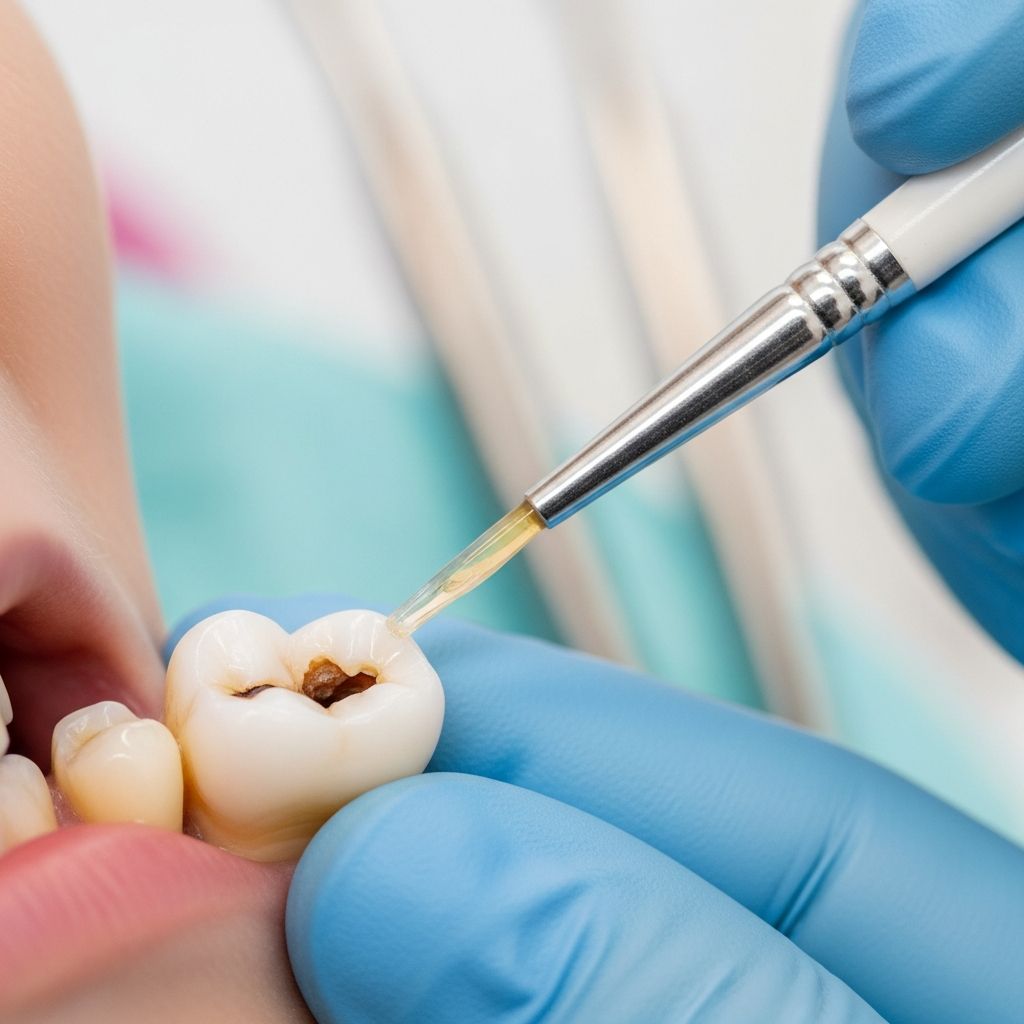
Many packaged snacks and drinks contain large amounts of added sugar, which can crowd out more nutritious carbohydrate sources. While it is fine for kids to enjoy sweets occasionally, frequent intake of sugary foods may affect dental health, energy levels, and overall nutrition quality.
Examples of high-sugar items include soda, fruit-flavored drinks with little real fruit, candy, pastries, and many desserts. Saving these for special occasions and focusing on water, milk, fruit, and whole grains most of the time helps keep sugar intake more reasonable.
How to Read Labels for Carbs and Sugar
Food labels can help families make informed choices about carbohydrate quality. On the nutrition panel, the “total carbohydrates” line includes sugar, starch, and fiber. Looking at both total carbohydrates and added sugars provides a clearer picture of what kids are eating.
- Choose products with higher fiber and lower added sugar when comparing similar foods.
- Check the ingredient list for words like sugar, corn syrup, honey, or fruit juice concentrate, which all indicate added sugar.
- Favor items where whole grains, fruits, or vegetables appear near the top of the ingredient list.
Carbohydrates for Active and Athletic Kids
Children who are very active in sports or play may need more carbohydrate energy to keep up with their higher activity levels. Carbs help restock the body’s glycogen stores, which are the energy reserves in muscles and the liver.
Before practices or games, light meals or snacks that include easily digested carbs—such as fruit, yogurt, or a small sandwich—can help kids perform better and feel less tired. After activity, pairing carbs with protein supports muscle recovery and energy replacement.
Practical Tips for Parents and Caregivers
Small changes in everyday meals can dramatically improve the quality of carbohydrates kids eat. The aim is not to remove carbs but to swap low-nutrient choices for more nourishing ones.
- Offer whole fruit instead of sugary drinks when kids want something sweet.
- Switch from white bread or rice to whole grain versions when possible.
- Serve vegetables with dips, roasting, or fun shapes to make them more appealing.
- Keep healthy carb-rich snacks, like cut fruit, whole grain crackers, and yogurt, easy to reach.
- Limit sugary cereals, desserts, and candies to occasional treats rather than everyday items.
Common Myths About Carbohydrates
Carbs are sometimes blamed for weight gain or low energy, but the full story is more complicated. Many of these concerns come from adult diet trends that do not always apply to growing children.
- Myth: All carbs are bad. In reality, nutrient-dense carbs like fruits, vegetables, and whole grains are important for children’s health.
- Myth: Kids should eat very low-carb diets. Very low-carb patterns may deprive children of needed energy and important nutrients.
- Myth: Sugar must be completely banned. Enjoying sweets occasionally within an overall balanced diet is usually more realistic and less stressful than total restriction.
Sample One-Day Kid-Friendly Meal Plan
The following example shows how carbohydrates can appear at each meal throughout the day in healthy, balanced ways. Portion sizes should be adjusted based on a child’s age, appetite, and activity level.
- Breakfast: Bowl of oatmeal cooked with milk, topped with chopped apples and cinnamon.
- Morning snack: Handful of grapes and a small piece of cheese.
- Lunch: Whole grain turkey sandwich with lettuce and tomato, baby carrots, and a small yogurt.
- Afternoon snack: Banana with a thin spread of peanut butter.
- Dinner: Brown rice, grilled chicken, steamed green beans, and a side of roasted sweet potato cubes.
- Optional evening snack: Plain popcorn or a small bowl of whole grain cereal with milk.
Frequently Asked Questions (FAQs)
Do kids need carbs at every meal?
Providing some form of carbohydrate at each meal and most snacks usually helps children maintain steady energy and better moods throughout the day. Including fruits, vegetables, grains, or dairy at each eating time is a practical way to meet this need.
Are fruit juices as good as whole fruit?
Whole fruits generally provide more fiber and are more filling than juice, even if the juice is 100% fruit. Offering whole fruit most of the time and keeping juice portions small helps avoid excess sugar intake.
How can I encourage a picky eater to try healthy carbs?
Introduce new foods slowly alongside familiar favorites, and involve kids in choosing recipes or helping with simple kitchen tasks. Repeated gentle exposure, fun shapes, and positive role modeling by adults often help children warm up to whole grains, fruits, and vegetables over time.
Should I avoid all desserts and candy?
Completely banning sweets can make them more tempting, while moderate, planned treats can fit into a healthy eating pattern. Setting limits on frequency and portion size, and pairing treats with regular meals rather than using them as rewards, helps keep them in balance.
What if my child eats too many refined or sugary carbs?
Gradual changes are usually more successful than sudden restrictions. Start by adding more nutritious carbs, such as offering fruit with breakfast or a side of vegetables at dinner, and gently reducing sugary items over time.
Key Takeaways for Families
Carbohydrates are essential for kids’ energy, learning, and growth, especially when they come from nutrient-rich sources. Focusing on fruits, vegetables, whole grains, beans, and dairy, while keeping sugary foods for special occasions, helps build a positive, balanced relationship with food that can last into adulthood.