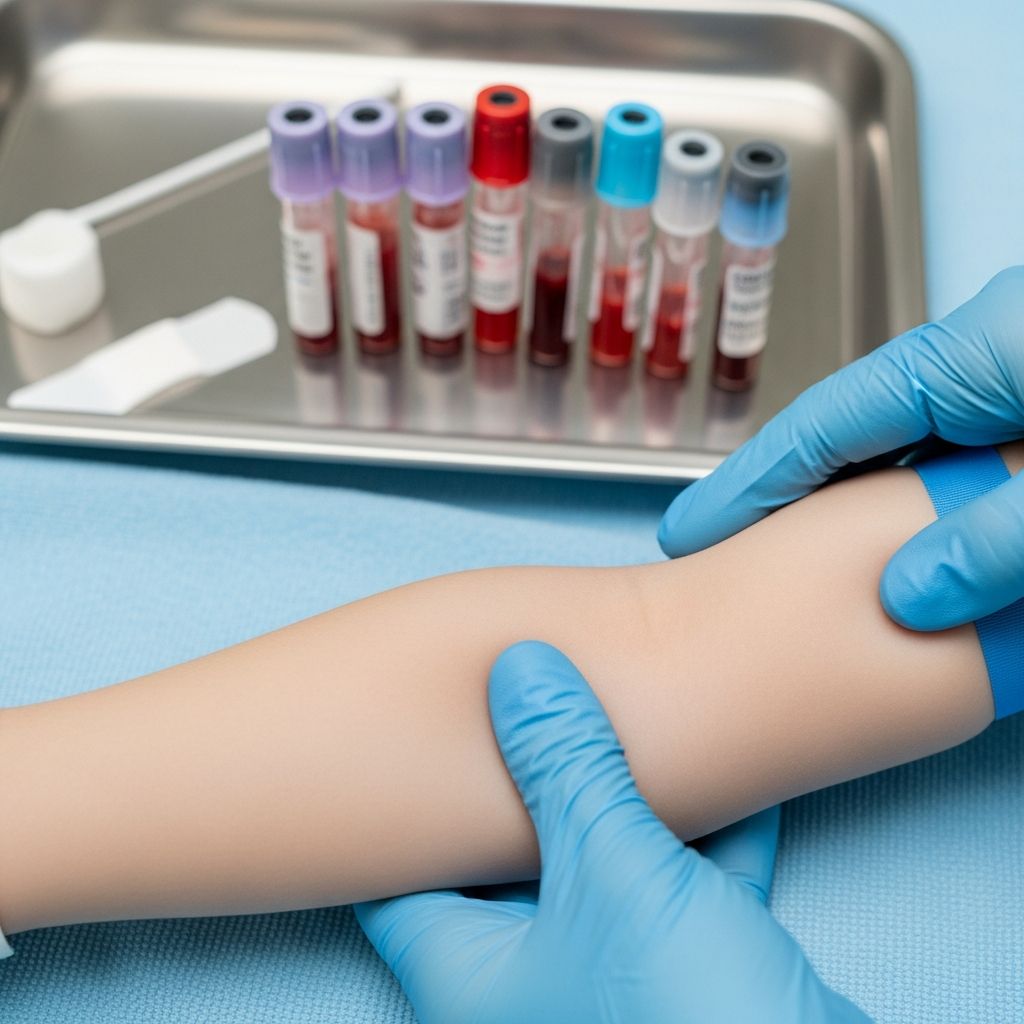
Blood tests are vital tools in pediatric healthcare, offering insights into a child’s overall health, detecting potential issues early, and guiding treatment plans. These tests analyze blood components to assess everything from infection risks to organ function, helping doctors make informed decisions.
Why Blood Tests Matter in Pediatric Care
In children, blood tests serve multiple purposes, including routine wellness checks, diagnosing illnesses, monitoring chronic conditions, and evaluating treatment effectiveness. Unlike adults, kids’ bodies grow rapidly, so normal ranges differ by age, weight, and development stage. Parents often feel anxious about these procedures, but understanding them reduces stress and fosters better communication with healthcare providers.
Common triggers for pediatric blood tests include unexplained fever, fatigue, poor growth, recurrent infections, or family history of genetic disorders. Early detection through these tests can prevent complications, such as anemia impacting school performance or undetected diabetes affecting energy levels.
Routine Screening Tests: Building a Health Baseline
Routine tests provide a snapshot of a child’s blood health, often part of annual check-ups or before starting school. They establish baselines for future comparisons.
Complete Blood Count (CBC): The Foundation of Blood Analysis
The **CBC** is the most frequently ordered test, measuring red blood cells (RBCs), white blood cells (WBCs), hemoglobin, hematocrit, and platelets. RBCs carry oxygen; low levels may signal anemia, common in picky eaters or those with iron deficiency. WBCs fight infections—elevated counts suggest bacterial issues, while low counts could indicate viral problems or immune weaknesses. Hemoglobin, the oxygen-transporting protein in RBCs, and hematocrit, the RBC volume percentage, help diagnose dehydration or nutritional gaps. Platelets ensure clotting; imbalances risk bruising or bleeding.
- Red Blood Cells (RBC): Transport oxygen; monitored for anemia.
- White Blood Cells (WBC): Immune defenders; flag infections or allergies.
- Platelets: Clotting agents; prevent excessive bleeding.
- Hemoglobin & Hematocrit: Oxygen capacity indicators.
Basic Metabolic Panel (BMP): Checking Vital Balances
This panel evaluates electrolytes, glucose, kidney function via blood urea nitrogen (BUN) and creatinine, and calcium levels. It’s crucial for kids with vomiting, diarrhea, or growth concerns, as imbalances affect hydration, energy, and bone health. Glucose screens for diabetes; abnormal electrolytes might stem from poor diet or medications.
| Component | Purpose | Common Pediatric Issues |
|---|---|---|
| Glucose | Energy source | Diabetes screening |
| Sodium/Potassium | Fluid balance | Dehydration |
| BUN/Creatinine | Kidney function | Urinary tract problems |
| Calcium | Bone health | Rickets prevention |
Organ Function Assessments: Ensuring Peak Performance
These tests zoom in on specific organs, vital for children with symptoms like jaundice or abdominal pain.
Liver Enzyme Tests: Gauging Detoxification
Liver function tests measure enzymes like ALT, AST, bilirubin, and proteins such as albumin. Elevated enzymes may indicate infections (e.g., hepatitis), medications, or fatty liver from obesity. Bilirubin checks for jaundice, common in newborns but concerning if persistent.
Kidney Profile: Filtering Efficiency Check
Beyond BMP, comprehensive kidney tests track creatinine clearance and glomerular filtration rate (GFR), essential for kids on certain antibiotics or with urinary issues. Early detection prevents chronic kidney disease.
Heart and Cholesterol Monitoring: Long-Term Wellness
Even in children, lipid profiles assess total cholesterol, HDL (good), LDL (bad), and triglycerides. Family history of heart disease prompts these from age 9-11. High levels link to obesity or poor diet, influencing lifelong habits.
- HDL: Protects arteries.
- LDL: Can build plaque if high.
- Triglycerides: Rise with sugary diets.
Endocrine and Hormone Evaluations
Hormone tests diagnose growth delays, puberty issues, or thyroid disorders. TSH, T4 for thyroid; HbA1c for diabetes control. These guide therapies like insulin or hormone replacement.
Infection and Immunity Screens
Blood cultures, antibody tests (e.g., for strep, Lyme), and CRP/ESR detect inflammation or specific pathogens. Vital for feverish kids without obvious sources.
Coagulation Studies: Bleeding and Clotting Balance
PT, PTT, and INR ensure proper clotting, especially pre-surgery or for bruising kids. Abnormalities may signal vitamin K deficiency or hemophilia.
Preparing Your Child for a Blood Draw
Preparation eases anxiety: Explain simply, use distractions like toys, or opt for numbing cream. Fasting may apply for glucose/lipid tests—offer clear fluids. Post-draw, comfort with juice and rest.
- Age-appropriate talks: Toddlers get stories; teens get facts.
- Practice squeezes to desensitize.
- Choose pediatric phlebotomists experienced with kids.
Interpreting Results: What Numbers Mean
Results vary by lab and child’s age—always consult doctors. ‘Normal’ ranges are guidelines; trends matter more. For example, mild WBC elevation post-virus is common.
| Test | Low Indicates | High Indicates |
|---|---|---|
| Hemoglobin | Anemia | Dehydration |
| WBC | Viral/Immune issue | Infection |
| Platelets | Bleeding risk | Clotting risk |
Specialized Tests for Unique Needs
Genetic tests (e.g., BRCA, cystic fibrosis sweat test), tumor markers, or allergy panels address specific concerns. Newborn screenings catch 30+ disorders early.
Common Concerns and Myths
Myth: All tests hurt a lot—reality: Quick with skilled staff. Concern: Frequent draws weaken kids—no, veins recover fast.
Frequently Asked Questions (FAQs)
What is a CBC and why is it done on kids?
A **CBC** counts blood cells to detect anemia, infections, or clotting issues, routine for unwell children.
Do children need to fast for blood tests?
Yes for glucose/lipids; no for CBC. Confirm with your doctor.
How accurate are pediatric blood test results?
Highly accurate when properly handled; age-specific ranges ensure relevance.
What if results are abnormal?
Retests or further diagnostics follow; many ‘abnormalities’ are transient.
Are blood tests safe for infants?
Yes, heel pricks minimize discomfort for newborns.
Empowering Parents: Next Steps After Testing
Discuss results promptly, track trends in a health journal, and advocate for explanations. Blood tests demystify health, enabling proactive parenting.
References
- Decoding Your Blood: A Guide to 10 Most Common Hematology Tests — Gonzaba Medical Group. 2023. https://www.gonzaba.com/what-are-common-hematology-tests/
- Types of Blood Tests: What Blood Work Can Tell About You — UVA Health. 2024. https://www.uvahealth.com/healthy-balance/types-blood-tests/
- Medical Tests — MedlinePlus, National Library of Medicine. 2025-01-10. https://medlineplus.gov/lab-tests/
- Blood Tests: Types, Results & How They Work — Cleveland Clinic. 2024. https://my.clevelandclinic.org/health/diagnostics/24508-blood-tests
- Your Essential Guide to Different Types of Blood Tests — Village Medical. 2023. https://www.villagemedical.com/journey-to-well/your-essential-guide-to-different-types-of-blood-tests
- Your guide to 11 different types of blood tests — British Heart Foundation. 2024. https://www.bhf.org.uk/informationsupport/heart-matters-magazine/medical/tests/blood-tests/different-types-of-blood-tests
- Blood Tests — NHLBI, NIH. 2025. https://www.nhlbi.nih.gov/health/blood-tests