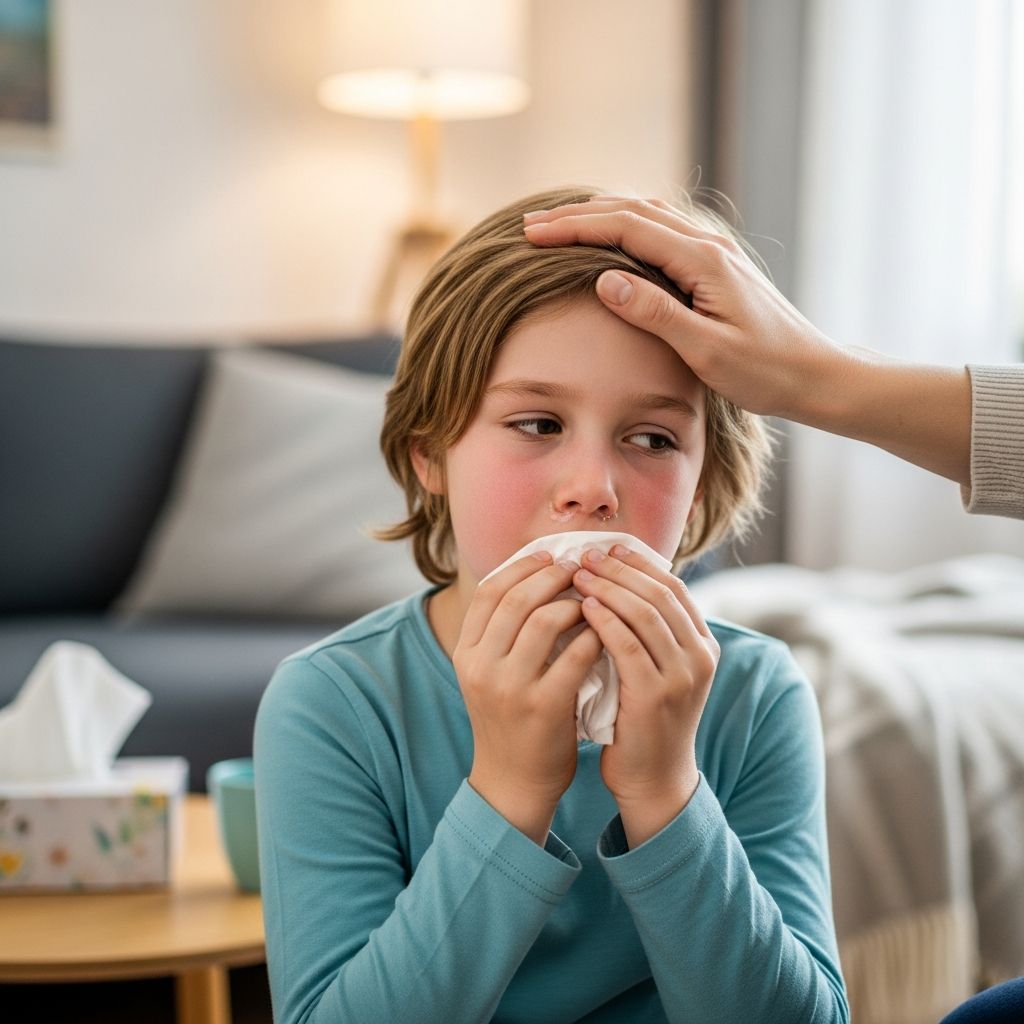
Sinus infections, known medically as sinusitis, affect many children each year, often following common colds. These conditions involve inflammation of the air-filled spaces around the nose and eyes, leading to discomfort that parents need to address promptly for their child’s well-being.
Understanding the Sinuses and Why Kids Are Vulnerable
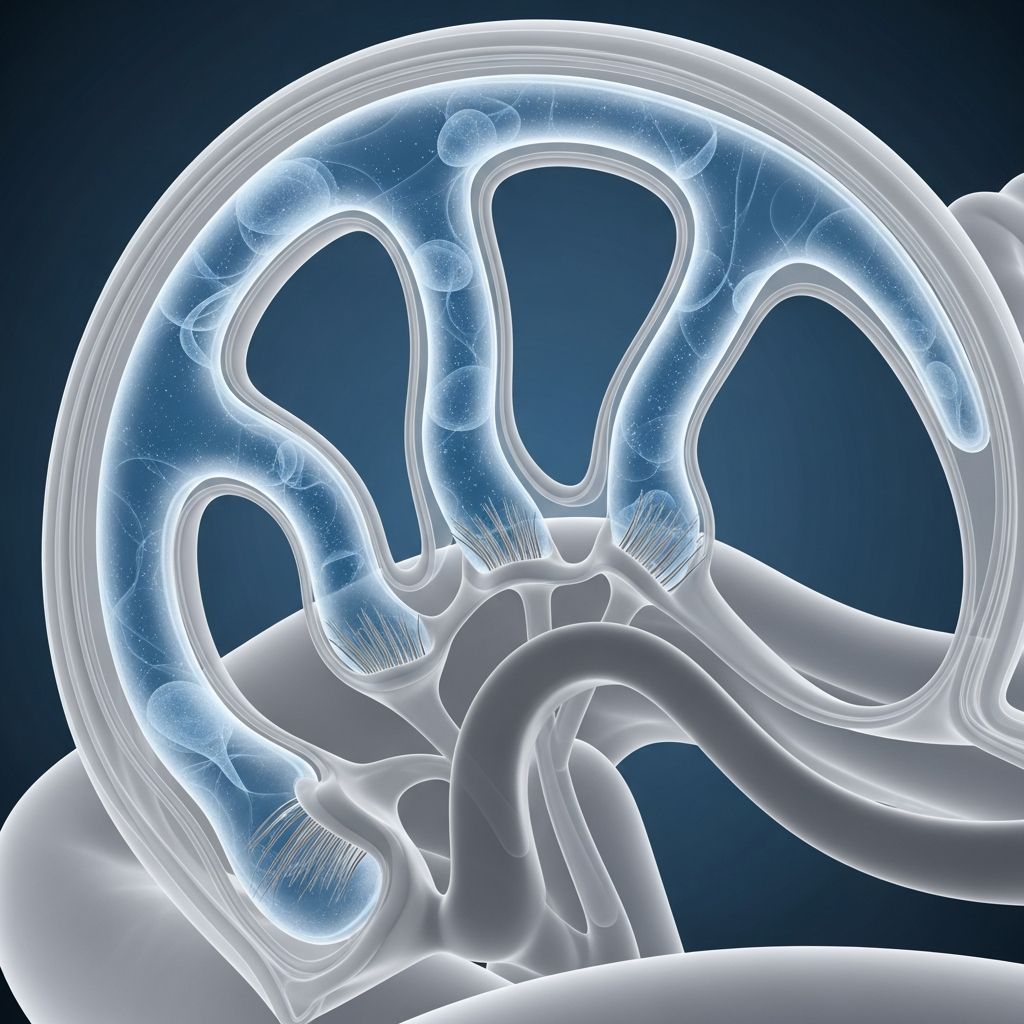
The sinuses are hollow cavities in the skull that produce mucus to moisten the nasal passages and trap germs. In children, these spaces are smaller and still developing, which makes them prone to blockages. When mucus builds up due to swelling, it creates an environment where viruses or bacteria can thrive, resulting in infection. Youngsters in daycare or school settings face higher risks due to frequent exposure to respiratory viruses, averaging six to eight colds annually, with 5-10% progressing to sinus issues.
Key Indicators That Your Child May Have a Sinus Infection
Distinguishing sinusitis from a regular cold is crucial, as symptoms overlap but persist longer in sinus cases. Parents should monitor for these common signs:
- Runny or stuffy nose lasting over 10-14 days, with thick yellow or green discharge.
- Facial tenderness or pressure near the cheeks, forehead, or eyes.
- Cough worsening at night from postnasal drip.
- Low-grade fever, headache (more common in kids over six), or bad breath.
- Irritability, fatigue, or swelling around the eyes.
These symptoms typically emerge after a viral upper respiratory infection (URI), like those caused by rhinovirus or influenza, which inflame sinus openings and trap secretions.
Primary Causes Behind Childhood Sinus Problems
Sinusitis in kids rarely starts on its own; it usually stems from triggers that block normal mucus drainage. Here’s a breakdown:
| Cause | Description | Risk Factors |
|---|---|---|
| Viral Infections | Most frequent trigger; colds block sinus ostia, leading to secondary bacterial growth. | Daycare attendance, frequent URIs. |
| Allergies | Swelling from pollen or dust increases mucus and inflammation. | Seasonal changes, family history. |
| Structural Issues | Deviated septum, enlarged adenoids, or polyps obstruct drainage. | Congenital traits, chronic infections. |
| Environmental Irritants | Smoke, pollution, or reflux (GERD) irritate nasal tissues. | Secondhand smoke exposure. |
Less common contributors include cystic fibrosis, ciliary dyskinesia, or foreign objects in the nose, emphasizing the need for professional evaluation.
Types of Sinusitis: Acute vs. Chronic
Pediatric sinusitis is classified by duration. Acute cases last under four weeks, often resolving with supportive care, while chronic ones persist over 12 weeks, requiring deeper investigation. Bacterial infections complicate about 5-10% of acute viral cases, demanding targeted therapy. Severe onset—marked by high fever over 102.2°F or worsening after initial improvement—warrants immediate attention.
Effective Home Management Strategies for Relief
For mild symptoms, start with conservative measures to promote drainage and comfort:
- Hydration: Plenty of fluids thin mucus for easier expulsion.
- Humidified Air: Cool-mist humidifiers or steamy bathroom sessions soothe inflamed tissues.
- Saline Solutions: Nasal sprays or rinses flush irritants; safe for all ages when used correctly.
- Warm Compresses: Applied to the face, these reduce pain and pressure.
- Pain Relievers: Age-appropriate acetaminophen or ibuprofen for fever and aches.
- Elevation: Prop up the head during sleep to minimize congestion.
Mucolytics like guaifenesin may help loosen secretions, and nonsedating antihistamines benefit allergy-related cases.
When to Consult a Pediatrician and What to Expect
Seek medical advice if symptoms exceed 10 days, intensify, or include high fever, severe headache, or eye swelling. Diagnosis involves history review, physical exam, and sometimes imaging or endoscopy for chronic cases. Pediatricians assess severity to guide treatment, prioritizing accurate differentiation between viral (self-limiting) and bacterial infections.
Medical Interventions: From Medications to Surgery
Treatment escalates based on cause and persistence:
- Antibiotics: Reserved for bacterial sinusitis; amoxicillin-clavulanate is first-line (93.5% efficacy), given for at least 14 days. Complete the course to prevent resistance.
- Nasal Steroids: Reduce inflammation; intranasal options like fluticasone.
- Other Meds: Antihistamines for allergies, GERD treatments, or oral steroids for severe swelling.
- Surgical Options: Rare, but adenoidectomy or endoscopic sinus surgery for refractory chronic disease.
Observation without antibiotics suits mild, improving cases.
Long-Term Prevention: Building Resilience Against Recurrences
Proactive steps lower recurrence rates:
- Handwashing and avoiding sick contacts.
- Flu vaccinations to curb URIs.
- Allergy management via testing and meds.
- Smoke-free environments and humidity control.
- Prompt cold treatment to halt progression.
Addressing adenoids or polyps early prevents chronicity.
Frequently Asked Questions About Sinus Infections in Kids
Can sinus infections mimic migraines in children?
Yes, over 90% of ‘sinus headaches’ are actually migraines, lacking true infection signs like discharge or fever. Consult a doctor for accurate diagnosis.
Are antibiotics always needed for sinusitis?
No, most are viral and resolve without them. Use only for confirmed bacterial cases or severe symptoms.
How long should I wait before seeing a doctor?
If symptoms persist beyond 10-14 days, worsen, or include high fever/swelling, seek care promptly.
Is surgery common for kids with sinus issues?
Rarely; reserved for chronic, unresponsive cases after medical trials.
Do humidifiers help all children with sinusitis?
Generally yes, by moistening air and aiding drainage, especially in dry seasons.
References
- Pediatric Sinusitis Treatment: A Parent’s Guide — Village Pediatric Group. 2023. https://villagepediatricgroup.com/pediatric-sinusitis-treatment-a-parents-guide/
- Treatment of pediatric sinusitis — PubMed Central/NIH. 2020-03-15. https://pmc.ncbi.nlm.nih.gov/articles/PMC7126711/
- Sinusitis in Children — Children’s Hospital of Philadelphia. 2024. https://www.chop.edu/conditions-diseases/sinusitis-children
- Top 10 McKinney Pediatrician-Approved Treatments for Sinus Infection — KidsVille Pediatrics. 2023. https://www.kidsvillepeds.com/blog/1284942-top-10-mckinney-pediatrician-approved-treatments-for-sinus-infection/
- Pediatric Sinus Infection Treatment — My Evergreen Pediatrics. 2024. https://www.myevergreenpediatrics.com/pediatric-sinus-infection
- AAP Releases Guideline on Diagnosis and Management of Acute Bacterial Sinusitis — American Academy of Family Physicians. 2014-04-15. https://www.aafp.org/pubs/afp/issues/2014/0415/p676.html