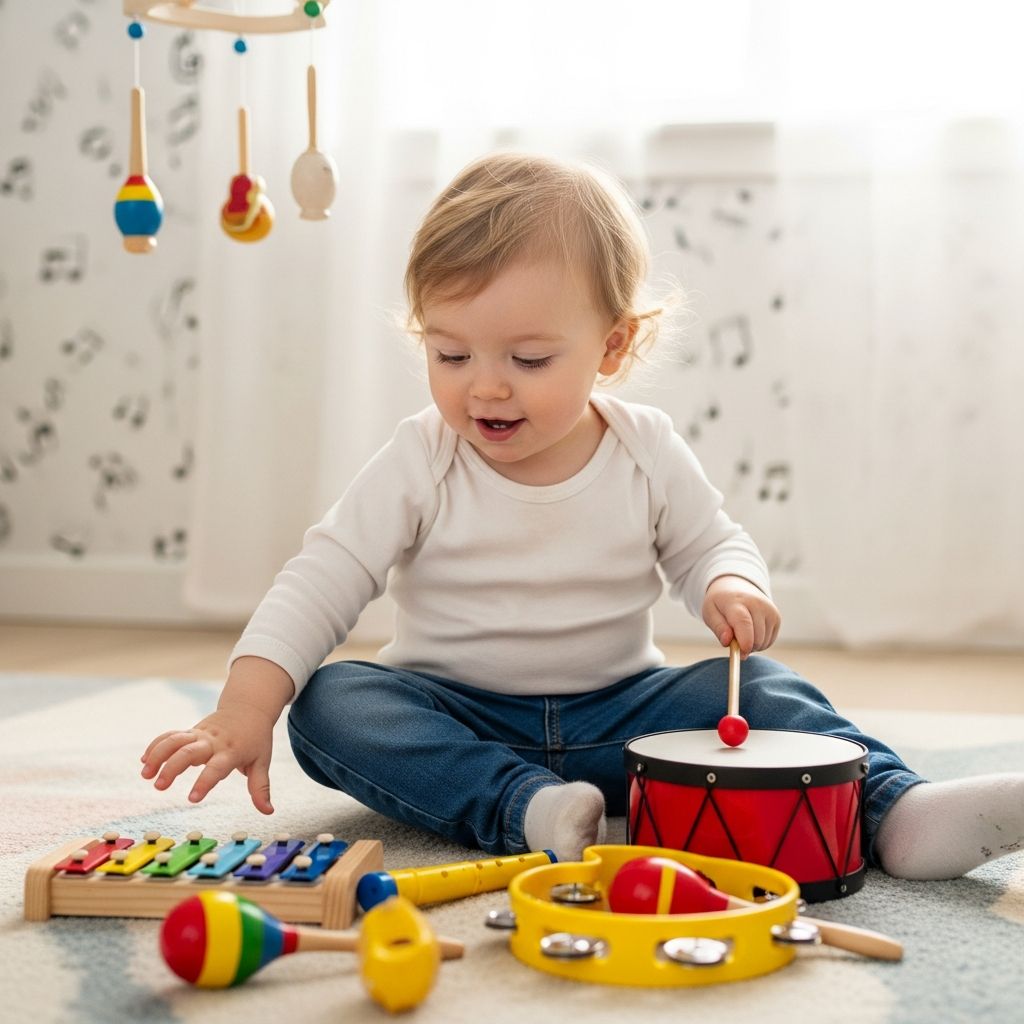
Musical aptitude often emerges in the earliest years of life, with toddlers displaying subtle yet telling signs of potential talent. Between ages one and three, children naturally engage with sounds, rhythms, and melodies in ways that reveal their auditory sensitivity and creative inclinations. Parents can observe these behaviors during everyday play to gauge interest and ability.
Understanding Musical Development in the Toddler Years
During the toddler stage, from roughly 12 to 36 months, children’s brains are highly receptive to musical stimuli. This period marks a shift from passive listening to active participation, where little ones begin coordinating movements with beats and experimenting with their voices. Research highlights that exposure to varied musical elements strengthens neural pathways linked to language, motor skills, and emotional regulation.
At 12 months, toddlers may sway or bounce to rhythms, while by 18 months, they mimic simple melodies or clap along. Two-year-olds often echo short phrases accurately, and three-year-olds can sustain beats longer, sometimes even suggesting song variations. These milestones indicate growing ‘audiation’—the ability to internally process music without external sound—which is foundational for advanced skills.
Observable Signs of a Musical Ear
One primary indicator is a child’s responsiveness to auditory input. Toddlers with keen ears pause activities to focus on distant sounds, such as a clock ticking or birds chirping, showing heightened awareness. They might tilt their head or quieten suddenly, differentiating them from peers more absorbed in toys.
- Reacts to subtle background noises by looking up or stopping play.
- Distinguishes voices or instruments in familiar songs.
- Appears mesmerized by new auditory experiences, like wind chimes or dripping water.
This sensitivity to dynamics—loud versus soft tones—further signals potential. Babies as young as two months detect pitch variations, a trait that amplifies in toddlers.
Assessing Pitch Matching Abilities
Pitch accuracy is a standout clue. Sustain a single note on a pitch pipe or hum steadily, then invite your toddler to imitate. Matching the tone, even briefly, is rare and suggests innate tonal memory. For variety, use simple scales or nursery rhyme snippets; consistent replication points to strong musical intuition.
| Age Range | Expected Pitch Behavior | Advanced Sign |
|---|---|---|
| 12-18 Months | Babbling with rising/falling inflections | Matches single notes occasionally |
| 18-24 Months | Sings short phrases off-pitch mostly | Replicates tune fragments accurately |
| 24-36 Months | Sings full simple songs variably | Sustains pitch through entire verses |
Studies confirm that early pitch perception correlates with later musical proficiency, as it mirrors language prosody development.
Evaluating Rhythm and Movement Synchronization
Rhythm sense manifests through bodily responses. Watch if your toddler claps, stomps, or sways in time with music, maintaining tempo amid distractions. At two years, steady clapping to upbeat tracks or marching to drums indicates solid beat competency.
Three-year-olds advance to varied movements like skipping or twirling precisely, sometimes syncing instruments like shakers. Inconsistent timing is normal, but persistent effort or joy in trying reveals passion.
- Bounces knees or arms to steady beats from infancy.
- Adapts movements to tempo changes, speeding up or slowing down.
- Enjoys fingerplays or action songs with rhythmic patterns.
Interest Levels and Spontaneous Vocalization
Genuine enthusiasm shines when toddlers drop toys to dance or hum unprompted. Expose them to genres—classical, pop, jazz—and note reactions: glazed eyes, swaying, or repeated requests signal preference. Frequent singing or vocal experimentation, beyond typical babbling, often reflects musical zest.
Record these moments to track progress; videos capture nuances like improved lyrics recall or dance creativity. Children suggesting song alterations or lyrics show advanced engagement.
Engagement with Instruments and Tools
Curiosity toward noisemakers—banging pots, shaking rattles, or reaching for toy xylophones—hints at readiness for structured play. Toddlers who tap rhythms matching music or explore volume control demonstrate control and interest.
Provide safe access: homemade drums from containers or scarves for flowing movements. Positive responses, like sustained play, affirm affinity.
Nurturing Your Toddler’s Musical Potential
Once signs appear, foster growth daily. Sing interactively, dance freely, and incorporate music into routines like mealtimes or baths. Vary tempos and styles to build versatility. Group settings amplify benefits, enhancing social-motor links via shared rhythms.
Avoid pressure; let exploration be joyful. Research supports that rhythmic play bolsters gross motor skills—clapping, jumping, marching. For multilingual homes, songs bridge languages, using visuals like puppets.
Developmental Milestones by Age
| Age | Motor Responses | Vocal Skills | Key Nurturing Tip |
|---|---|---|---|
| 12 Months | Sways, bounces to beat | Babbles song-like tunes | Sing repetitive lullabies |
| 18 Months | Claps, taps rhythms | Mimics phrases | Encourage clapping games |
| 24 Months | Dances independently | Sings short tunes | Vary music tempos |
| 36 Months | Complex movements, marches | Full songs, echoes patterns | Introduce simple instruments |
Common Myths About Early Musical Talent
Not all tuneful toddlers become virtuosos, but early signs predict enjoyment and cognitive gains. TV exposure doesn’t substitute active music-making. Every child benefits from musical play, regardless of prodigy status.
Frequently Asked Questions
What if my toddler doesn’t match pitch yet—is that normal?
Yes, most under three sing off-pitch initially; consistency develops with exposure.
How much daily music is ideal for toddlers?
15-30 minutes of interactive play suffices, integrated naturally to avoid overload.
Can music help with speech delays?
Rhythm and melody aid language patterning, per studies on auditory sequencing.
When should I consider formal classes?
Around age three if they follow instructions and show sustained interest.
Does genre matter for development?
Diversity builds skills; mix rhythmic, melodic, and cultural tunes.
Long-Term Benefits of Early Music Exposure
Investing now yields dividends: enhanced focus, empathy via ensemble play, and math readiness through patterns. Toddlers immersed musically often excel in pattern recognition, vital for academics.
Parental involvement is key—model enthusiasm to instill lifelong appreciation. As skills bloom, celebrate small victories, building confidence for future pursuits.
References
- Music Development in Early Childhood: Two and Three-Year-Olds — The Music Class. 2023. https://themusicclass.com/blog/music-development-early-childhood-two-and-three-year-olds
- From Babbling to Beethoven: A Parent’s Guide to Musical Milestones — MiniBop Music. 2023. https://minibopmusic.com/from-babbling-to-beethoven-a-parents-guide-to-musical-milestones/
- Music and Child Development in Babies and Toddlers — Music Constructed. 2023. https://www.musicconstructed.com/tool/music-and-child-development-in-babies-and-toddlers/
- Music in Child Development — Head Start (U.S. Department of Health and Human Services). 2024-01-15. https://headstart.gov/curriculum/article/music-child-development
- Is My Child Musical? — Kids MusicRound. 2023. https://kidsmusicround.com/is-my-child-musical/