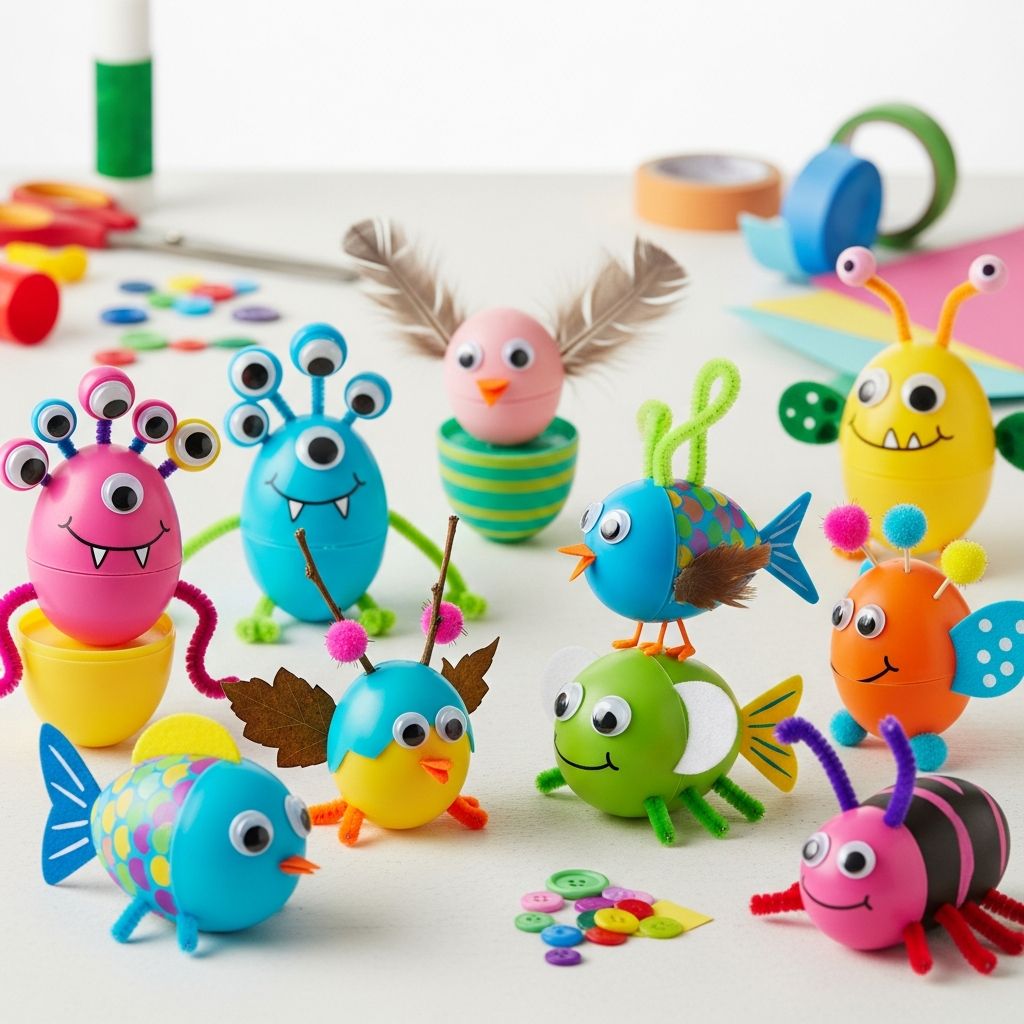
Modern parents frequently transform holidays like Valentine’s Day into elaborate productions filled with crafts, parties, and gifts, but this intensity raises questions about whether such efforts truly benefit children or contribute to unnecessary pressure. As parenting evolves toward more intentional practices in 2026, many families are rethinking these celebrations to prioritize genuine connections over perfection.
The Rise of Elaborate Holiday Celebrations in Family Life
In recent years, social media has fueled a surge in over-the-top Valentine’s Day activities for kids, from classroom Valentine exchanges with custom boxes to home-based love-themed dinners and DIY decorations. Parents share photos of heart-shaped pizzas, personalized candy bags, and themed photo booths, creating an unspoken standard that every family must match. This trend stems from a desire to make children feel special, yet it often leads to exhaustion for caregivers and heightened expectations for little ones.
Consider the time investment: crafting individual valentines for 25 classmates can consume hours, while organizing a family party adds shopping, cooking, and cleanup. While these gestures aim to foster joy, they mirror broader parenting shifts away from simplicity, as noted in 2026 trends favoring low-stimulation play and micro-milestones over grand events.
Why Parents Feel Compelled to Go All Out
Several factors drive this overparenting phenomenon. First, the fear of missing out (FOMO) amplified by platforms like Instagram and TikTok showcases idealized celebrations, pressuring parents to compete. Second, post-pandemic recovery has led many to overcompensate with memorable experiences. Third, cultural emphasis on individualism pushes personalized touches, even for young children who may not grasp the sentiment.
- Social media influence: Viral posts of ‘perfect’ parties set unrealistic benchmarks.
- Emotional compensation: Busy schedules make holidays a chance to ‘make up’ for everyday absences.
- Commercial push: Retailers market holiday kits, fueling spending on non-essentials.
Experts highlight that this stems from a shift away from ‘Pinterest perfection,’ with 2026 parents embracing messier, more authentic approaches instead.
Potential Downsides of Excessive Holiday Efforts
While well-intentioned, overdoing Valentine’s Day can have unintended effects. Children may develop entitlement, expecting lavish setups annually, which undermines appreciation for small gestures. Parents risk burnout, leading to resentment during what should be joyful times. Moreover, the focus on material expressions dilutes the holiday’s core message of love and kindness.
| Aspect | Overparenting Impact | Balanced Alternative |
|---|---|---|
| Child’s Perspective | Overwhelm from excess; focus on ‘stuff’ over feelings | Simple notes emphasizing care build lasting emotional bonds |
| Parent’s Energy | Exhaustion from prep and cleanup | Frees time for presence and play |
| Family Dynamics | Pressure to perform annually | Flexible traditions that evolve with needs |
Research aligns with 2026 trends promoting emotional intelligence over curated events, warning that overstimulation hinders self-regulation.
Shifts in 2026 Parenting: Toward Simpler Celebrations
Current trends signal a welcome change. Parents are ditching rigid perfection for intentionality, using AI tools for quick ideas like simple card templates rather than from-scratch marathons. Hybrid parenting blends structure with flexibility, allowing holidays to fit family rhythms without dominating them.
Emphasis on ‘analog living’ encourages low-tech activities: backyard heart hunts or family gratitude shares replace gadget-heavy parties. Cycle-breaking parents model vulnerability by admitting when plans simplify, teaching resilience.
Practical Ways to Simplify Valentine’s Day
Achieving balance starts with reflection: What matters most—lavish displays or shared laughter? Here are actionable strategies:
- Set boundaries early: Decide on one craft, like group collage hearts, to avoid overload.
- Involve kids meaningfully: Let them dictate wishes, fostering ownership without excess.
- Opt for experiences: A family walk to deliver neighborhood treats builds community over isolation.
- Use tech wisely: AI-generated stories or playlists enhance without replacing interaction.
- Focus on micro-moments: Daily ‘love notes’ extend the spirit beyond one day.
These align with trends like split-shift parenting, where partners divide tasks efficiently, preserving energy for connection.
Age-Appropriate Ideas for Meaningful Valentine’s Traditions
For Toddlers (Ages 1-3)
Keep it sensory: Finger-paint hearts or share heart-shaped fruits. Avoid crowds; focus on parent-child cuddles to build secure attachments.
For Preschoolers (Ages 4-5)
Simple class exchanges with store-bought cards suffice. At home, bake no-fuss cookies together, discussing ‘who we love and why.’
For School-Agers (Ages 6-10)
Encourage friend valentines with kind messages. Family game night with love-themed charades promotes laughter over gifts.
For Tweens (Ages 11+)
Shift to subtle: Group outings or donation drives to charities, teaching empathy amid peer pressures.
These ideas echo 2026’s push for real-world skills and emotional education.
Building Emotional Intelligence Through Holidays
Holidays offer prime opportunities to teach feelings. Use Valentine’s to name emotions: ‘How does giving a card make you feel?’ Practice empathy by discussing recipients’ joy. Parents modeling calm amid minor mishaps—like a torn craft—demonstrates regulation, key to EQ trends.
In cycle-breaking efforts, share family stories of past simple celebrations, normalizing imperfection and strengthening bonds.
Navigating Peer and School Pressures
Schools often mandate valentine swaps, amplifying competition. Opt out gracefully with ‘kindness cards’ for all, sidestepping commercial packs. Communicate with teachers about allergies or inclusivity, aligning with community-focused trends.
For parties, host potlucks where effort is shared, reducing individual burden while building networks—a nod to ‘village’ rebuilding via intentional groups.
Frequently Asked Questions
What if my child expects big Valentine’s celebrations?
Gradually introduce simpler joys, explaining choices like ‘We’re making memories together instead of buying things.’ Consistency builds understanding.
Is it okay to skip Valentine’s Day entirely?
Absolutely—love is daily. Use the day for quiet reflection, fitting 2026’s low-stim approach.
How does AI help with holiday planning?
Generate ideas, lists, or even poems quickly, freeing parents for presence as a ‘co-parent’ tool.
Does overparenting harm long-term?
Potentially, by fostering dependency over independence; balance promotes resilience.
What’s the best low-effort Valentine’s activity?
A family ‘love jar’—notes of appreciation read aloud, emphasizing words over stuff.
Embracing Imperfect Holidays for Lasting Joy
Ultimately, 2026 parenting redefines success as presence over production. By dialing back Valentine’s extravagance, families cultivate traditions rooted in emotion, not excess—preparing kids for a world valuing curiosity and connection. This intentional pivot not only sustains parental well-being but equips children with tools for authentic relationships.
References
- Parenting Trends for 2026: What’s In and What’s Out — Moms Who Think. 2026-01-01. https://www.momswhothink.com/parenting-trends-for-2026-whats-in-and-whats-out/
- 6 Parenting Trends to Keep on Your Radar in 2026 — The Bump. 2026-01-01. https://www.thebump.com/a/rising-parenting-trends
- 2026 Parenting Trends We’re Excited to Embrace This Year — The Everymom. 2026-01-01. https://theeverymom.com/parenting-trends/
- 11 Parenting Trends Millennials Are Ditching In 2026 — Scary Mommy. 2026-01-01. https://www.scarymommy.com/parenting/parenting-trends-millennials-are-ditching-in-2026