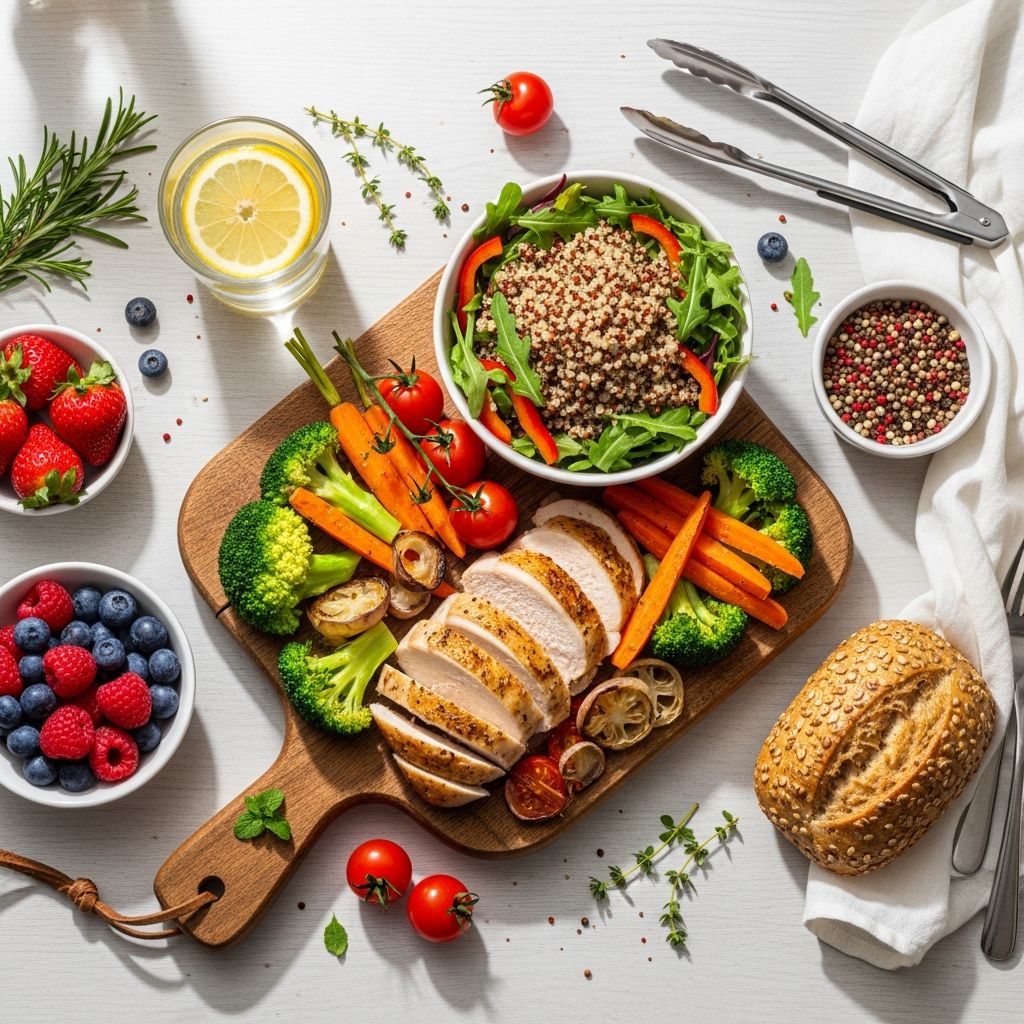
Family meals can be a source of connection and comfort, but for many parents they also bring stress, guilt, and a lot of unfinished plates. This guide offers realistic, research-informed strategies to help you feed your family nutritious food, keep mealtimes calmer, and support healthy habits that can last into adulthood.
Why Shared Family Meals Matter
Regular family meals are about more than food. They are a daily chance to check in, model healthy habits, and give kids a sense of stability.
- Healthier nutrition: Children and teens who eat with their families more often tend to consume more fruits, vegetables, and nutrient-dense foods, and less sugary drinks and fast food.
- Better emotional well-being: Consistent family meals are linked with better self-esteem and lower risk of some risk-taking behaviors in adolescence, according to large observational studies summarized by pediatric and nutrition organizations.
- Language and social skills: Talking at the table helps younger kids build vocabulary and social skills as they listen and share stories.
- Family connection: Even short meals help family members feel seen and supported during busy weeks.
The goal is not perfect meals, but regular shared time where food and conversation both have a place.
Building a Flexible Family Meal Routine
You do not need elaborate menus to get the benefits of family meals. A simple, predictable routine is often enough.
Choose a Realistic Schedule
Look at your family’s weekly calendar and decide when shared meals can truly happen.
- Start with 2–3 dinners per week where most family members can attend.
- Include breakfasts or weekend lunches if evenings are hectic.
- Block those meals on a calendar so everyone knows they are a priority.
Over time, you can add more shared meals if it feels manageable.
Keep Mealtimes Consistent
Kids do well with routine. A fairly predictable schedule helps regulate appetite and behavior.
- Aim for meals and snacks around the same times each day.
- Give a 5–10 minute warning before meals so kids can wrap up play or screens.
- Try to sit at the table (or a chosen spot) instead of wandering with food; this supports mindful eating.
Planning Simple, Balanced Meals
Healthy family meals do not have to be complicated or expensive. A few basic guidelines can help you put together balanced plates most of the time.
The “Balanced Plate” Made Easy
Many health organizations recommend a simple plate approach, similar to the USDA MyPlate model, which divides the meal into food groups.
| Plate Part | Goal | Examples |
|---|---|---|
| Fruits & Vegetables | About half the plate | Carrot sticks, salad, roasted broccoli, apple slices, berries |
| Whole Grains or Starchy Foods | About a quarter of the plate | Brown rice, whole-wheat pasta, corn tortillas, potatoes, quinoa |
| Protein Foods | About a quarter of the plate | Beans, lentils, chicken, fish, eggs, tofu, lean meat, nut butters |
| Calcium-Rich Foods | Side or drink | Milk, fortified plant milks, yogurt, cheese, calcium-set tofu |
You do not have to hit these proportions at every single meal, but aiming for this balance across the day supports kids’ growth and overall health.
Planning Ahead Without Overdoing It
Meal planning can reduce stress and support healthier choices, but it should work for your reality, not against it.
- Begin by planning 3–4 dinners for the week rather than every meal.
- Mix quick meals (like eggs and toast, quesadillas, or soup and sandwiches) with slightly more involved recipes.
- Use the “cook once, eat twice” idea: make extra grains, proteins, or roasted vegetables to reuse in another meal.
- Keep a running list of family favorites to rotate regularly.
Even a loose plan makes grocery shopping easier, helps you use what you buy, and reduces last-minute stress.
Dealing with Picky Eating and Different Appetites
Many children go through phases of eating only a few foods, changing preferences daily, or refusing new textures. This can be frustrating but is usually a normal part of development.
Understand Everyone’s Role at the Table
Child-feeding experts often recommend a clear division of responsibilities between parents and children during meals:
- Parents and caregivers decide what food is offered, when meals and snacks happen, and where eating takes place.
- Children decide whether to eat and how much from what is offered.
This approach respects children’s internal hunger and fullness cues and can reduce power struggles.
Strategies for Picky Eaters
- Offer familiar and new foods together: Include at least one or two items your child usually accepts alongside any unfamiliar food.
- Avoid pressure: Encourage tasting, but try not to bribe, force, or insist that kids clean their plates. Research suggests that heavy pressure can backfire and make kids like foods less over time.
- Use repeated, low-pressure exposure: Kids may need to see and gently taste a new food many times before accepting it; this can mean 10 or more exposures in some studies.
- Let kids interact with food: Allow them to help wash vegetables, stir ingredients, or serve themselves small portions. Involvement can increase willingness to try new foods.
- Stay calm and neutral: Reacting strongly when children refuse food (with anger or begging) can turn meals into battles.
Respecting Hunger and Fullness
Children’s appetites naturally change from day to day depending on growth, activity, and health.
- Allow kids to stop eating when they say they are full, even if there is food left on the plate.
- Offer regular snacks and meals rather than grazing all day, so they arrive at the table with some hunger.
- Use phrases like “Listen to your tummy” rather than “Take three more bites” when possible.
Supporting kids’ ability to notice internal signals may help protect against overeating and other eating difficulties later in life.
Making Mealtimes Calmer and More Enjoyable
The atmosphere at the table can be just as important as what is on the plate. Children are more likely to eat well when they feel safe, relaxed, and engaged.
Reduce Distractions
- Turn off TVs and put away phones and handheld devices during meals.
- Keep toys and homework off the table to keep the focus on food and conversation.
- Play soft music if it helps the family relax, but try to keep the environment relatively calm.
Focus on Conversation, Not Control
Use the meal as a chance to connect rather than to evaluate how well children are eating.
- Ask open questions, such as “What was something funny that happened today?”
- Take turns sharing a highlight and a challenge from the day.
- Avoid turning meals into a running commentary about who is eating what or how much.
Use Positive Modeling
Children learn a lot from watching how adults eat and talk about food.
- Let kids see you enjoy vegetables, whole grains, and other nutritious foods.
- Try not to label foods strictly as “good” or “bad”; instead, talk about how some foods help our bodies grow strong or give us energy.
- Eat the same meal whenever possible instead of preparing separate “kid meals” every night.
Smart Shopping and Budget-Friendly Choices
Feeding a family can be expensive, but some planning and flexibility can stretch your budget while keeping meals nourishing.
Plan Around What You Have
- Check your pantry, fridge, and freezer before shopping; build meals around foods that need to be used soon.
- Use beans, lentils, eggs, and frozen vegetables as affordable, nutrient-dense staples.
- Buy fruits and vegetables in season when possible; they are often cheaper and taste better.
Quick Budget-Friendly Meal Ideas
- Bean and vegetable soup with whole-grain bread.
- Omelets or scrambled eggs with leftover vegetables and cheese.
- Brown rice or whole-grain pasta bowls with beans, frozen vegetables, and a simple sauce.
- Baked potatoes topped with beans, cheese, and salsa.
Many of these ideas are easy for kids to customize at the table, which can be helpful for different tastes.
Food Safety and Age-Appropriate Portions
Serving safe, age-appropriate foods helps prevent choking and supports healthy growth.
Basic Food Safety at Home
- Wash hands with soap and water before cooking and eating.
- Keep raw meat, poultry, and seafood separate from ready-to-eat foods to avoid cross-contamination.
- Cook foods to safe internal temperatures and refrigerate leftovers within two hours; these steps reduce the risk of foodborne illness.
Serving Safe Textures for Young Children
For babies and toddlers, texture and size of food matter.
- Cut round or firm foods (like grapes, hot dogs, and some raw vegetables) into very small pieces or cook/soften them to reduce choking risk.
- Avoid hard, sticky foods like whole nuts and large spoonfuls of nut butters for children under 4, unless a healthcare provider gives other guidance.
- Seat young children upright while eating and supervise closely.
When to Seek Extra Help
Some feeding challenges go beyond normal picky eating. It can help to talk with a pediatrician or a registered dietitian if you notice:
- Very limited number of accepted foods that does not improve over time.
- Strong distress, gagging, or vomiting around many foods or textures.
- Poor growth, weight loss, or low energy.
- Mealtimes that are consistently extremely stressful for your child or family.
Health professionals can assess growth, rule out medical issues, and suggest tailored strategies or referrals to feeding specialists if needed.
Frequently Asked Questions (FAQs)
How many family meals per week really make a difference?
Research suggests that even having two or three shared meals each week is associated with better nutrition and family connection. More can add benefits, but consistency matters more than hitting a specific number.
What if my child refuses to eat the meal I cooked?
Try to include at least one familiar food your child usually accepts at each meal. Avoid making a separate replacement meal right away; calmly offer the same meal and allow your child to decide whether and how much to eat from what is available.
How can I get meals on the table when we’re very busy?
Focus on simple, repeatable meals—such as eggs and toast, pasta with vegetables, or bean tacos—and use leftovers whenever possible. Planning a few dinners in advance and keeping basic staples on hand can save time and reduce stress.
Are occasional treats or fast food okay?
Most health guidelines focus on the overall pattern of eating rather than any single meal. Occasional treats or restaurant meals can fit into a generally balanced diet, especially when day-to-day meals include plenty of fruits, vegetables, whole grains, and nutrient-rich foods.
What should I do if I worry my child is not growing well?
Bring your concerns to your child’s healthcare provider. They can review growth patterns over time, evaluate medical or nutritional factors, and, if needed, refer you to a pediatric dietitian or other specialist for more specific guidance.
References
- Meal Planning: Benefits and How-To’s of Family Dinners — American Heart Association. 2023-06-20. https://www.heart.org/en/healthy-living/healthy-eating/cooking-skills/meal-planning/meal-planning-benefits–how-tos-of-family-dinners
- MyPlate: A Visual Guide to a Healthy Plate — U.S. Department of Agriculture. 2023-01-12. https://www.myplate.gov/eat-healthy/what-is-myplate
- Make Mealtimes About More Than Just Food — U.S. Department of Agriculture (MyPlate). 2022-09-15. https://www.myplate.gov/eat-healthy/families/mealtime-tips-kids
- Food Safety for Families with Young Children — U.S. Department of Agriculture, Food Safety and Inspection Service. 2022-03-01. https://www.fsis.usda.gov/food-safety/safe-food-handling-and-preparation/food-safety-families
- Feeding and Nutrition: Your Baby’s First Solid Foods — American Academy of Pediatrics (HealthyChildren.org). 2022-10-04. https://www.healthychildren.org/English/ages-stages/baby/feeding-nutrition/Pages/Switching-To-Solid-Foods.aspx
- Helping Kids Form Healthy Eating Habits — American Academy of Pediatrics (HealthyChildren.org). 2021-09-30. https://www.healthychildren.org/English/healthy-living/nutrition/Pages/Healthy-Eating-Habits-for-Children.aspx