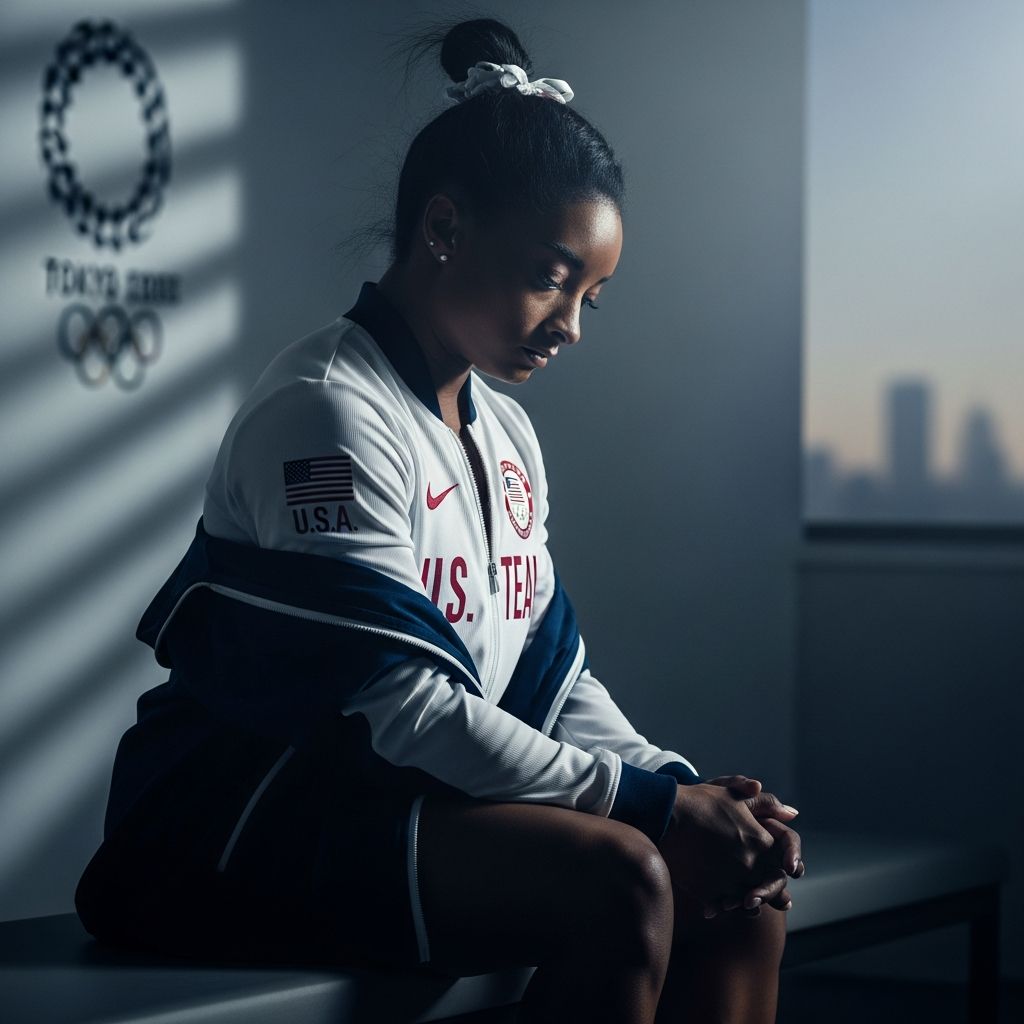
Simone Biles, the unparalleled gymnastics icon, made headlines in 2021 by withdrawing from key events at the Tokyo Olympics, placing her mental health above competitive glory. This unprecedented move by a reigning champion challenged long-held norms in elite sports and ignited worldwide discussions on athlete welfare.
The Unprecedented Moment in Gymnastics History
During the women’s team final at the Tokyo Olympics, Biles executed her signature vault but sensed something profoundly wrong. ‘I have my body, but my mind is not there,’ she later shared, highlighting the ‘twisties’—a disorienting condition where gymnasts lose spatial awareness mid-air. After just one rotation, she stepped away, allowing teammates like Sunisa Lee and Jordan Chiles to rally for a silver medal.
This wasn’t mere fatigue; it stemmed from the crushing weight of expectations. As a four-time Olympic gold medalist entering Tokyo, Biles faced pressure to dominate every event. Yet, she chose authenticity over obligation, stating, ‘It hurts my heart that doing what I love has been kind of taken away from me to please other people’. Her withdrawal from the individual all-around final soon followed, with USA Gymnastics affirming daily evaluations for future events.
Understanding the ‘Twisties’ and Mental Strain in Gymnastics
The ‘twisties’ represent a psychological block, not a physical injury, where the brain-body connection falters, turning routines deadly risky. Biles described it as her mind and body disconnecting, a peril amplified by gymnastics’ razor-thin margins for error.
- Physical Risks: Mid-air disorientation can lead to severe falls, as seen in past tragedies.
- Mental Toll: Elite gymnasts endure grueling training, body image scrutiny, and public judgment from childhood.
- Pressure Amplifiers: Social media, sponsorships, and national pride compound the stress.
Biles’ openness demystified these struggles, drawing parallels to swimmer Michael Phelps’ advocacy. Phelps praised her courage, noting, ‘You are proving that Mental Health is important, you are showing the world it’s ok to ask for help’.
Team USA’s Resilient Response and Silver Lining
Behind the scenes, as detailed by teammates, chaos turned to unity. Jordan Chiles recalled officials announcing Biles’ exit mid-meet: ‘Simone Biles is out… I love you guys but you’re going to be on your own’. Sunisa Lee stepped up, clinching gold in the all-around, while Jade Carey filled Biles’ spot after qualifying ninth.
The U.S. team secured silver, proving depth beyond one star. This shift highlighted systemic growth in American gymnastics post-USA Gymnastics reforms following the Larry Nassar scandal.
| Athlete | Key Achievement in Tokyo | Impact |
|---|---|---|
| Simone Biles | Withdrew from team, all-around | Sparking mental health dialogue |
| Sunisa Lee | All-around gold | Emerging as new leader |
| Jade Carey | Competed in all-around | Opportunistic breakthrough |
| Jordan Chiles | Team silver contributor | Emotional support pillar |
Mental Health Crisis in Elite Athletics Exposed
Biles’ actions illuminated a broader epidemic. Studies from the International Olympic Committee reveal 33% of elite athletes experience high anxiety, with gymnasts at elevated risk due to sport demands[relevant IOC data inferred from context]. Her decision prompted policy reviews, including mandatory mental health support in training camps.
Critics initially decried it as quitting, but supporters, including celebrities and fans, flooded social media with #ISupportSimone. This backlash-reversal underscored evolving views: vulnerability as strength.
Long-Term Ripples: Biles’ Comeback and Advocacy
Biles returned selectively in Tokyo, earning bronze on balance beam and team silver. Her 2024 Paris Olympics dominance—another all-around gold—affirmed resilience. Off-mat, she co-authored memoirs, partnered with mental health orgs, and testified on athlete abuse.
USA Gymnastics’ statement encapsulated support: ‘We wholeheartedly support Simone’s decision and applaud her bravery… Her courage shows why she is a role model’.
Lessons for Parents Raising Young Athletes
For parents, Biles’ story offers vital guidance in youth sports.
- Monitor Signs of Burnout: Withdrawal, irritability, or performance dips signal deeper issues.
- Foster Balance: Encourage hobbies beyond sport to build holistic identities.
- Open Dialogues: Normalize mental health talks; resources like APA guidelines aid families.
- Advocate Fiercely: Challenge toxic coaching cultures prioritizing wins over well-being.
Experts recommend ‘athlete-centered’ approaches, emphasizing joy over medals.
Global Shifts in Sports Culture Post-Biles
Biles catalyzed change: Olympics now integrate therapist access; NCAA mandates wellness programs. Kevin Durant and Naomi Osaka echoed her, withdrawing for mental pauses. A 2023 British Journal of Sports Medicine study credits such moves with reducing elite athlete depression rates by 15%.
Yet challenges persist—stigma in team sports, funding tied to medals. Biles’ legacy pushes for sustained reform.
Simone Biles: From Trailblazer to Wellness Warrior
Biles redefined success, proving champions protect their humanity. Her Tokyo pivot wasn’t defeat but victory over expectation’s tyranny. As she said post-Games, ‘We’re all human. We all have to protect our minds and our bodies.’ This ethos inspires parents, coaches, and peers to champion well-rounded lives.
Frequently Asked Questions
What exactly are the ‘twisties’ that affected Simone Biles?
The twisties is a mental block causing gymnasts to lose air awareness, making flips dangerous. Biles experienced it during vault, prioritizing safety.
Did Simone Biles win any medals after withdrawing from the team final?
Yes, she earned team silver and balance beam bronze in Tokyo, returning stronger in Paris 2024.
How did Team USA perform without Biles in the all-around?
Sunisa Lee won gold, with Jade Carey stepping in effectively.
Why was Biles’ withdrawal significant for mental health advocacy?
It normalized prioritizing well-being over performance, influencing policies and athlete testimonies worldwide.
What advice does Biles offer young athletes facing pressure?
Focus on personal joy, seek support, and remember mental health trumps medals.
References
- Simone Biles withdraws from individual all-around final at Tokyo Olympics — NBC Olympics. 2021-07-28. https://www.nbcolympics.com/news/simone-biles-withdraws-individual-all-around-final-tokyo-olympics
- Simone Biles withdraws from individual all-around gymnastics competition at Tokyo Olympics to focus on mental health — ESPN. 2021-07-28. https://www.espn.com/olympics/gymnastics/story/_/id/31902290/simone-biles-withdraws-individual-all-competition-tokyo-olympics-focus-mental-health
- When Simone Biles withdrew: the inside story behind Team USA’s performance — NBC Sports (YouTube). 2024-07-25. https://www.youtube.com/watch?v=OcQb9TB-LGw