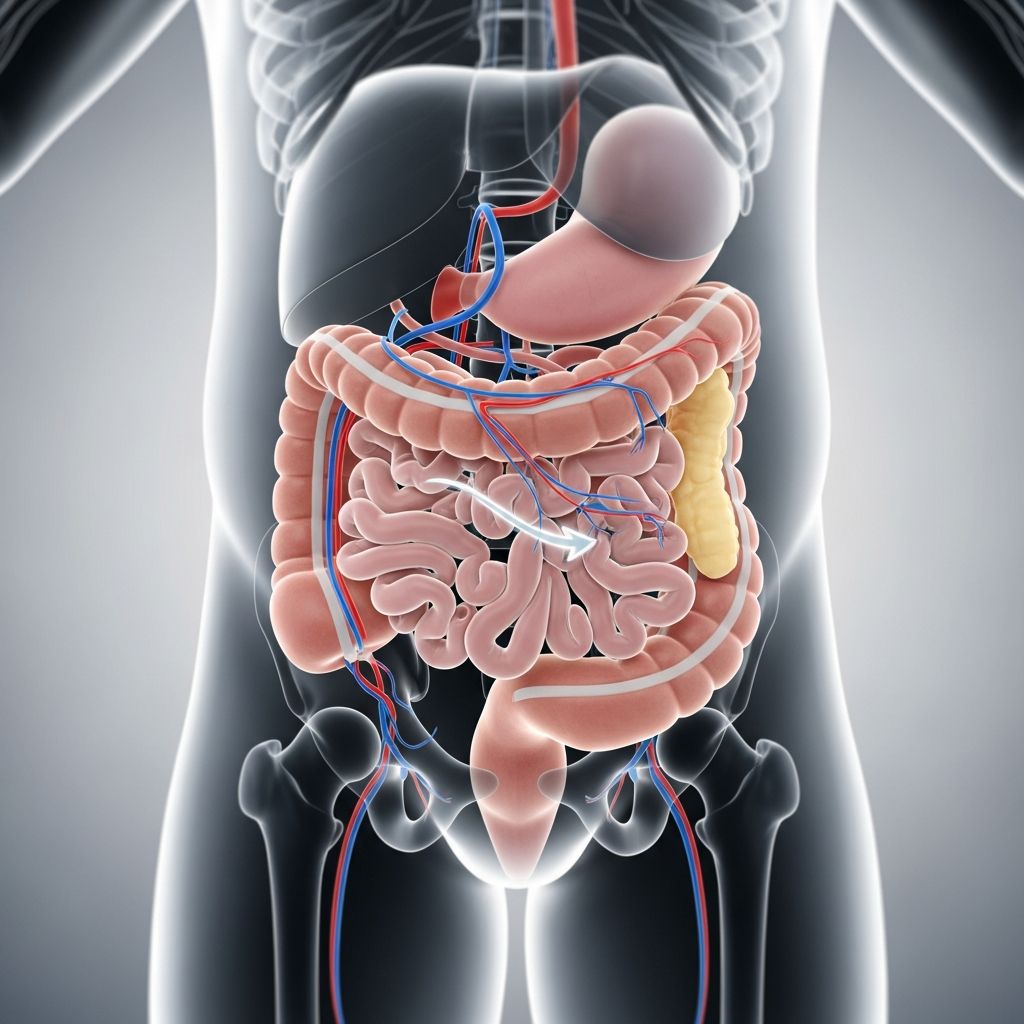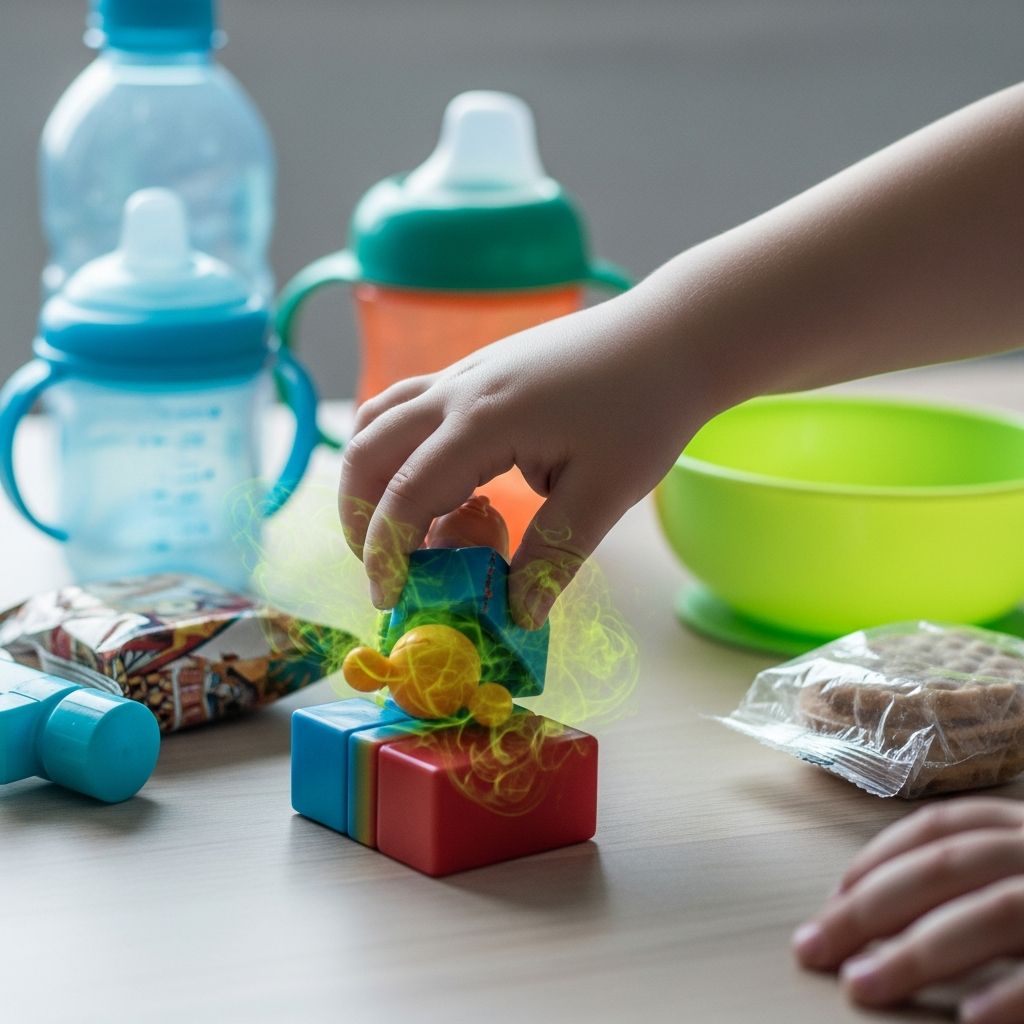
Everyday items like toys, food containers, and bottles expose children to dangerous chemicals leaching from plastics, increasing risks of obesity, infertility, developmental disorders, and more. Scientific reviews confirm these threats persist from fetal development into adulthood, urging parents to act now.
Why Children Face Greater Risks from Plastic Chemicals
Children’s developing bodies make them uniquely vulnerable to plastic additives. They breathe, eat, and drink more per body weight than adults, amplifying chemical intake. Small size means even low doses hit harder, disrupting hormone systems, brain growth, and organ function.
- Higher hand-to-mouth activity in toddlers boosts ingestion of microplastics and additives from toys.
- Pregnant women pass chemicals to fetuses via placenta, setting stage for lifelong issues.
- Immature detoxification pathways in kids fail to clear toxins efficiently.
Over 16,000 chemicals in plastics include endocrine disruptors that mimic hormones, leading to cascading health effects.
Key Culprits: Phthalates, Bisphenols, and PFAS
Phthalates soften plastics in toys and packaging; bisphenols like BPA harden them in bottles; PFAS make items water-resistant. These enter bodies via skin, inhalation, ingestion, and even breast milk.
| Chemical | Common Uses | Health Impacts on Children |
|---|---|---|
| Phthalates | Toys, food wraps, cosmetics | ADHD, infertility, preterm birth, low sperm count |
| BPA (Bisphenol A) | Bottles, cans, receipts | Obesity, early puberty, lower IQ, hyperactivity |
| PFAS | Waterproof gear, non-stick cookware | Asthma, immune issues, heart disease |
Detection in 90%+ of U.S. urine samples shows ubiquity, with children of color and low-income families facing disproportionate burdens from polluted environments.
Long-Term Consequences: From Birth to Adulthood
Early exposure reprograms genes and metabolism, raising lifetime disease odds. Heart disease, cancers, reproductive failures trace back to childhood plastics contact.
- Neurodevelopmental: Autism links, ADHD, IQ drops by 5-10 points in high-exposure groups.
- Metabolic: Obesity surges via fat-cell changes; diabetes risks climb.
- Reproductive: Genital defects, undescended testes, miscarriages in exposed pregnancies.
- Respiratory/Immune: Asthma exacerbations, weakened vaccine responses.
U.S. costs hit $250 billion yearly for related treatments, per expert estimates.
Plastics Throughout the Lifecycle: A Full Threat Chain
Dangers span extraction to disposal. Fossil fuel mining releases VOCs; manufacturing spews BPA, phthalates; use leaches via heat; incineration adds dioxins.
Microplastics—tiny fragments from breakdown—invade bloodstreams, organs. Children mouth toys, inhale dust, drink contaminated water, compounding risks.
Practical Strategies to Cut Exposure at Home
Parents can slash risks affordably without lifestyle overhauls. Prioritize glass, steel, wood alternatives.
- Swap plastic bottles/sippers for stainless steel or glass.
- Never microwave plastics; use ceramic/wood.
- Avoid recycling codes #3 (PVC), #6 (styrene), #7 (unless BPA-free).
- Choose fresh foods over packaged; skip canned goods with linings.
- Hand-wash plastics if unavoidable; replace scratched items.
- Use natural-fiber toys; check for phthalate-free labels.
- Filter tap water to remove microplastics/PFAS.
For babies: Breastfeed if possible (lower chemical transfer vs. formula bottles); cloth diapers over disposables.
School and Community Actions for Broader Protection
Beyond home, advocate changes. EPA advisors urge phasing non-essential plastics, stricter regs on additives.
- Push schools for metal water stations, wooden play gear.
- Support bans on PVC in kids’ products.
- Join plastic treaty efforts stalled by industry.
Industry Pushback vs. Scientific Consensus
Some claim insufficient proof, citing lab limits and low doses. Yet, consensus from EPA panels, Lancet reviews affirms harms, especially cumulatively.
“The science is clear that plastic pollution can harm children’s health and raise risks of developmental disabilities, birth defects, cancers.”
Frequently Asked Questions
Are all plastics dangerous for kids?
No, but #3, #6, #7 pose highest risks due to phthalates, styrene, BPA. Opt for #2, #4, #5 safer short-term.
Can heating plastics really release toxins?
Yes, heat breaks bonds, leaching chemicals rapidly. Microwaving or dishwashing accelerates this.
How do microplastics affect children specifically?
Higher ingestion/inhalation rates lead to early birth, behavior issues, organ accumulation.
Is BPA really banned in baby products?
U.S. banned in bottles/sippers since 2012, but lingers in other items like cans.
What about recycling—does it make plastics safe?
Recycling spreads contaminants; better to refuse single-use plastics altogether.
Building a Plastic-Free Future for Families
Reducing plastics protects current and future generations. Small swaps yield big gains: healthier kids, lower medical bills, cleaner planet. Stay informed via trusted health orgs.
References
- Childhood Exposure to Plastic Raises Lifetime Health Risks — Yale Environment 360. 2024-10-15. https://e360.yale.edu/digest/plastic-exposure-children
- EPA panel warns plastics threaten kids’ health — The New Lede. 2025-11-01. https://www.thenewlede.org/2025/11/epa-childrens-health-plastic-pollution/
- Plastics & Plastic Toys — UC Davis Health. 2014-07-01. https://health.ucdavis.edu/media-resources/mind-institute/documents/pdfs/Plastics_and_Plastic_Toys_7_14.pdf
- The health risks from plastics almost nobody knows about — Penn PRC CEH. N/A. https://prcceh.upenn.edu/the-health-risks-from-plastics-almost-nobody-knows-about/
- The Problem with Plastics: Understanding Its Impact on Children’s Health — APIM. 2025-04-22. https://apim.org/the-problem-with-plastics-understanding-its-impact-on-childrens-health/
- Microplastics — Boston Children’s Hospital. N/A. https://www.childrenshospital.org/services/pediatric-environmental-health-center/patient-resources/microplastics