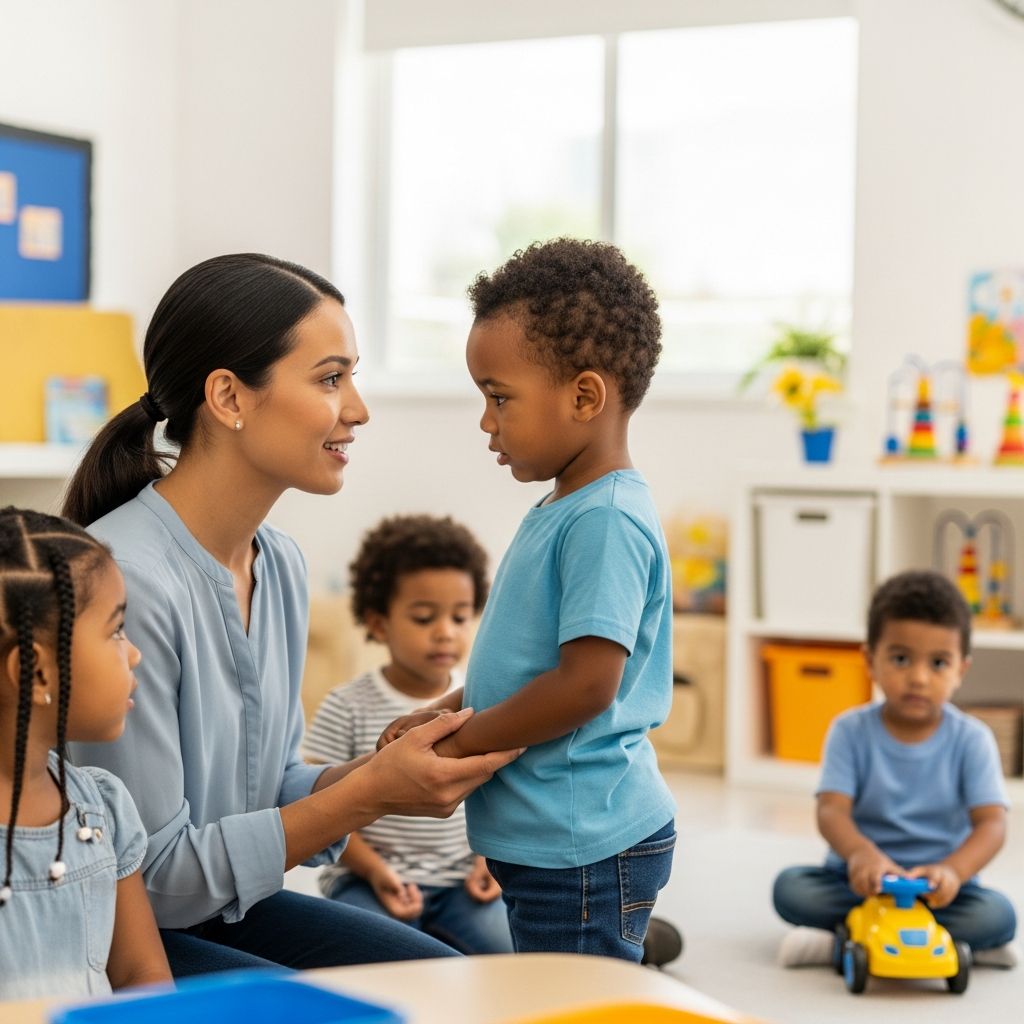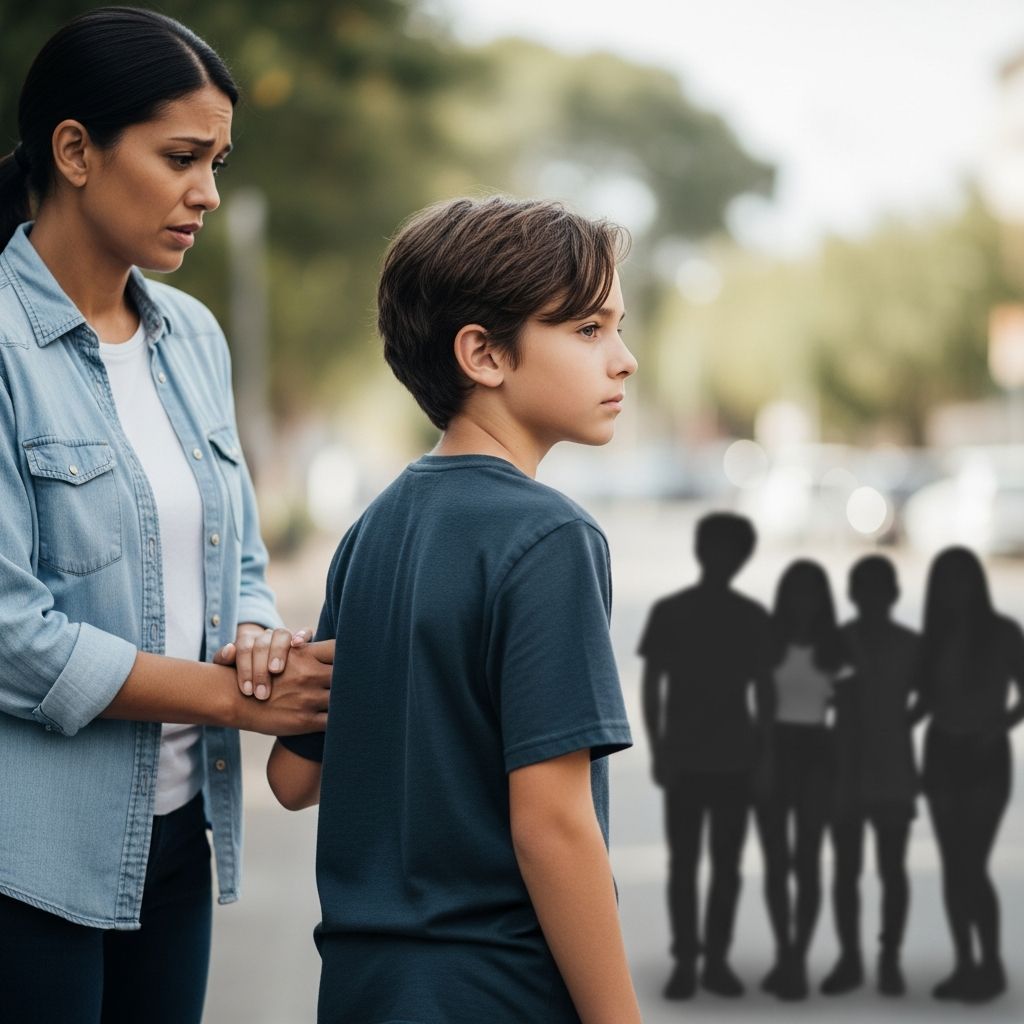
Parenting involves countless decisions, but few are as emotionally charged as watching your child gravitate toward a friend who seems like a bad influence. These situations test your instincts to protect while fostering independence. This guide draws from child development principles to help you discern when to step in, how to build your child’s social resilience, and strategies for nurturing positive peer relationships.
Understanding the Impact of Peer Influences on Child Development
Peers play a pivotal role in a child’s emotional and social growth, often rivaling parental influence during school years. Research from the American Psychological Association highlights that positive friendships enhance self-esteem and social skills, while negative ones can lead to risky behaviors or emotional distress.
Children learn empathy, conflict resolution, and self-control through interactions. However, a friend exhibiting bullying, dishonesty, or defiance can model undesirable traits. Parents must recognize signs like sudden changes in behavior, secrecy, or declining academic performance, which may signal a problematic association.
- Emotional shifts: Increased anxiety, withdrawal, or unexplained anger.
- Behavioral changes: Skipping activities, lying, or mimicking poor habits.
- Social isolation: Ditching other friends for one dominant peer.
Addressing these early prevents escalation. The key is observing without jumping to ban friendships outright, as outright prohibition can breed rebellion.
Assessing the Situation: Is It Truly a Bad Influence?
Before acting, evaluate objectively. What specific behaviors concern you? Is the friend rude, manipulative, or encouraging rule-breaking? Family counselor Maryann Davis emphasizes prioritizing worries like bullying or manipulation over vague discomfort.
Consider context: A child from a challenging home might act out due to unmet needs, not inherent malice. Engage your child in open discussions to understand dynamics. Ask: “What do you like about spending time with them? How do you feel afterward?” This reveals if the friendship boosts or drains them.
| Positive Friendship Signs | Warning Signs of Bad Influence |
|---|---|
| Mutual respect and fun | One-sided control or criticism |
| Encourages good choices | Pressures into risks or secrecy |
| Child feels energized | Child seems drained or defensive |
Use this table to reflect. If red flags dominate, proceed to guidance strategies without immediate bans.
Building Your Child’s Social Skills for Healthy Friendships
Empowerment starts at home. Sue Atkins, parenting coach, stresses developing conversational, interpersonal, and emotional control skills, which research links to better peer acceptance. Authoritative parenting—warm yet firm—yields self-reliant kids who attract positive friends.
Mastering Emotional Self-Control
Be an emotion coach. Discuss feelings sympathetically: “It sounds frustrating when they exclude you. What could you say next time?” This builds self-regulation, reducing aggression and improving likability.
Polite Conversation Techniques
Teach “give and take”: Smile, maintain open posture, share briefly, then ask questions. Practice avoiding “conversation hogging” by listening actively. Role-play scenarios: “Pretend I’m your friend—how would you invite me to play?”.
Balancing Competition and Cooperation
Opt for cooperative games over competitive ones during playdates to foster teamwork. Hide solitary toys or those sparking fights. Encourage diverse friendships to avoid over-reliance on one peer.
Model these at home. Playdates become teaching labs: Observe, gently coach without disrupting.
Effective Communication: Talking to Your Child About Friends
Open dialogue is foundational. Sproutable recommends role-playing conflicts: Act out scenarios with your child or siblings using toys for low-stakes practice. This uncovers issues and builds assertiveness.
Listen without judgment: “Tell me more about what happened with your friend.” Validate feelings: “It’s okay to feel upset.” Then problem-solve: Share age-appropriate stories from your life to normalize challenges.
Get to know the friends. Invite them over, chat casually about school. This builds trust, allowing subtle insights into dynamics without interference. Set clear expectations: “Friends should make you feel good and safe.”
When and How to Set Boundaries Without Banning Friendships
Intervention doesn’t mean isolation. Today’s Parent experts suggest limiting one-on-one time, favoring group settings to dilute negativity.
- Group play: Arrange activities with multiple kids.
- Supervised hangs: Host at your home for oversight.
- Assertiveness training: Use ‘I’ statements: “I don’t like when you call me names—please stop.” Role-play responses.
If issues persist, reduce exposure. Involve teachers or the other parents diplomatically. Teach parallel play: Coexist without forced interaction, like reading nearby.
Recognizing When to Take Stronger Action
Not all friendships merit saving. If the peer involves bullying, substance exposure, or harm, prioritize safety. Good Inside advises focusing on flexibility, empathy, and self-confidence to weather problems.
Signs for intervention: Persistent emotional drain, physical risks, or refusal to discuss. Validate ending ties: “It’s brave to choose friends who treat you well.” Provide extra support during transitions.
Monitor without micromanaging. The Center for Psychological and Behavioral Health urges knowing friends and communicating expectations clearly.
Fostering a Wide Circle of Positive Peers
Diversify social options. Enroll in clubs, sports, or classes matching interests. Host inclusive playdates. Help discern good friends: “True friends show respect, listen, and care.”.
Encourage inclusivity: If excluded, suggest alternatives gracefully. This builds resilience.
Common Challenges and Solutions
Challenges arise:
- Rebellion: Banning backfires—guide instead.
- Frenemies: Coach boundary-setting.
- Best friend dependency: Promote group bonds.
Frequently Asked Questions (FAQs)
What if my child insists the friend is fine?
Respect their view but share observations gently: “I’ve noticed you seem upset after playing. Want to talk?” Build trust for honest talks.
How do I approach the other parent?
Be collaborative: “Our kids play well together—any concerns on your end?” Avoid accusations.
Is it okay to forbid the friendship?
Rarely first-line; use for safety risks. Focus on skill-building for self-selection of better peers.
How young is too young for this worry?
Preschool onward, as peers shape behavior early. Start with basic sharing lessons.
What if it’s bullying?
Act immediately: Document, inform school, limit contact. Prioritize emotional safety.
Navigating these dynamics equips children for life. Your guidance sows seeds for discerning adults.
References
- How to help kids with friendship – Sue Atkins The Parenting Coach — Sue Atkins Parenting Coach. 2024-06. https://sueatkinsparentingcoach.com/2024/06/kids-make-friends/
- How Involved Should You Be In Your Child’s Friendships? — Scary Mommy. N/A. https://www.scarymommy.com/parenting/should-you-interfere-in-childs-friendships
- Talking to kids about friendships — Sproutable. N/A. https://www.besproutable.com/talking-to-kids-about-friendships/
- Mean kids: How to deal with frenemies — Today’s Parent. N/A. https://www.todaysparent.com/kids/school-age/mean-kids-how-to-deal-with-frenemies/
- What to Do When Kids Face Friendship Problems — Good Inside. N/A. https://www.goodinside.com/blog/what-to-do-when-kids-face-friendship-problems/
- How to help kids navigate friendships and peer relationships — American Psychological Association. N/A. https://www.apa.org/topics/parenting/navigating-friendships
- Friends Are Important: Tips for Parents — Center for Psychological & Behavioral Health. N/A. https://www.cptriad.com/growth/Friends-Are-ImportantTips-for-Parents