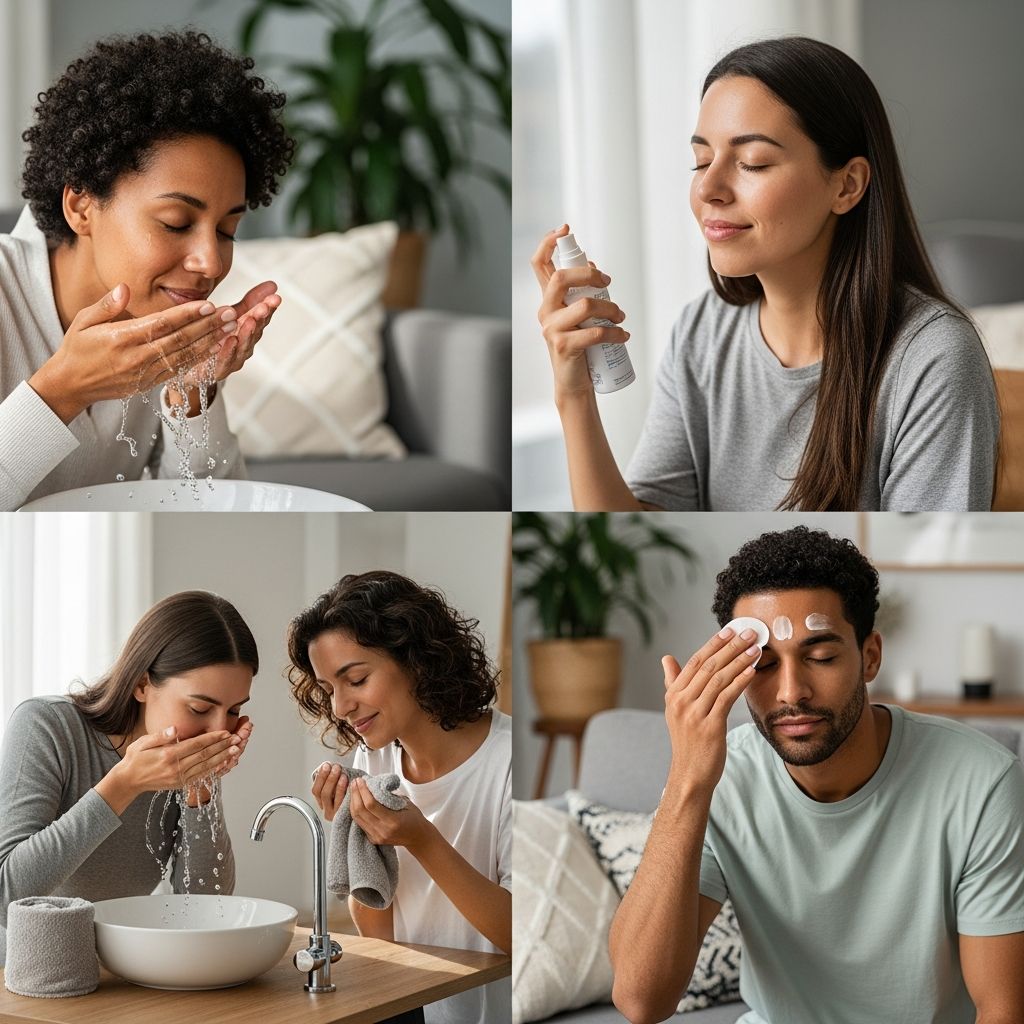
Power naps can transform a chaotic day, but what they do to your skin depends heavily on what is already on your face when you lie down. Understanding when you truly need to wash and when you can cut corners helps protect your skin without destroying your schedule.
Why Naps Matter for Your Skin
Short bursts of sleep are not just about feeling less tired; your skin also benefits when your body briefly shifts into repair mode. During any period of rest, even a 20–30 minute nap, blood flow to the skin improves and stress hormones begin to drop, both of which can support a healthier complexion over time.
The problem is that naps usually happen spontaneously, at odd times, and often when you are still wearing makeup, sunscreen, or sweat from the day. The real skincare question is not whether naps are good or bad, but what is on your face when your head hits the pillow.
The Core Question: Wash or Not Before a Nap?
There is no single universal rule, but there are simple guidelines that work for most people. Whether you should wash your face before a nap depends on three major factors: what is on your skin, how long you will sleep, and how sensitive or acne-prone your skin is.
Thinking in terms of quick decision rules makes the choice easier in real life instead of trying to follow a rigid, unrealistic skincare script.
Quick Decision Cheat Sheet
- Heavy makeup + long nap (over 30–40 minutes): Ideally wash or at least thoroughly remove makeup.
- Light or no makeup + short nap (under 30 minutes): You can usually skip a full cleanse.
- Very acne-prone or sensitive skin: When possible, err on the side of cleansing before lying down.
- Napping on clean pillowcases with a bare face: Lowest risk and most skin-friendly scenario.
What Happens When You Nap with Makeup On?
When you nap with makeup, sunscreen, oil, and pollution still on your skin, all of it mixes with sweat and sebum while your face presses into your pillow. The mechanical friction combined with trapped debris can gradually contribute to clogged pores and irritation if it becomes a daily habit.
For a one-off emergency nap, the impact is usually minor, but repeated naps in full makeup can slowly worsen congestion around pressure areas such as the cheeks, chin, and sides of the nose.
| Condition | Short Nap (≤ 30 min) | Long Nap (≥ 60 min) |
|---|---|---|
| Full-coverage foundation + powder | Low to moderate risk of pore congestion if done occasionally. | Higher chance of clogged pores and dullness if repeated often. |
| Light tinted moisturizer + sunscreen | Usually tolerated well by most skin types. | Can contribute to buildup over time, especially in oily or acne-prone skin. |
| Only skincare, no makeup | Generally safe and low-risk. | Usually fine as long as products are non-comedogenic and appropriate for your skin type. |
| Dirty pillowcase + heavy makeup | Moderate risk of irritation in breakout-prone zones. | Highest risk scenario for breakouts and redness. |
Skin Type–Specific Advice
Your skin type heavily influences how strict you need to be about washing your face before a nap. People with resilient, normal skin can often be more flexible than those who deal with breakouts or rosacea on a regular basis.
Use the guidance below as a framework and then adjust based on how your own skin reacts over time.
Oily or Acne-Prone Skin
- Make washing or at least using a gentle makeup remover a priority when you plan to nap for more than 20–30 minutes.
- Avoid napping in full-coverage foundation or heavy, occlusive creams, especially on already congested areas.
- Blot excess oil with oil-absorbing sheets if you truly cannot cleanse before a quick rest.
Dry or Dehydrated Skin
- Cleansing too often can strip moisture, so reserve full washing for longer naps or when you feel genuinely sweaty or dirty.
- If you remove makeup, follow with a hydrating mist and a light moisturizer before lying down.
- Consider a soft, breathable pillowcase fabric (like cotton or bamboo) to reduce friction and dryness.
Sensitive or Reactive Skin
- Limit rubbing and friction on the face by choosing smoother pillowcases and avoiding napping face-down.
- If fragrances or certain ingredients tend to irritate you, be more diligent about cleansing before your nap so products are not pressed deeper into the skin.
- Use a fragrance-free, gentle cleanser for any pre-nap wash so you do not over-stress your barrier.
Simple Pre-Nap Skincare Routines for Real Life
Not every nap happens under perfect conditions with time for a spa-level cleanse, especially for parents, shift workers, or anyone who catches rest in small windows. Building realistic mini-routines for different situations helps you treat your skin well without losing precious minutes of sleep.
The routines below are modular: pick the version that matches how much time, energy, and skincare access you have in the moment.
60-Second Bathroom Break Routine
Use this option when you have one minute to spare and a sink within reach.
- Apply a gentle cleanser or use a micellar water on a reusable cotton pad to remove surface makeup and sunscreen.
- Rinse or wipe thoroughly around high-friction areas such as cheeks, jawline, and nose.
- Pat on a light, non-greasy moisturizer if your skin feels tight.
2–3 Minute Reset Routine
Reserve this for longer naps or when your face feels coated in sweat, city pollution, or heavy cosmetics.
- Double cleanse if you are wearing full-coverage makeup: an oil-based remover followed by a water-based gentle wash.
- Gently pat skin dry with a clean towel instead of rubbing.
- Apply a simple hydrating serum or moisturizer; avoid strong active ingredients right before lying down.
The Desk or Couch Emergency Routine
Sometimes sleep happens where you are: at a desk, on a sofa, or on a play mat with a toddler. In those moments, portability matters more than perfection.
- Keep a small pouch with facial wipes, oil-blotting sheets, and a basic moisturizer or sunscreen.
- If a full clean is impossible, at least remove base makeup from the lower half of your face where it will touch cushions or your arm.
- Try to keep your head on a relatively clean surface such as a folded scarf, cardigan, or dedicated travel pillow.
Protecting Your Pillowcase and Bedding
Even the best cleansing routine loses effectiveness if you constantly press your face into a pillowcase coated with yesterday’s products, sweat, and oils. Clean bedding is an underrated part of good skincare hygiene, especially for regular nappers.
Rotating pillowcases more frequently than full sheet sets can be an easy way to keep the fabric that touches your face feeling fresh without adding extra laundry loads every day.
Helpful Bedding Habits
- Keep two or three pillowcases in rotation and swap them out every few days or after particularly sweaty naps.
- Consider a smooth, low-friction fabric like cotton sateen, bamboo, or silk for reduced tugging on your skin.
- If you regularly nap on the couch, designate a specific clean throw or small pillow as your “face-safe” napping spot.
Parents, Caregivers, and the Reality of Exhaustion
For new parents, caregivers, or anyone surviving on fractured sleep, the choice often feels like a trade-off: wash your face or close your eyes while the baby sleeps. In those seasons of life, skincare needs to support you, not become another demand on a long to-do list.
Instead of chasing a perfect routine, aim for a flexible system: do the best version you reasonably can most of the time and allow imperfect days without guilt.
Low-Energy Skincare Strategies
- Place a small caddy with cleanser, micellar water, and a soft towel close to where you often nap so you do not have to trek across the house.
- Pre-decide one or two non-negotiable steps (for example, removing mascara and foundation) and let everything else be optional.
- Use multi-tasking products like a gentle cleansing balm that removes makeup and lightly moisturizes in one step.
Aligning Naps with Your Main Skincare Routine
Naps become less stressful for your skin when they are integrated into your morning and evening routines rather than treated as separate emergencies. The cleaner and better-prepped your skin is overall, the less harm a spontaneous mid-afternoon doze is likely to cause.
Simple scheduling tweaks can reduce the chances that your longest nap of the day happens while you are wearing your heaviest makeup.
Ideas to Simplify Your Schedule
- If you usually nap after work, consider doing your evening cleanse as soon as you get home rather than right before bed.
- On days when you expect daytime sleep, opt for lighter base products such as a tinted moisturizer instead of layered foundation and powder.
- Keep your nighttime routine consistent so your skin barrier stays strong and more forgiving of the occasional imperfect nap situation.
Myth vs. Reality: Common Beliefs About Naps and Skin
There are many rigid rules about sleeping with makeup that do not always translate neatly to short naps. Understanding where the science ends and the scare tactics begin helps you choose routines that are both effective and sustainable.
The following table separates common beliefs from more nuanced realities so you can evaluate your own habits without unnecessary anxiety.
| Belief | Reality |
|---|---|
| “Any sleep with makeup on will destroy your skin.” | Occasional short naps in makeup are unlikely to cause major damage, but daily long naps in full coverage can contribute to breakouts and dullness over time. |
| “Washing your face too often is always bad.” | Over-washing with harsh cleansers can be irritating, but gentle, well-formulated products used appropriately are safe for most people. |
| “If you have dry skin, you should never cleanse before a nap.” | Dry skin still needs cleansing, but it benefits from milder products and an immediate follow-up moisturizer. |
| “Pillowcases do not matter; only products do.” | Bedding hygiene and fabric type play a meaningful support role in how your skin behaves, especially in areas that press into the pillow. |
Practical Packing List for Regular Nappers
If daytime sleep is part of your weekly rhythm—because of long commutes, shift work, or parenting—it can be helpful to assemble a small nap-ready kit. This makes it easier to care for your skin nearly anywhere without much thought.
You can keep this kit in a bag, desk drawer, or bedside basket and restock it as needed.
- Travel-sized gentle cleanser or micellar water.
- Reusable cotton rounds or very soft disposable pads.
- Light, non-comedogenic moisturizer or gel cream.
- Oil-blotting sheets for ultra-fast freshening when you cannot fully cleanse.
- Compact, clean fabric (scarf or small pillowcase) to lay under your cheek.
FAQs About Washing Your Face Before Naps
Is it always necessary to remove makeup before every single nap?
No. Very short naps in light makeup are usually tolerated well by many people, especially if they are not happening multiple times per day. The priority is consistency over time: frequent long naps in heavy makeup carry a higher risk than the occasional quick rest.
Can frequent pre-nap washing damage my skin barrier?
It can if you use harsh or stripping cleansers every time. Choosing a mild, pH-balanced cleanser and following with moisturizer reduces the likelihood of dryness or irritation, even if you sometimes cleanse more than twice a day.
What if I only have makeup wipes—are they enough?
Cleansing wipes are better than nothing, especially in a pinch or when sinks are not available, but they tend to leave some residue behind. When you have the option, follow with a proper cleanser at your next opportunity, particularly if you wear long-wear formulas.
Does sleeping on one side of my face during naps matter?
Pressing the same areas into a pillow repeatedly can contribute to localized breakouts or irritation over time, especially where makeup, oil, and friction all combine. Rotating positions occasionally and using a smoother pillowcase can help reduce this effect.
How can I tell if my current napping habits are hurting my skin?
Pay attention to patterns: increased congestion on one side of your face, new breakouts along the cheek that touches the pillow, or chronic redness in areas that experience the most pressure may all signal that it is time to adjust either your pre-nap cleansing or your bedding routine.
Finding a Balance Between Rest and Routine
Washing your face before every nap is ideal in theory, but life rarely fits into ideal templates. Instead of chasing a flawless record, aim for a balanced approach that respects both your skin and your need for rest.
By paying attention to what is on your face, how long you plan to sleep, and how your skin type responds, you can build a realistic nap-time skincare strategy that keeps your complexion healthier without sacrificing precious minutes of restorative sleep.