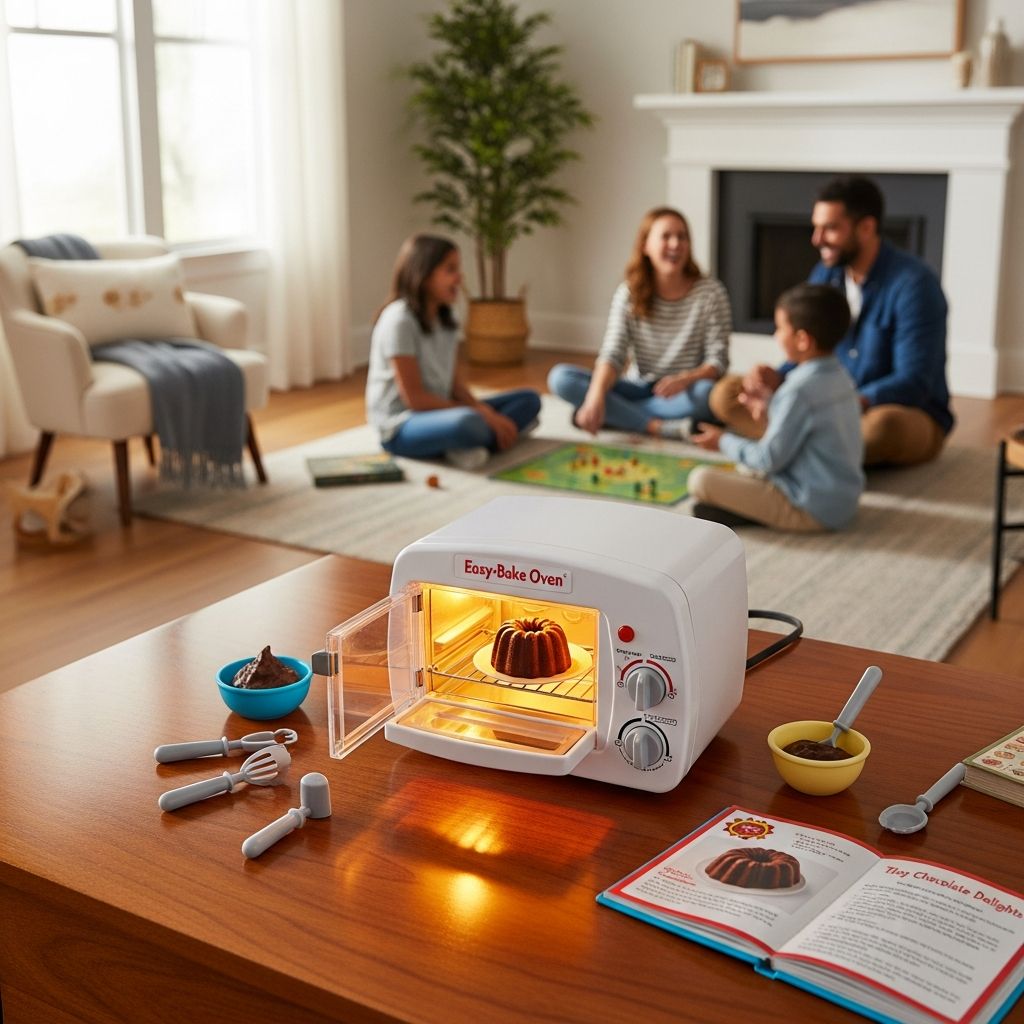
That little toy oven from childhood is more than plastic, pans, and packets of mix. Used thoughtfully, it can become a tool for connection, confidence, and creativity that follows your child from room to room, from preschooler curiosity to tween independence.
Why Mini Ovens Still Matter
In a world of tablets and endless streaming shows, a toy baking oven offers something refreshingly simple: hands-on play with a tasty reward at the end. Instead of tapping a screen, kids measure, mix, wait, and taste.
This process mirrors real cooking in a smaller, safer format. Children see cause-and-effect in action, from preheating to the moment a mini cookie slides out of the tray. Along the way, they pick up basic math, patience, and pride in their creations.
Core Benefits for Kids and Parents
Using a kid-sized oven isn’t just about tiny cakes. It touches on developmental skills that show up in school, friendships, and later independence. Parents also get a structured, low-stress way to say yes to more kid-led projects.
- Confidence: Kids see a project through from start to finish and enjoy the immediate payoff of a warm treat.
- Math and science: Measuring, timing, and understanding heat introduce early STEM concepts in everyday language.
- Responsibility: Cleaning pans, putting away mixes, and following safety rules build habits that transfer to real cooking.
- Connection: Shared baking sessions become small traditions that are easy to repeat on busy days.
Setting Ground Rules for Safety and Sanity
Before spreading mini-ovens around the house, start with clear expectations. A few simple rules can prevent frustration and mess overload, while allowing for genuine freedom and fun.
- Agree on where the oven may be plugged in and who is allowed to turn it on.
- Decide whether snacks can be eaten anywhere, or must return to the kitchen table.
- Assign one child at a time as the “baker in charge” to limit arguments in shared spaces.
- Keep oven tools separate from real kitchen tools so kids know what is theirs to manage.
Choosing the Best Room for Each Stage
Different rooms support different kinds of play. The right location depends on your child’s age, your home layout, and how closely you want to supervise. Below is a quick overview to help you decide where to start.
| Room | Best For | Supervision Level | Key Benefit |
|---|---|---|---|
| Kitchen | Young beginners and first-time use | High — adults nearby cooking | Safest place to learn basics and routines |
| Dining room | Sibling projects and family challenges | Medium — visible from other rooms | Encourages community and shared rituals |
| Playroom | Imagination-heavy pretend play | Medium — short check-ins | Blends role-play with real-life skills |
| Kids’ bedroom | Older kids, solo experiments | Low to medium — clear rules needed | Supports independence and quiet focus |
| Outdoor space | Smelly mixes, large groups, or parties | Medium — nearby but relaxed | Keeps mess and heat away from main rooms |
Kitchen Corner: The Training Ground
The kitchen is the natural first home for a toy oven. Kids see grown-ups cooking there, so it already feels like the right place to learn. A designated corner of the counter can become the “kids’ baking station,” with their tools and mixes kept within reach.
- Place the oven on a heat-safe surface away from the stove and sink splashes.
- Store mini pans, spatulas, and mixes in a clear bin labeled with your child’s name.
- Let kids help with real meal prep while they wait for their tiny treats to bake.
This setup makes it easy for an adult to glance over at the timer, help with plugging in, and coach through hand-washing and clean-up without hovering constantly.
Dining Room Lab: Family Baking Nights
The dining table offers space to spread out and include the whole family. By moving the oven here occasionally, you shift the experience from a side activity to the main event.
Consider designating a weekly “mini dessert night,” where kids handle the toy oven while adults manage the full-sized counterpart. Everyone eats at the same time, but children proudly serve the snack they made themselves.
- Lay down a wipeable tablecloth or baking mat to catch spills and sprinkles.
- Rotate roles: one child measures, another decorates, another manages the timer.
- Encourage older kids to design menus or themed plating for their creations.
Playroom Café: Imagination on the Menu
In the playroom, the oven becomes part of a bustling pretend café or bakery. Kids might take stuffed animal orders, write pretend receipts, and invent wild flavor combinations, some real, some imaginary.
To keep things manageable, consider separating “real baking time” from “pretend time.” During pretend sessions, the oven can stay unplugged while kids act out the motions. For actual baking, an adult can come in, plug it in, and supervise the warm-up and baking cycles.
- Add play money, order pads, and aprons to create a more immersive café feel.
- Use empty spice jars and clean containers as pretend ingredients to reduce waste.
- Encourage kids to name their café and design a logo or sign for the doorway.
Bedroom Projects: Quiet, Independent Baking
For older, rule-following kids, a bedroom oven session can be a peaceful, focused project. It feels special, like having a private workshop or studio, and can be a great way to unwind after school.
If you choose to allow baking in a bedroom, treat it as a privilege earned through responsibility. Clear safety guidelines and a check-in system protect both your nerves and your carpets.
- Use a small rolling cart with a heat-safe top as the bedroom baking station.
- Require that all baking sessions be requested first, with a clear start and end time.
- Keep a small trash bin and a roll of paper towels near the cart to simplify clean-up.
Outside and Patio Baking: Parties and Experiments
When the weather is pleasant, taking the oven outside can transform a normal afternoon into a mini festival. This is an ideal setup for playdates or birthday activities where several kids want a turn.
Because surfaces are often easier to hose down and crumbs attract fewer complaints outdoors, this is also a low-stress place to attempt more adventurous recipes or colorful, messy decorations.
- Set up a folding table with shade if possible, and run an extension cord safely along a wall.
- Assign each child a labeled plate or tray so treats don’t get mixed up or argued over.
- Offer simple toppings — powdered sugar, sprinkles, or chocolate chips — in small cups.
Smart Storage and Organization Tricks
A tiny oven comes with surprisingly many accessories: pans, push tools, mixes, decorating supplies, and cleaning items. Without a plan, these quickly migrate under couches and behind toy bins.
- Use a lidded plastic shoebox labeled “Baking Gear” to hold everything in one place.
- Divide the box with smaller containers for pans, utensils, and mixes.
- Store the oven itself where kids can see it, but not where toddlers can pull the cord.
- Review expiration dates on mixes every few months and rotate in new flavors.
Making Your Own Simple Mixes
Pre-packaged mixes are convenient, but they go fast. Creating your own tiny-batch mixes extends the fun and reduces costs, while giving kids a chance to understand ingredients more deeply.
Focus on simple recipes scaled down to fit the small pans: mini brownies, small sugar cookies, and basic vanilla cake batter tend to work well. Store dry ingredients in small jars or bags labeled with instructions that are easy for kids to follow.
- Pre-measure dry ingredients for several batches at once on a calm weekend.
- Write kid-friendly instructions using icons or color-coding to show steps.
- Let kids customize flavor with tiny amounts of cocoa powder, cinnamon, or colored sugar.
Building Rituals and Traditions Around Baking
The real magic of a toy oven lies in the rituals that grow around it. When kids know that Friday nights mean homemade mini-desserts or rainy Sundays mean experimental flavors, the oven becomes a cue for comfort and connection.
- Pick one recurring time each week for “tiny treat time” so expectations are clear.
- Take photos of favorite creations and compile them in a simple “family bakery” album.
- Invite grandparents or distant relatives to join virtually while kids bake and share their results on video calls.
These small rituals often become the memories kids mention years later, long after the oven itself has been passed along or packed away.
Encouraging Creativity Without Chaos
Kids love to experiment with wild combinations: cereal toppings, crushed candies, or every sprinkle in the house. Channeled wisely, this creativity leads to problem-solving and a playful sense of taste.
- Offer a limited “palette” of two or three add-ins per baking session.
- Ask kids to name their creations and describe their flavors before taking a bite.
- Keep a notebook where kids can record successful combinations to recreate later.
By setting gentle boundaries, you allow plenty of imagination while avoiding sticky countertops covered in ten different syrups.
Handling Messes, Mishaps, and Disappointments
No matter how careful everyone is, a mini oven will occasionally produce burnt edges, sunken centers, or spilled batter. Treat these moments as part of the learning process rather than failures.
- Keep a damp cloth nearby and show kids how to wipe surfaces before crumbs harden.
- Talk about what might have gone wrong: too much liquid, not enough time, or opening the tray too early.
- Emphasize that even professional bakers have off days, and that tasting attempts is still fun.
Over time, kids become more resilient and more skilled, understanding that practice and patience matter as much as the right recipe.
Frequently Asked Questions
Is a toy baking oven safe for young children?
Most models are designed with safety in mind, using enclosed heating elements and narrow slots that keep hot surfaces out of reach. Even so, young children should always bake with an adult nearby, especially when plugging in the oven or removing hot trays.
What is a good starting age?
Many families introduce the oven around age five or six, with heavy supervision at first. Younger children can participate in mixing and decorating while an older sibling or adult handles the hot parts.
Can my child use the oven in their bedroom?
javascript:;