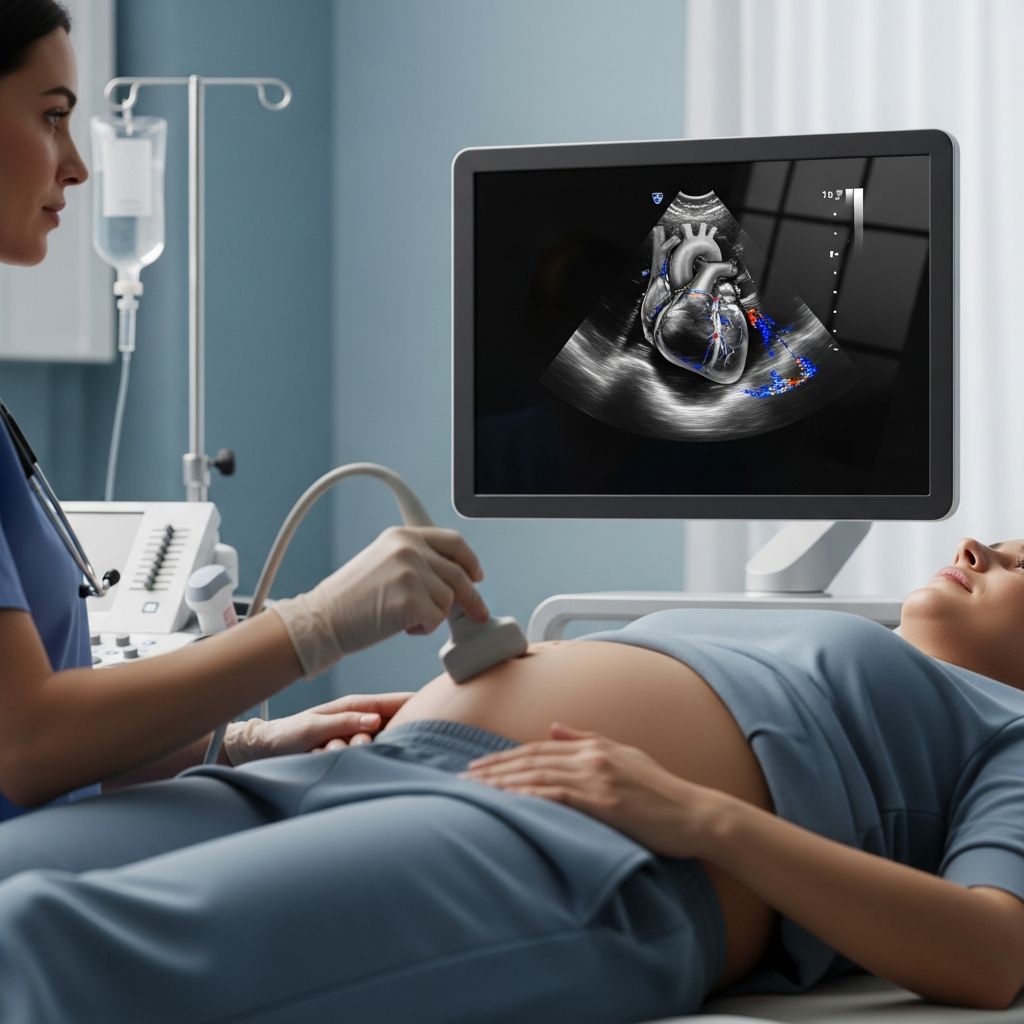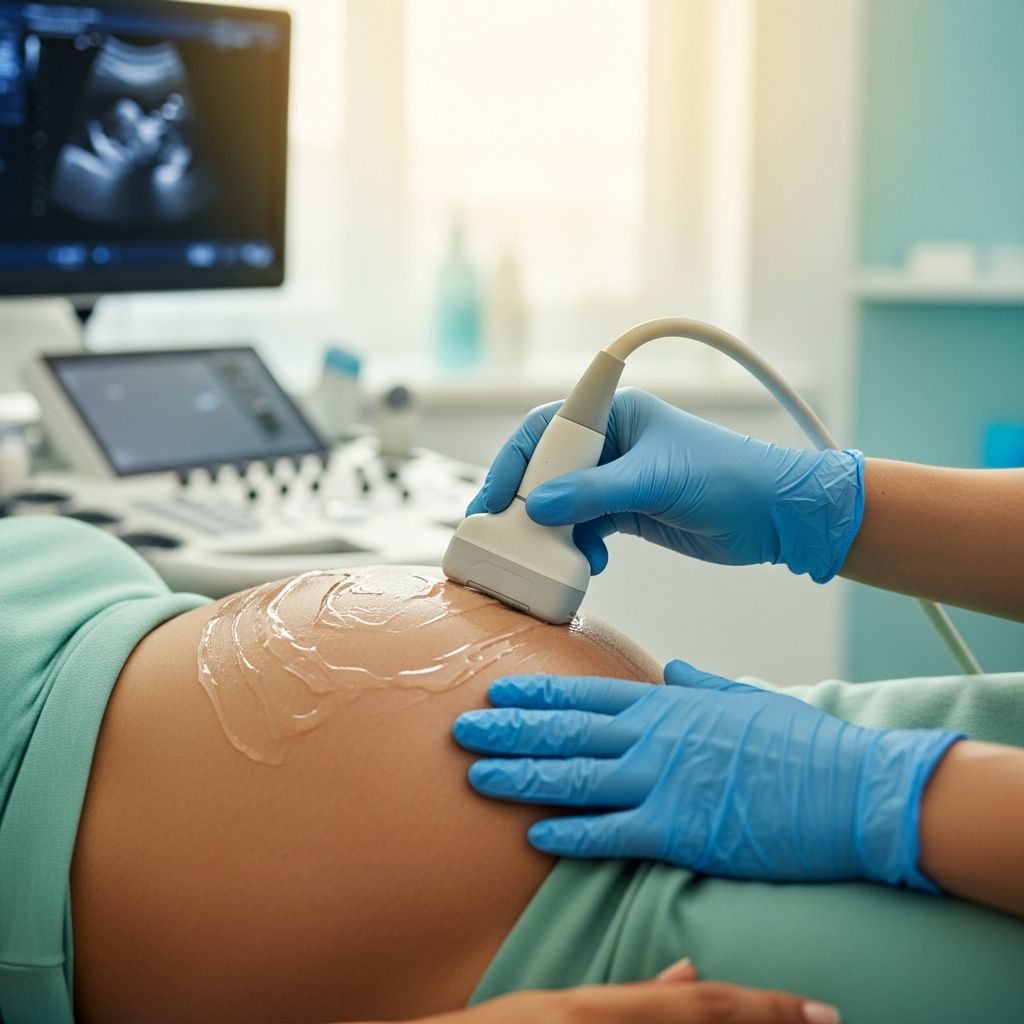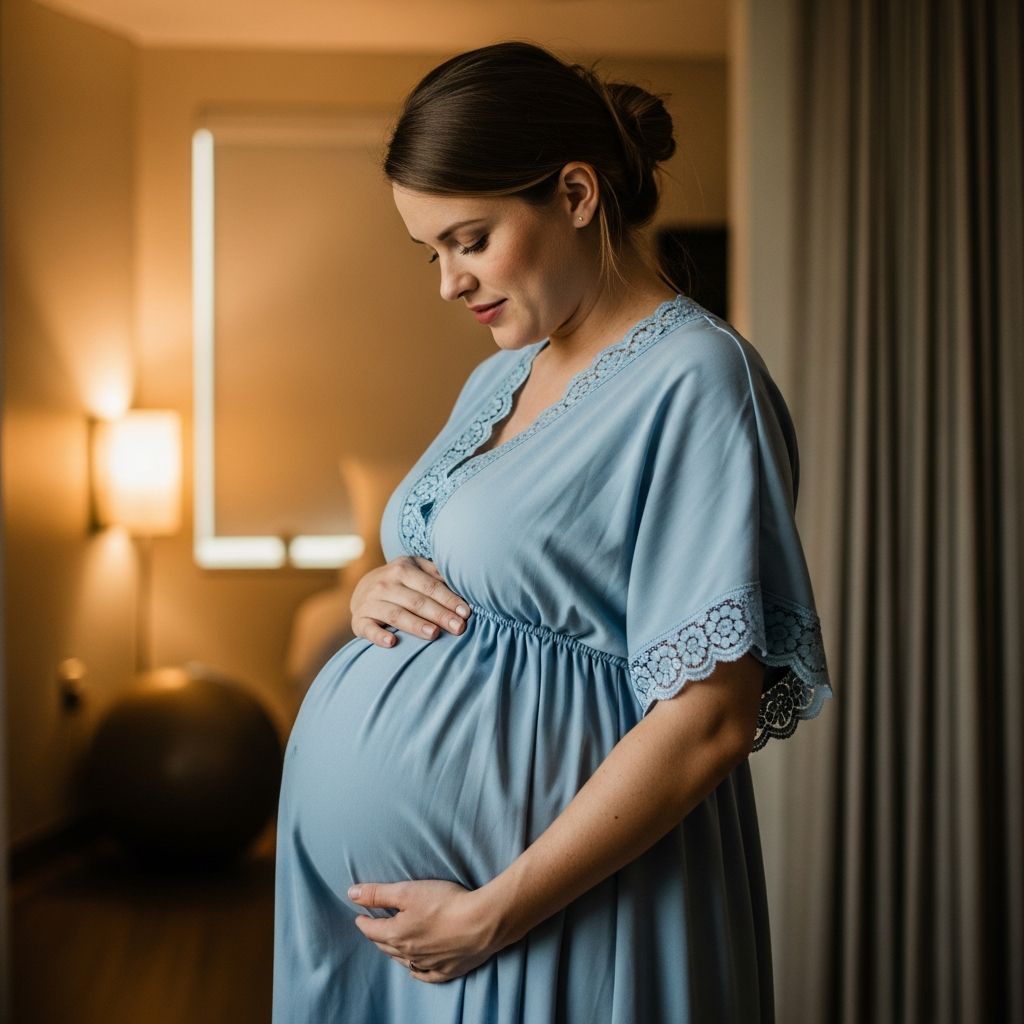
For generations, hospital birth has come with one universal accessory: the thin, open-backed hospital gown. Today, more parents are quietly changing that script by bringing their own labor gown—an option that blends medical practicality with real comfort and a sense of control. Choosing what to wear in labor may seem like a small detail, but it can have a surprisingly big effect on how you feel during birth.
Why Your Labor Outfit Matters More Than You Think
Childbirth is intense, unpredictable, and deeply personal. The way you feel in your body—whether supported, exposed, confident, or vulnerable—can shape your overall experience. While you cannot control every twist and turn of labor, you can choose what you wear, and that choice can support both your physical and emotional needs.
- Comfortable clothing can reduce distractions, irritation, and self-consciousness.
- A thoughtfully designed gown can help medical staff access what they need without making you feel completely on display.
- Wearing something that feels “like you” can create a more grounded, familiar environment in a clinical setting.
What Is a Personal Labor Gown?
A personal labor gown is any garment you bring from home to wear during labor and delivery instead of (or in addition to) the standard hospital gown. It can be a purposely designed birth gown, a nursing nightgown, or even a loose dress that happens to work well with labor and postpartum needs.
Unlike typical hospital gowns, personal labor gowns are usually made with softer fabrics, more thoughtful coverage, and openings that make it easier to monitor baby, place an IV, or start an epidural without constantly readjusting your clothing.
| Feature | Standard Hospital Gown | Personal Labor Gown |
|---|---|---|
| Fabric feel | Rough, generic material | Soft, stretchy, often breathable cotton or modal |
| Fit | One-size, boxy | Designed to fit pregnant bodies, often adjustable |
| Coverage | Open back, gaping sides | More coverage while allowing medical access |
| Nursing access | Usually requires pulling down or off | Snaps, panels, or wrap styles for easy breastfeeding |
| Postpartum use | Rarely used again | Often doubles as nursing sleepwear or loungewear |
Emotional Benefits of Bringing Your Own Gown
Birth is as emotional as it is physical. Wearing your own labor gown can feel like a quiet statement: you are a participant in your care, not just a patient. This can be especially meaningful if you have past medical trauma, anxiety, or simply want to feel more like yourself during labor.
- Sense of ownership: Choosing your gown can make you feel more involved in shaping your birth environment.
- Reduced vulnerability: Better coverage and a familiar garment may help you feel less exposed in front of rotating staff.
- Emotional comfort: Color, style, and softness can provide subtle but powerful reassurance in a high-intensity setting.
Practical Advantages During Labor and Delivery
Beyond emotional comfort, a thoughtfully chosen gown makes the logistics of labor smoother for both you and your care team. The best designs balance your privacy with easy access where it matters.
- Easy monitoring: Front panels or stretchy fabric allow access for fetal monitoring belts and handheld dopplers.
- IV and epidural access: Snap shoulders or low backs keep arms and spine reachable without fully undressing.
- Mobility: A good labor gown stays in place when you walk, squat, or change positions on the bed or birth ball.
Key Features to Look For in a Labor Gown
Your ideal labor gown will depend on your preferences, birth plan, and body type, but some features tend to be helpful for almost everyone. Use the checklist below as a guide while shopping your closet or browsing online.
Fabric and Feel
- Soft, non-itchy materials like cotton, bamboo, or modal.
- Breathable fabric that won’t trap heat during contractions.
- Enough stretch to move freely and accommodate late-pregnancy size.
Access and Openings
- Openings for the chest (snaps, zippers, or wrap design) to allow skin-to-skin contact and breastfeeding.
- Easy access to the belly for monitoring or ultrasound without removing the entire gown.
- A back that works with your preferences and potential medical needs (e.g., suitable for an epidural if you want that option).
Length and Coverage
- Knee-length or slightly longer to allow walking, squatting, and sitting without tripping.
- Secure coverage when you move—consider whether it gaps when you sit or bend.
- Modesty that matches your comfort level while still being realistic about birth-related mess.
Postpartum Usability
- Breastfeeding-friendly neckline or access points.
- Roomy fit that still works as your body changes postpartum.
- Colors and patterns you would actually wear at home after the hospital.
Types of Garments That Work Well for Labor
You do not have to buy a specialty product labeled “labor gown” for it to work beautifully during birth. Several types of garments can double as a birth outfit and a postpartum staple.
Purpose-Built Labor Gowns
These are created specifically for childbirth, often with hidden snaps, double access points, and designs that mimic the functionality of hospital gowns while looking and feeling more like regular clothing.
- Pros: Thoughtful openings in all the right places, often highly rated for comfort during delivery.
- Cons: May be more expensive, and some designs feel “too medical” or only useful for a short period.
Nursing Nightgowns or Dresses
Many nursing sleepwear pieces work extremely well for labor, especially if they are loose, stretchy, and easy to pull aside or unclip at the top.
- Pros: Double-duty for labor and months of nighttime feeds.
- Cons: May not have as many access points for equipment or epidurals.
Wrap Dresses and Stretchy Lounge Dresses
A simple wrap dress or oversized lounge dress can also work, particularly for early labor and non-medicated births where mobility is a top priority.
- Pros: Often already in your closet; easy to open for exams and skin-to-skin.
- Cons: May not be ideal for very intense or highly medicalized labors with frequent interventions.
Talking With Your Provider About Your Own Gown
Most hospitals and birth centers are comfortable with patients wearing their own clothing during labor as long as staff can perform necessary monitoring and procedures. To avoid surprises, bring it up well before your due date.
- Ask whether there are any restrictions (for example, no underwire bras in operating rooms).
- Confirm that your gown’s design will allow for continuous monitoring if needed.
- Let your nurse know upon admission that you plan to wear your own gown so they can help you adjust equipment around it.
How Many Gowns Do You Need?
Labor and birth are messy, and what you wear may get stained with fluids, blood, or breast milk. It is practical to bring more than one option if you have room in your bag.
- One gown for active labor: Something you do not mind getting very messy.
- One fresh gown or robe for postpartum: A clean option for early photos and those first hours getting to know your baby.
- A backup outfit: Leggings, a nursing tank, or a second nightgown in case your first choice becomes uncomfortable.
Packing and Preparing Your Labor Gown
Once you have chosen your gown, a little preparation makes using it at the hospital or birth center much smoother. Treat it like an essential piece of gear, not an afterthought stuffed in at the last minute.
- Wash it in advance: Use a gentle detergent without heavy fragrance if you are sensitive to smells in labor.
- Test it at home: Try sitting, squatting, leaning over a birth ball, and lying on your side to see how it moves and covers you.
- Pack it near the top: Place it where you or your support person can reach it as soon as you get settled in your room.
- Bring a small laundry bag: That way anything that gets very messy can be contained and washed at home without contaminating the rest of your bag.
Styling Your Labor Look (Within Reason)
Birth is not a fashion show, but it is also a major life event that will be photographed and remembered. If appearance matters to you, it is fine to spend a bit of energy on details that make you feel more put together—as long as comfort and safety stay at the top of the list.
- Choose colors or patterns that make you feel calm or happy.
- Consider how the gown will look in photos with your baby and partner.
- Add small touches like cozy socks, a soft robe, or a simple hair tie to keep hair off your face.
Using Your Gown After Birth
One major advantage of bringing your own labor gown is that it rarely becomes a single-use item. Many people continue wearing their gown during their hospital stay and for weeks or months at home.
- It can function as your primary breastfeeding nightgown during the newborn phase.
- If it is particularly soft and forgiving, it may become your go-to outfit for skin-to-skin contact and daytime naps.
- Some parents keep their birth gown as a sentimental item, just as others save a coming-home outfit for their baby.
Checklist: Is This a Good Labor Gown?
Use this quick checklist to evaluate any garment you are thinking about wearing during labor:
- Does it allow easy access to your chest for skin-to-skin and feeding?
- Can nurses access your belly for monitoring without removing the whole garment?
- Does it stay in place when you walk, bend, or lean forward?
- Is the fabric soft and breathable enough for long hours of wear?
- Would you still enjoy wearing it for postpartum recovery at home?
Potential Drawbacks and How to Handle Them
Bringing your own labor gown is not a requirement and it is not the right choice for everyone. Being aware of possible downsides can help you decide whether it is worth it for you.
- It may get ruined: Birth can leave permanent stains. If that would upset you, choose something you like but do not consider irreplaceable.
- You may still switch to a hospital gown: In sudden emergencies or surgical situations, staff may prefer or require standard gowns.
- Extra laundry: You will have one more item to wash after discharge, which may or may not feel worth it in the haze of newborn life.
Sample Hospital Bag Section for Clothing
If you like to see things laid out clearly, this simple list can help you organize the clothing portion of your hospital bag with your labor gown in mind.
- 1–2 personal labor gowns or nightgowns
- 1 cozy robe or cardigan
- 2–3 pairs of non-slip socks
- 1–2 nursing bras or bralettes (no underwire if possible)
- Loose going-home outfit (think soft pants or leggings and a roomy top)
Frequently Asked Questions About Bringing Your Own Labor Gown
Do hospitals really allow personal labor gowns?
Many hospitals and birth centers do allow patients to wear their own clothing during labor as long as it does not interfere with monitoring, IVs, or emergency access. Policies differ, though, so it is always wise to ask your provider or call the labor and delivery unit in advance.
Will staff be annoyed if I bring my own gown?
Most nurses are used to patients having preferences about what they wear. As long as your gown allows reasonable access and you are flexible if something needs to change for safety reasons, bringing your own clothing is usually not a problem.
Should I worry about the gown getting stained?
Yes, you should assume your labor gown may get stained. If you would be upset about that, choose an affordable option or a darker color where stains are less noticeable, and save your most sentimental pieces for postpartum photos after the most intense part of birth is over.
Can I use the same gown for labor and postpartum?
Absolutely. Many people labor in one gown and then change into a fresh, similar one after birth, but if your gown survives the process comfortably, there is no rule against continuing to wear it for the rest of your stay and at home.
Is it worth buying a special labor gown?
That depends on your budget and priorities. Some parents feel that a specialty gown is an unnecessary expense; others find that the comfort, design, and emotional boost make it money well spent. If you prefer not to buy something new, a soft nursing nightgown or wrap dress you already own can work very well.
Final Thoughts: Choosing What Makes You Feel Strong
A personal labor gown will not determine how your birth unfolds, but it can influence how you move through it—supported, covered, and more at ease in a setting that can easily feel overwhelming. If bringing your own gown sounds comforting or empowering, treat it as one more tool in your birth toolkit. Choose something soft, practical, and you, pack it with intention, and let it serve as a quiet reminder: this is your body, your baby, and your birth story.