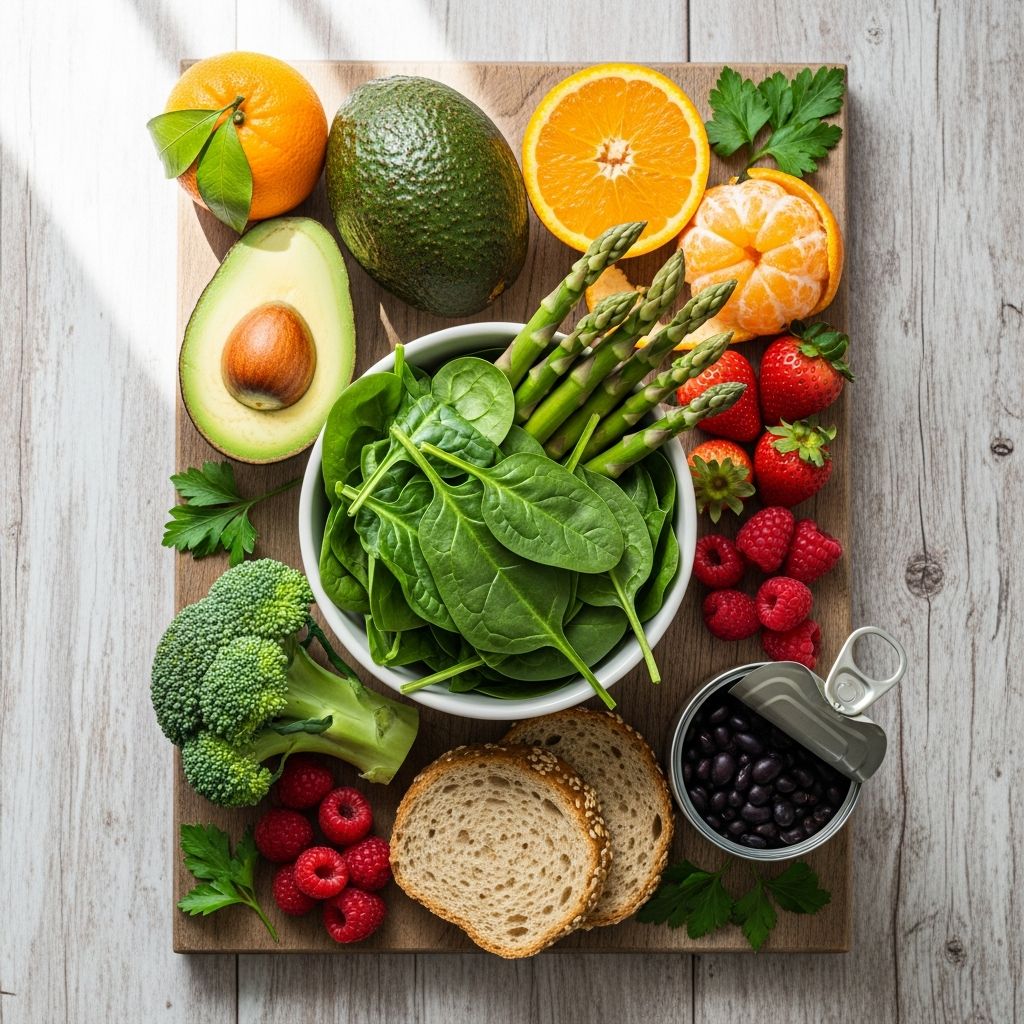
Folate, also known as vitamin B9, plays a pivotal role in supporting maternal health and fetal development during pregnancy. This essential nutrient aids in DNA synthesis, red blood cell production, and preventing serious birth defects like neural tube defects (NTDs).
Understanding Folate and Its Critical Role in Pregnancy
Folate is vital for cell division and growth, processes that accelerate dramatically during pregnancy. The fetus relies on adequate folate levels for proper brain, spinal cord, and heart development. Without sufficient intake, risks escalate for conditions such as spina bifida and anencephaly, which form in the first 28 days post-conception—often before pregnancy confirmation.
Demands for folate surge by up to 50% in pregnancy due to expanded maternal blood volume and placental growth. Deficiency can lead to maternal anemia, fatigue, and neuropathy, while in the fetus, it heightens chances of congenital heart defects, cleft lip/palate, preterm birth, and low birth weight.
Health authorities worldwide, including the NIH and IOM, recommend 600 mcg of dietary folate equivalents (DFE) daily for pregnant women, rising to 500 mcg during lactation. Women planning pregnancy should aim for 400-1,000 mcg from preconception through the first trimester.
Natural Folate vs. Folic Acid: Key Differences
Folate occurs naturally in foods, while folic acid is the synthetic form in supplements and fortified products. The body absorbs natural folate less efficiently (about 50%) compared to folic acid (nearly 100%), but both contribute to DFE calculations (1 mcg food folate = 1 DFE; 1 mcg folic acid = 1.7 DFE when taken with food).
Recent studies highlight L-methylfolate, a bioactive form, as superior for raising red blood cell folate levels, especially in those with MTHFR gene variants impairing folic acid conversion.
| Form | Sources | Absorption Rate | Best For |
|---|---|---|---|
| Natural Folate | Leafy greens, legumes, citrus | 50% | Daily diet |
| Folic Acid | Supplements, fortified cereals | 85-100% | Preventing NTDs |
| L-Methylfolate | Specialized prenatals | High bioavailability | Genetic variations |
Top Folate-Rich Foods to Incorporate Daily
Building a folate-rich diet starts with whole foods. Aim for variety to maximize absorption and complement with B12-rich items, as they work synergistically.
- Leafy Greens: Spinach (194 mcg per cooked cup), kale (141 mcg), collards (177 mcg). Sauté or steam to preserve nutrients.
- Legumes: Lentils (358 mcg per cooked cup), black beans (256 mcg), chickpeas (282 mcg). Add to salads or soups.
- Citrus Fruits: Oranges (50 mcg each), strawberries (40 mcg per cup). Fresh for vitamin C boost, aiding iron absorption.
- Avocados and Asparagus: Avocado (81 mcg half), asparagus (134 mcg per half-cup). Versatile in meals.
- Broccoli and Brussels Sprouts: Broccoli (104 mcg cup), sprouts (141 mcg). Roast for flavor.
- Fortified Grains: Cereals (100-400 mcg/serving), bread, pasta. Check labels for folic acid addition.
- Nuts and Seeds: Sunflower seeds (66 mcg/quarter cup), peanuts (88 mcg/quarter cup).
- Animal Products: Liver (215 mcg/3oz beef), eggs (22 mcg each). Moderate for balanced diet.
A sample daily intake: Breakfast fortified cereal (400 mcg), lunch lentil soup with spinach (500 mcg), snack orange (50 mcg), dinner broccoli chicken stir-fry (150 mcg) totals over 1,100 mcg DFE.
Supplementation Guidelines for Optimal Protection
Food alone often falls short of pregnancy needs, prompting universal supplementation. Start 400 mcg folic acid daily at least one month preconception, continuing to 12 weeks gestation. High-risk women (prior NTD, diabetes, obesity, MTHFR variants) need 4,000 mcg from preconception through first trimester.
Prenatal vitamins typically provide 400-800 mcg folic acid plus other nutrients. For enhanced efficacy, consider L-methylfolate formulas, shown to outperform standard folic acid in trials. Continue 600 mcg throughout pregnancy to potentially reduce preterm birth risk—studies link preconception supplementation >1 year to 78% lower early preterm rates.
Potential Risks of Folate Deficiency and Over-Supplementation
Low folate correlates with 20-30% higher NTD risk, plus anemia (affecting 20% pregnancies globally) and preeclampsia. Preterm birth odds drop with consistent use.
Excess (>1,000 mcg/day long-term) risks minimal in healthy women but may mask B12 deficiency. Upper limit: 1,000 mcg synthetic folic acid daily. Consult providers for personalized advice.
Practical Tips for Boosting Folate Intake
- Cook lightly: Boiling leaches folate; steam or microwave instead.
- Pair wisely: Vitamin C foods enhance absorption.
- Fortified choices: Opt for labeled products.
- Consistency: Daily habits over sporadic high doses.
- Monitor: Blood tests if at risk.
Debunking Common Pregnancy Folate Myths
- Myth: Food suffices. Reality: Supplements needed for therapeutic levels.
- Myth: Only first trimester matters. Reality: Continue full-term for broader benefits.
- Myth: All forms equal. Reality: Bioavailability varies; L-methylfolate for some.
Frequently Asked Questions (FAQs)
Why start folate before conception?
Neural tube closes by week 4; early intake prevents defects.
How much folate daily in pregnancy?
600 mcg DFE; 400 mcg supplement minimum.
Vegetarian folate sources?
Legumes, greens, fortified grains, nuts—plentiful options.
Does folate prevent other defects?
Yes, reduces heart defects, clefts, preterm risks.
Side effects of supplements?
Rare; nausea possible. Take with food.
Building a Folate-Focused Meal Plan
Week Sample:
- Monday Breakfast: Fortified oatmeal with strawberries (450 mcg).
- Lunch: Chickpea salad with spinach (500 mcg).
- Dinner: Lentil curry, broccoli (600 mcg).
Total exceeds recommendations, customizable for cravings.
In summary, prioritizing folate through diet and supplements empowers expecting mothers to safeguard baby’s health. Consistent action yields profound, evidence-backed outcomes.
References
- Folic Acid Supplementation and Pregnancy: More Than Just Neural Tube Defect Prevention — National Institutes of Health (PMC). 2011-09-01. https://pmc.ncbi.nlm.nih.gov/articles/PMC3218540/
- Folate (folic acid) and pregnancy — Pregnancy Birth & Baby (Australian Government). 2023. https://www.pregnancybirthbaby.org.au/folate-and-pregnancy
- Folate and Folic Acid in Pregnancy — American Pregnancy Association. 2024. https://americanpregnancy.org/getting-pregnant/infertility/folate-vs-folic-acid/
- Why every woman needs folic acid — UCLA Health. 2023-05-18. https://www.uclahealth.org/news/article/why-every-woman-needs-folic-acid
- Vitamins, supplements and nutrition in pregnancy — NHS (UK). 2024. https://www.nhs.uk/pregnancy/keeping-well/vitamins-supplements-and-nutrition/
- Folate (Folic Acid) – Vitamin B9 — Harvard T.H. Chan School of Public Health. 2024. https://nutritionsource.hsph.harvard.edu/folic-acid/
- Folate (folic acid) — Mayo Clinic. 2024-04-19. https://www.mayoclinic.org/drugs-supplements-folate/art-20364625