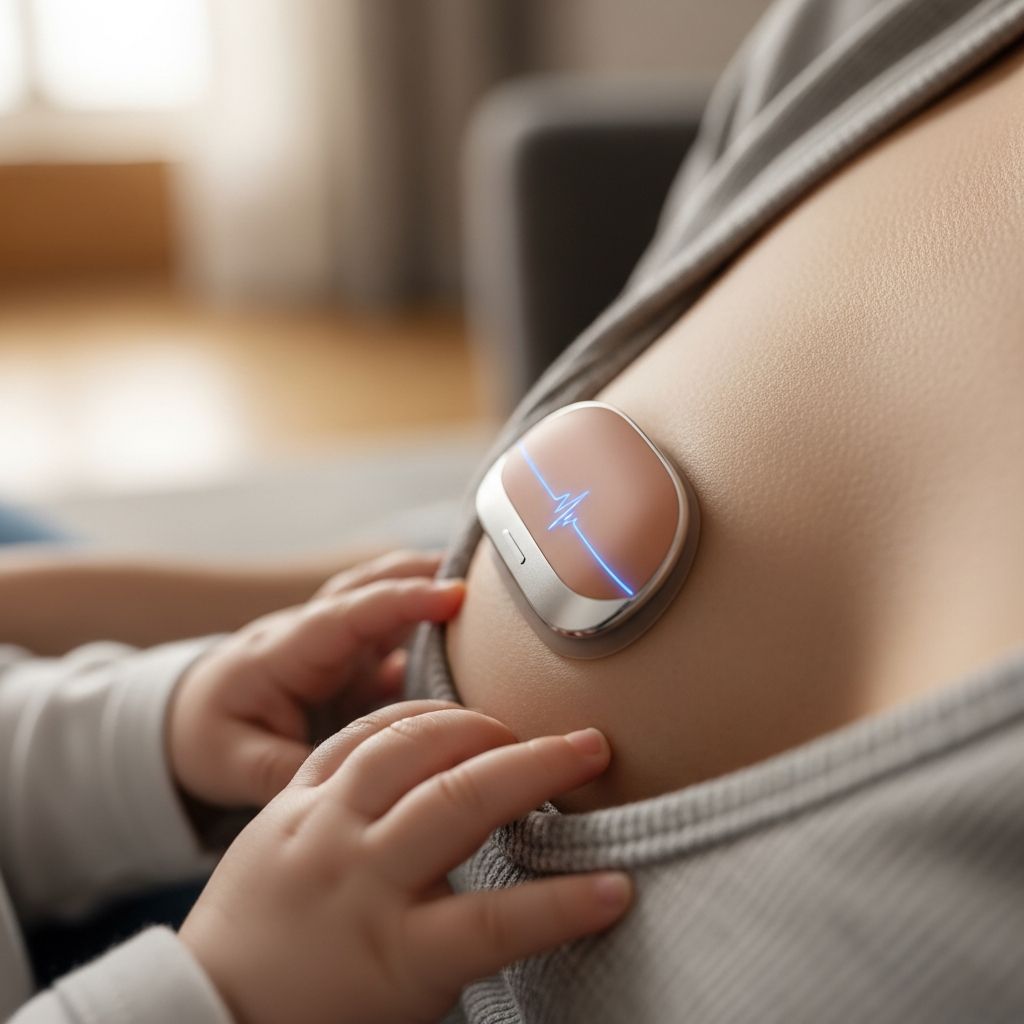
Breastfeeding stands as the optimal nutrition source for newborns, packed with essential antibodies, nutrients, and bonding benefits. Yet, a persistent hurdle remains: gauging the exact volume of milk an infant consumes per session. Traditional approaches, such as pre- and post-feed weighing, prove cumbersome and imprecise. Enter a transformative wearable device from Northwestern University and Rice University researchers—a soft, noninvasive band that delivers clinical-grade, real-time milk intake data via smartphone. This tool addresses longstanding uncertainties, empowering parents and clinicians alike.
The Science Powering Precise Milk Measurement
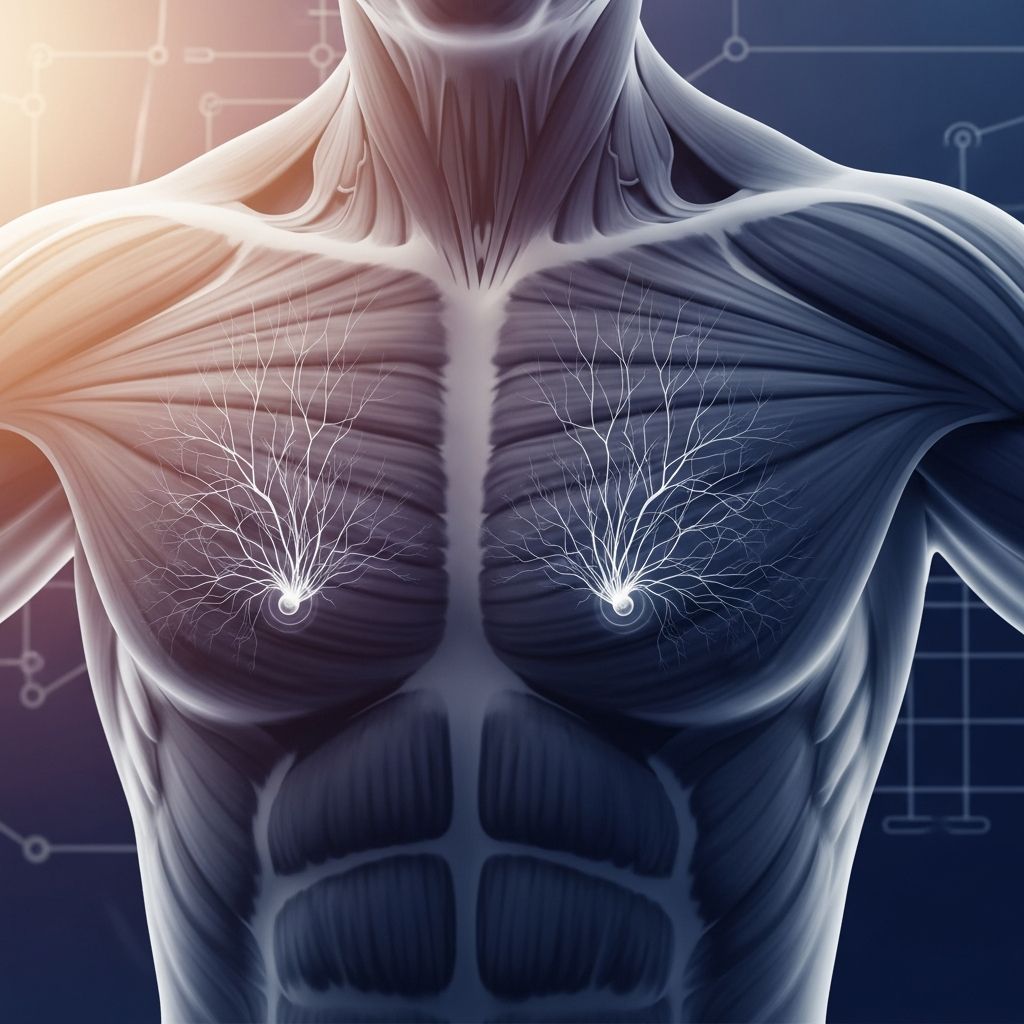
At its core, this technology harnesses bioimpedance analysis, a proven method typically used for body composition assessment. The device features a flexible band encircling the breast, equipped with four small electrodes: two inject a harmless, low-level electrical current, while the others detect resulting voltage variations. As milk transfers to the baby, the breast’s electrical conductivity shifts subtly due to volume changes in milk-filled tissues. Algorithms interpret these shifts to quantify intake accurately.
Development involved meticulous steps. Engineers crafted breast-mimicking phantoms with adjustable milk volumes to validate sensitivity. Advanced computational models, tailored to individual breast anatomies, simulated tissue dynamics and sensor placements, ensuring robustness across diverse body types. Calibration occurs via a one-time pumping session, syncing electrical readings with pumped volumes for personalized accuracy.
Robust Validation Through Real-World Trials
Extensive testing with 12 breastfeeding mothers—spanning NICU and home environments over 17 weeks—confirmed reliability. Readings aligned closely with gold-standard weigh-ins, demonstrating high precision from day one. Participants praised its comfort and utility, with NICU nurses expressing enthusiasm for clinical integration.
The design prioritizes user-friendliness: a silicone-encased base station houses Bluetooth, a rechargeable battery, and memory, connecting seamlessly to apps for live graphs of intake trends. Future iterations may embed into bras or expand to track production rates and milk composition.
Addressing Common Breastfeeding Worries
- Low Supply Fears: Real-time data reassures mothers, preventing unnecessary supplementation.
- Weight Gain Concerns: Quantified feeds correlate with growth charts, alerting to issues early.
- Latch Doubts: Intake patterns reveal effective nursing mechanics.
For low-birth-weight or premature infants, where every milliliter counts, this device could optimize feeding protocols, potentially shortening hospital stays.
Clinical Impact in Neonatal Intensive Care Units
In NICUs, precise nutrition is paramount. Premature babies often struggle with sucking strength, risking underfeeding. This wearable furnishes objective data, guiding fortified feeds or tube supplementation decisions. Researchers note its potential to inform clinical choices, enhancing outcomes for vulnerable neonates.
| Setting | Key Benefit | Accuracy vs. Weighing |
|---|---|---|
| Home | Reduces parental stress | 95%+ correlation |
| NICU | Supports clinical decisions | Clinical-grade match |
| General | Tracks trends over time | Real-time precision |
This table summarizes deployment advantages, grounded in trial data.
Comparing Emerging Lactation Technologies
Besides this bioimpedance pioneer, innovations abound:
- Nipple Shields with Flow Sensors: Devices like Coro embed tiny, wireless sensors in shields for flow metrics without batteries.
- Smart Lactation Pads: USC’s pads detect chemicals like glucose or medications in expressed milk, aiding maternal health monitoring.
- App-Linked Sensors: nfant’s Thrive Breast uses pads for flow tracking, shareable with providers.
Each targets unique gaps, but the Northwestern-Rice wearable excels in direct, noninvasive breastfeeding measurement.
Practical Guidance for Interested Parents
Though not yet commercial, ongoing refinements aim for regulatory approval. Currently, parents can:
- Consult lactation experts for personalized advice.
- Use apps logging wet diapers and weight gains as proxies.
- Practice responsive feeding, watching for satiety cues.
Anticipate app features like growth predictions, supply analytics, and provider sharing upon launch.
Expert Perspectives on Future Advancements
John A. Rogers, lead developer, emphasizes eliminating intake guesswork for hospital-home continuity. Rice’s modeling expert highlights anatomical simulations’ role in personalization. Lurie Children’s Institute underscores NICU potential.
Long-term, integrations could analyze macronutrients or hormones, offering holistic lactation insights.
Frequently Asked Questions
Is the device safe for daily breastfeeding?
Yes, it employs ultra-low, safe currents akin to FDA-cleared bioimpedance tools, with skin-friendly materials.
How accurate is the milk intake measurement?
Trials show near-perfect alignment with weighing, validated over weeks.
Can it help with low milk supply issues?
By revealing true intake, it guides interventions, alleviating unfounded worries.
Is it suitable for premature babies?
Absolutely, its NICU testing proves value for fragile infants needing exact nutrition.
When will it be available for purchase?
Post-regulatory clearance; development continues for market readiness.
Empowering the Breastfeeding Journey
This wearable heralds a data-driven era in lactation support, blending engineering prowess with parental needs. By demystifying milk transfer, it fosters confidence, optimizes health, and bridges care gaps—paving the way for healthier starts.
References
- New Breastfeeding Wearable Measures Baby’s Milk Intake — The Bump. 2025. https://www.thebump.com/news/wearable-breastfeeding-device-track-baby-milk-intake-northwestern
- A new wearable removes the guesswork from breastfeeding — Rice University News. 2025-01-15. https://news.rice.edu/news/2025/new-wearable-removes-guesswork-breastfeeding
- New Device Helps Parents Learn How Much Breast Milk Baby Consumes — Lurie Children’s Research. 2025. https://research.luriechildrens.org/en/manne-research-institute-news/new-device-helps-parents-learn-how-much-breast-milk-baby-consumes/
- Sensor Measures Breastmilk Consumed by Infants — Milk Genomics. 2025. https://www.milkgenomics.org/?splash=sensor-measures-breastmilk-consumed-by-infants
- nfant® Unveils Wearable Technology To Measure Milk flow During Breastfeeding — nfant. 2023-10-01. https://nfant.com/press/nfant-unveils-groundbreaking-technology-to-measure-milk-flow-during-breastfeeding-and-launches-pediatric-partnership-program-at-aap-2023/
- Coro Breast Feeding Monitor — Coroflo. 2025. https://www.coroflo.com/coro-breast-feeding-monitor/