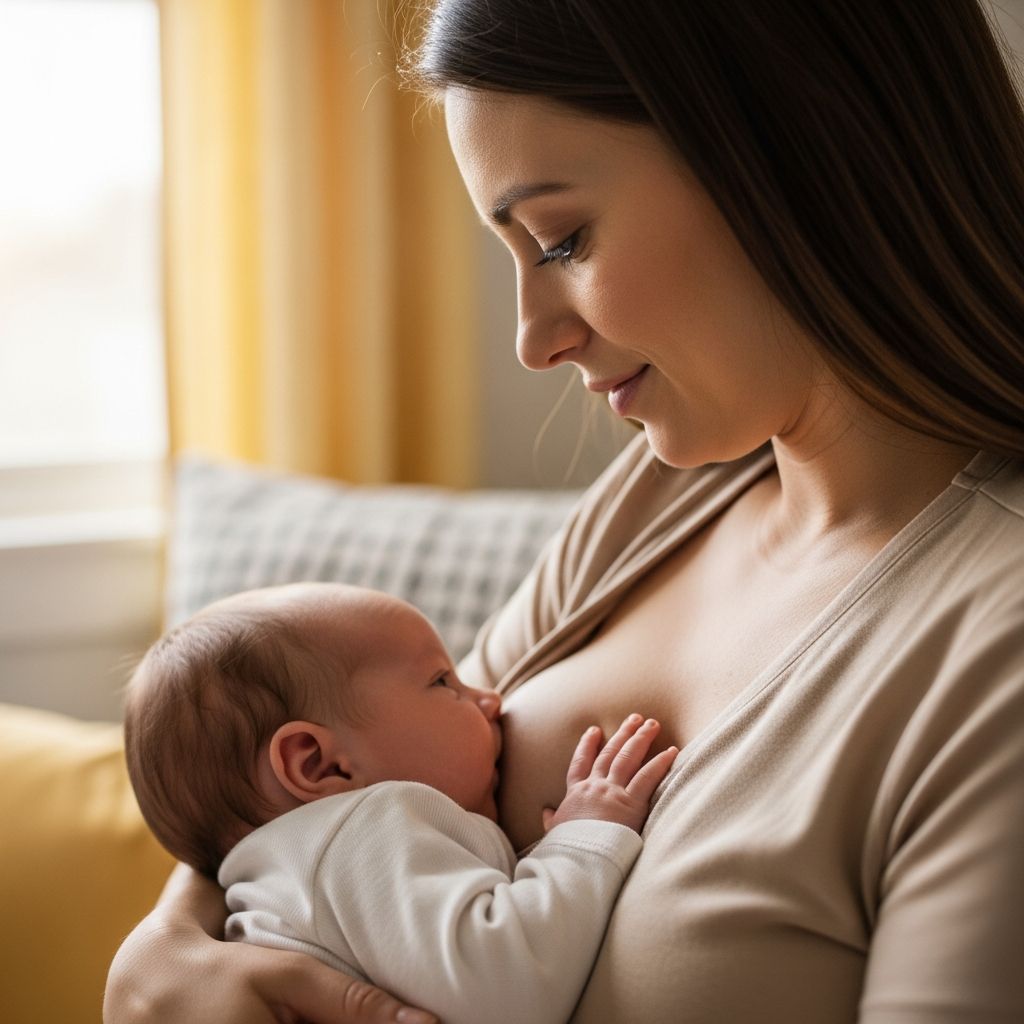
Medical guidelines generally advise waiting at least 6 to 18 months after a cesarean section before attempting another pregnancy to allow sufficient uterine healing and reduce complications.
Understanding Uterine Healing Post-Cesarean
The cesarean delivery involves a surgical incision through the abdominal wall and uterus, requiring extensive internal recovery. While external scars may heal visibly within weeks, the uterine wall needs 6 to 12 months for full strength restoration, as contractions during labor stress this area. Incomplete healing elevates risks in subsequent pregnancies, particularly if pursuing vaginal birth.
Healing varies by incision type: low transverse (most common) heals more reliably than classical incisions, influencing VBAC candidacy. Factors like infection, multiple prior surgeries, or poor nutrition can prolong recovery, emphasizing personalized medical evaluation.
Recommended Intervals Between Pregnancies
Expert consensus from organizations like ACOG stresses interpregnancy intervals—the time from birth to next conception. Key recommendations include:
- Minimum 6 months: Bare essential to avoid highest risks; shorter intervals double complication odds.
- Ideal 12-18 months: Balances recovery with fertility preservation, especially for women over 35.
- Optimal 18-24 months: Lowest risks for uterine rupture and preterm birth per Mayo Clinic and studies.
These timelines translate to 15-24 months between births. A 2019 systematic review found 6-8 month waits improved VBAC success, but longer gaps minimized ruptures (1.3% at 24+ months vs. 4.8% under 18 months).
| Interval (Post-C-Section to Conception) | Uterine Rupture Risk | Other Benefits |
|---|---|---|
| <6 months | 2-4.8% (elevated) | None; highest complications |
| 6-12 months | 1.9-2.66% | Better VBAC odds |
| 18-24+ months | 1.3% | Optimal healing, reduced preterm birth |
Data synthesized from retrospective studies (e.g., Bujold 2010, Stamilio 2007).
Key Risks of Conceiving Too Quickly
Short intervals heighten maternal and fetal dangers due to fragile scar tissue:
- Uterine rupture: Scar tears during labor (0.5-2% baseline, up to 4x higher <6 months), a life-threatening emergency requiring immediate surgery.
- Preterm birth and low birth weight: Increased by 50% under 12 months, linked to maternal depletion.
- Placental issues: Abnormal attachment (placenta accreta) rises with repeat cesareans, worsened by poor healing.
- Maternal exhaustion: Prolonged recovery, anemia, and mental health strain from overlapping postpartum periods.
Even unplanned pregnancies within 7 months can succeed with vigilant monitoring, but risks persist.
Factors Influencing Your Personal Timeline
No universal rule fits all; tailor based on:
- Age and fertility: Over 35? Shorter waits may be needed to preserve window, per doctor assessment.
- Prior pregnancy history: High-risk cases (preeclampsia, multiples) warrant longer gaps.
- C-section details: Number, type, complications affect rupture odds—multiple increase risks exponentially.
- Lifestyle: Nutrition, exercise, BMI optimize healing; smoking delays it.
- Family goals: Close-age siblings vs. larger spacing impacts planning.
Consult OB-GYN early for bloodwork, imaging, and contraception strategies like IUDs until cleared (6 weeks minimum postpartum).
Boosting Fertility and Conception Success
Fertility rebounds quickly post-C-section—often within 3 weeks due to hormonal shifts, comparable to vaginal births (69% conceive within 3 years). No inherent infertility from cesarean, barring rare adhesions.
Preparation tips:
- Achieve preconception health: folic acid 400-800mcg daily, balanced diet, 150min weekly exercise.
- Track ovulation via apps/basal temp; fertility peaks 6+ months postpartum.
- Avoid stressors; consider counseling for birth trauma.
Incision type rarely impacts fertility, but classical cuts may complicate.
Pursuing VBAC: Timing and Success Factors
Vaginal birth after cesarean (VBAC) succeeds 60-80% with proper intervals, avoiding repeat surgery risks. Wait 6-15 months for trial of labor; under 18 months between births raises rupture to 4.8%.
Eligibility checklist:
- Single low transverse incision.
- No prior classical/eeT incisions.
- Normal pelvic anatomy, head-down baby.
Studies (Shipp 2001) confirm <18-month birth gaps amplify dangers; plan with experienced providers.
Navigating Unplanned Pregnancies
Conception 1 month post-C-section is possible but risky—2-3x rupture likelihood. If >12 weeks and stable, continuation is viable with intensified monitoring: weekly ultrasounds, scar assessments, 39-week cesarean scheduling.
Post-6 months pregnancies often proceed safely; discuss protocols like extra imaging.
Practical Steps for Recovery and Planning
Maximize healing:
- Weeks 1-6: Rest, no intercourse; monitor incision.
- Months 1-3: Light activity, nutrition focus.
- Months 3-6: Build strength, contraception.
- 6+ months: Clearance for conception attempts.
Internal healing: 6 months incision, 12 months full body.
Frequently Asked Questions
Can I get pregnant just 1 month after my C-section?
Biologically possible due to rapid fertility return, but strongly discouraged—risks skyrocket. Wait minimum 6 months.
Does C-section affect future fertility?
Rarely; conception rates mirror vaginal births. Temporary hormonal boosts aid it.
How soon can I attempt VBAC after C-section?
15-24 months between births ideal; 6-15 months interpregnancy minimum.
What if I conceive sooner than recommended?
Not doomed—monitor closely for rupture signs, plan cesareans early. Risks elevated but manageable.
Multiple C-sections: How does spacing change?
Wait 6-18 months minimum; risks compound, lowering VBAC viability.
Empowering Your Reproductive Journey
Armed with data, collaborate with providers for timelines suiting health and goals. Prioritize recovery for joyful outcomes—many thrive post-C-section with informed spacing.
References
- Getting Pregnant After C-Section: How Long Should You Wait? — The VBAC Link. 2023. https://www.thevbaclink.com/length-between-pregnancies-c-section-to-vbac/
- Pregnancy After C-Section: Risks and How Long to Wait — Healthline. 2023. https://www.healthline.com/health/pregnancy/pregnancy-after-c-section
- Pregnancy Right After C-Section: Many Disadvantages — Vinmec. 2023. https://www.vinmec.com/eng/blog/pregnancy-too-soon-after-cesarean-section-many-disadvantages-for-both-mother-and-baby-en
- Multiple C-Sections: Risks, Side Effects, & Natural Birth — University of Utah Health. 2023. https://healthcare.utah.edu/womens-health/pregnancy-birth/multiple-c-sections
- Planning Your Next Pregnancy? Here’s How Long to Wait — ACOG. 2023. https://www.acog.org/womens-health/experts-and-stories/the-latest/planning-your-next-pregnancy-heres-how-long-to-wait
- Vaginal Birth After Cesarean Delivery — NCBI StatPearls. 2023-10-01. https://www.ncbi.nlm.nih.gov/books/NBK507844/
- VBAC: Know the Pros and Cons — Mayo Clinic. 2023. https://www.mayoclinic.org/healthy-lifestyle/labor-and-delivery/in-depth/vbac/art-20044869